


Victorian Oil Burner
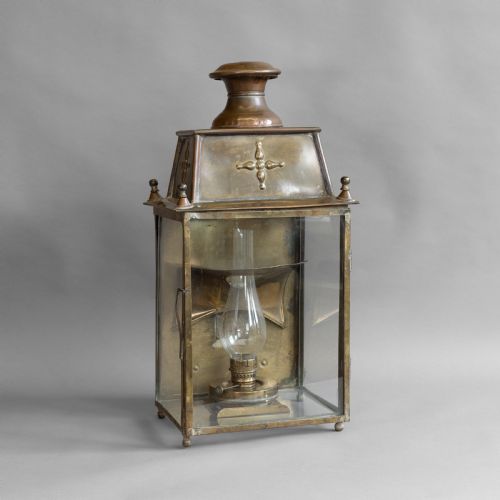
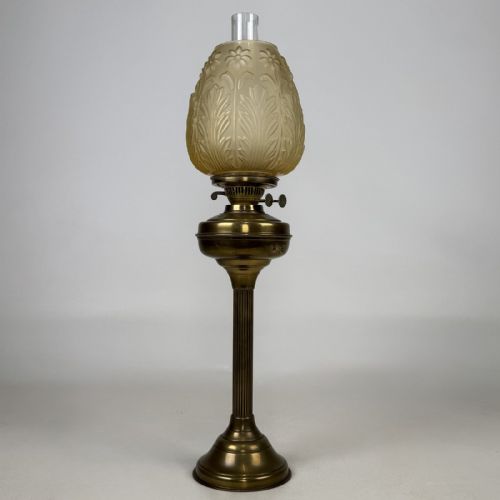
A Victorian oil burner brings warm period character to a room, combining brass columns and tinted glass shades.
Victorian Oil Burner
A victorian oil burner is a domestic lighting fixture designed to burn paraffin or similar fuel safely within the home before electric lighting took over. The form spans various domestic uses, including table lamps, floor-standing standard lamps, and smaller pulpit heaters.
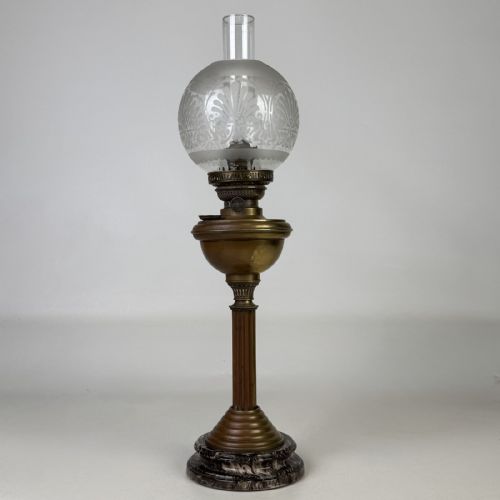
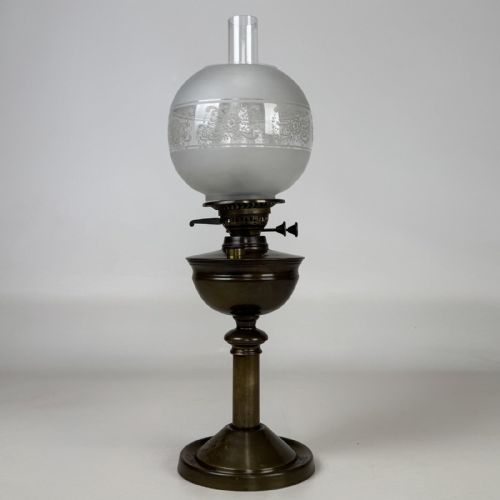
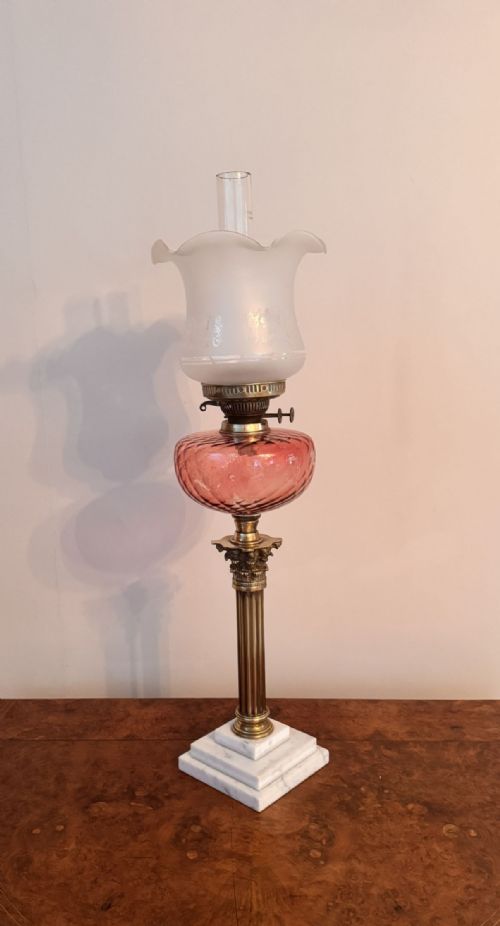
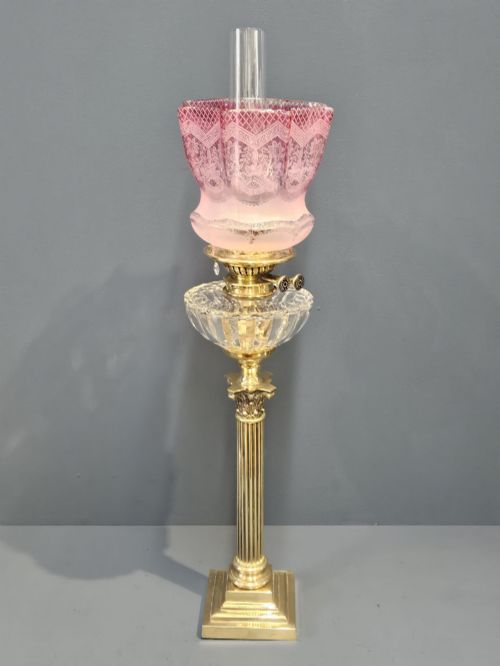
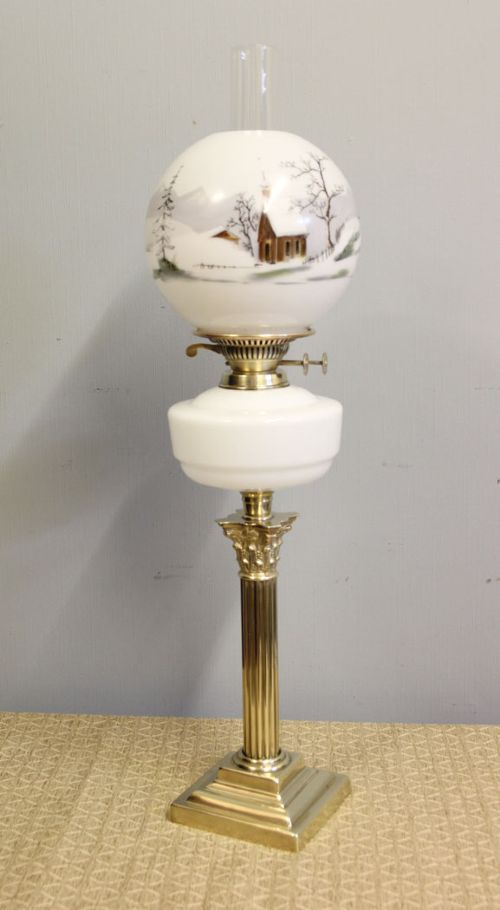
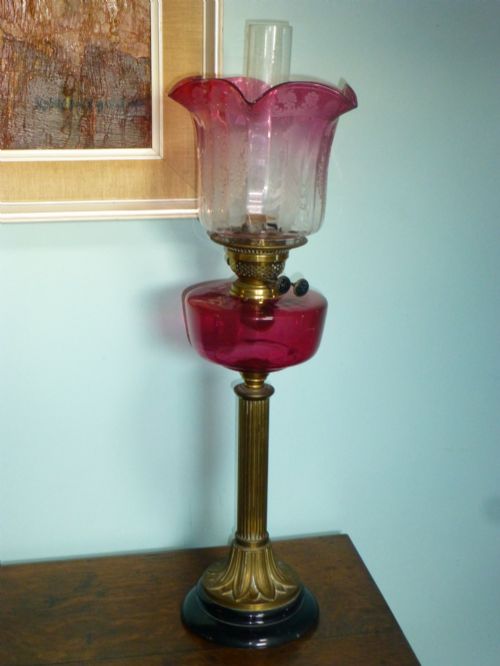
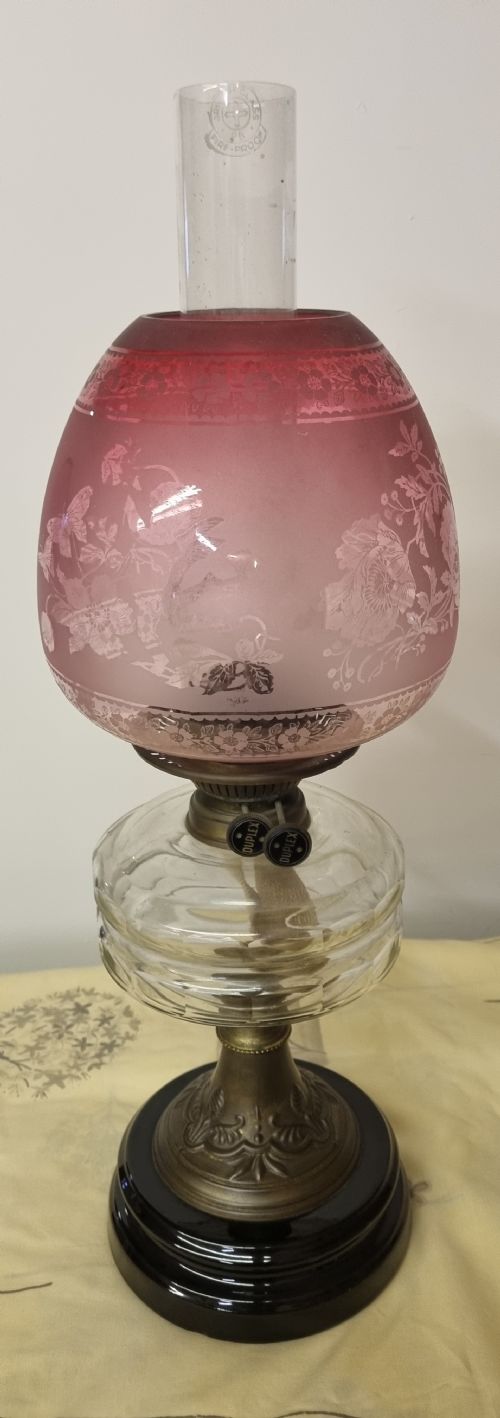
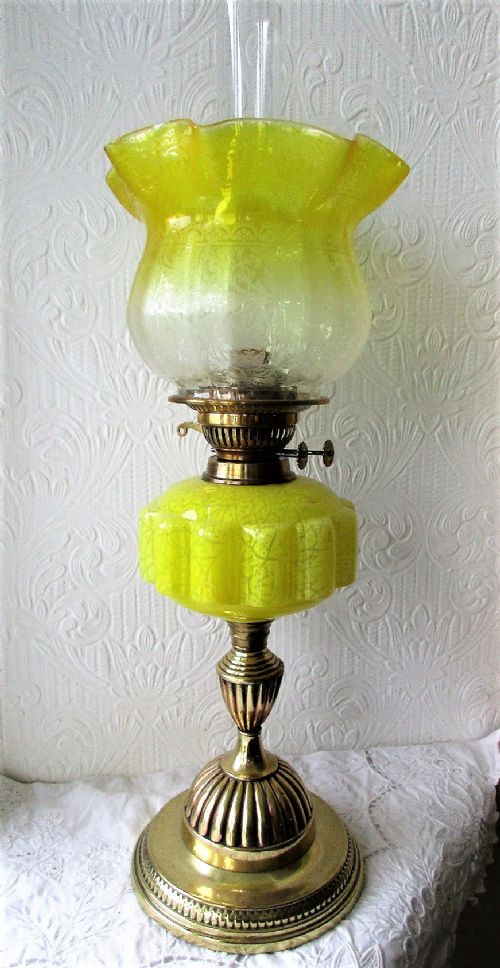
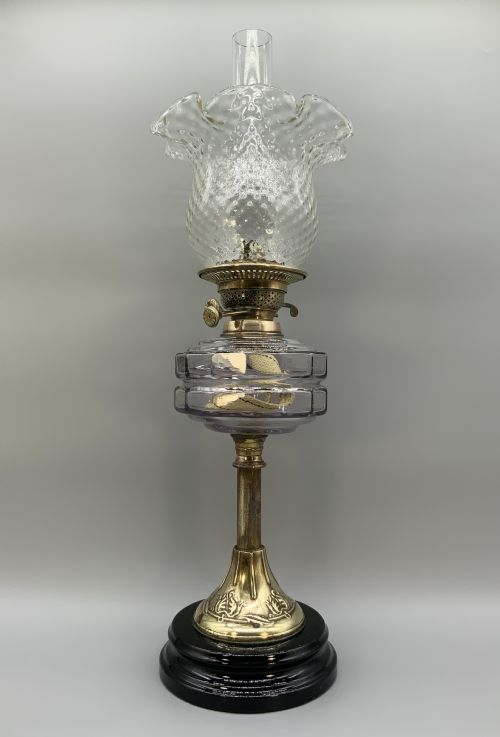
Brass columns form the standard structure of these items, paired with fonts and shades in glass, ceramic, or porcelain. Buyers frequently encounter brass column designs featuring cranberry glass, frosted glass, or opaline shades dating from the nineteenth century.
How they were made
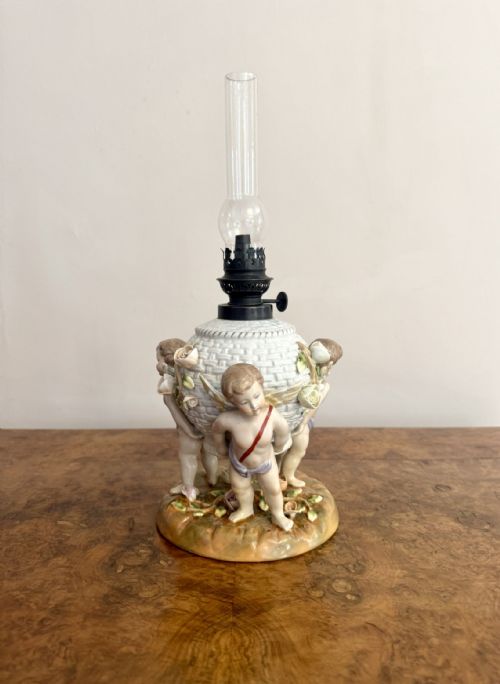
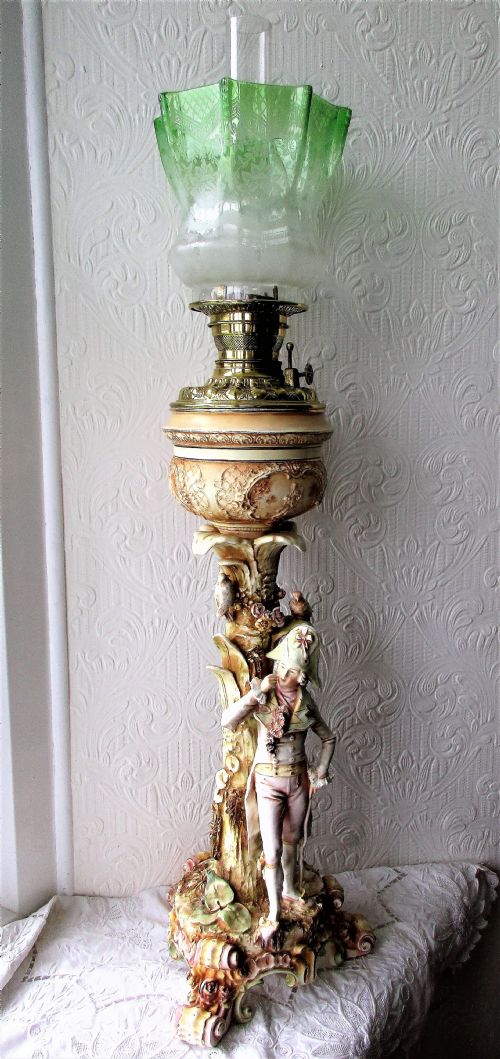
Maker workshops combined cast and spun brass components with blown or pressed glass fonts and shades. Ceramic and porcelain reservoirs added colour and weight to the base, often decorated with hand-painted botanical or figurative details.
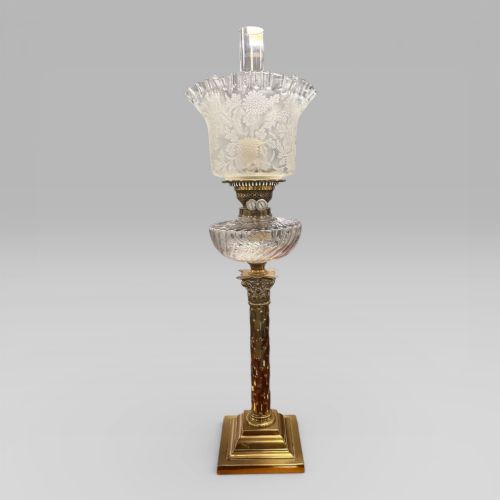
Burner mechanisms such as the duplex system utilised twin wicks to increase illumination, requiring precise metal engineering to regulate the flame. Etched glass tulip shades and hand-blown glass globes completed the assembly, diffusing the light output.
Victorian Oil Burner Retail Price Guide 2026
Typical asking prices for victorian oil burner among the pieces listed under this phrase on Sellingantiques today, from the lower quarter to the upper quarter. They describe what is for sale here now, not the wider market.
Some lamps doubled as pulpit heaters to keep nineteenth-century speakers warm during long winter sermons.
What varies in quality
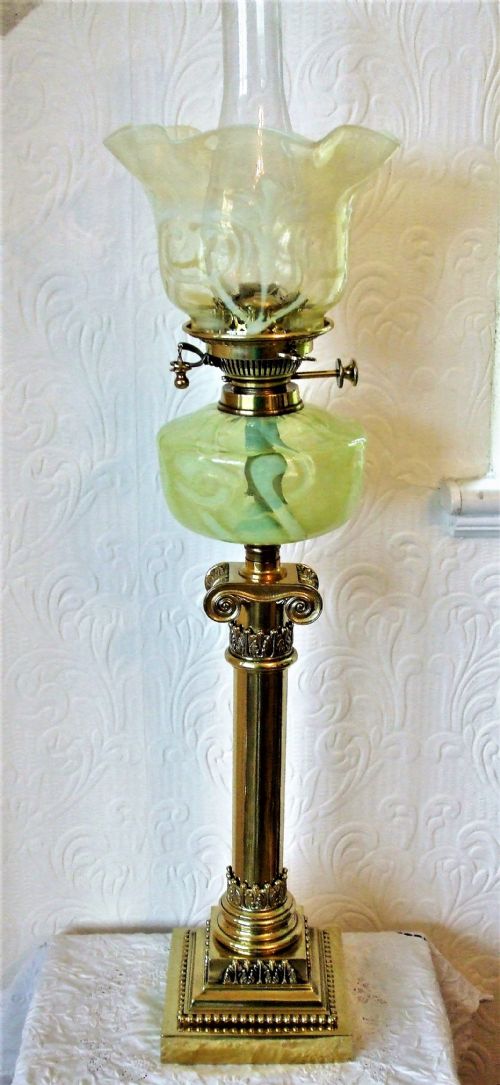
The sophistication of the column capital and the weight of the brass casting distinguish standard models from finer examples. Corinthian column details and heavier metalwork indicate higher production standards.
The material and decoration of the shade and font drive distinction across the range. Hand-blown cranberry glass, etched floral patterns, and detailed Sitzendorf porcelain reservoirs represent the upper tier of manufacture.
Hinks·Taylor Tunnicliff·Wild and Wessel·Sitzendorf
The Victorian Oil Burner Glossary
- Duplex burner
- A burner mechanism utilising two parallel wicks to produce a brighter flame than single-wick designs. It became standard on better quality domestic lamps of the period.
- Cranberry glass
- Glass coloured with gold chloride during production to achieve a rich pinkish-red hue. It appears frequently in nineteenth-century lamp shades.
- Opaline glass
- A pale, translucent white glass that diffuses light softly. This material was widely used for lamp shades to reduce glare.
- Ionic column
- A classical architectural style adapted for lamp stems, featuring characteristic scroll ornaments on the capital. It provides structural support in brass.
Victorian Oil Burner: Frequently Asked Questions
What is a Victorian oil burner?
A Victorian oil burner is a period lighting device featuring a fuel reservoir, a regulating burner mechanism, and a decorative shade.
These pieces combine functional brass columns with glass or ceramic components to illuminate late nineteenth-century interiors.
How do I identify periods?
Periods are identified through structural styles, burner types, and material combinations recorded across the nineteenth and early twentieth centuries.
Brass Corinthian columns and specific burner patents point towards Victorian production, while simpler forms often align with Edwardian dates.
How were these lamps used?
These lamps provided domestic illumination in homes before electricity, utilising paraffin oil drawn up through wicks.
Table models sat in living spaces, while taller standard lamps and telescopic floor versions stood in larger reception rooms.
How do I live with one?
Living with a Victorian oil burner involves placing it securely on sturdy tables or sideboards as a decorative room focal point.
Many collectors display them unlit to appreciate the contrast between brass columns and coloured glass shades.