

Victorian Occasional Seat
A victorian occasional seat brings compact grace and period utility to any room, offering versatile extra seating rooted in nineteenth-century craftsmanship.
Victorian Occasional Seat
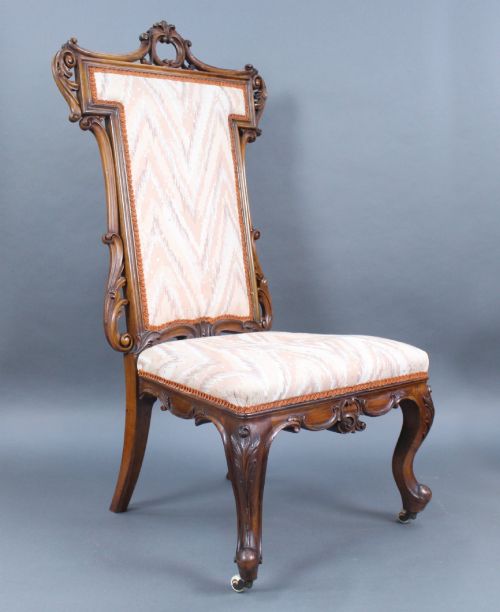
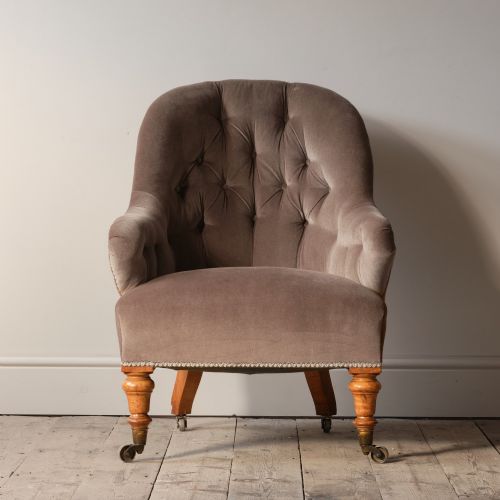
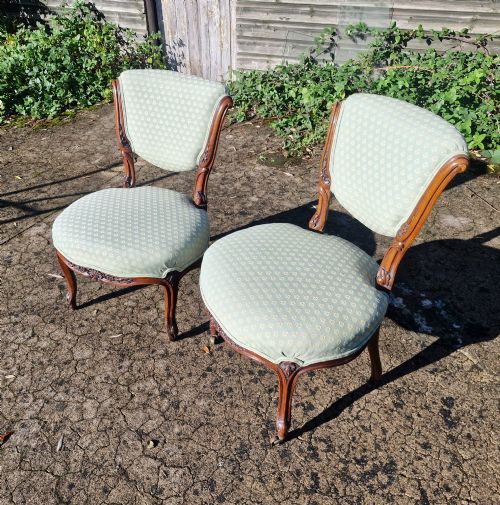
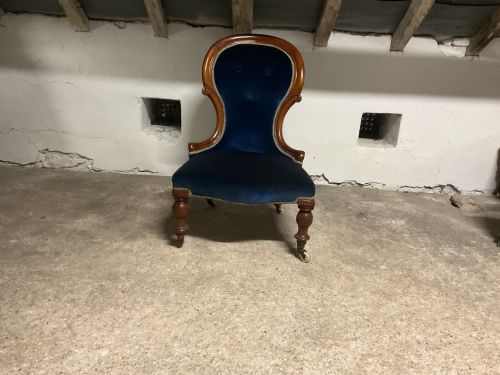
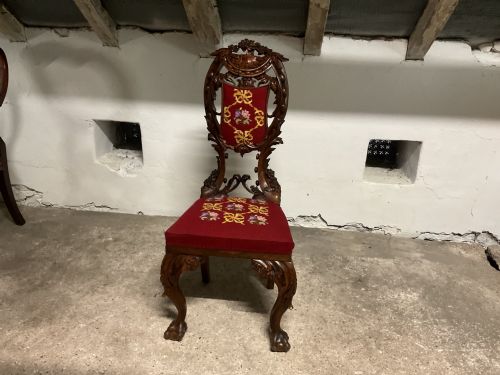
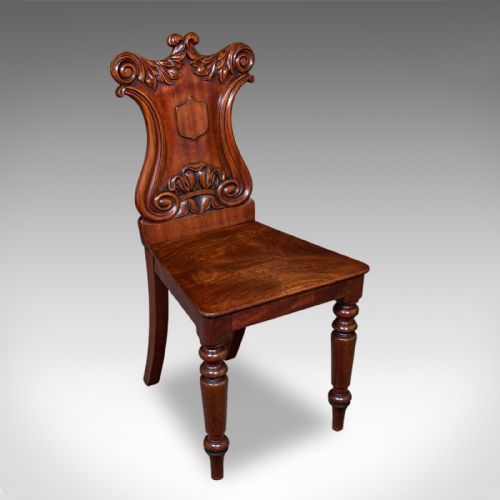
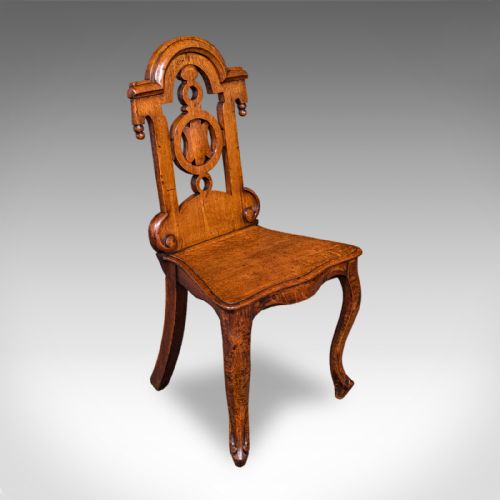
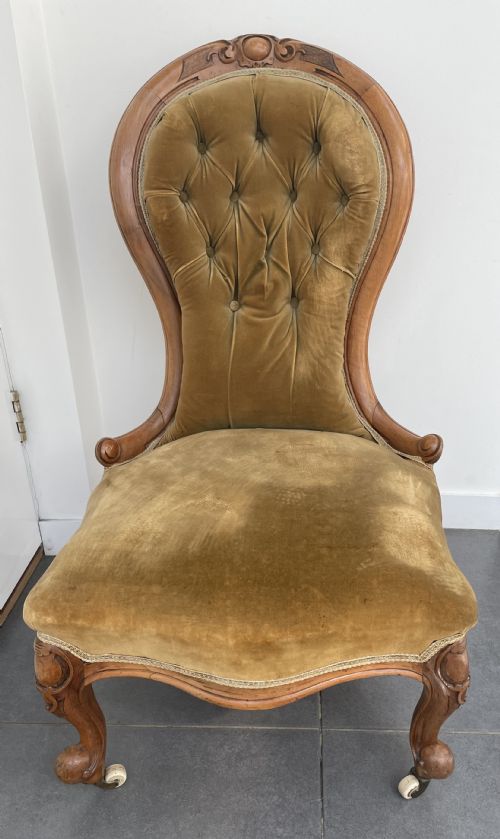
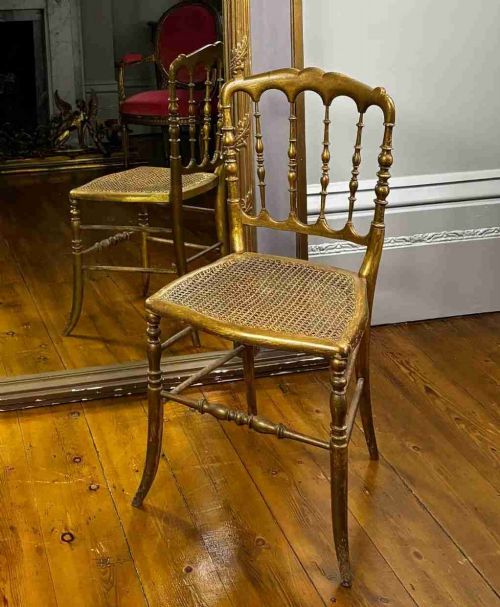
A victorian occasional seat encompasses diverse forms including nursing chairs, bedroom chairs, hall chairs, and salon chairs. These pieces emerge primarily from the nineteenth century, spanning decades from the eighteen-fifties through to the Edwardian era.
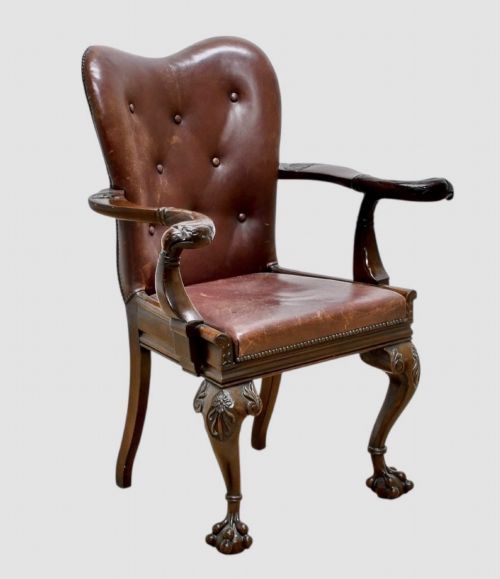
Buyers frequently encounter walnut and mahogany side chairs alongside low-slung slipper chairs and upholstered armchairs. Many examples reflect specific nineteenth-century movements, ranging from Rococo Revival and Aesthetic Movement designs to simpler country house models.
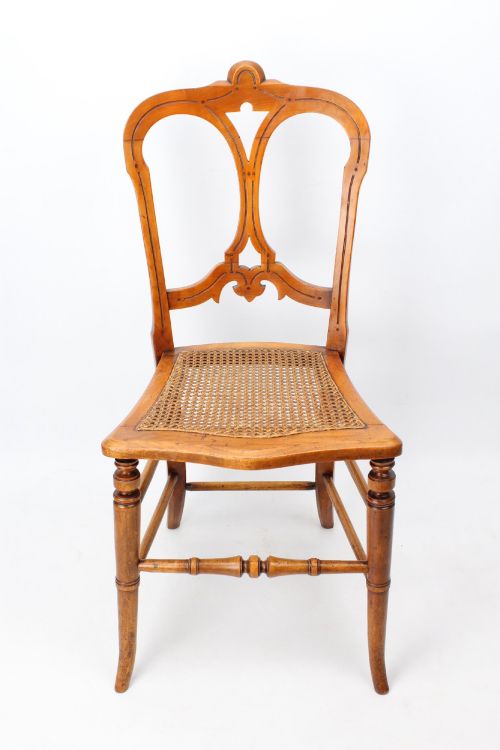
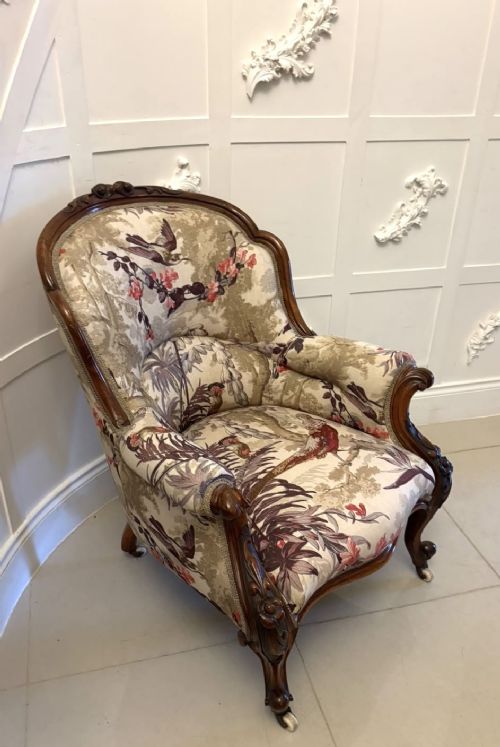
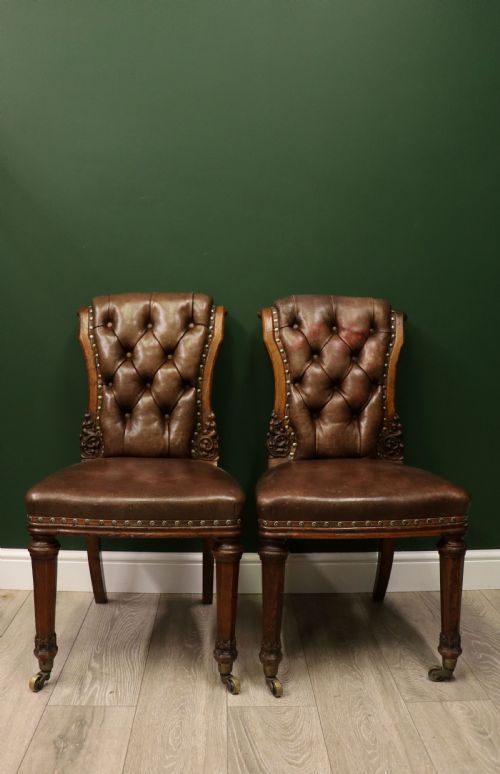
The selection ranges from carved reception seating to intimate boudoir chairs with cane or fabric surfaces. Walnut and oak frames dominate the selection, often complemented by velvet, leather, or tapestry upholstery.
Materials and Construction
Frames are constructed from dense timbers such as walnut, mahogany, and oak, frequently shaped with hand-carved details or pierced splats. Artisans utilised ebonised finishes, giltwood, and papier-mâché to achieve varied decorative effects across different salon and bedroom forms.
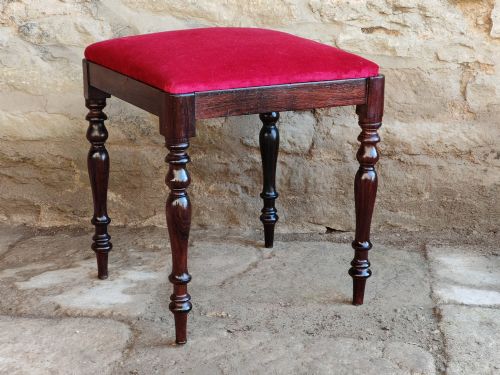
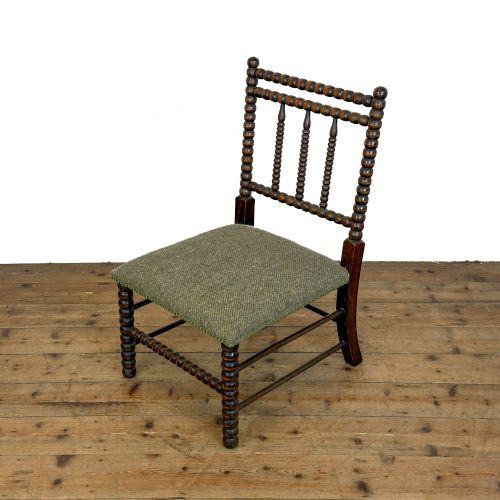
Seating surfaces utilise traditional methods including cane webbing, tight leather, and sprung upholstery covered in velvet, fabric, or tapestry. Structural elements range from turned bobbin legs and faux bamboo turnings to elegant gilt legs and scroll backs.
Victorian Occasional Seat Retail Price Guide 2026
Typical asking prices for victorian occasional seat among the pieces listed under this phrase on Sellingantiques today, from the lower quarter to the upper quarter. They describe what is for sale here now, not the wider market.
The listings on this site span walnut, mahogany, oak, and brass materials across Victorian and Edwardian periods.
Craftsmanship and Proportion
Quality rests in the crispness of the hand-carved woodwork and the integrity of the timber frame, distinguishing robust architectural pieces from lighter decorative examples. Superior specimens display refined joinery, well-balanced proportions, and sophisticated stylistic details such as pierced splats.
The sophistication of the upholstery application and the preservation of original materials elevate certain examples above standard utility pieces. Distinctive design attributes, from aesthetic movement ebonisation to intricate walnut carving, separate exceptional seating from simpler utilitarian forms.
Liberty And Co·E W Godwin
The Victorian Occasional Seat Glossary
- Nursing chair
- A low-seated Victorian chair originally designed for comfort and ease while nursing infants near the hearth.
- Slipper chair
- A low-profile bedroom chair constructed without arms to facilitate putting on shoes and slippers.
- Pierced splat
- The central vertical wooden strip of a chair back that has been carved or cut through to create decorative open patterns.
- Bobbin chair
- A nineteenth-century seating form featuring turned wooden components resembling spools or bobbins threaded together.
- Caned seat
- A woven mesh seating surface constructed from split rattan cane, common in light bedroom and salon chairs.
Victorian Occasional Seat: Frequently Asked Questions
What distinguishes a nursing chair from a regular side chair?
Nursing chairs sit noticeably lower to the ground and often feature supportive upholstered backs designed for relaxed sitting in domestic chambers.
Standard side chairs maintain higher seats and upright frames intended for dining or general hallway use.
Where were occasional seats placed in nineteenth-century homes?
These versatile pieces served in bedrooms, dressing rooms, reception halls, and drawing rooms where extra seating was needed temporarily.
Their compact proportions allowed them to move easily between spaces as required by household activities.
How do you identify an Aesthetic Movement chair?
Aesthetic Movement pieces often feature ebonised wood finishes, clean linear forms, and design influences drawn from Japanese art.
They reject heavy Victorian ornamentation in favour of artistic simplicity and refined proportion.