


Victorian Oak Stand
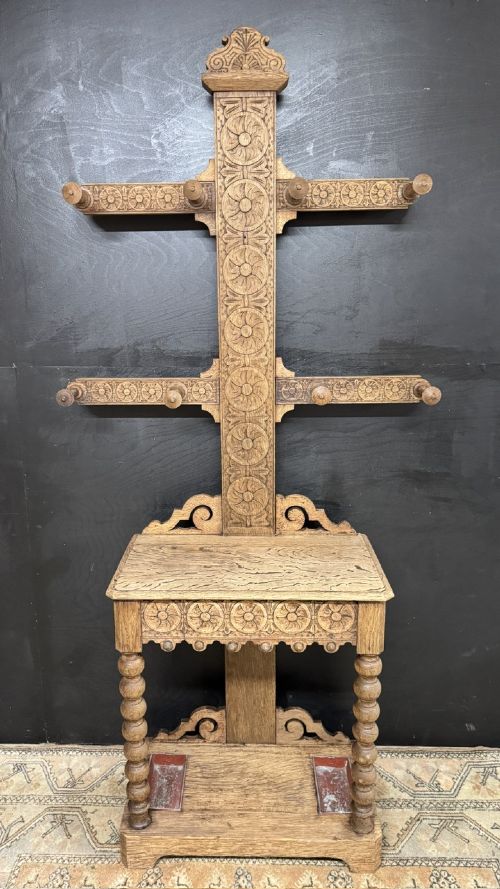
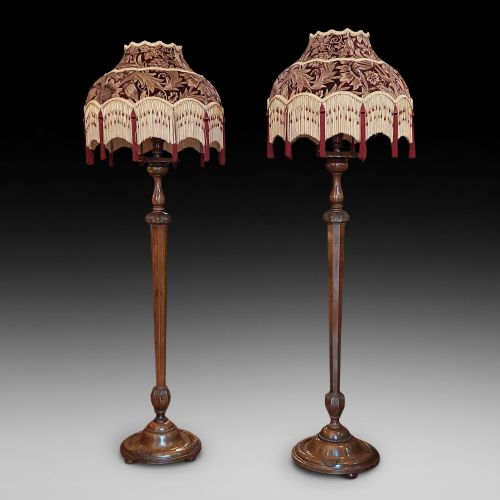
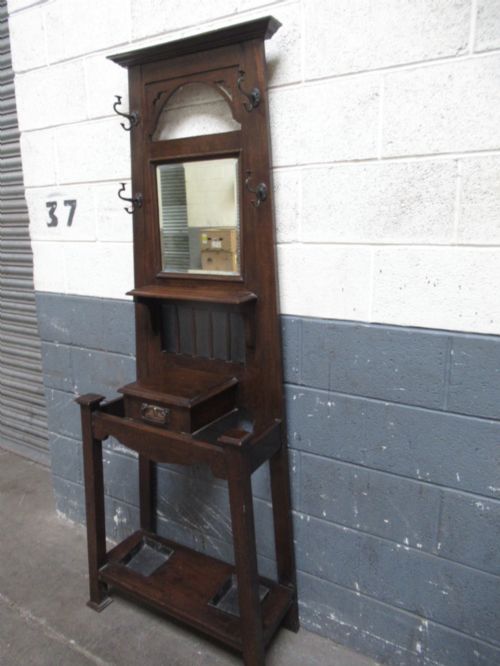
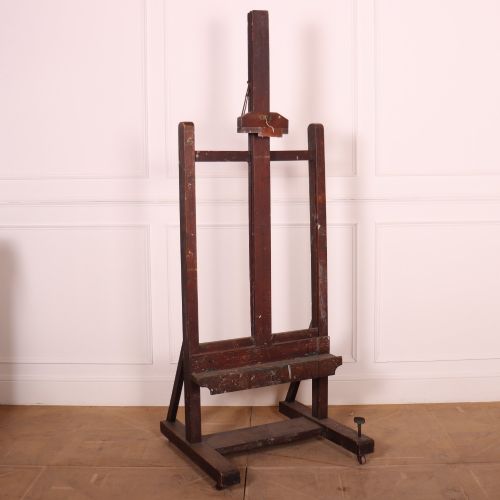
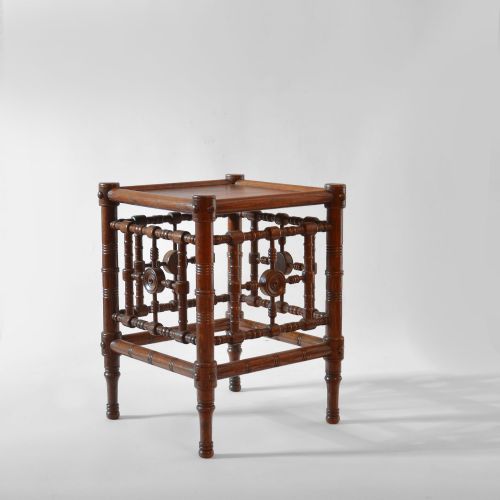
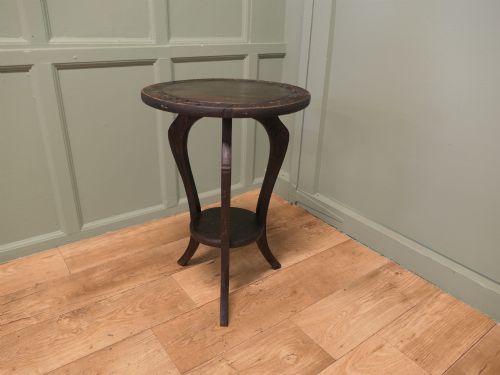
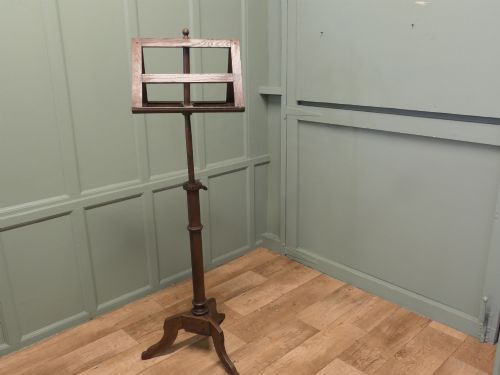
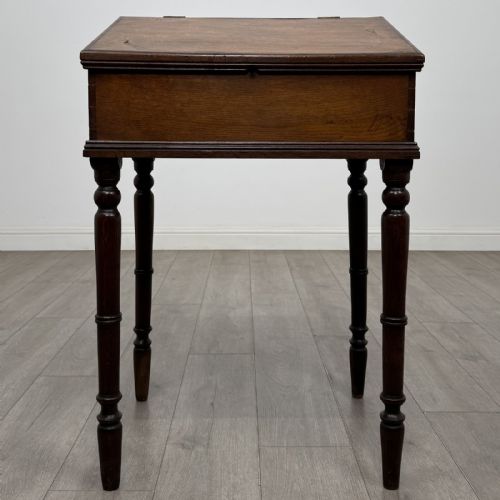
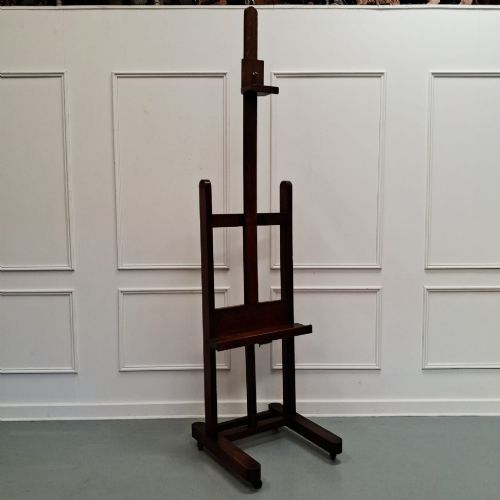
These Victorian oak stand examples range from stick holders to plant displays, bringing solid nineteenth-century timber into the hallway or parlour.
Victorian Oak Stand
A victorian oak stand encompasses functional hall furniture, umbrella holders, and small display tables designed for nineteenth-century domestic life. Buyers seeking this phrase encounter sturdy timber forms intended for daily utility in entrance halls and living spaces.
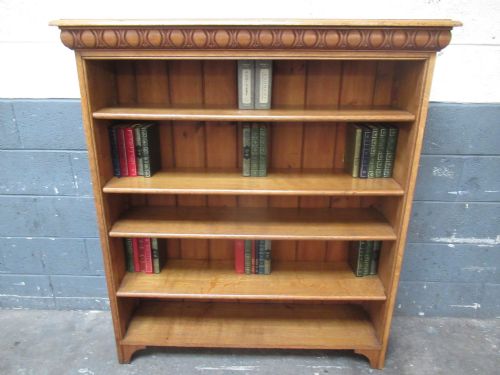
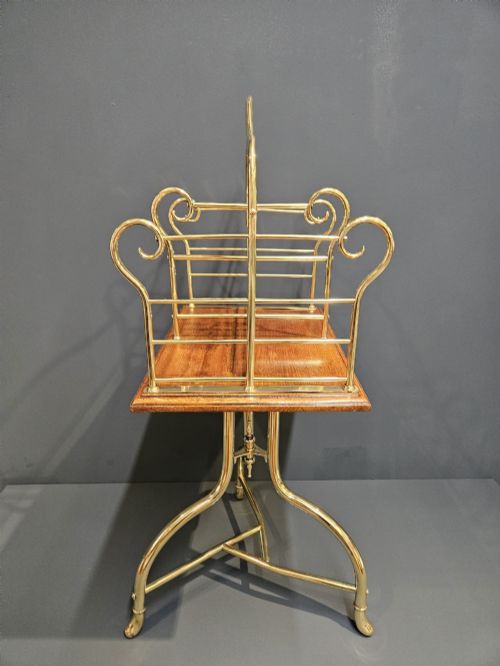
The selections on this page lean heavily toward utilitarian hall furniture, plant supports, and book or magazine holders. These pieces reflect the Victorian and Edwardian preference for domestic organisation combined with decorative carved detail.
Makers and manufacturers produced these stands in various regional styles, including Gothic Revival and Arts and Crafts interpretations. Solid oak construction ensures that hall stands, umbrella racks, and plant supports survive in functional condition today.
Judging quality in oak stands
The distinction between ordinary utility items and superior pieces rests on the depth of the carving and the selection of timber figure. Plain, utilitarian boards contrast with richly figured oak and crisply executed relief work.
Hardware integration separates standard items from finer examples, particularly where cast brass drip pans, heavy coat hooks, and original hinges remain intact. Structural integrity and minimal timber shrinkage indicate careful seasoning of the original wood.
Victorian Oak Stand Retail Price Guide 2026
Typical asking prices for victorian oak stand among the pieces listed under this phrase on Sellingantiques today, from the lower quarter to the upper quarter. They describe what is for sale here now, not the wider market.
Gillows·GM Elwood for JS Henry
The Victorian Oak Stand Glossary
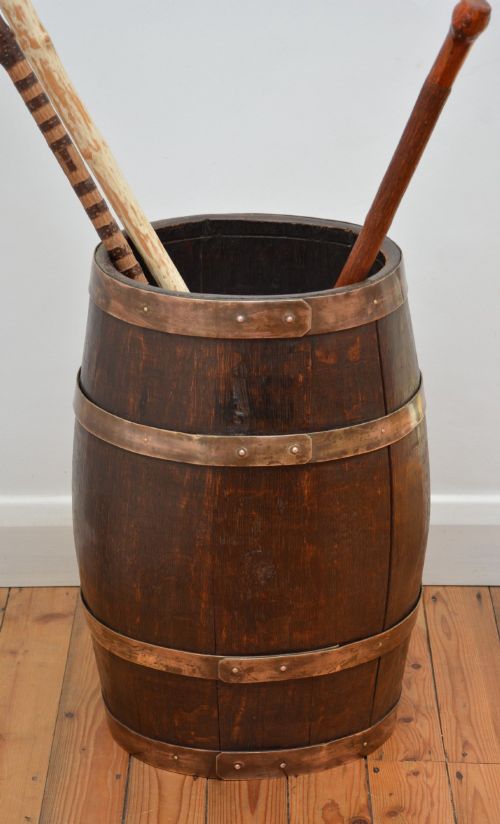
- Coopered
- Built using narrow staves of wood bound by metal bands, similar to barrel construction. This technique appears frequently in cylindrical umbrella and stick stands.
- Barley twist
- A turning technique producing a spiral rope-like column on table legs or vertical supports. It became popular in late nineteenth-century furniture design.
- Gothic Revival
- A nineteenth-century architectural and decorative style inspired by medieval forms. It manifests in pointed arches, heavy tracery, and formal rigidity.
- Arts and Crafts
- A design movement valuing handcraftsmanship, simple construction, and vernacular traditions over mass production. Pieces from this movement often display honest joinery and minimal ornamentation.
- Tantalus
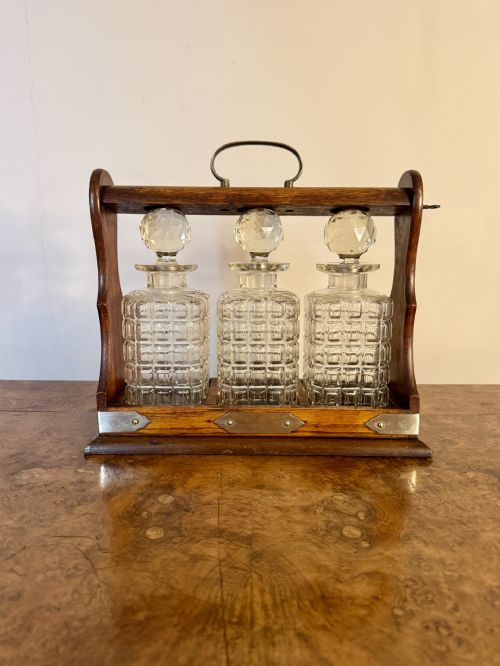
- A locked cabinet holding decanters, designed to display the bottles while preventing unauthorised access to the contents. Some examples incorporate oak frames with brass locking mechanisms.
Victorian Oak Stand: Frequently Asked Questions
What rooms suit a Victorian oak stand?
These pieces fit naturally in entrance halls, boot rooms, and living spaces where practical storage matters. Hall stands and umbrella holders serve their original purpose near an entryway, while smaller plant or lamp stands occupy corners in reception rooms.
Selecting the right scale ensures the furniture complements rather than crowds the room. Hall stands require adequate wall space and clearance for coats and hats, whereas compact tripod tables fit easily beside armchairs.
How do I care for antique oak furniture?
Maintaining nineteenth-century oak involves keeping pieces away from direct heat sources and sudden temperature shifts that cause timber to split. Regular dusting with a dry cloth preserves the finish without building up heavy wax layers.
Occasional application of traditional beeswax nourishes the grain and protects the surface from moisture. Avoiding synthetic cleaning sprays prevents damage to the original polish and patina.
How do I distinguish Gothic Revival from Arts and Crafts styles?
Gothic Revival pieces draw heavily on medieval ecclesiastical architecture, featuring pointed arches, heavy mouldings, and formal symmetry. They project an imposing architectural presence suited to formal Victorian interiors.
Arts and Crafts pieces emphasise simplified functional lines, visible construction details, and hand-worked surfaces. They reject excessive ornamentation in favour of honest materials and restrained utility.
Were these stands made for specific uses?
Makers designed specific forms for particular domestic tasks, such as umbrella racks for wet weather gear and hall stands for hats, coats, and walking sticks. Other variations served as pedestals for decorative plants or reading stands for heavy volumes.
Multi-functional pieces combined seating with umbrella storage and mirror panels to maximise utility in compact Victorian hallways. This reflects the period's emphasis on organised, purposeful domestic spaces.