



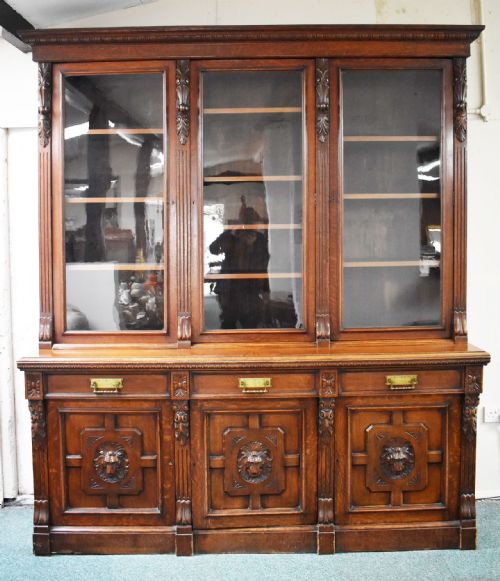
Victorian Oak Glazed Cabinet
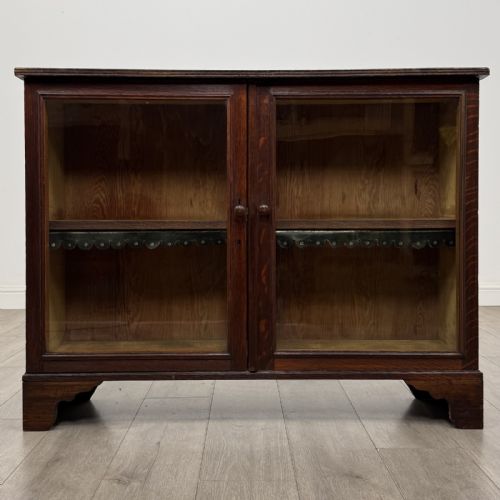
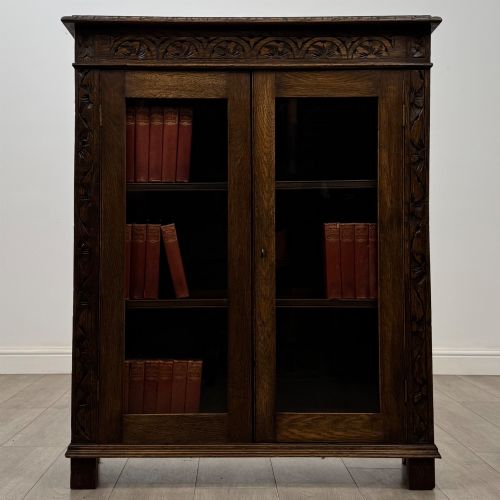
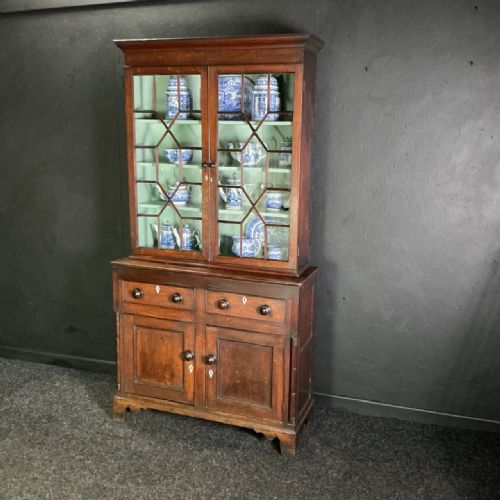
A victorian oak glazed cabinet brings solid timber and fitted glass into a room to hold books and china.
Victorian Oak Glazed Cabinet
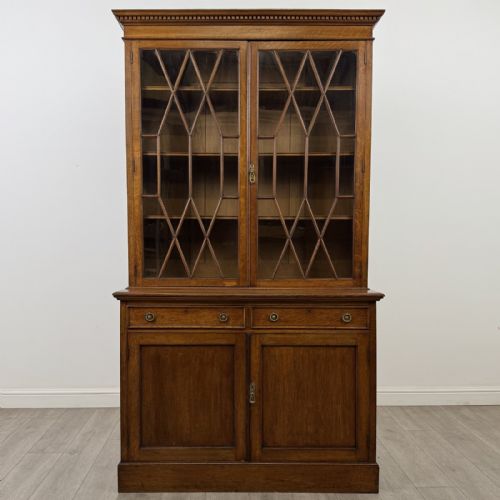
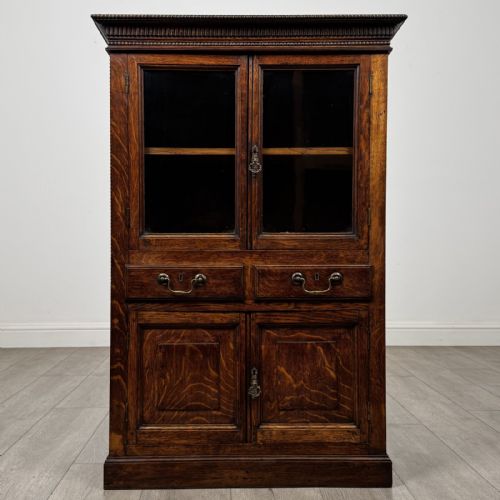
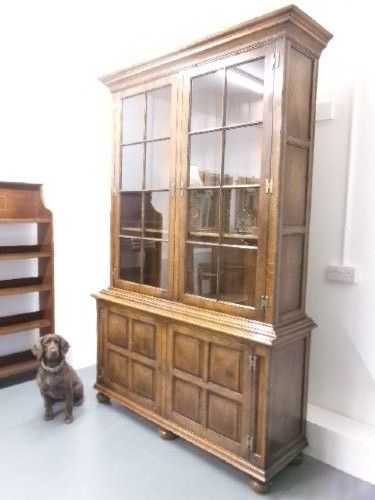
A victorian oak glazed cabinet spans tall library bookcases, smaller display pieces, and corner cupboards built during the nineteenth century. These items originate primarily from English and Welsh workshops, taking forms that served domestic studies, libraries, and reception rooms.
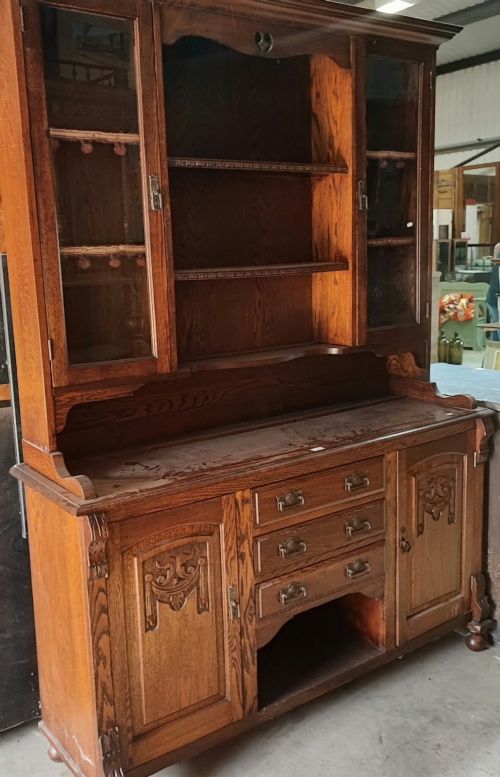
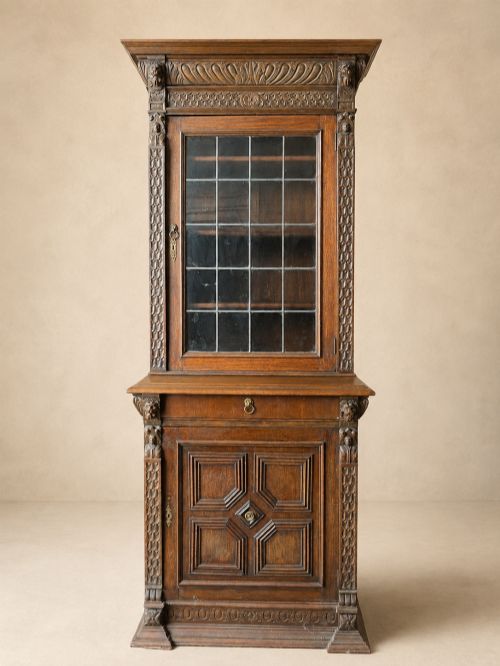
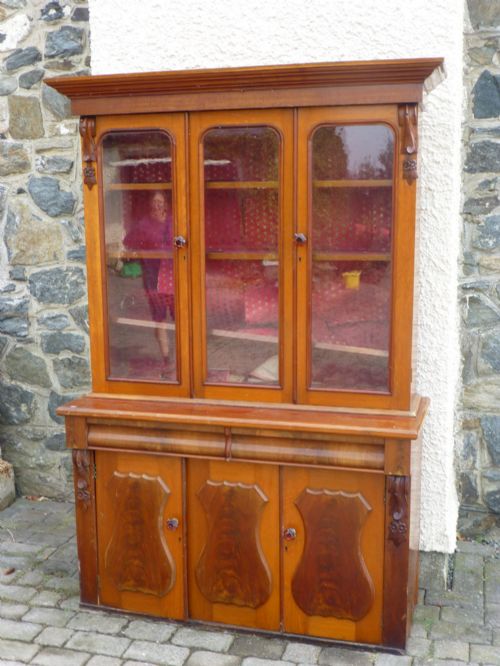
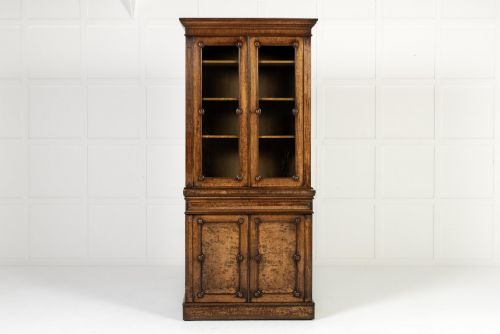
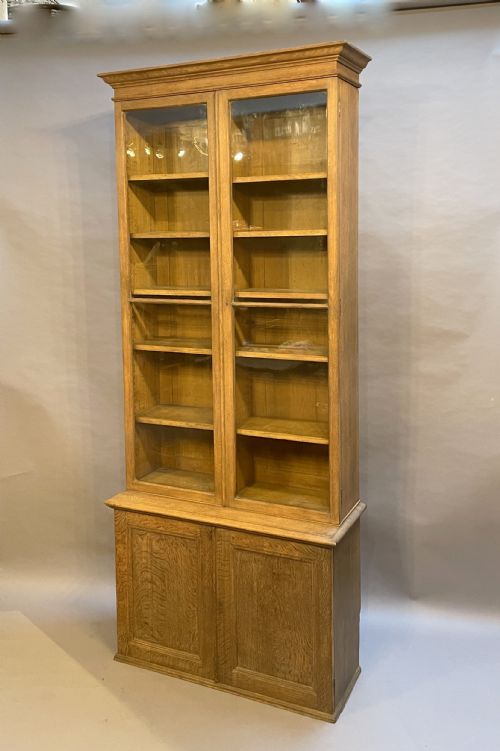
The version most commonly met on this page is the bookcase or display cabinet featuring glazed upper doors above a cupboard base, frequently ornamented with carved details or dentil cornices. Pieces span various decades of the Victorian era, alongside related examples from the Arts and Crafts period and Gothic Revival styles.
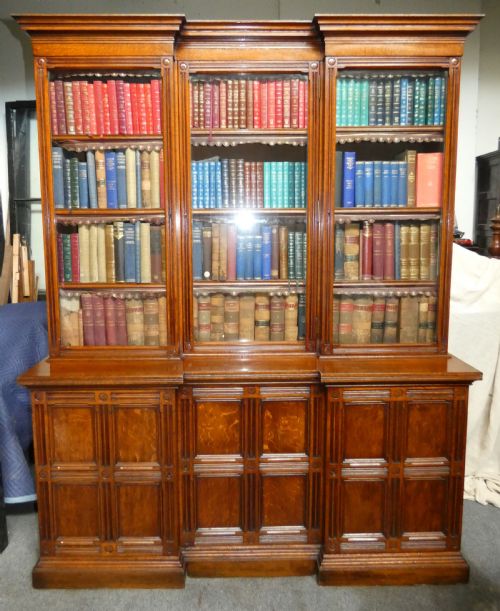
Makers utilised native timber to construct substantial furniture intended for daily utility and display. Buyers encounter formats ranging from slender single-door cabinets to monumental breakfront libraries.
Materials and Construction
Makers constructed these cabinets using solid oak, occasionally selecting figured timbers such as pollard oak or tiger oak for visual depth. Glass panels were glazed into wooden frames to protect contents while maintaining visibility.
Secondary materials included brass for handles, panels, and hinges, alongside occasional mahogany or ebonised wood details. Structural assembly relied on traditional joinery, housing adjustable shelves and fitted cupboards within carved frameworks.
At least one cabinet incorporates historic timber rescued from a royal yacht.
Design and Execution
The top of the range is distinguished by sculptural ambition, seen in deep relief carving, breakfront proportions, and the use of pollard oak veneers. Finer pieces demonstrate careful timber selection where grain patterns match across doors and cornices.
Execution of detail separates workshop output, from simple dentil cornices to intricate tracery found on Gothic Revival examples. Cabinets bearing maker attribution or provenance typically display superior architectural cohesion.
Howard and Sons·Morris and Co·George W Jack·Harris Lebus
The Victorian Oak Glazed Cabinet Glossary
- Dentil cornice
- A projecting ornamental moulding decorated with a series of small square blocks resembling teeth. This architectural feature frequently crowns the top of large bookcases.
- Pollard oak
- Timber taken from trees that were pollarded, producing a heavily gnarled grain pattern with rich figuring. Cabinet makers utilised this decorative wood for prominent panel surfaces.
- Breakfront
- A cabinet design where the central section projects forward from the flanking wings. This format adds architectural weight and depth to large library bookcases.
- Gothic Revival
- A nineteenth-century architectural and decorative style drawing on medieval forms. Pieces display pointed arches, tracery, and heavy carved ornamentation.
- Secretaire
- A desk form incorporating a pull-down writing flap concealing small drawers and pigeonholes. It often forms the middle section of a bookcase combination.
Victorian Oak Glazed Cabinet: Frequently Asked Questions
How do I clean the glass?
Use a gentle glass cleaner applied to a cloth rather than sprayed directly onto the pane, preventing moisture from reaching the old wooden muntins.
Ensure no liquid seeps behind the putty or glazing bars, as nineteenth-century bindings can be fragile.
Can shelves be adjusted?
Many Victorian bookcases were manufactured with adjustable shelving systems utilising wooden ratchets or metal supports.
Care must be taken when altering shelf heights to avoid damaging the interior veneered linings.
Where should I place it?
Position the cabinet away from direct sunlight and radiators to prevent the oak timber from drying and splitting.
Solid wood furniture requires stable ambient temperatures to keep doors hanging straight within their frames.
How do I identify Gothic Revival?
Look for architectural motifs such as pointed arches, quatrefoils, and heavy carved tracery set into the glazed doors.
These pieces reflect nineteenth-century revivals of medieval design principles applied to domestic storage.