



Victorian Oak Coal Bucket
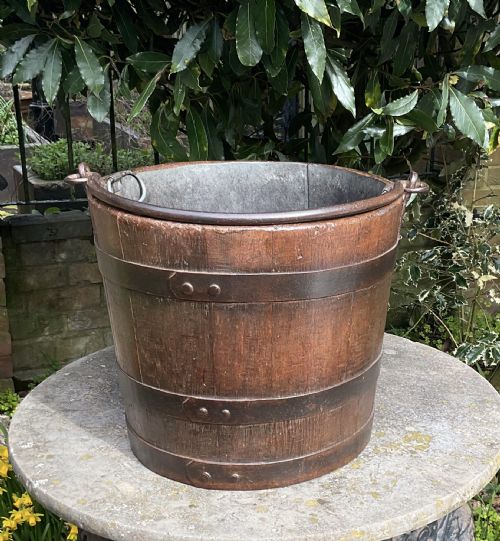
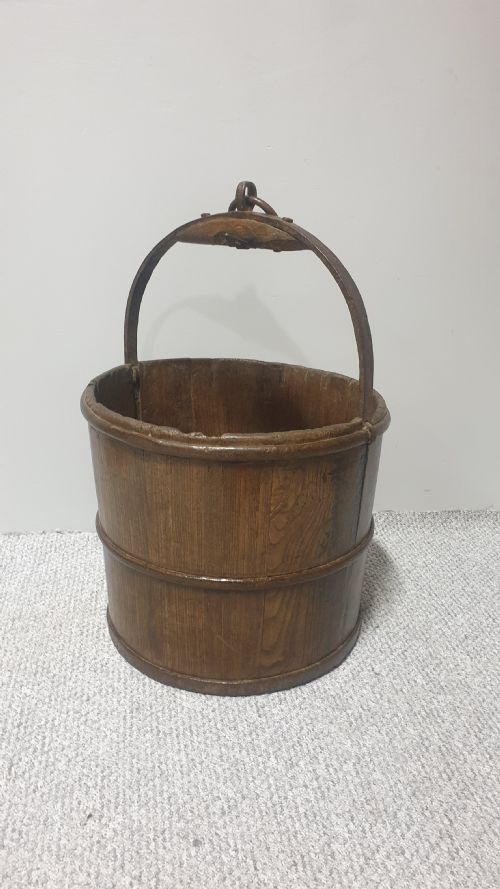
A victorian oak coal bucket brings honest utility to the hearth, combining heavy timber with metal fittings for everyday fireside service.
Victorian Oak Coal Bucket
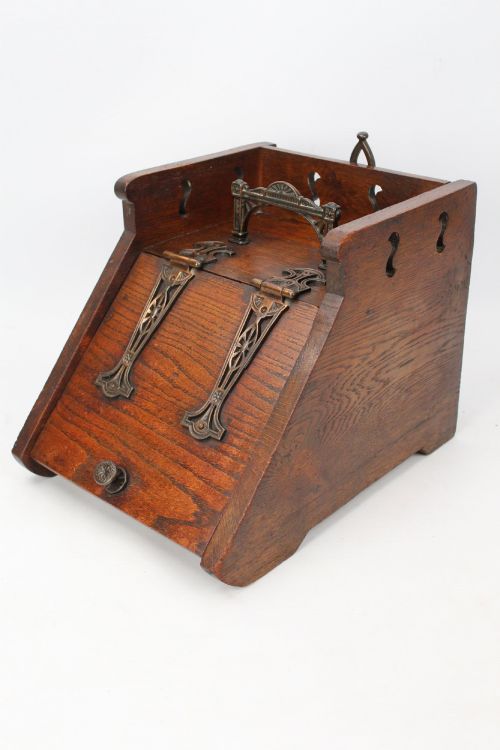
A victorian oak coal bucket serves as a robust container designed to hold fuel beside an open fire. These pieces emerge primarily from the Victorian period, along with examples from the late nineteenth century and Edwardian years.
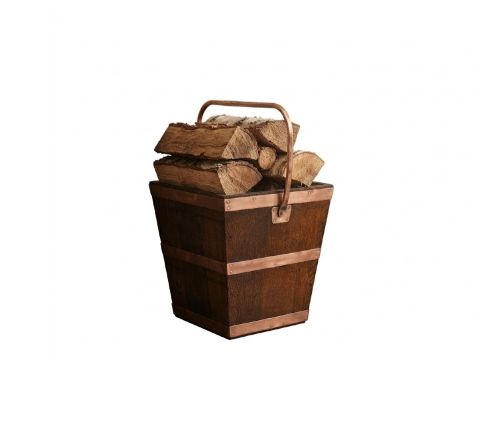
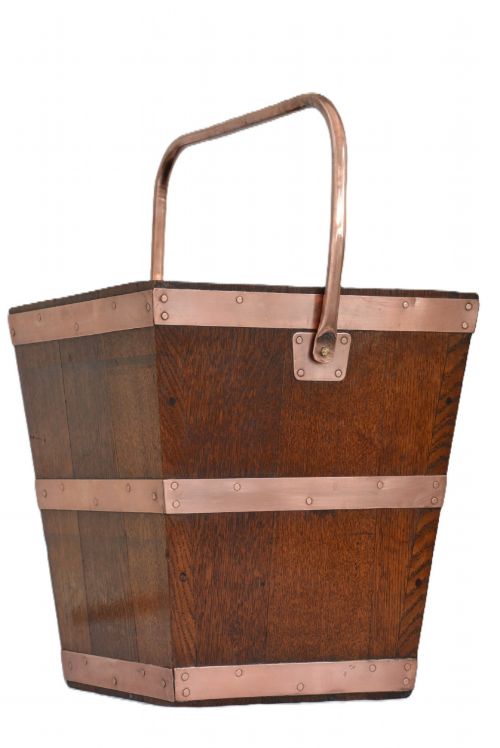
The form appears in various shapes including traditional log bins, purdoniums, scuttles, and plain wooden buckets. Many examples incorporate metal linings or inserts of zinc to handle the weight and grime of coal and peat.
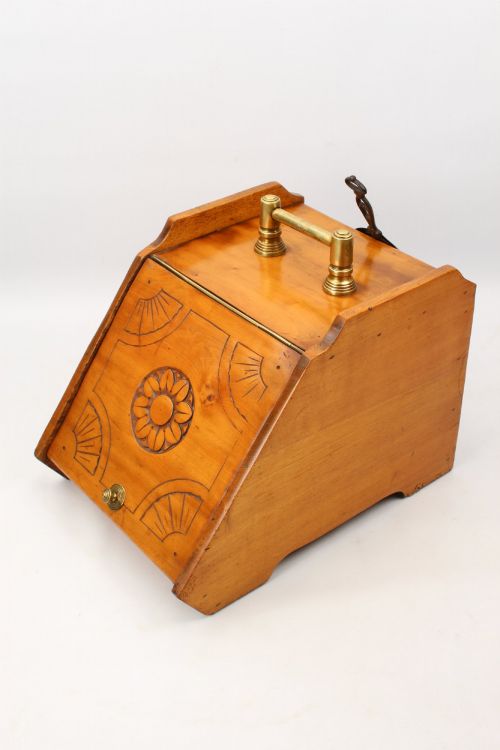
Makers utilised solid oak alongside contrasting mounts of brass, iron, and copper. Pieces range from simple coopered staves to carved boxes featuring drop handles and matching shovels.
How they were made
The construction relies heavily on traditional coopering and cabinet-making techniques suited to heavy domestic duties. Woodworkers shaped solid oak into staves bound by metal hoops or assembled rectangular boxes with carved fronts and panelled sides.
Metalworkers added functional hardware such as brass handles, iron swing bails, and armorial crests to finish the pieces. Interior protection came from removable zinc or metal liners designed to contain moisture and coal dust.
Victorian Oak Coal Bucket Retail Price Guide 2026
Typical asking prices for victorian oak coal bucket among the pieces listed under this phrase on Sellingantiques today, from the lower quarter to the upper quarter. They describe what is for sale here now, not the wider market.
Listings feature items built from oak, brass, iron, copper, and zinc, spanning the Victorian period through to nineteen hundred.
What varies in quality
Quality rests on the thickness of the timber and the integrity of the metal mounts. Superior examples display crisp hand-carving, tight coopered joints, and heavy gauge brass rather than thin stamped sheet metal.
The presence of original fitted liners, matching shovels, and maker attributions elevates a piece above standard utility items. Simple vernacular buckets rely on honest construction, whereas finer items show deliberate decorative ambition through brass mounting and carved detailing.
Bowman Bros
The Victorian Oak Coal Bucket Glossary
- Purdonium
- A specialised coal box or cabinet featuring a hinged sloping front for easy shovelling. These often conceal a metal liner and include a dedicated space for a shovel.
- Coopering
- The historic craft of assembling staves of wood held together by tight metal hoops to form watertight or heavy-duty cylindrical containers. This method provides immense structural strength to buckets and log bins.
- Hod
- A trough-shaped or deep container designed for carrying coal or peat to the hearth. These typically feature a sturdy handle for balanced lifting.
- Armorial crest
- A heraldic design or badge engraved or mounted onto metalwork. Such decoration often indicates military, institutional, or specific familial provenance.
Victorian Oak Coal Bucket: Frequently Asked Questions
How do I clean an oak coal bucket?
Maintenance requires removing the interior metal liner for washing rather than soaking the exterior wood. Wipe the oak surfaces with a dry cloth and apply occasional beeswax to nourish the grain.
Polish brass and copper fittings sparingly to preserve their age and character. Avoid using harsh chemical cleaners near antique timber.
Were these used only for coal?
While intended primarily for coal, many examples served as log bins or peat buckets. The sturdy construction and metal liners made them versatile containers for various types of hearth fuel.
Larger cylindrical buckets often functioned as fire buckets in maritime or institutional settings. Today, owners frequently repurpose them as umbrella stands or general storage bins.
How do I date a wooden coal bucket?
Dating relies on examining construction methods, wood types, and metal hardware styles. Pieces from the mid nineteenth century often display hand-cut joinery and heavy iron fittings, while Edwardian items may show machine-planed boards.
Stylistic cues such as Arts and Crafts carvings or specific brass mounts help narrow the decade of production. Documentation like maker stamps or armorial crests also aids in verification.