


Victorian Oak Coal Box
These victorian oak coal box pieces bring sturdy nineteenth-century utility to the hearth, built to hold fuel with considerable architectural weight and presence.
Victorian Oak Coal Box
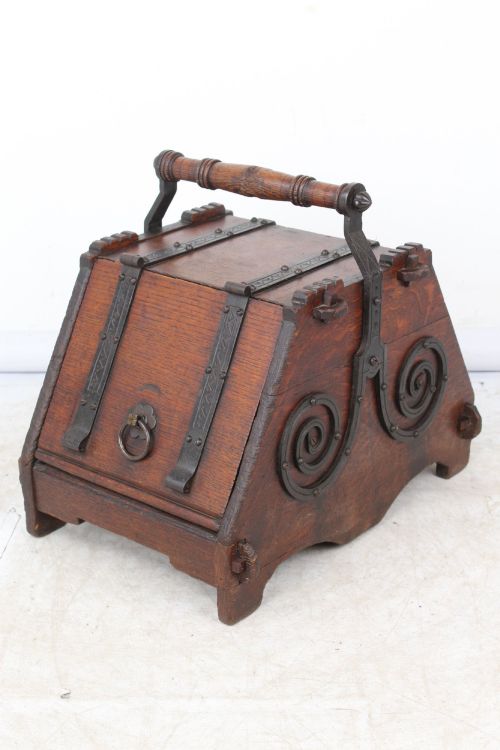
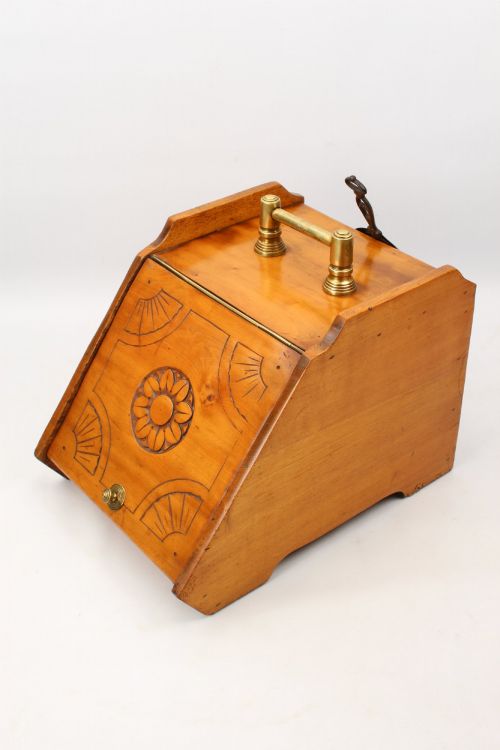
A victorian oak coal box takes several distinct forms by the fireside, appearing most frequently as standard scuttles, purdoniums, and front-opening boxes designed for domestic hearths. The evidence shows production running through the nineteenth century and into the Edwardian era, spanning the 1850s to about 1900.
Makers produced these containers in diverse styles ranging from plain utilitarian timber to elaborate Gothic Revival pieces. Buyers also encounter novelty items such as railway coal wagon humidors alongside traditional coal scuttles and log bins.
Materials and construction
Construction relies primarily on oak, including pollard and burr variations, combined with metal components such as brass, iron, wrought iron, and copper. Many examples feature fitted metal or tin liners designed to contain coal dust and moisture.
Decoration incorporates carved wooden fronts, embossed copper panels, and heavy brass handles. Workshops often supplied matching shovels to accompany the boxes and scuttles.
Some Victorian manufacturers turned solid oak into miniature railway coal wagons to store smoking tobacco instead of coal.
Craftsmanship and distinction
Quality separates through the depth and execution of carved ornament on the oak body, particularly on Gothic Revival and Green Man designs. Superior pieces display crisp detailing and robust hardware that withstand daily domestic use.
The survival of original metal liners and matching shovels distinguishes better-preserved examples. Choice timber selections like pollard oak or burr oak elevate the standing of the piece compared to plain utility versions.
Christopher Dresser
The Victorian Oak Coal Box Glossary
- Purdonium
- A specialised coal box featuring an angled front flap that drops forward to release fuel. This form typically incorporates an internal metal shovel compartment.
- Coal Scuttle
- A deep fireside container designed with a carrying handle over the top for transporting fuel to the grate. These often include a removable metal liner.
- Gothic Revival
- A nineteenth-century architectural and decorative style characterised by medieval motifs, pointed arches, and heavy carved woodwork. Pieces in this taste display vigorous ornamentation.
- Humidor
- A lined storage box adapted in novelty designs to resemble miniature railway coal wagons. These containers served domestic tobacco storage rather than solid fuel.
- Pollard Oak
- Timber taken from trees that have been pollarded, producing dense grain patterns with distinctive clustered knots. Cabinet makers utilised this decorative wood for fine fireside boxes.
Victorian Oak Coal Box: Frequently Asked Questions
How do I use one today?
These boxes function well beside modern wood-burning stoves or open fireplaces to store kindling, logs, or coal. The internal metal liners make them practical for holding solid fuel without damaging the timber.
Alternatively, many buyers use larger examples as decorative storage bins for blankets or magazines in living spaces.
What is a Green Man carving?
A Green Man carving depicts a human face surrounded by or sprouting from foliage, representing rebirth and spring. This motif appears frequently on nineteenth-century Gothic Revival woodwork.
On fireside boxes, these carved faces add strong sculptural character to the oak front panels.
Are these boxes original?
The listings span the Victorian and Edwardian periods, constructed using period timbers and traditional joinery methods. Many retain their original brass handles, hinges, and metal liners.
Examination of the internal construction and wood ageing helps confirm the nineteenth-century manufacture date of each piece.