
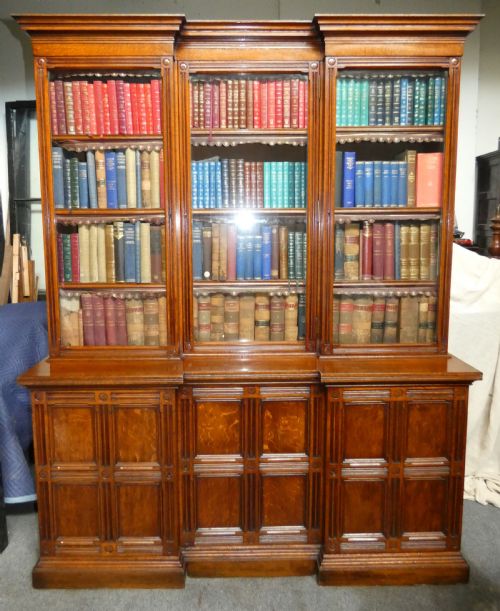
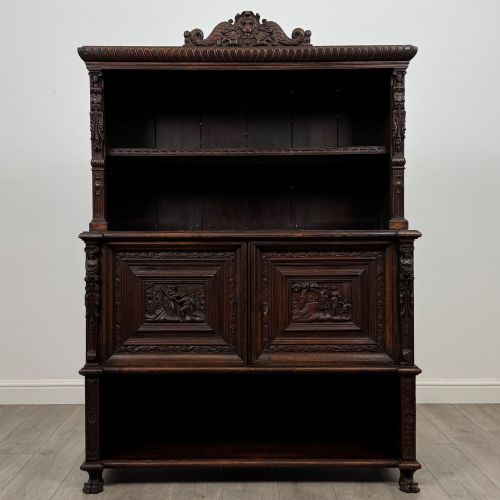
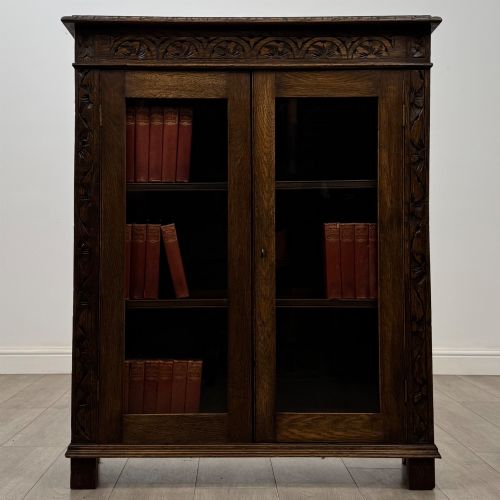
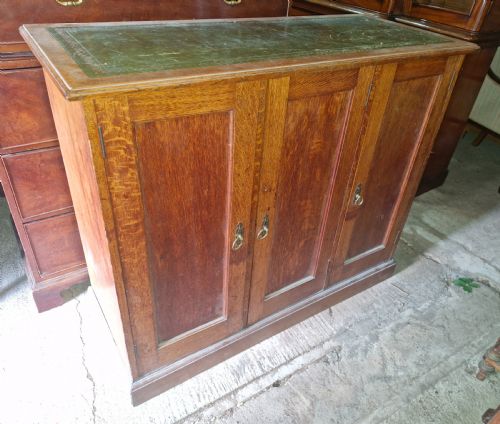
Victorian Oak Bookcase Cupboard
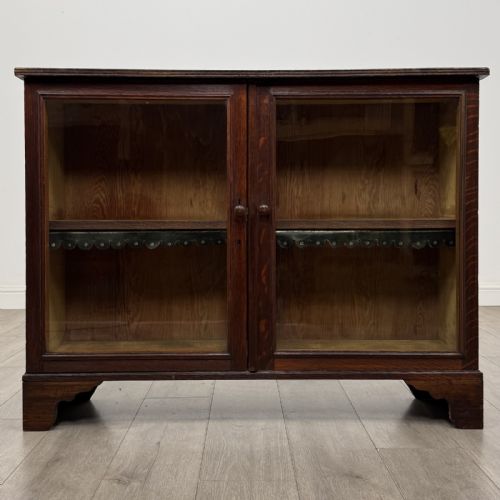
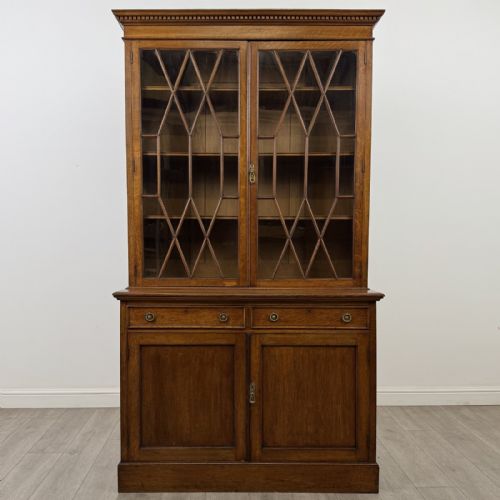
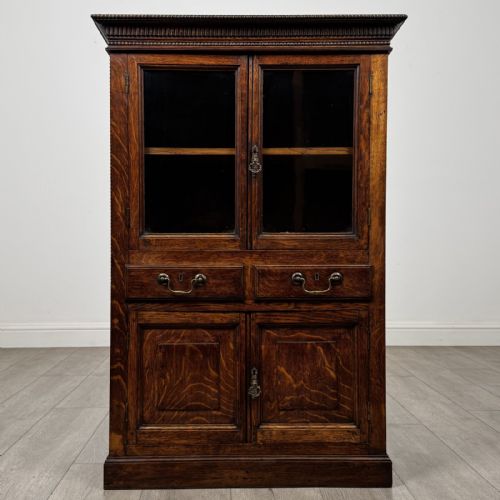
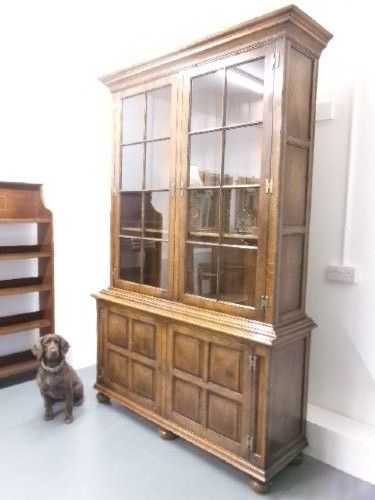
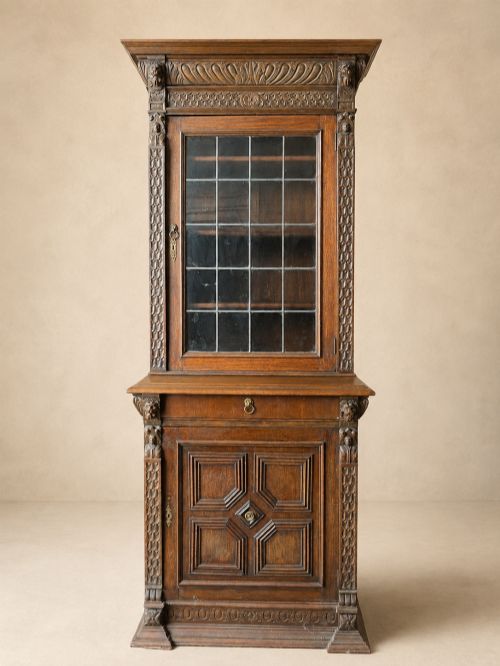
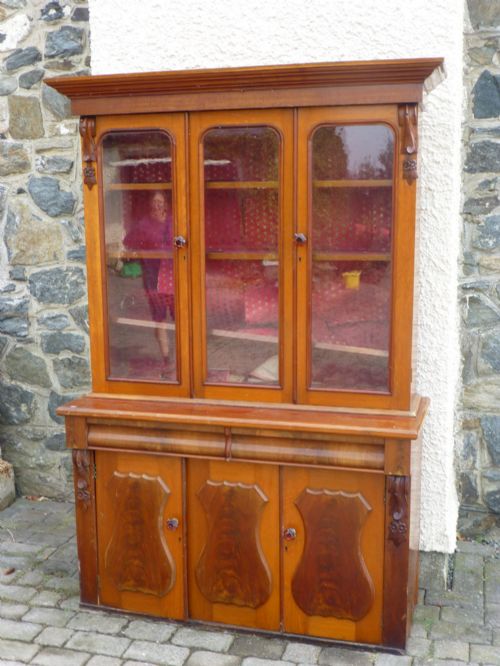
A Victorian oak bookcase cupboard combines shelved display space with enclosed storage, offering a sturdy architectural presence suited to libraries and studies.
Victorian Oak Bookcase Cupboard
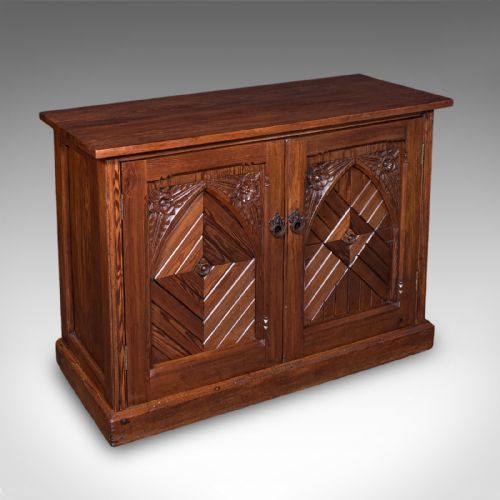
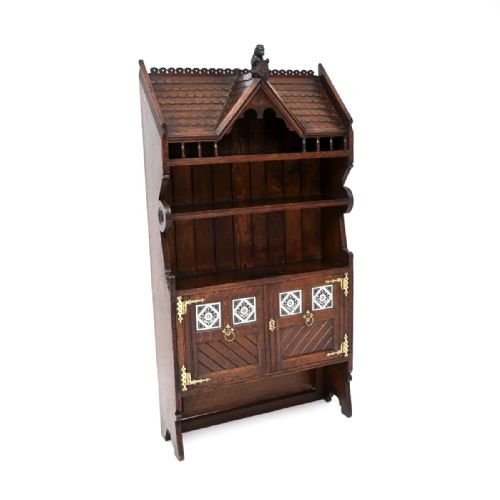
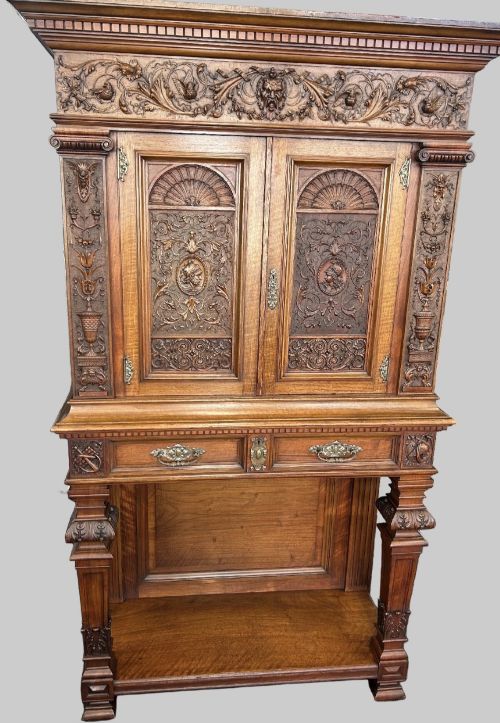
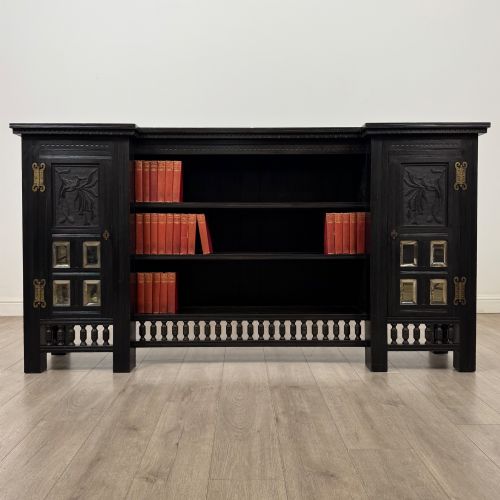
A Victorian oak bookcase cupboard brings together upper shelving for volumes and lower cabinet doors for concealed storage, uniting two functional forms into a single tall unit. The pieces found here date predominantly from the nineteenth century, including Victorian, Gothic Revival, and Renaissance Revival examples.
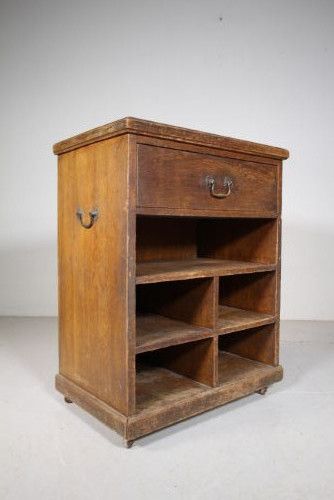
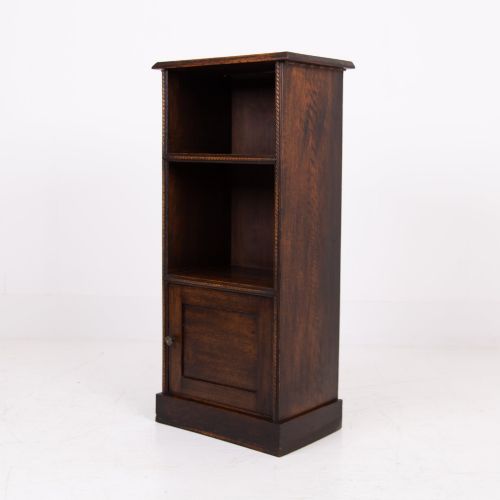
Most items combine a glazed or open upper section with a wooden cupboard base, though variations range from compact bedside units to monumental library bookcases and Welsh dressers. Timber selection spans standard oak alongside golden oak, pollard oak, and occasional combinations with mahogany or pine.
Makers and designers working in these styles include notable cabinet-making firms and artists such as John Moyr Smith, Gillows, and Howard & Sons, reflecting the diverse production standards of the period.
Materials and construction
Construction relies heavily on solid oak and pollard oak, frequently enhanced with glass for glazed doors, brass for hardware, and occasional lead work. Carved ornamentation, dentil cornices, and architectural mouldings define the surface treatment across both regional English pieces and continental imports.
Interior fittings often incorporate adjustable shelves within the upper bookcases, while lower storage cupboards utilise panelled or carved doors secured with iron and brass fittings. Secondary timbers such as pine and mahogany appear in internal linings and structural framing.
Listings span the nineteenth century, featuring oak, pollard oak, mahogany, glass, brass, and iron across various revival styles.
Judging quality
Quality reveals itself in the depth and crispness of the carved details, the selection of figured oak veneers such as pollard oak, and the architectural proportion of cornices and pilasters. Pieces by recorded workshops demonstrate superior joinery and thoughtful integration between the upper display and lower cupboard sections.
The choice of secondary timbers, the regularity of hand-cut joints, and the retention of original brass and glass components further distinguish standard utility furniture from exceptional library pieces.
John Moyr Smith·Gillows·Howard & Sons
The Victorian Oak Bookcase Cupboard Glossary
- Dentil cornice
- A decorative horizontal moulding featuring a repeating series of small rectangular blocks. It frequently tops the upper section of Victorian bookcases.
- Pollard oak
- Timber taken from trees that have been pollarded, producing a highly figured and mottled grain pattern. Cabinet makers valued this wood for decorative door panels.
- Breakfront
- A piece of furniture where the central section projects forward from the flanking wings. This architectural layout adds depth to large library bookcases.
- Pier cabinet
- A low cabinet designed to fit against the narrow wall space between windows. These pieces often feature glazed doors for the display of ceramics or books.
- Gothic Revival
- A nineteenth-century design movement drawing inspiration from medieval architecture. Pieces in this style typically incorporate pointed arches, trefoils, and heavy carved mouldings.
Victorian Oak Bookcase Cupboard: Frequently Asked Questions
How do I adjust the shelves?
Many Victorian bookcases feature adjustable wooden shelves supported by fixed vertical racks or wooden pegs housed within internal grooves.
Carefully tilt each shelf to clear the supports before repositioning them to accommodate volumes of varying heights.
Are the upper and lower sections separate?
Most large library pieces separate horizontally into an upper bookcase and a lower cupboard base to facilitate transport and placement.
Smaller cupboards and display cabinets generally arrive as single, integrated units constructed with permanent carcases.
What is pollard oak?
Pollard oak derives from trees pruned close to the trunk, which forces dense, swirling growth rings across the timber surface.
Cabinet makers utilised these highly decorative veneers on prominent panels to catch the light in formal rooms.
How do I identify Gothic Revival pieces?
Gothic Revival examples display architectural motifs borrowed from medieval buildings, including pointed arches, quatrefoils, and heavy carved mouldings.
These pieces frequently employ dark oak and substantial brass hardware to reinforce their medieval character.