


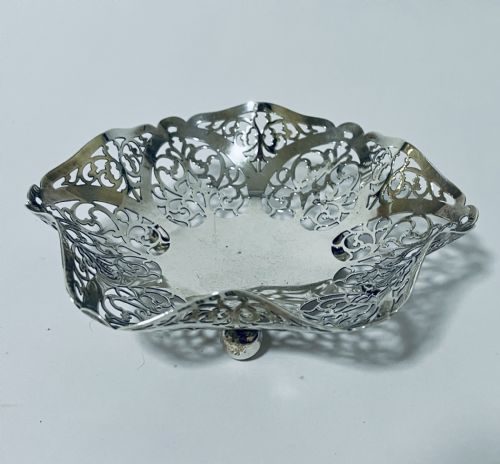


Victorian Nut Bowl
A victorian nut bowl is a tactile domestic vessel designed for cracking and serving nuts, built from dense hardwoods, silver, or horn to handle daily parlour use.
Victorian Nut Bowl
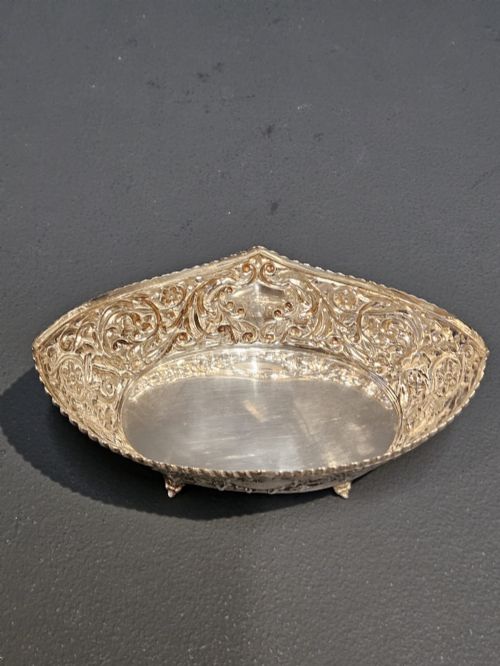
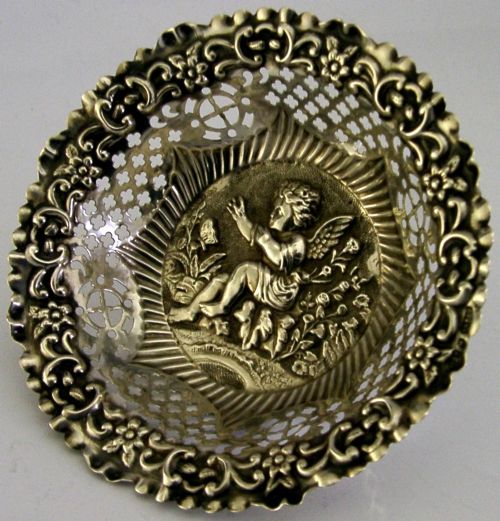
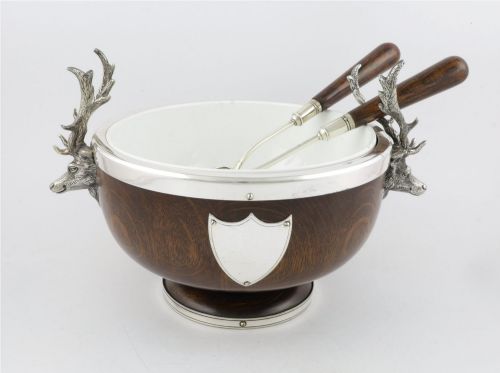
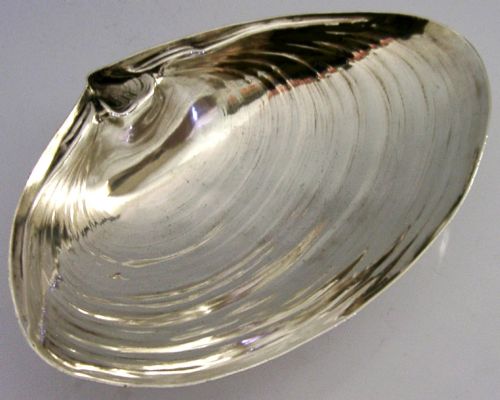
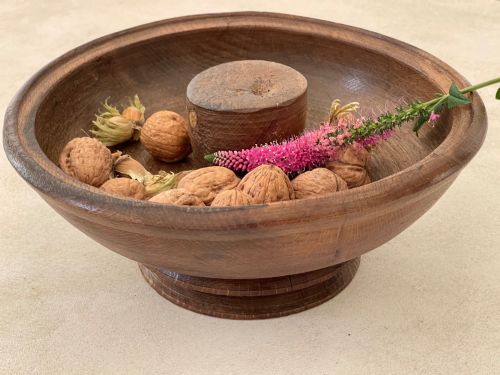
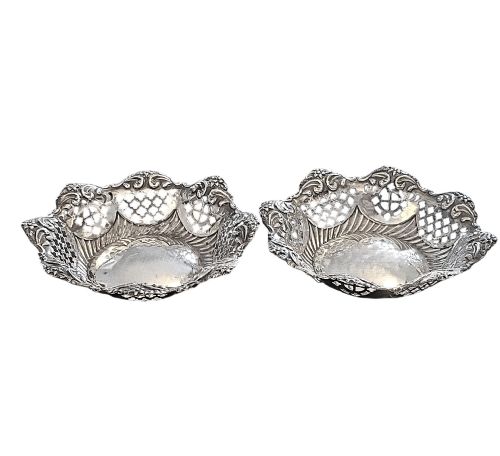
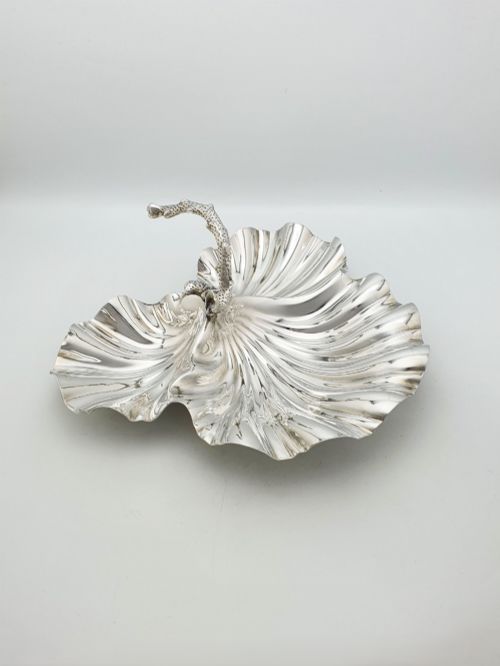
When you search for a victorian nut bowl, you encounter functional serving vessels and decorative dishes created during the nineteenth century and associated eras. The selection spans traditional turned treen timber bowls alongside silver shell dishes and horn vessels with metal mounts.
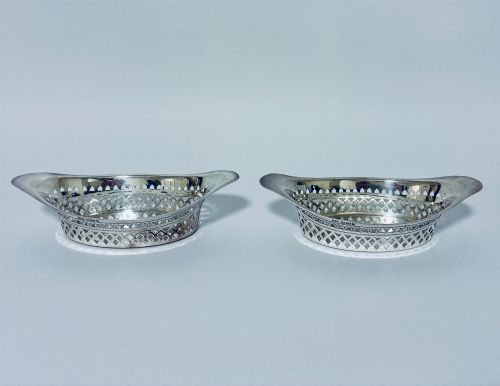
Most examples originate from the Victorian period, though related pieces stretch from the late nineteenth century into the Edwardian decades. These items often double as bonbon dishes, sweet dishes, or small decorative receptacles for the dining table and sideboard.
The forms vary from simple turned hardwood timber to elaborate sterling silver leaf and seashell shapes. Collectors find both English country treen and refined silver gilt receptacles within this category.
Materials and Construction
The construction relies heavily on turned oak and dense hardwoods for the treen bowls, shaped on a lathe to create deep, sturdy cavities. Metal examples utilise sterling silver and silver plate, frequently formed into naturalistic leaf and seashell contours.
Makers also incorporated organic materials like horn fitted with silver mounts, alongside cut glass and engraved brass. Surface decoration involves hand-carving, engraving, and gilding to accentuate the natural textures of timber and shell.
Victorian Nut Bowl Retail Price Guide 2026
Typical asking prices for victorian nut bowl among the pieces listed under this phrase on Sellingantiques today, from the lower quarter to the upper quarter. They describe what is for sale here now, not the wider market.
Materials found across these pieces range from sterling silver and silver plate to oak, horn, and green opaline glass.
Judging Quality and Execution
Quality rests upon the crispness of the hand-carving in the treen or the precision of the silversmith's chasing and repousse work. Superior pieces display clean joins, well-defined hallmarks, and balanced proportions that indicate skilled craftsmanship rather than mass production.
The choice of material heavily dictates the character of the piece, with solid sterling silver and figured hardwood representing the more substantial end of the range. Finer items retain their original gilding, clear hallmarks, and uncompromised structural integrity.
Mitchell Bosley Co Birmingham·Garrard London
The Victorian Nut Bowl Glossary
- Treen
- Small handmade wooden domestic objects and utensils. These items were typically turned on a lathe or carved by hand from local hardwoods.
- Sterling silver
- An alloy containing ninety-two point five percent silver by mass. This material was widely utilised for high-end Victorian tableware and dishes.
- Bonbon dish
- A small ornamental bowl designed for holding sweets or confectionery. They frequently appear in matching pairs or larger table sets.
- Silver gilt
- Silver objects that have been coated with a thin layer of gold on the surface. This technique provides a rich, warm tone to the interior of bowls and dishes.
- Electroplated nickel silver
- A base metal alloy coated with a layer of silver through an electrical process. It offered an affordable alternative to solid sterling silver items.
Victorian Nut Bowl: Frequently Asked Questions
What were victorian nut bowls used for?
These vessels served walnuts, hazelnuts, and other hard-shelled kernels during formal dinners and informal family gatherings. They sat centrally on tables, often paired with dedicated nutcrackers.
Over time, their uses expanded to hold sweets, small fruits, and confectionery as dining customs shifted through the nineteenth century.
How do I care for wooden nut bowls?
Keep wooden treen vessels away from direct heat sources and dramatic humidity changes to prevent the timber from splitting. Treat the surface occasionally with food-safe mineral oil to nourish the grain.
Avoid submerging antique wooden bowls in water or placing them in dishwashers, opting instead for a gentle wipe with a damp cloth.
Are silver dishes marked with hallmarks?
Most solid silver examples feature standard assay office marks, maker's initials, and date letters stamped into the metal. These small stamps reveal the exact town of origin and the year of manufacture.
Silver-plated items carry different marks, such as EPNS, which denote electroplated nickel silver rather than solid precious metal.
How do I date an antique bowl?
Dating relies on a combination of hallmarks on silver components, the style of the hand-carving, and the inherent characteristics of the material. Victorian pieces often display distinct naturalistic motifs like leaves and shells.
Comparing the manufacturing technique and wear patterns to documented examples helps narrow down the period of production.