
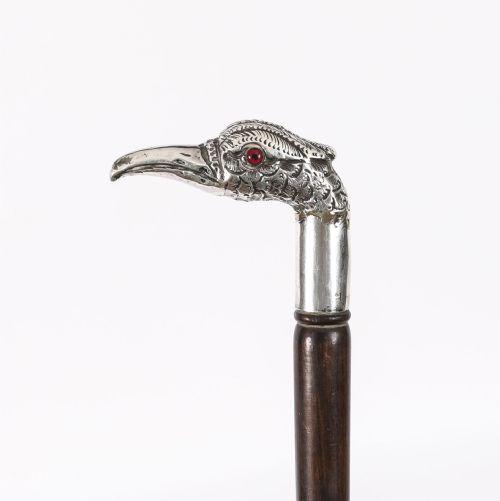


Victorian Novelty Walking Cane
A victorian novelty walking cane is a functional support disguising hidden mechanisms, carved animal forms, or utility tools for the nineteenth-century gentleman.
Victorian Novelty Walking Cane
A victorian novelty walking cane represents the ingenuity and amusement of the nineteenth century, taking the form of everyday walking sticks with concealed surprises. Buyers encounter pieces from the nineteenth century, including specific dates around the eighteen-eighties and eighteen-nineties, alongside later Edwardian examples.
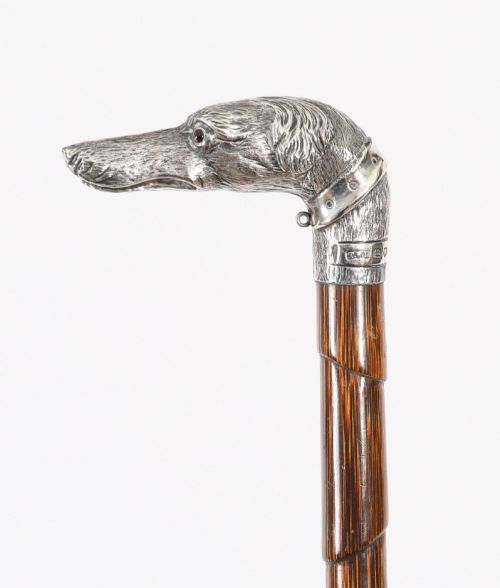
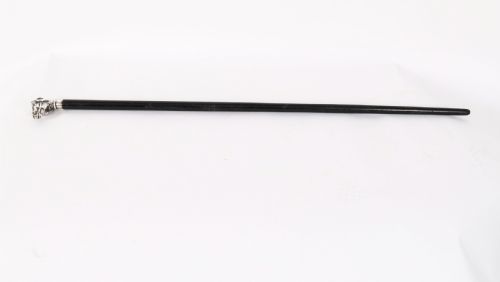
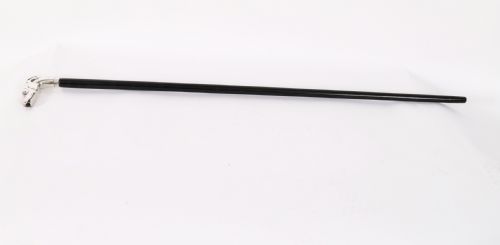
The objects combine practical support with ingenious concealment, ranging from carved animal heads in silver, bone, horn, and wood to integrated utilitarian items. Common configurations feature silver-mounted handles shaped as greyhounds, horses, boars, and pheasants, or functional additions such as swords, snuff boxes, watches, and corkscrews.
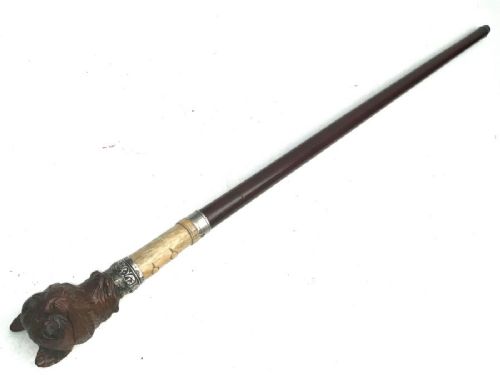
Origins span English, French, and German Black Forest workshops, showing distinct regional tastes in carving and metalwork. Folk art examples and carved fruitwood fists demonstrate the wider scope of novelty and personality expressed in these gentlemanly accessories.
How they were made
Craftsmen utilised traditional materials including hardwoods, snakewood, bamboo, malacca, and timber for the shafts, pairing them with mounts of silver, brass, and metal. Handles and decorative elements incorporate carved bone, horn, ivory, glass, and fruitwood to render detailed animal heads and clenched fists.
Makers integrated mechanical elements into the shafts and handles, constructing hidden compartments for snuff boxes, watches, telescopes, and corkscrews, or articulating jaws on animal heads. Woodcarving traditions, particularly in the Black Forest and French studios, shaped the expressive figural handles seen across these pieces.
A monkey head cane opens its mouth through hidden automation, proving that Victorian gentlemen enjoyed a very literal bite of humour.
What varies in quality
The standard of carving determines much of the distinction in these pieces, separating naturalistic, deeply detailed animal heads from simpler, mechanical representations. Sculpted greyhounds, boars, and hounds show varying degrees of anatomical precision and hand-finishing in bone, horn, and wood.
The Victorian Novelty Walking Cane Glossary
- Sword stick
- A walking cane fitted with a concealed blade within the shaft, accessible by releasing a locking mechanism at the collar.
- Snuff box handle
- A cane pommel hollowed out to contain scented tobacco powder, accessed via a hinged lid.
- Black Forest
- A regional style of woodcarving originating in Germany, known for naturalistic animal figures and foliage rendered in dark woods.
- Pommel
- The decorative knob or handle fitted to the top of a walking stick.
- Opera cane
- A walking stick incorporating a functional viewing glass or miniature telescope within the handle or shaft.
Victorian Novelty Walking Cane: Frequently Asked Questions
What is inside a novelty cane?
These canes frequently conceal practical tools or curiosities within the shaft or handle, including blades, corkscrews, telescopes, watches, and snuff boxes. Some examples feature mechanical animal jaws or automated components.
Makers designed these items to blend gentlemanly utility with discrete amusement, ensuring the hidden function remained invisible during normal use.
How do I identify the period?
Dating relies on material combinations, hallmarks on silver mounts, and stylistic traits associated with nineteenth-century production and the Edwardian era. Details such as carved bone, horn, and specific animal motifs point toward the latter half of the eighteen-hundreds.
Archival examples and dated titles from the period help anchor specific pieces to decades like the eighteen-eighties and eighteen-nineties.
Were these canes used for walking?
They served as standard walking supports for gentlemen while simultaneously acting as conversation pieces or self-defense tools through hidden sword blades. The structural shafts used durable woods like malacca, bamboo, and snakewood to bear weight.
While functional as walking aids, the delicate mechanisms and carved novelty handles meant many were treated as fashionable accessories rather than heavy orthopedic supports.
What materials were used?
Shafts utilised natural timbers and canes including hardwood, snakewood, bamboo, and malacca, paired with handles carved from bone, horn, ivory, fruitwood, and glass. Silver, brass, and base metals provided structural collars and mounts.
Makers selected these materials for both their durability under pressure and their suitability for intricate hand-carving and metalworking.