
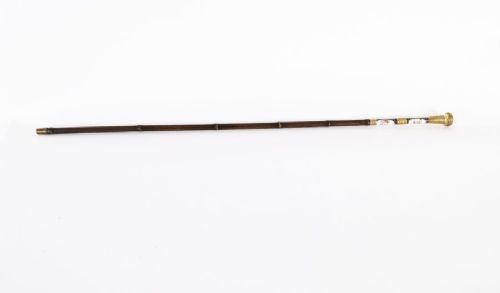
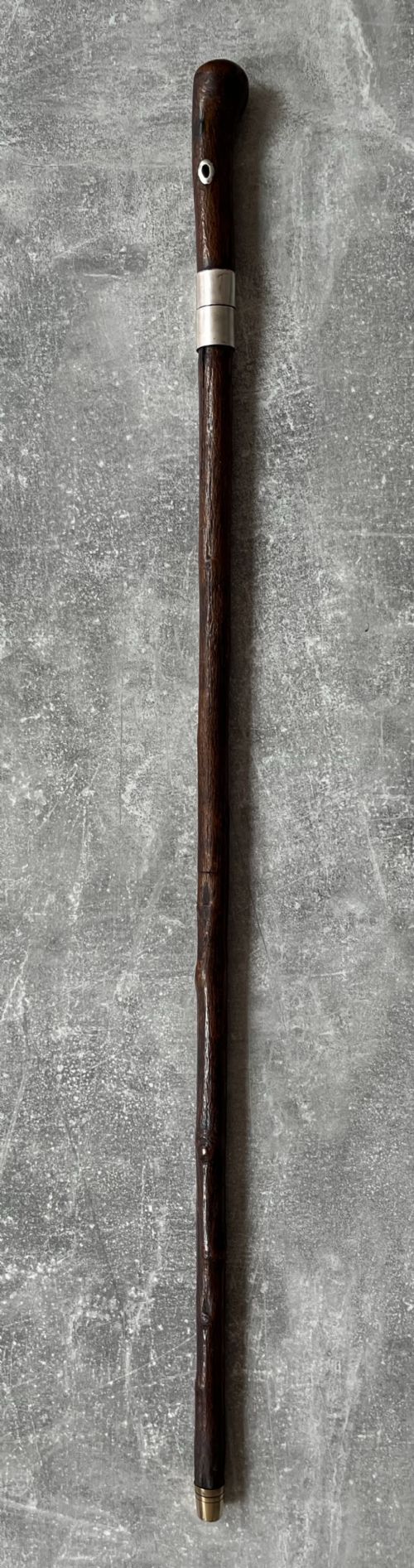


19th Century System Cane
These 19th century system cane pieces combine everyday walking support with hidden utility, offering collectors ingenious mechanical compartments and concealed blades.
19th Century System Cane
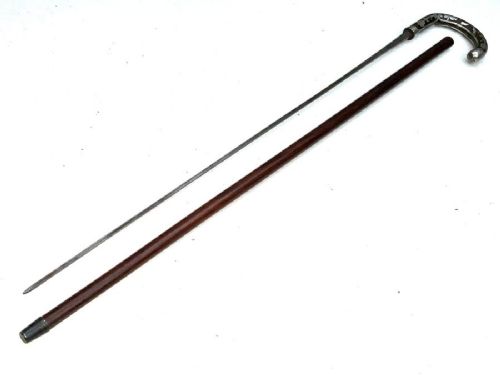
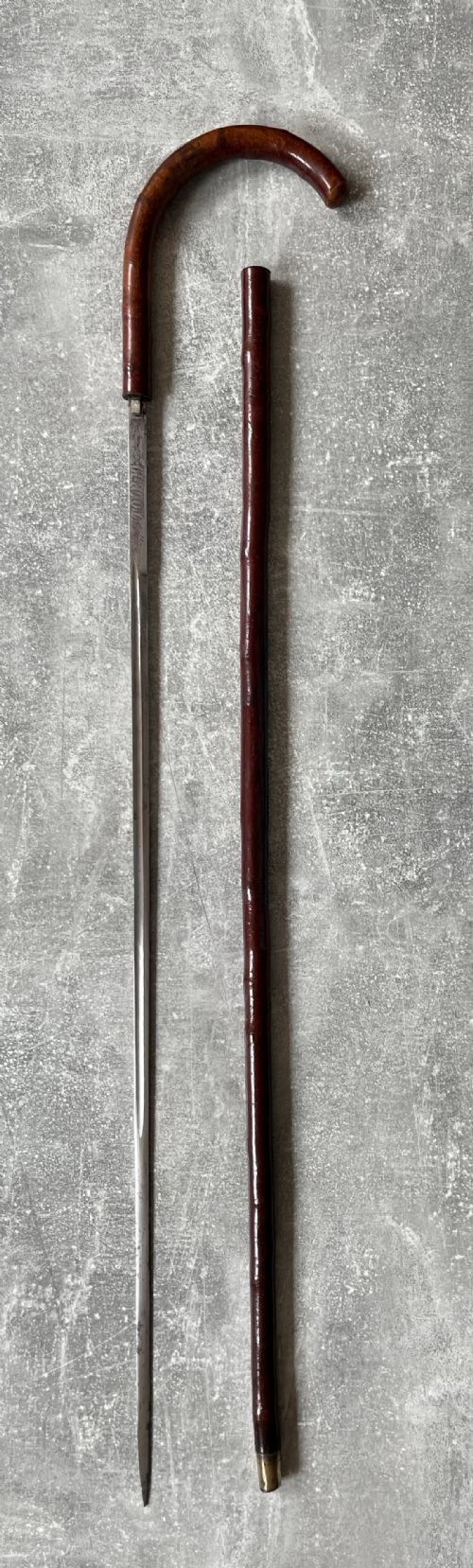
A 19th century system cane is a walking stick designed to perform a secondary function, housing items such as swords, telescopes, flutes, or corkscrews within the shaft or handle. The examples found here span the Victorian and Edwardian periods, stretching from the early 1800s through to 1890.
Most pieces encountered on this page function as sword sticks or gadget canes, incorporating practical tools like nut crackers, snuff boxes, watches, or folding optics. The form serves as both a fashionable gentleman's accessory and a discreet container for implements.
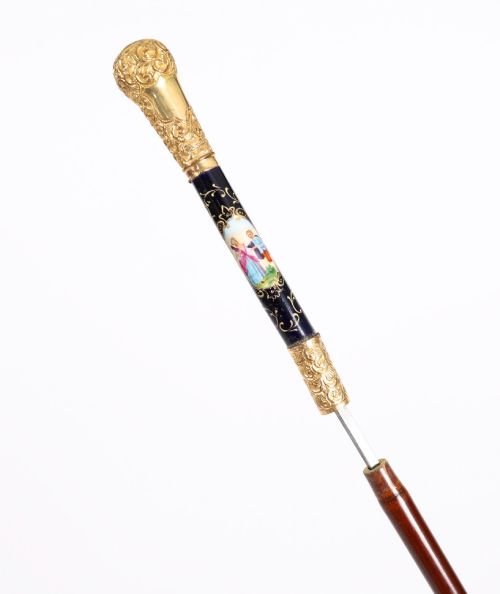
Origins represented in this selection include English and French workshops, utilising woods like cherrywood, snakewood, hazel, and Irish blackthorn alongside mounted metals. The variety ranges from utilitarian blades to decorative novelty items featuring carved heads or porcelain details.
How they were made
Makers shaped shafts from dense timbers such as cherrywood, snakewood, and hazel, frequently pairing the wood with mounts of brass, silver, gold plate, and gilt metal. Handles were carved from bone, horn, or porcelain to provide ergonomic grips.
Concealed mechanisms required precise metalworking to integrate steel blades, watches, telescopes, and corkscrews seamlessly into the hollowed wooden shafts. Silver and gold plating added decorative flourish to the functional joints and pommels.
Listings feature materials spanning wood, steel, silver, brass, porcelain, horn, gold plate, and gilt metal.
What varies in quality
The sophistication of the internal mechanism dictates the grade of a piece, distinguishing simple concealed blades from multi-function gadget canes equipped with watches, musical flutes, or precision optics. The integration of the hidden compartment demonstrates the maker's technical skill.
Materials elevate the status of the cane, with solid silver mounts, gold plate, Sevres porcelain, and exotic woods like snakewood commanding greater interest than standard hazel or cherrywood. Finely carved horn or bone handles and detailed motifs further set superior examples apart.
BRIGG
The 19th Century System Cane Glossary
- Gadget cane
- A walking stick that conceals a secondary tool or utility within its shaft or handle. These include corkscrews, snuff boxes, and folding mechanisms.
- Sword stick
- A walking cane containing a concealed steel blade within the wooden housing. The handle secures the blade in place during normal walking use.
- Pommel
- The rounded handle or knob at the top of a walking stick. They appear in horn, bone, and silver.
- Sevres porcelain
- A type of fine porcelain produced in France, occasionally used to decorate the handles of walking canes. It provides a smooth, glazed surface often paired with gold plate.
19th Century System Cane: Frequently Asked Questions
What is a 19th century system cane?
A 19th century system cane is a specialised walking stick designed to house a hidden tool, weapon, or instrument inside its shaft or handle.
These pieces combine traditional walking support with functional compartments containing items such as swords, telescopes, watches, or corkscrews.
How were sword sticks used?
Sword sticks served as dual-purpose items providing both walking support and personal defence during the Victorian era.
The concealed steel blade remained locked inside the wooden shaft until the user detached the handle to reveal the weapon.
What materials are common in these canes?
Common materials include hardwoods such as cherrywood, hazel, snakewood, and Irish blackthorn for the main shafts.
Handles and mounts incorporate silver, brass, gold plate, bone, horn, and porcelain to add decorative detail.
How do you date a system cane?
Dating relies on stylistic clues, metal hallmarks, and the specific mechanics of the concealed gadgets typical of the 19th century.
Victorian and Edwardian examples often display distinct manufacturing techniques and material choices associated with English and French workshops.