



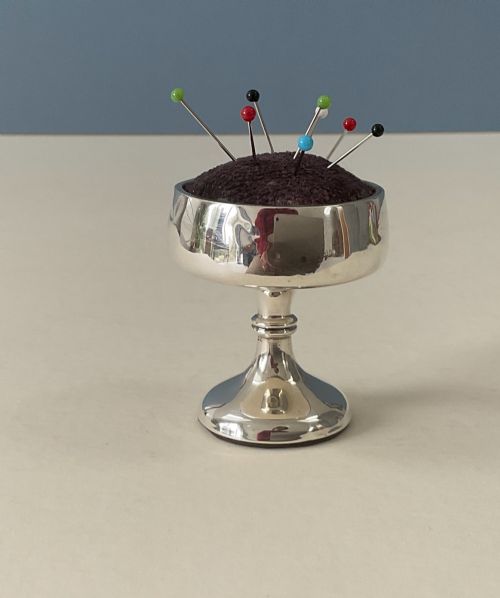
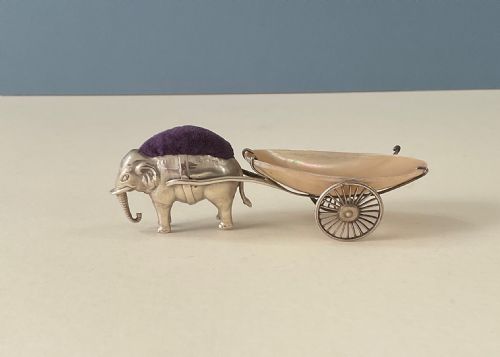


Victorian Novelty Pin Cushion
These delightful victorian novelty pin cushion examples turn everyday sewing tools into miniature silver animals, vehicles, and domestic objects.
Victorian Novelty Pin Cushion
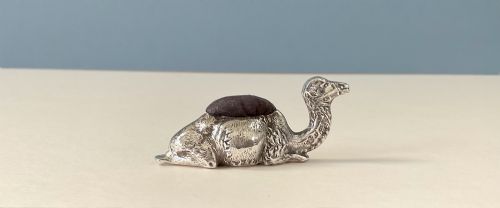
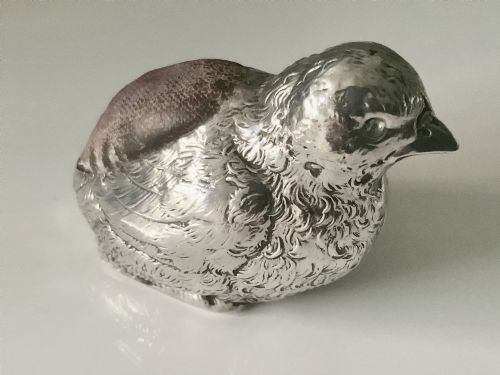
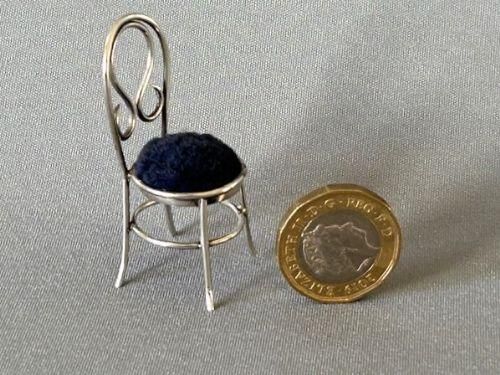
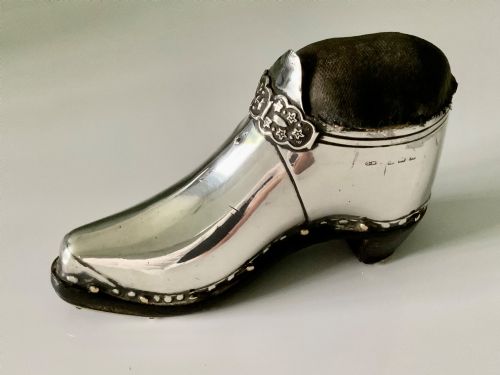
When you search for a victorian novelty pin cushion, you encounter miniature silver creations shaped as animals, birds, shoes, and household items. The pieces date from the Victorian and Edwardian eras, spanning the late nineteenth and early twentieth centuries.
You are most likely to meet small silver fauna such as pigs, ducks, camels, and dogs alongside transport forms like cars, canoes, and sledges. These items served both a practical purpose on a dressing table and provided a touch of whimsical amusement.
The selections bridge functional sewing accessories and cabinet curiosities collected for their charming forms. Each piece houses an upholstered cushion designed to hold pins and needles securely within a rigid metal framework.
How they were made
Silversmiths formed the animal and object bodies primarily using sterling silver, occasionally incorporating materials such as mother of pearl, glass, shell, and agate. Detailed chasing and stamping brought realistic textures like feathers, fur, and woven cane work to the metal surfaces.
The upholstered elements relied on velvet or fabric stuffed tightly to receive pins without damaging the surrounding metal mounts. Some continental examples utilised cold painted bronze techniques to add lifelike colour to creatures such as ibexes.
Materials recorded across these listings include sterling silver, velvet, mother of pearl, glass, shell, and agate.
What varies in quality
The standard of modeling distinguishes superior examples from simpler ones, with master smiths achieving remarkably expressive postures on small creatures like frogs, pigs, and birds. Crispness in the chased surface detail determines whether feathers, wheel spokes, and basket weaves remain sharp and legible.
Proportion and structural balance also separate exceptional items from standard work, ensuring a miniature carriage or teapot sits firmly on its base without tipping. The preservation of the original velvet or fabric insert contributes significantly to the integrity of the piece.
The Victorian Novelty Pin Cushion Glossary
- Novelty pin cushion
- A small sewing accessory shaped to resemble an animal, vehicle, or familiar object rather than a traditional pad. These whimsical items became immensely popular during the late Victorian and Edwardian periods.
- Sterling silver
- A silver alloy containing substantial pure silver combined with other metals to increase durability. Most British items carry hallmarks indicating this standard.
- Cold painted bronze
- A method where bronze figures received non-fired oil paint finishes to depict natural markings. This technique appears on continental European decorative works.
- Chasing
- A metalworking technique where the smith pushes and depresses the surface to create raised decorative designs. It provides the texture on animal fur and woven baskets.
Victorian Novelty Pin Cushion: Frequently Asked Questions
How were pin cushions used?
Victorian households kept these miniature items on dressing tables or sewing desks to keep pins and needles close at hand during needlework and garment adjustments.
They also functioned as decorative ornaments that guests admired for their clever shapes and humorous realism.
Are these silver cushions functional?
While the stuffed velvet or fabric core remains capable of holding pins, collectors generally treat them as display objects rather than working sewing tools.
Using them actively risks wearing the delicate antique fabric and accumulating residue inside the silver housing.
How do I spot a Victorian piece?
Examination of hallmarks often reveals specific assay office marks and date letters corresponding to the nineteenth century.
Stylistic cues such as realistic animal anatomy and heavy chasing also point towards Victorian production.
What animals appear most often?
Pigs, birds, bears, and dogs form the most common animal subjects encountered among surviving miniature silver pieces.
More unusual creatures like camels, frogs, and stags appear less frequently and attract keen interest.