


Victorian Novelty Dining Accessories
Victorian novelty dining accessories bring whimsy to the table through ingenious silver and silver-plated forms.
Victorian Novelty Dining Accessories
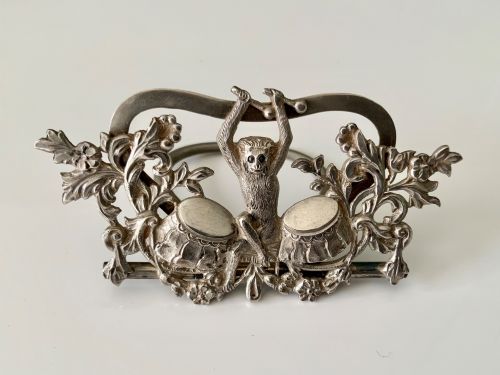
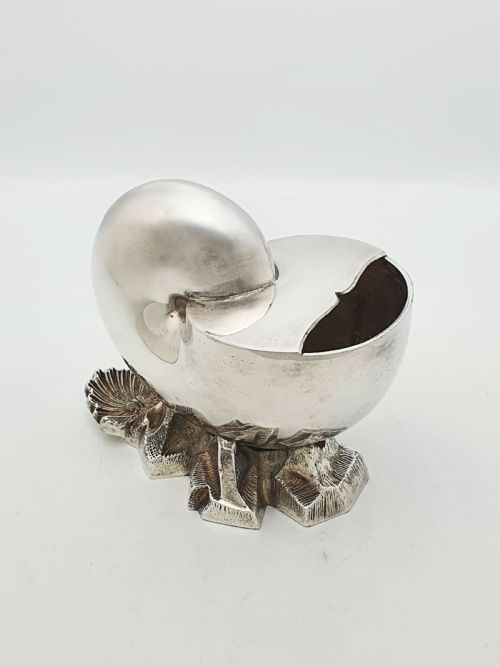
Victorian novelty dining accessories comprise playful tableware items designed to amuse guests during formal meals. When you examine these pieces, you encounter items shaped as animals, birds, shells and boots that served practical purposes on the dining table.
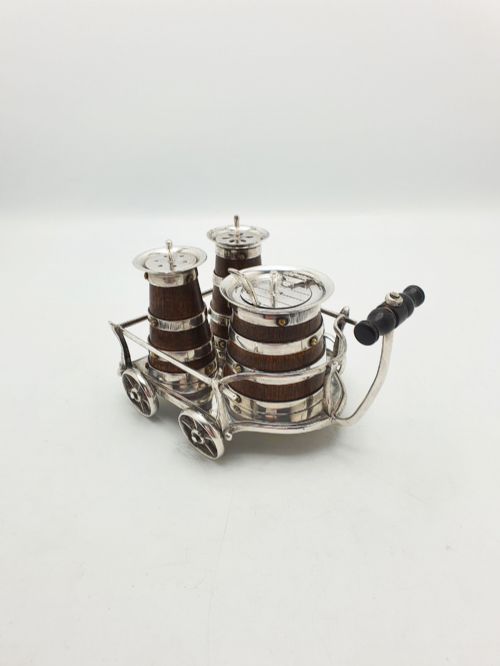
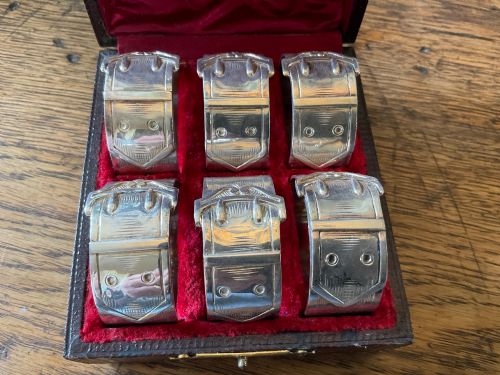
The objects appearing here span menu holders, spoon warmers, condiment sets, napkin rings and salt cellars. These functional items transform ordinary dining table equipment into engaging conversation pieces through clever sculptural forms.
Materials and Construction
Silversmiths utilised sterling silver and silver plate over base metals to shape these intricate dining accessories. Heavy plating techniques allowed workshops to cast elaborate three-dimensional forms such as birds, shoes and barrels with convincing surface detail.
Makers combined silver with glass, wood, oak and velvet to achieve realistic textures and secure functional components. Interior glass linings appeared in condiment sets and salt cellars, while wooden elements formed structural bases for barrels and cruet frames.
Current listings span the Victorian and Edwardian periods, featuring materials such as sterling silver, silver plate, oak, glass and velvet.
Judging Quality and Execution
The quality of a novelty dining piece rests entirely upon the crispness of its modelling and the naturalism of its form. Superior examples capture anatomical details and textures with precision, avoiding the softness seen in hurried or worn castings.
Substantial weight and balanced proportions distinguish finer pieces from lighter production work. The integration of functional elements, such as hinged components or secure glass fittings, reveals the care taken by the original maker.
Sampson Mordan
The Victorian Novelty Dining Accessories Glossary
- Spoon Warmer
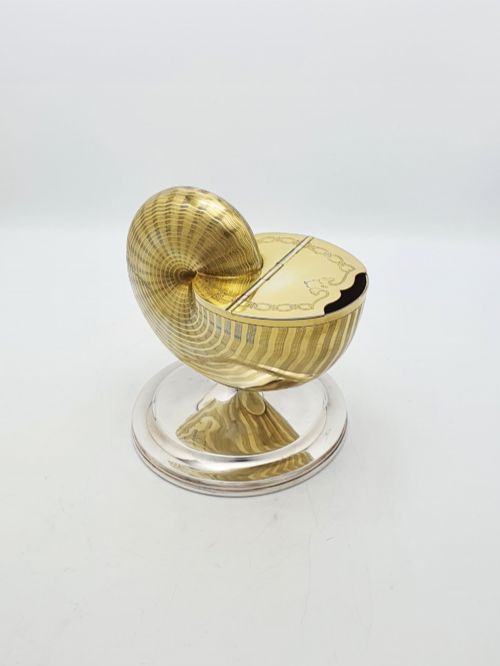
- A hollow vessel designed to hold hot water for warming table spoons before serving soup or dessert. These often took whimsical shapes such as nautilus shells, shoes and barrels.
- Menu Holder
- A small upright stand used to display meal courses on the dining table. They frequently featured figural subjects like animals or sentry boxes.
- Condiment Set
- A matched group of vessels for holding salt, pepper, mustard and other seasonings. In novelty forms, these containers were integrated into sculptural table ornaments.
- Silver Plate
- A base metal layer coated with a thin layer of pure silver. This technique allowed Victorian makers to produce large decorative items at lower costs than solid sterling silver.
- Salt Cellar
- An open dish or vessel used to hold loose salt for individual diners. Novelty versions often utilised animal shapes like swans to support the glass or silver bowl.
Victorian Novelty Dining Accessories: Frequently Asked Questions
What are Victorian novelty dining accessories?
These pieces are functional tableware items shaped into amusing and unusual forms, such as animals, birds and everyday objects. They were designed to entertain guests during formal Victorian and Edwardian meals.
Items range from menu holders and salt cellars to spoon warmers and condiment sets. Each piece combines practicality with playful sculpture.
How were spoon warmers used?
Spoon warmers were filled with hot water to keep table spoons warm before serving courses like soup. The heated water ensured that cold spoons did not lower the temperature of the food.
Guests would select their warmed spoons directly from these decorative vessels, which often took fantastical shapes like shells or boots.
Are these pieces made of solid silver?
The items utilise a mixture of sterling silver and silver plate over base metals. Hallmarks generally indicate solid sterling silver pieces, while unmarked items or specific finish notes point to silver plate.
Both materials were widely employed by Victorian and Edwardian workshops to create intricate three-dimensional dining accessories.
How do I date these accessories?
Dating relies on maker marks, style characteristics and recorded period contexts such as Victorian and Edwardian eras. Stylistic cues often reflect the tastes of the late nineteenth and early twentieth centuries.
Matching the subject matter, such as specific animal motifs, with known production dates helps narrow the timeline.