
Victorian Neoclassical Lamp
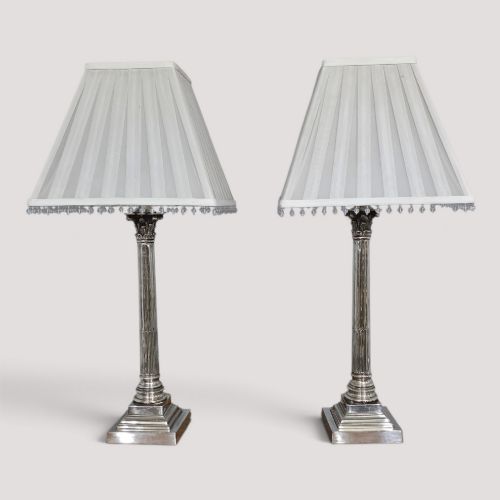
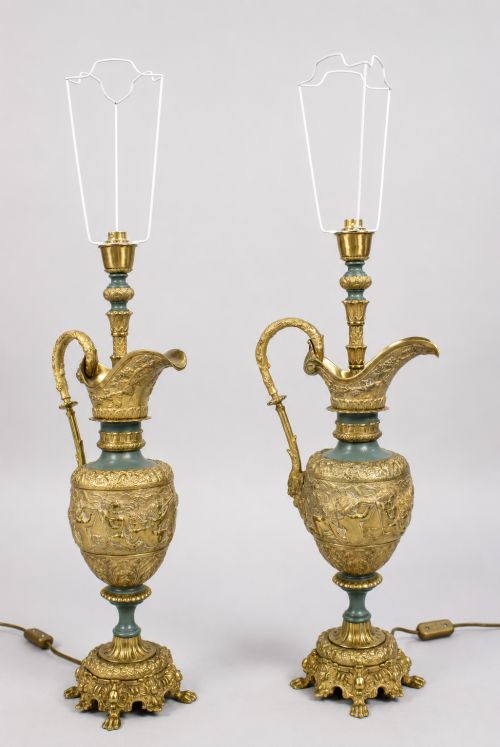
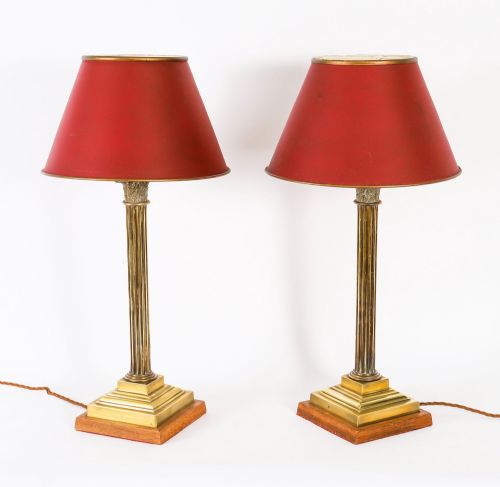
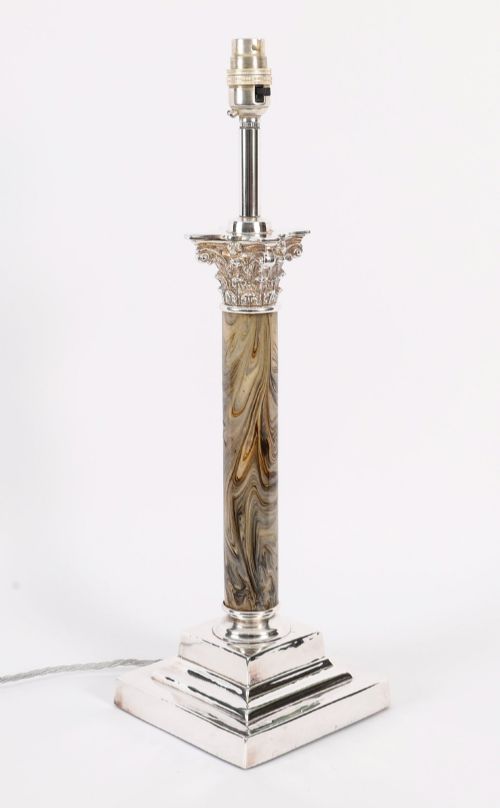
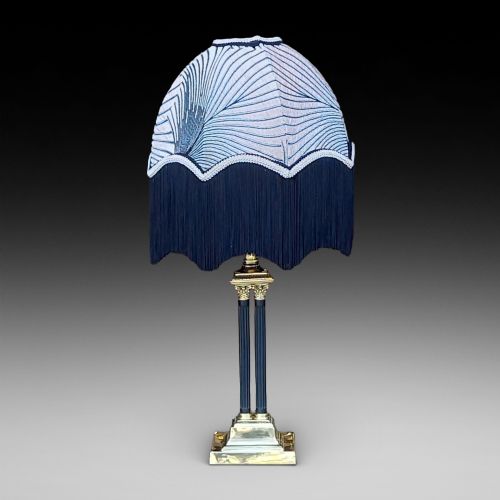
These Victorian neoclassical lamps bring classical proportion, architectural columns and patinated bronze into the room with genuine nineteenth-century weight.
Victorian Neoclassical Lamp
A victorian neoclassical lamp draws directly upon classical antiquity, translating ancient architectural motifs into functional domestic lighting for the nineteenth-century interior. The selection centres heavily on table lamps and standard floor lamps, alongside converted oil lamps and occasional desk accessories.
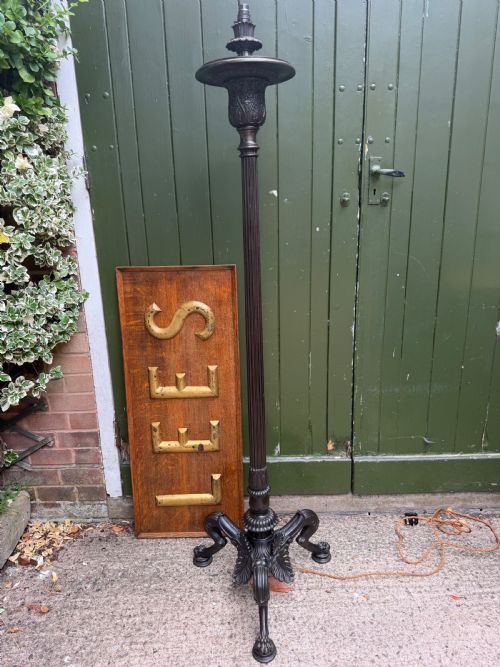
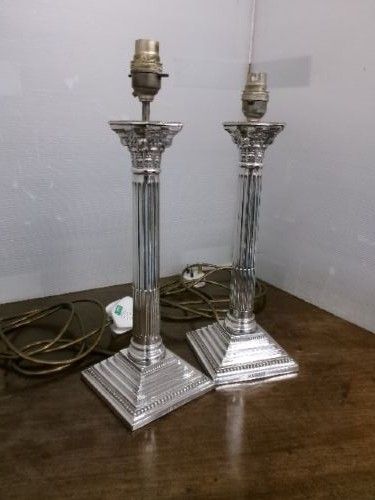
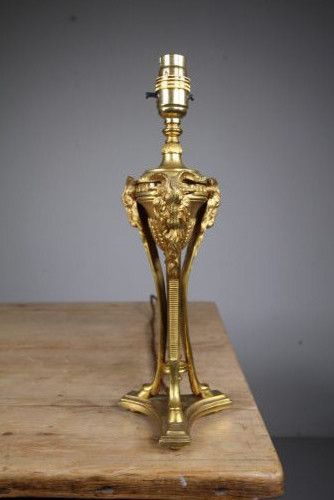
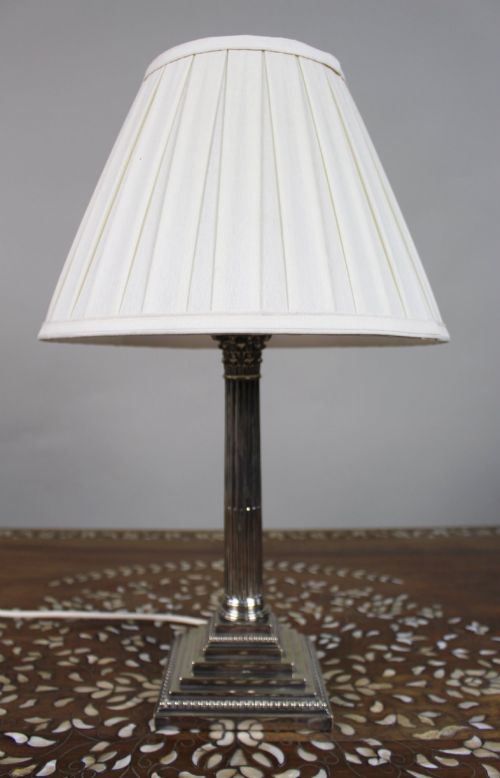
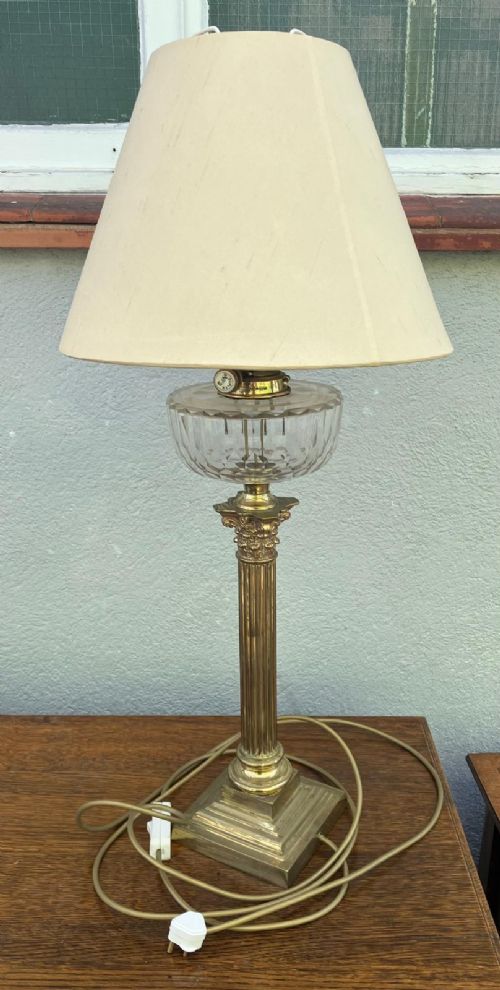
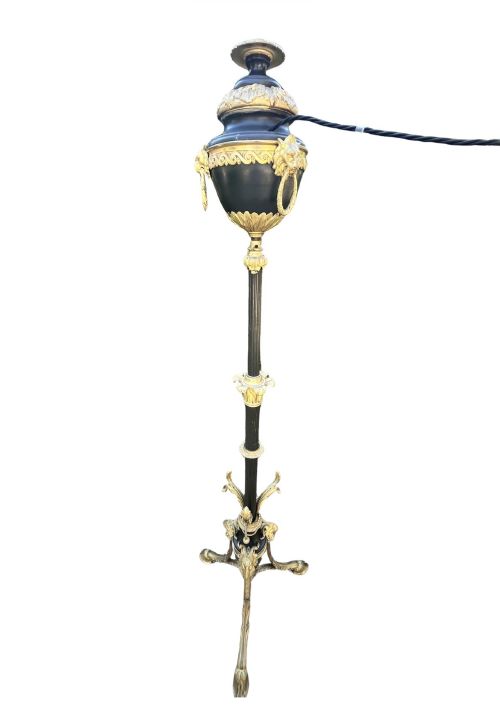
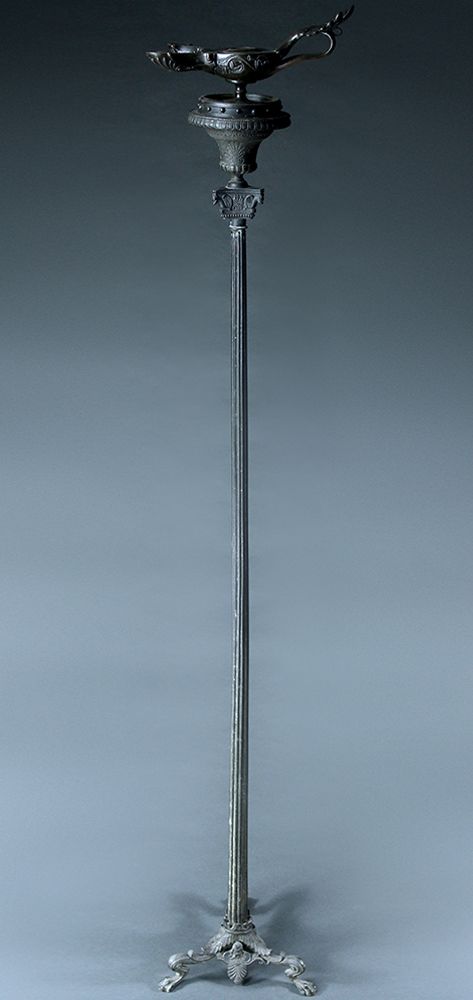
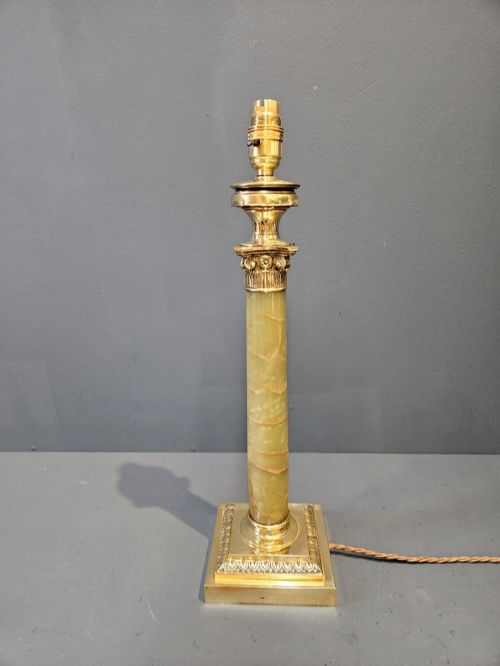
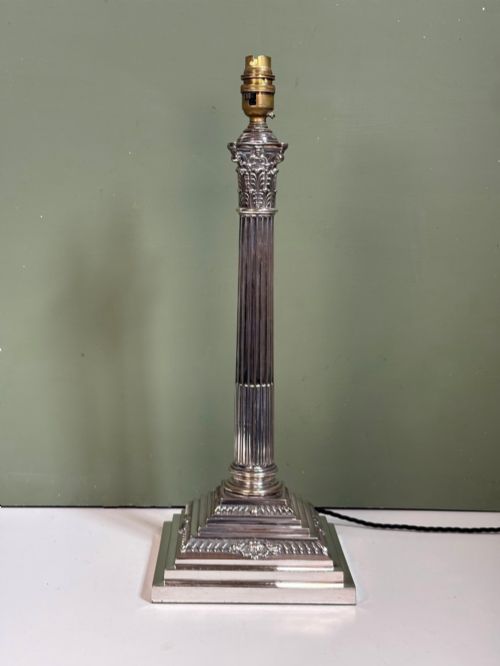
Architectural forms dominate the inventory, particularly Corinthian and ionic columns standing upon stepped or square bases. You will also encounter ewer-form table lamps, monumental standard lamps, and pieces incorporating ram's heads or lion's paw feet.
The aesthetic bridges the Victorian era, the Edwardian period, and the Grand Tour taste, reflecting a nineteenth-century fascination with classical archaeology and sculpture.
How they were made
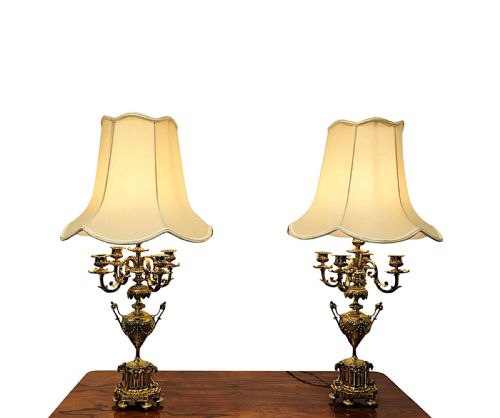
Foundry work and metalcasting form the backbone of these pieces, utilising brass, bronze, cast-iron, gilt metal, and ormolu. Metalworkers cast columns, capitals, and figural mounts separately before assembling them into sturdy, balanced structures.
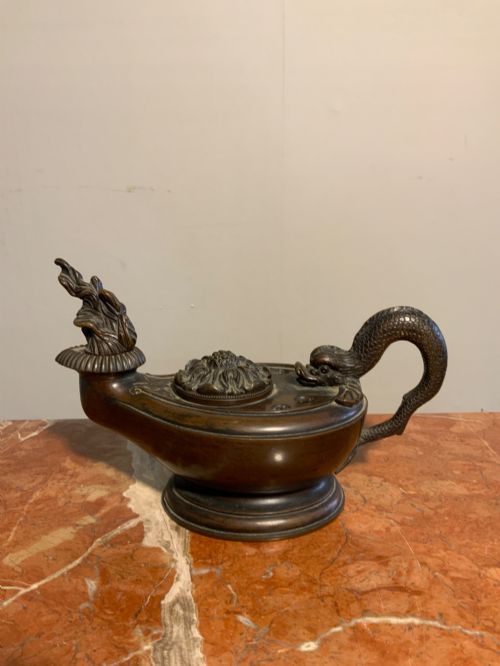
Silver plating on base metals provided a brighter domestic finish, whilst patinated bronze gave an antique, excavated appearance suited to Grand Tour tastes. Details like acanthus leaves on Corinthian capitals were typically chased by hand after casting.
Many examples incorporate contrasting materials, pairing metal columns with white marble bases, onyx sections, or porcelain bodies. Later adaptations often involve the conversion of nineteenth-century oil lamps or candelabra to take electrical fittings.
One towering standard lamp stands supported entirely by a pair of crouching lion's paw feet.
What varies in quality
Quality rests upon the crispness of the casting and the depth of the chasing on decorative elements such as capitals and base mounts. Sharply defined acanthus foliage and well-proportioned fluted columns distinguish superior workshop output from simpler production.
The weight of the metal and the stability of the assembly dictate the physical presence of the piece. Substantial gauge brass and solid bronze components create a heavy, well-grounded object that holds its vertical line without wobble.
The integration of secondary materials also marks the hierarchy of pieces, from plain brass columns to those resting on stepped marble plummets or featuring detailed silver plating stamped by recognised makers.
Harrison Brothers And Howson·Hinks
The Victorian Neoclassical Lamp Glossary
- Corinthian column
- An architectural support featuring an ornate capital decorated with rows of acanthus leaves. It is the most common column style found across these lamp standards.
- Grand Tour
- A cultural journey undertaken by wealthy young Europeans to view classical antiquities, inspiring souvenir bronzes and neoclassical decorative items brought back home.
- Ormolu
- Gilded bronze produced by applying a mercury and gold amalgam to cast bronze. This technique imparts a rich, warm golden surface finish.
- Ewer
- A large jug with a wide spout and handle, originally used for pouring water. In lamp form, the vessel body is adapted to house the light fitting.
- Patination
- The surface coloration and ageing acquired by metal over time or through chemical treatment. It adds tonal depth to bronze and brass surfaces.
Victorian Neoclassical Lamp: Frequently Asked Questions
How do I wire an antique lamp safely?
Most antique metal lamps require modern rewiring to meet current electrical standards. A qualified electrician can thread modern flex through the central column without altering the historic exterior.
Original brass key switches or porcelain lamp holders can often be retained or matched with period-appropriate alternatives to preserve the vintage appearance.
Were these always electric lamps?
Almost all nineteenth-century examples began life as oil lamps, gas fixtures, or candlesticks. They were subsequently converted to electricity during the twentieth century as domestic power became standard.
This evolutionary history means that threading holes and internal fittings are usually later adaptations grafted onto older metalwork.
How do I clean brass and bronze?
Dusting with a dry, soft cloth is normally sufficient for everyday maintenance. Avoid aggressive chemical polishes that strip away the aged patination accumulated over generations.
Unlacquered brass will naturally darken over time, a process many collectors prefer as it enhances the historical character of the piece.
How do I identify a Grand Tour piece?
Grand Tour pieces typically depict classical architectural ruins, mythological figures, or miniature bronze sculptures inspired by Italian excavations. They often display a dark, rich bronze patina characteristic of nineteenth-century tourist souvenirs.
These items were frequently mounted on marble bases to evoke museum specimens brought back from Rome or Pompeii.