


Victorian Nautical Painting
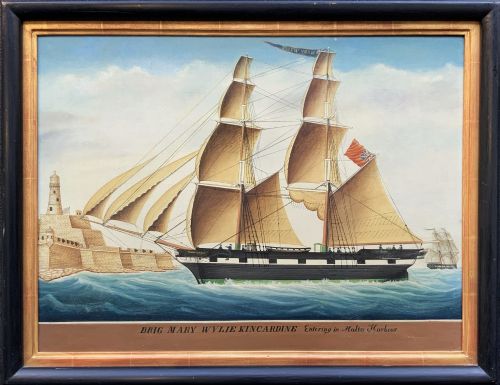
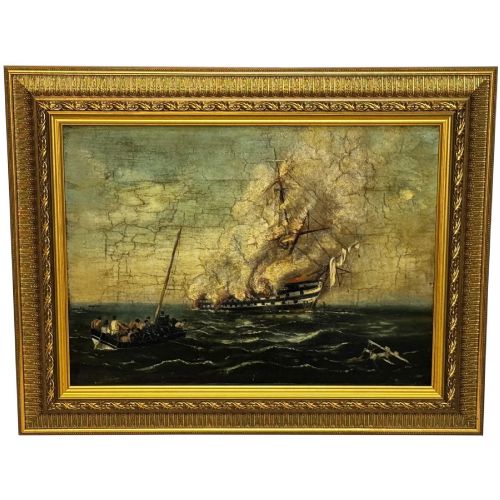
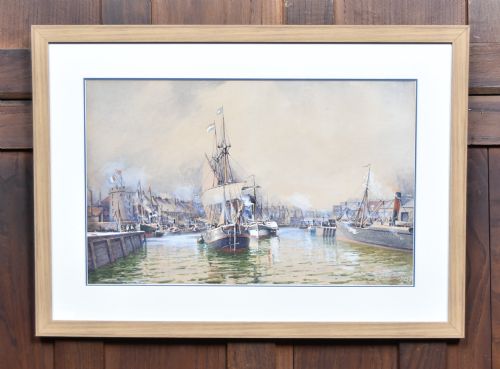
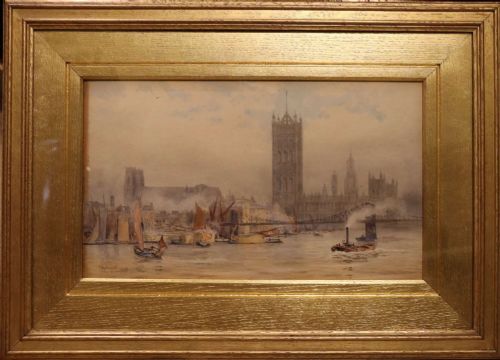
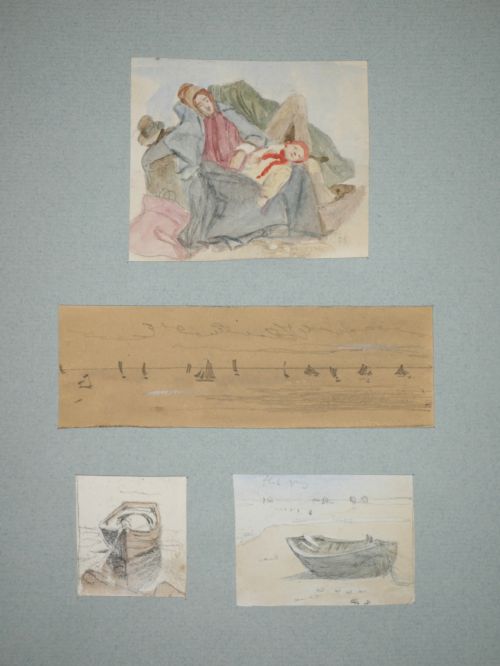
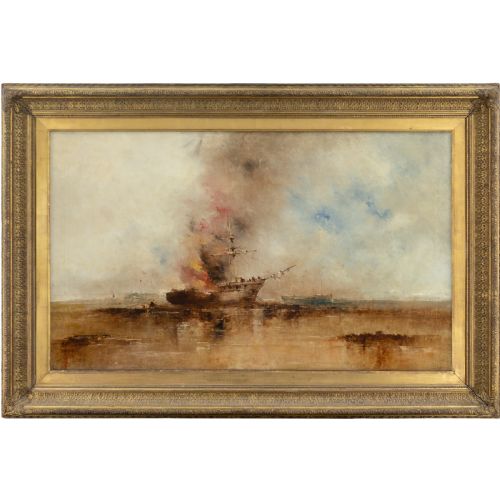
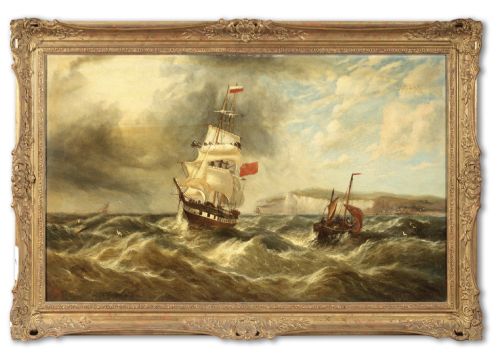
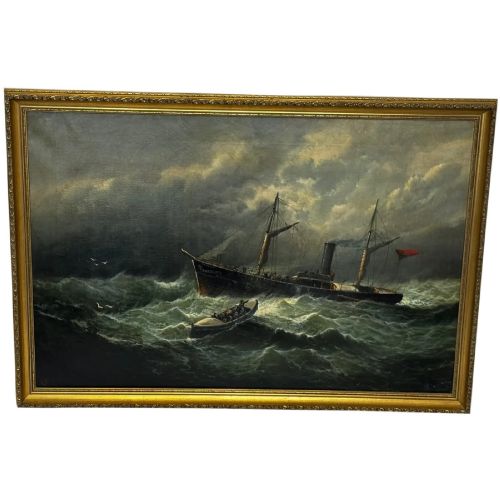
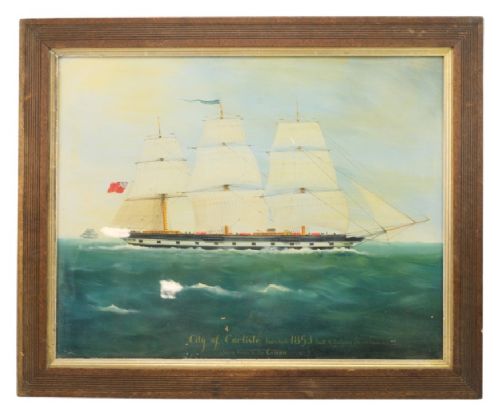
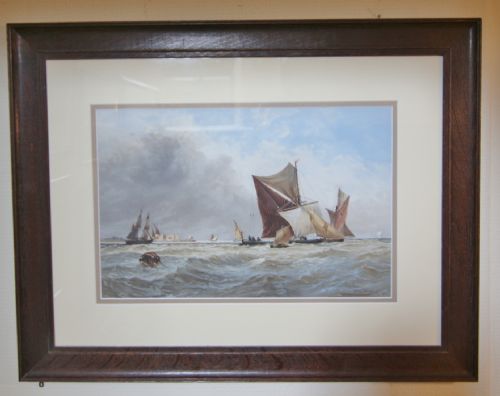
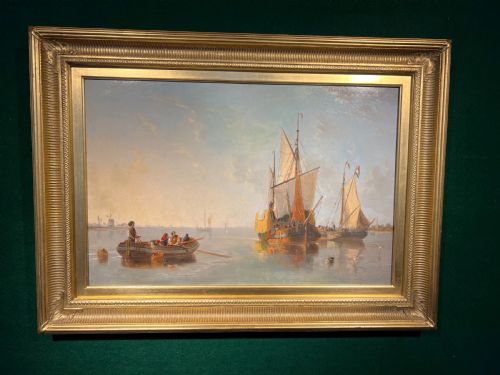
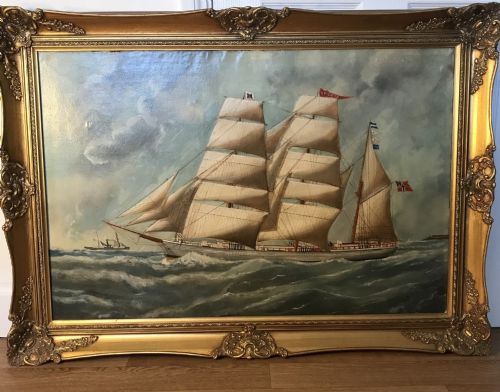
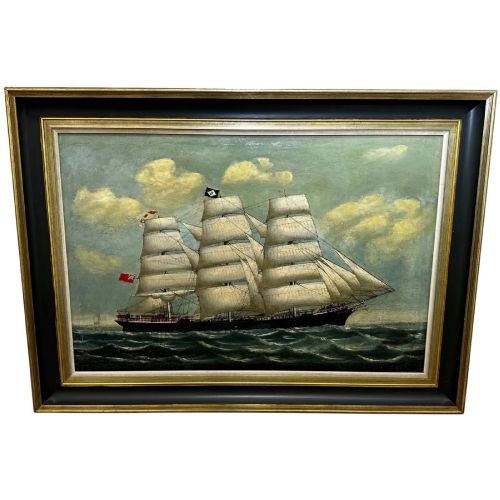
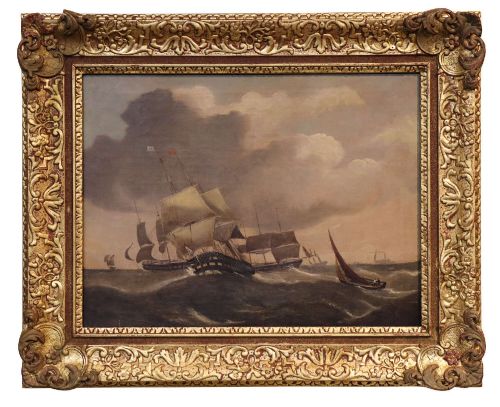
When you search for a victorian nautical painting, you encounter maritime watercolours, oil paintings on canvas, and cased dioramas that capture nineteenth-century shipping and coastal life.
Victorian Nautical Painting
A victorian nautical painting represents the maritime heritage of the nineteenth century, showing merchant ships, fishing vessels, and dramatic coastal scenes. These works document the era of sail and steam through oil on canvas, board, and delicate watercolours on paper.
You are most likely to meet pieces depicting British harbours, stormy seas, and named sailing ships produced during the Victorian period. Artists recorded specific locations such as the River Tyne, Scarborough, and Dublin Bay alongside international waters.
The selection includes framed wall art and three-dimensional dioramas housed in glass cases. These objects range from detailed watercolours by named marine artists to atmospheric oils by the English School.
How they were made
Painters utilised oil paint on stretched canvas or wooden board to build deep coastal waves and stormy skies. Watercolours on paper capture lighter harbours and bright sea spray, often finished with pen and ink details.
Framing typically involves gilt wood surrounds that complement the marine subject matter. Dioramas incorporate carved wooden ship models set against painted backdrops and enclosed in glass cases.
Several artists captured the North Sea with such conviction you can almost taste the salt spray on your lips.
What varies in quality
Quality rests upon the artist's command of maritime architecture, rigging accuracy, and water movement. Master painters handle light and atmosphere with precision, whereas lesser works rely on formulaic waves and static vessels.
Condition of the medium significantly impacts the piece, distinguishing crisp watercolours and stable oil paintings from heavily retouched surfaces or damaged canvas.
H. Medlycott·James Orrock·James Smetham·William McAlpine·John Rose Miles·William Broome·John Wilson Carmichael·Lai Fong·Nicholas Condy·Richard B. Spencer·William Henry Williamson·Bernard Benedict Hemy·George Stanfield Walters·Abraham Hulk I·Henry Barlow Carter·William Frederick Settle·Thomas Bush Hardy·Ernest Dade·Daniel Sherrin
The Victorian Nautical Painting Glossary
- Watercolour
- A painting method where fine pigment is suspended in water-based solution on paper. This medium allows for translucent washes of sea and sky.
- Oil on Canvas
- Pigment mixed with drying oil applied to woven fabric stretched over a wooden frame. This combination permits rich texture and deep tonal contrast in marine scenes.
- Diorama
- A three-dimensional display featuring carved model ships set within a constructed coastal or ocean environment. These boxed scenes often include curved painted backgrounds.
- Gilt Wood
- Timber framing coated in a thin layer of gold leaf or metallic paint. Victorian makers utilised these frames to elevate maritime paintings.
- Seascape
- A work of art depicting the sea, coastlines, and marine vessels. These compositions focus primarily on open water or harbour activities.
Victorian Nautical Painting: Frequently Asked Questions
What subjects appear in these paintings?
The works depict merchant ships, fishing boats, and naval vessels navigating coastal waters and rough seas. Scenes frequently record specific harbours, river shipping, and dramatic maritime rescues.
Artists also captured calmer coastal views, sailing races, and international barques under full sail during the nineteenth century.
How should I display a marine painting?
Hang oil paintings and watercolours away from direct sunlight to protect pigments from fading over time. Ensure the wall supports the weight of heavily framed canvases or cased dioramas securely.
Keep these works in rooms with stable humidity to prevent wood warping and paper degradation.
Are dioramas different from flat paintings?
Dioramas provide a three-dimensional representation of sailing ships using carved wooden models and layered backgrounds. These objects are enclosed in glass-fronted wooden cases to protect the detailed rigging.
Flat paintings utilise traditional canvas or paper surfaces to create the illusion of depth through perspective and paint application.
How do I identify a Victorian maritime work?
Examine the vessel types, rigging styles, and maritime architecture typical of nineteenth-century shipping. Signatures, dates, and framing materials often provide further contextual clues.
Subject matter focusing on steam barges, clippers, and named merchant ships frequently points to this era.