

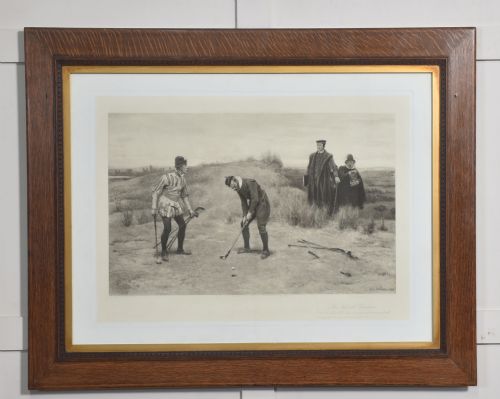
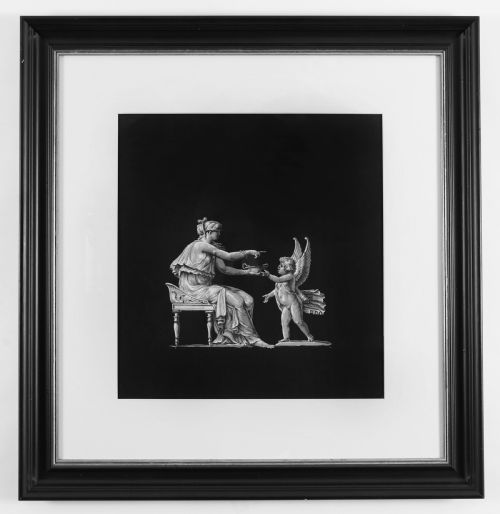
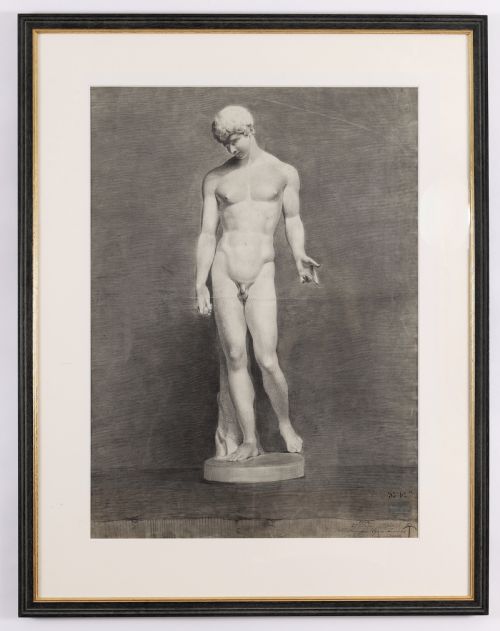


Victorian Monochrome Artwork
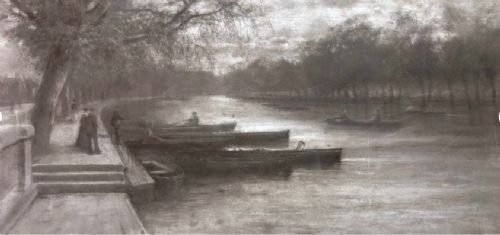
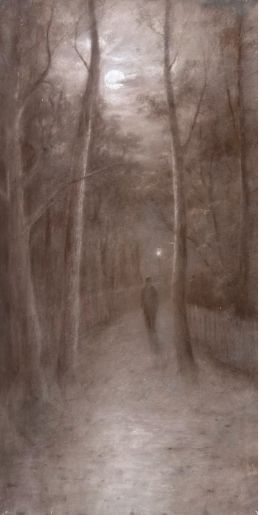
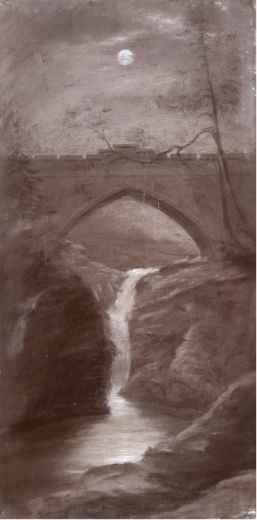
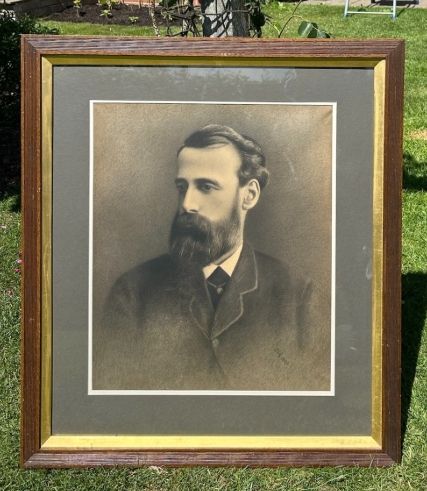
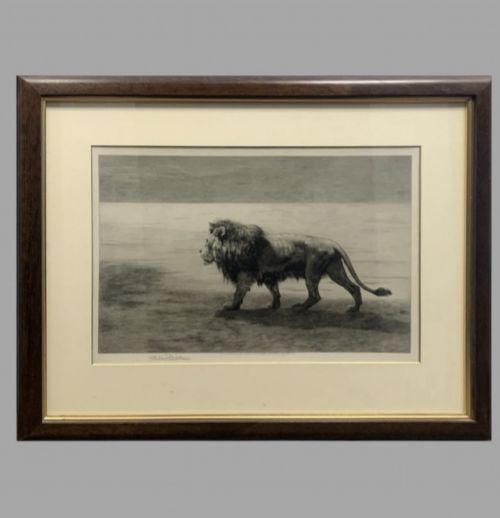
Victorian monochrome artwork brings together intense charcoal sketches, detailed etchings and atmospheric ink drawings that capture nineteenth-century tone.
Victorian Monochrome Artwork
Victorian monochrome artwork centres on single-colour pieces created across the nineteenth century, spanning from 1850 through to the early decades of the twentieth century. These works appear primarily as framed drawings, original etchings, mezzotints and engravings on paper, canvas or vellum.
Buyers searching this phrase will find a strong representation of observational landscapes, portraiture and figurative studies executed without full colour palettes. The visual weight relies entirely upon tonal gradation, shadow and line.
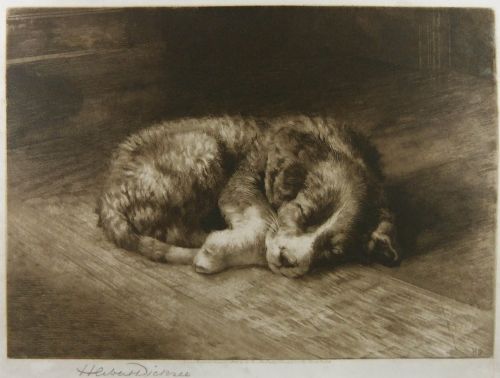
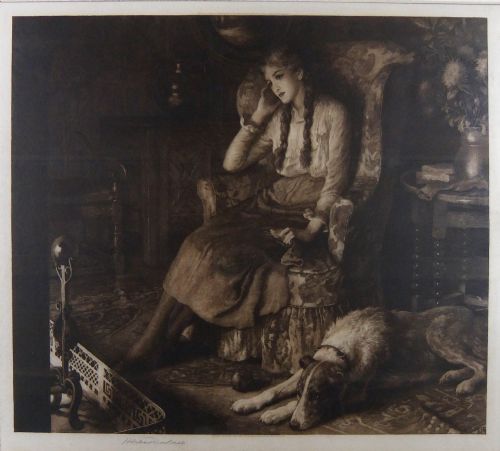
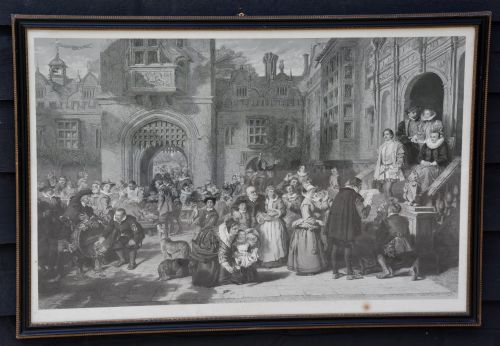
Subject matter ranges from domestic animals and dramatic historical scenes to moody nocturnal landscapes and classical studies. Pieces frequently arrive in period frames made of oak or gilded mouldings.
Materials and methods
Artists relied upon charcoal, graphite, ink and watercolour washes applied to paper or canvas to build deep contrasts. Etchings and engravings utilised metal plates manipulated with acid or direct burin work to produce precise, repeatable impressions.
Support materials varied from standard drawing paper to vellum and prepared canvas, often mounted behind glass within wooden frames. Gold leaf occasionally accented the surrounding mouldings to enhance the display of the monochrome imagery.
Several Victorian dogs stare out from these monochrome frames, proving that nineteenth-century pets were just as eager to sit for portraits.
Factors determining quality
Quality rests upon the sureness of the hand and the preservation of the delicate monochrome mediums. Stronger works display confident charcoal strokes or crisp etching lines that retain their tonal depth without excessive fading or paper acidification.
The sophistication of the composition and the presence of contemporary signatures or artist proofs elevate individual pieces above standard decorative prints. Original drawings carry unique immediacy, whereas prints depend on the clarity of the impression from the plate.
Herbert Dicksee·Thomas G Appleton·Gustave Doré·William Manners·Samuel Palmer
The Victorian Monochrome Artwork Glossary
- Etching
- A printmaking method where acid bites lines into a metal plate to hold ink. This technique allows for fine, fluid lines and subtle tonal variations.
- Charcoal
- A dry drawing medium made from burnt organic material that produces rich, deep blacks. It requires fixative to prevent smudging on paper or canvas.
- Vellum
- A fine parchment prepared from calfskin used as a durable drawing surface. It provides a smooth, pale ground that holds ink and graphite with great clarity.
- Mezzotint
- A tonal printmaking process where the metal plate is roughened uniformly to produce dark fields. Lighter areas are scraped back to create gradients without using line work.
- Grisaille
- A painting executed entirely in shades of grey or neutral monochrome. It often serves as a finished decorative piece or an underpainting study.
Victorian Monochrome Artwork: Frequently Asked Questions
What defines monochrome art?
Monochrome art uses a single colour or a restricted range of neutral tones, typically black, grey or sepia, to build an image.
Artists rely on line work, shadow and contrast rather than a full palette to convey form and mood.
How are charcoal drawings preserved?
Charcoal drawings need protection behind glass to prevent atmospheric moisture and physical contact from smudging the loose carbon particles.
Acid-free mounting materials further safeguard the paper support from degrading over time.
What is an artist proof?
An artist proof is an early impression pulled from a printing plate for the creator to inspect before the main edition is run.
These impressions often command attention due to their exceptional print quality and direct association with the maker.
Where should these artworks hang?
These pieces suit spaces away from direct sunlight, which can fade charcoal and paper over extended periods.
Neutral wall colours and simple interior lighting allow the fine tonal gradients of nineteenth-century works to stand out.