

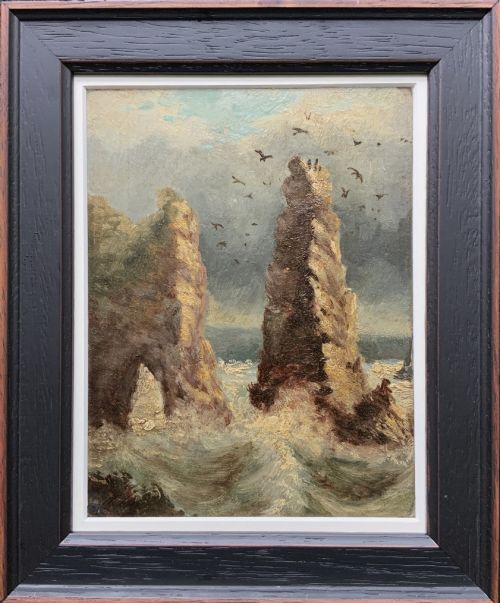
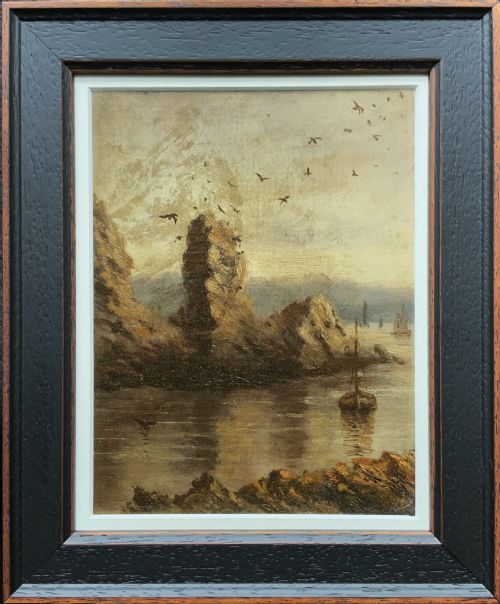
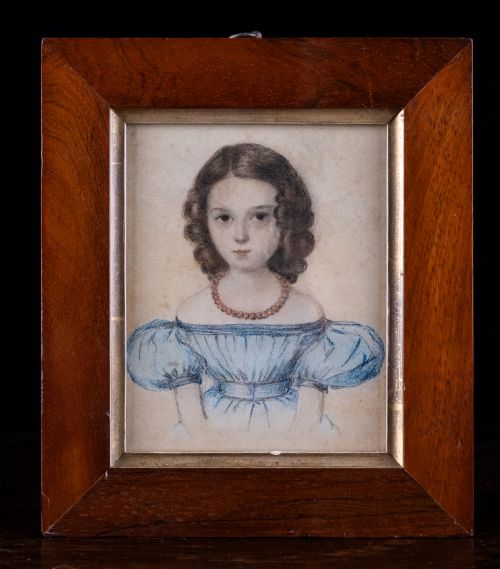
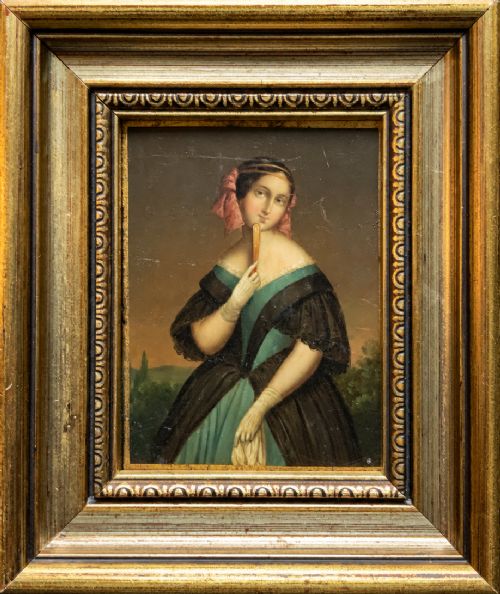
Victorian Miniature Frame
A victorian miniature frame houses intimate portraiture and delicate paintings on paper, glass or porcelain, offering collectors a concentrated glimpse into nineteenth-century domestic life.
Victorian Miniature Frame
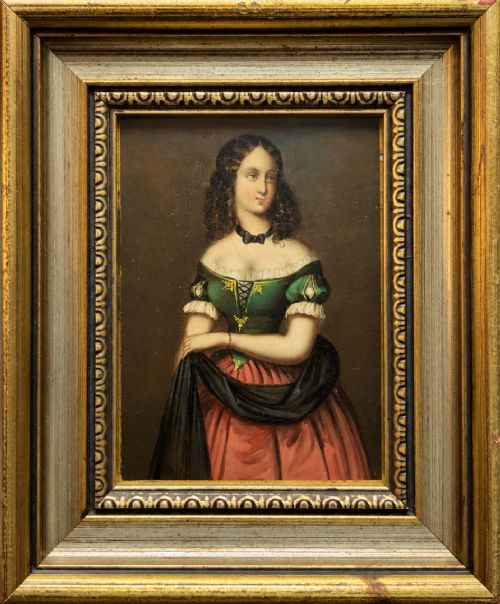
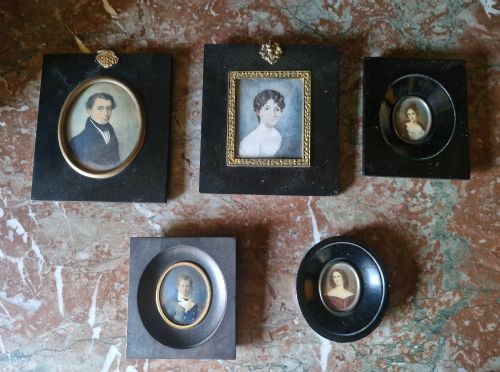
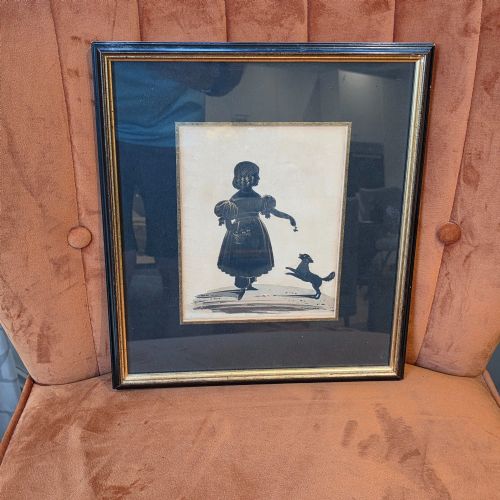
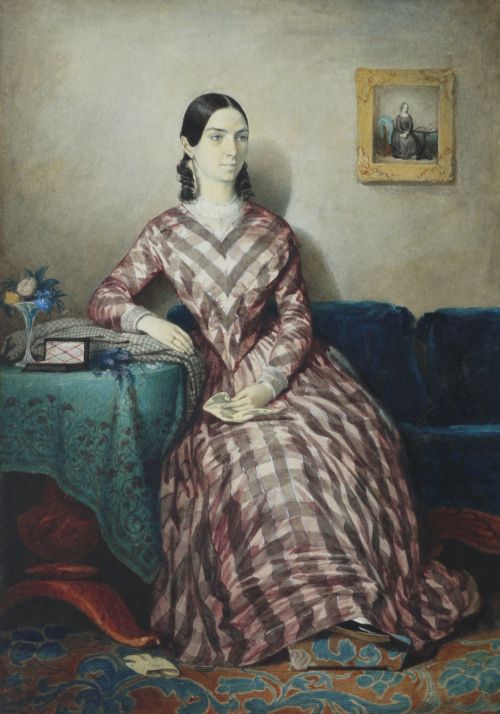
When searching for a victorian miniature frame, buyers encounter small-scale artworks including painted portraits, silhouettes, and porcelain plaques. These pieces span the nineteenth century, touching Georgian roots and extending into the late decades.
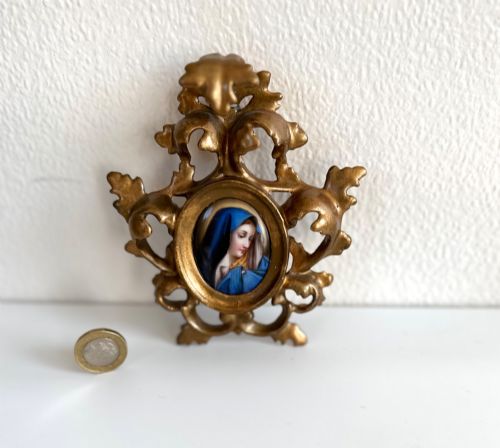
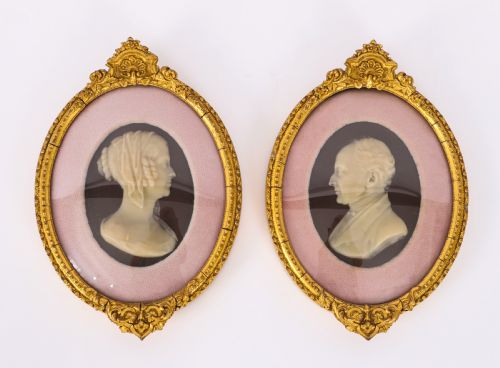
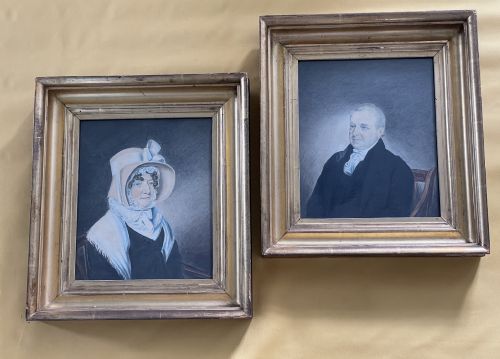
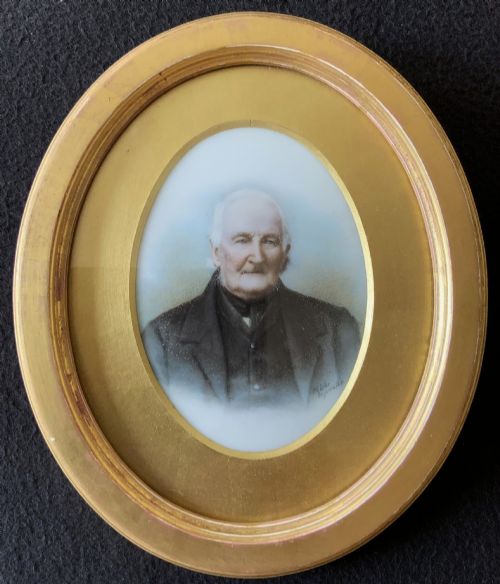
The objects take many forms, from simple wooden surrounds holding watercolour studies to elaborate brass travelling mounts and carved decorative enclosures. Subjects range from young children and military officers to theatrical scenes and religious figures.
Materials and Construction
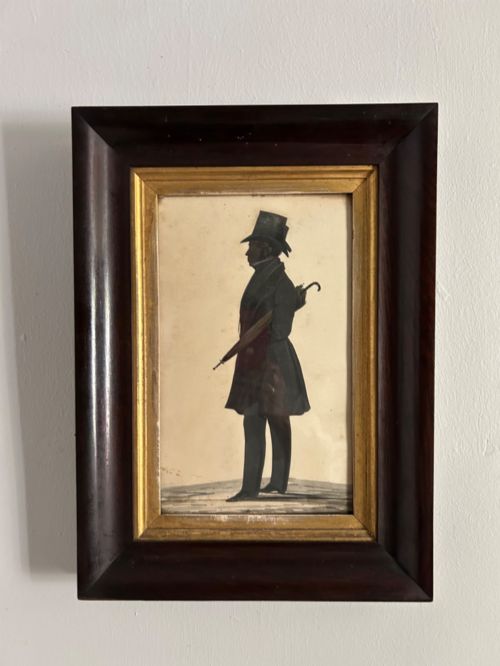
Makers utilised wood, brass, and glass to protect delicate works executed in watercolour, gouache, and pencil. Ebonised wood and gilt wood frames provide stark or ornate contrasts to the paper and porcelain within.
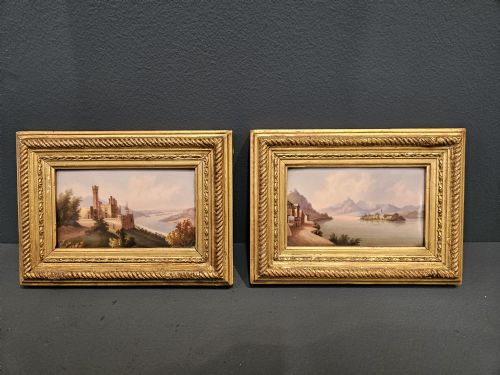
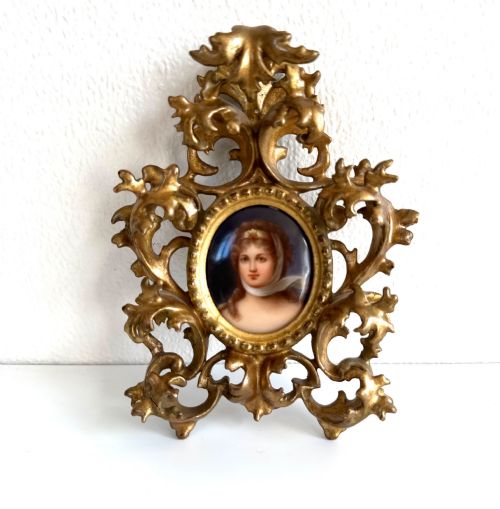
Porcelain plaques from factories like KPM Berlin or Limoges required firing and meticulous overglaze painting before mounting in carved frames. Paper silhouettes and cut-paper works demanded precise hand-cutting skills, often supplemented by fine watercolour details.
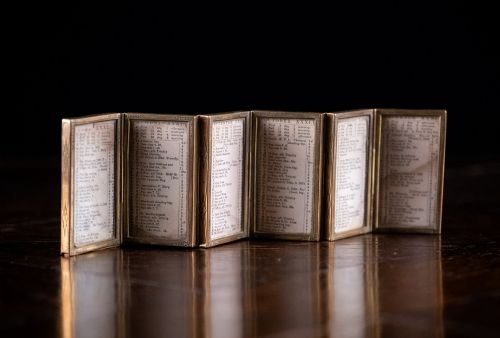
Travelling mounts incorporated hinged brass and glass panels to secure tiny almanacs or portraits for transport. Maple and oak surrounds supplied stable borders for delicate oval and rectangular paintings.
Victorian Miniature Frame Retail Price Guide 2026
Typical asking prices for victorian miniature frame among the pieces listed under this phrase on Sellingantiques today, from the lower quarter to the upper quarter. They describe what is for sale here now, not the wider market.
Listings feature 19th-century works in glass, paper, watercolour, wood, brass, ebonised wood, gilt wood, and porcelain.
Judging Quality
Quality rests upon the execution of the artwork itself, from the fine brushwork in a portrait miniature to the precision of a hand-cut silhouette. Signed works by documented artists or known galleries carry distinct artistic weight.
The integrity of the surrounding frame matters equally, with original ebonised, maple, or carved wooden borders contributing to the historical cohesion of the piece. Superior examples maintain their original glass, backboards, and mounting materials without later alterations.
William James Hubard·Augustin Edouart·Alessandro Cittadini·Henri Fradelle·William Egley
The Victorian Miniature Frame Glossary
- Silhouette
- A cut-paper or ink portrait profile, often heightened with watercolour details. These shadow likenesses became popular portraiture during the Georgian and Victorian eras.
- Porcelain plaque
- A flat piece of fired ceramic painted with fine artistic scenes or portraits. Factories such as KPM produced high-status examples designed for display in decorative frames.
- Travelling mount
- A hinged metal and glass case for carrying small items safely. Examples include brass frames housing miniature almanacs or portable portraits.
- Ebonised wood
- Timber treated to imitate ebony, producing a dense black finish. This material frequently appears on nineteenth-century portrait surrounds to create high contrast.
- Gouache
- An opaque water-based paint used for detailed miniature painting. It provides solid fields of colour on paper or card.
Victorian Miniature Frame: Frequently Asked Questions
What is a victorian miniature frame?
A victorian miniature frame is a small housing designed to display intimate nineteenth-century artwork, such as watercolour portraits, porcelain plaques, or paper silhouettes.
These enclosures use materials like brass, maple, ebonised wood, and glass to protect and highlight delicate artistry on a small scale.
How do I date a miniature frame?
Dating relies on stylistic clues within the frame and the artwork it holds, referencing periods like the Georgian era, Regency, or late nineteenth century.
Specific materials like ebonised wood, distinct brass mounts, and accompanying handwritten signatures or dates on the reverse help narrow the period.
What subjects appear in these frames?
Common subjects include portrait miniatures of children, military officers, and elegant gentlemen, alongside hand-painted porcelain plaques and cut-paper silhouettes.
Religious figures, theatrical scenes, and landscape watercolours also frequently occupy these compact nineteenth-century enclosures.
How should I display miniature frames?
Because of their small scale, these pieces suit intimate spaces, wall groupings, or placement on dedicated miniature shelving units.
Display them away from direct sunlight to protect delicate watercolours, paper silhouettes, and painted porcelain surfaces from fading.