






Victorian Military Sea Chest
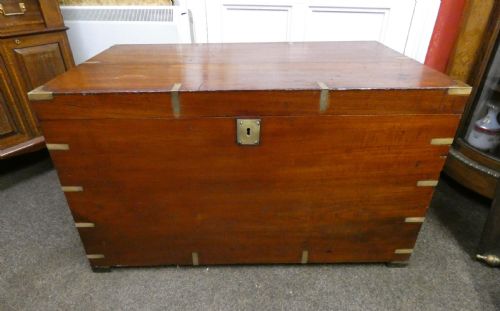
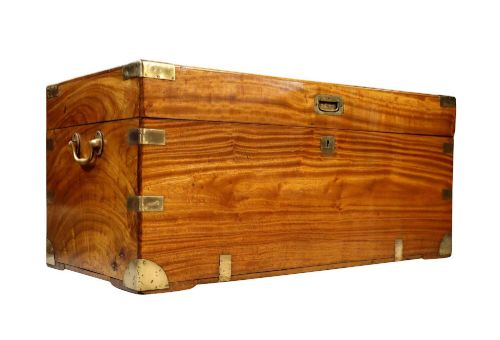
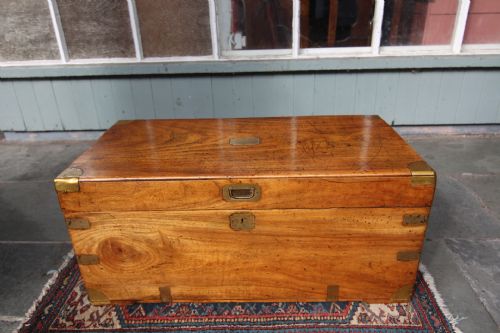
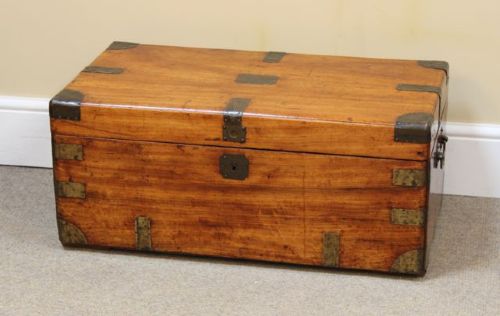
A victorian military sea chest is a rugged travelling trunk built for officers on the move, offering robust storage with distinct campaign character.
Victorian Military Sea Chest
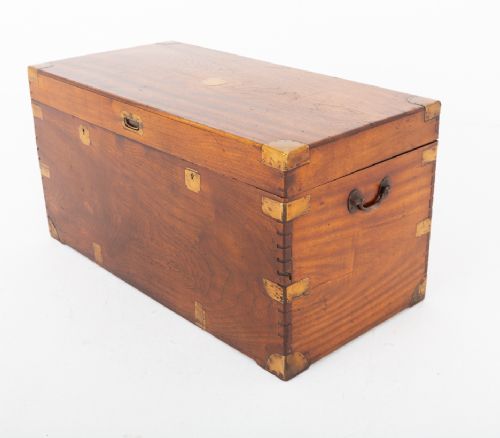
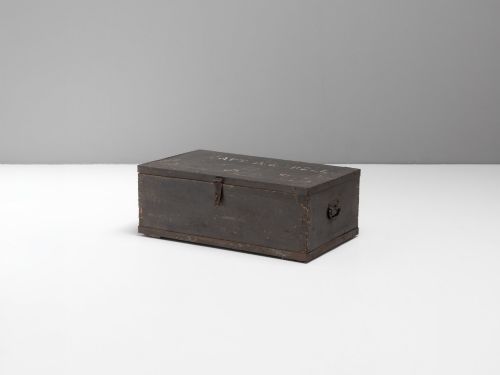
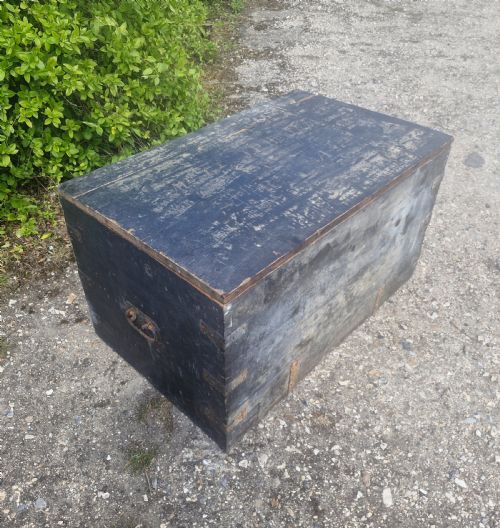
A victorian military sea chest is a sturdy box designed for transport by officers and regiments during the nineteenth century. These pieces function primarily as travelling trunks and storage chests, built to endure long journeys by sea and land.
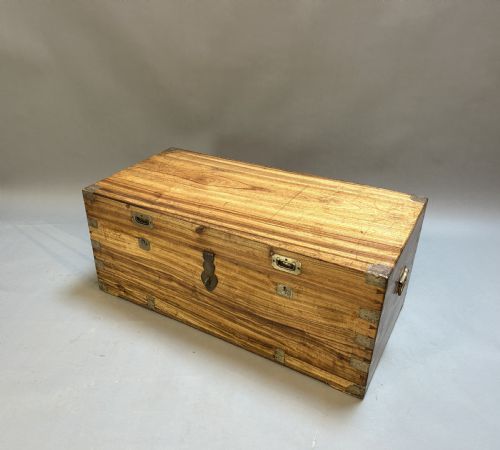
Camphor wood forms the backbone of these pieces, alongside pine, oak, and teak. Most examples appearing here date from the nineteenth century, including specific decades such as eighteen fifty, eighteen eighty, and eighteen ninety.
The styles range from campaign and military campaign to Victorian maritime and colonial campaign. Buyers typically encounter rectangular trunks equipped with hinged lids and carrying handles.
What varies in quality
Quality rests upon the selection of timber and the execution of the metal fittings. Solid camphorwood and substantial oak represent the sturdier end of the spectrum compared to simpler pine constructions.
The integration of original brass hardware, flush-fitting handles, and retained inscriptions elevates an example. Finer pieces demonstrate precise joinery designed to withstand the rigours of military campaigns.
Victorian Military Sea Chest Retail Price Guide 2026
Typical asking prices for victorian military sea chest among the pieces listed under this phrase on Sellingantiques today, from the lower quarter to the upper quarter. They describe what is for sale here now, not the wider market.
Some chests still retain faint traces of aromatic camphor and original ink inscriptions from nineteenth-century regiments.
The Victorian Military Sea Chest Glossary
- Campaign chest
- A portable set of drawers or a trunk built in sections or fitted with carrying handles for military officers on active service. These items needed to pack down easily for transport.
- Camphorwood
- An aromatic timber native to Asia, prized for its distinct scent and natural resistance to moths and dampness. It is the signature material for nineteenth century military chests.
- Brass bound
- A method of reinforcing box corners and edges with brass plates and straps to prevent splitting during transit. This adds both structural rigidity and decorative contrast to the wood.
- Recessed handle
- A metal handle set into a shallow cavity on the side of a chest so it does not protrude beyond the wood. This prevents snagging when trunks are packed tightly together.
- Maritime
- Pertaining to the sea, shipping, or naval trade, often describing items used extensively aboard vessels. These pieces reflect the conditions of nineteenth century sea travel.
Victorian Military Sea Chest: Frequently Asked Questions
What is a victorian military sea chest?
A victorian military sea chest is a heavy-duty travelling trunk used by officers and personnel during the nineteenth century. These boxes protected uniforms and personal possessions during long sea voyages and land campaigns.
Built to withstand rough handling, they combine sturdy timbers like camphorwood or oak with metal reinforcement. Today, they serve as decorative storage furniture in homes.
Why use camphor wood?
Camphor wood naturally repels insects and resists moisture, making it the ideal timber for long sea voyages. The wood protects woollens and uniforms from moths while stored inside damp ship holds.
Its distinct aromatic quality remains noticeable decades later when opening the chest. This practical choice became the defining material for campaign furniture.
How do I date these chests?
Dating relies on construction methods, materials, and any inscribed details or military association markers found on the brass hardware. Nineteenth-century examples often feature hand-cut dovetails and specific brass corner designs.
Reference points include decades such as eighteen fifty or eighteen eighty, alongside Victorian stylistic cues. Inscriptions naming regiments provide direct historical context.
How do I use one at home?
These chests function well as blanket boxes, coffee tables, or general storage trunks in living spaces and bedrooms. Their flat tops and robust construction allow them to double as surface furniture.
Placing them away from direct heat sources helps preserve the timber and finish. The interior space accommodates bulky household linens and winter wear.