

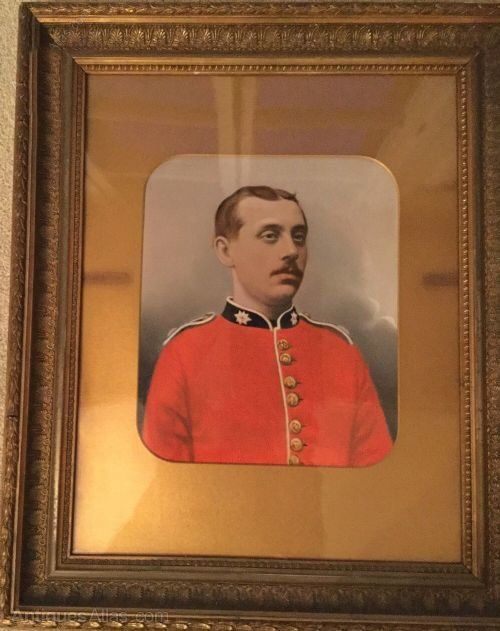


Victorian Military Artwork
Victorian military artwork comprises historical oil paintings, watercolours, and framed prints depicting officers, regiments, and battle scenes from the nineteenth century.
Victorian Military Artwork
When searching for victorian military artwork, buyers encounter a diverse selection of nineteenth-century oil paintings, watercolours, and framed prints. These pieces predominantly portray military officers, soldiers, and historical battle scenes from the Victorian period.
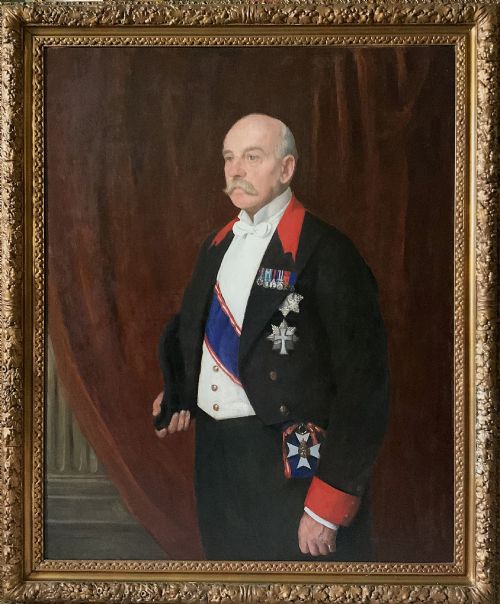
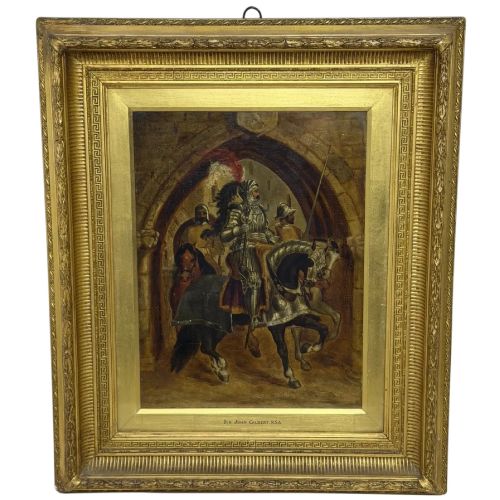
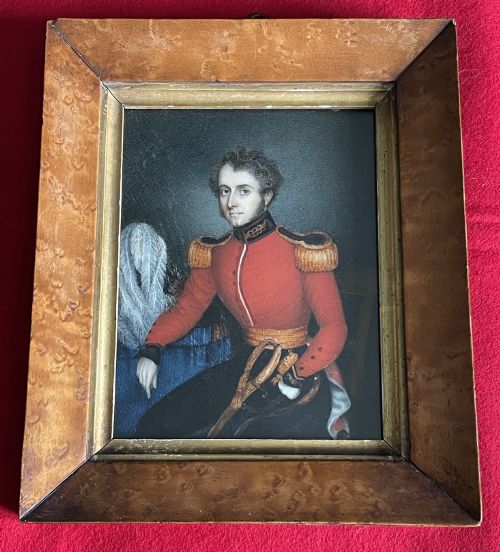
The objects available on this page include detailed portrait miniatures, monumental oil portraits of generals, and contemporary prints such as Vanity Fair publications. Works range from mid-nineteenth-century watercolours to large historical canvases produced towards 1900.
How they were made
Artists utilised oil on canvas and delicate watercolour on paper to capture the uniforms and expressions of military subjects. Many works employ traditional painting techniques, while others incorporate pen and ink or silkwork elements.
Finished pieces are frequently housed within period wooden frames, often finished in giltwood or oak to complement the formal nature of the artwork.
Listings feature paper, glass, wood, and canvas, spanning the Georgian, Victorian, and Edwardian periods through oil paintings and watercolours.
What varies in quality
The standard of execution in these pieces depends on the artist's ability to render complex uniform details, facial expressions, and anatomical proportions accurately. Works by documented painters demonstrate superior brushwork and compositional depth compared to anonymous or school pieces.
The preservation of the underlying paper or canvas, alongside the original condition of the accompanying giltwood or wooden frame, influences the overall integrity of the piece.
John A Houston·Ernest Crofts·Francis Russell Flint·Frederick Tayler·George Cattermole
The Victorian Military Artwork Glossary
- Oil on Canvas
- A painting technique where pigmented oil is applied to a stretched canvas support. This medium allowed artists to build rich textures and deep tones suitable for large military portraits.
- Watercolour
- A paint consisting of water-soluble pigments on paper. It was frequently utilised by nineteenth-century artists for portable military studies and detailed officer portraits.
- Giltwood
- Wood carved and covered with a thin layer of gold leaf. Frames made this way surround many nineteenth-century oil paintings.
- Vanity Fair Print
- A published satirical or portrait illustration issued in the periodical of that name. These prints frequently depicted prominent military figures and royalty around 1900.
Victorian Military Artwork: Frequently Asked Questions
What subjects appear in Victorian military artwork?
These pieces depict individual officers, generals, and enlisted men from various regiments, often shown in ceremonial red tunics or naval jackets. Scenes also include historical battle formations, encampments, and portraits of military horses.
Subjects range from named historical commanders to anonymous dragoons, guardsmen, and volunteer rifle soldiers captured during the nineteenth century.
How do I identify the period of a piece?
Dates can be determined by examining the uniform styles, medals, and weaponry depicted in the artwork, which correspond to specific nineteenth-century conflicts and eras. Signatures, inscriptions, and artist dates provide further chronological evidence.
Many listings include specific years or stylistic indicators such as Victorian dress or Georgian theatrical elements that anchor the piece in time.
What framing is common for these artworks?
Works are frequently housed in period wooden frames, including ornate giltwood designs that reflect nineteenth-century framing traditions. Some pieces feature oak frames or simple glass protection.
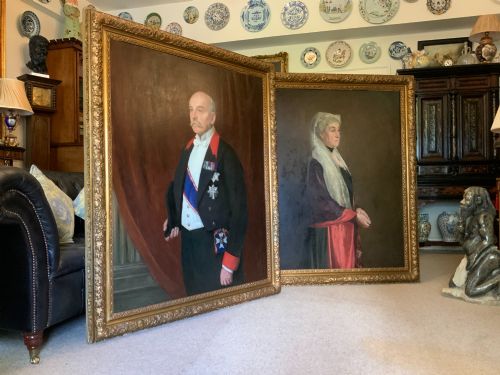
The framing often matches the scale of the artwork, from large giltwood pairs to compact surrounds for miniature portraits.
Are these pieces original nineteenth-century works?
The listings comprise original nineteenth-century oil paintings, period watercolours, and authentic contemporary prints such as Vanity Fair publications from 1900. Mediums include hand-drawn ink and silkwork pictures produced during the era.
Each piece reflects the materials and techniques characteristic of the Victorian period and surrounding decades.