



Victorian Metalware Jug
These Victorian metalware jug examples combine everyday utility with enduring craftsmanship, offering collectors tactile pieces of nineteenth-century design.
Victorian Metalware Jug
A victorian metalware jug encompasses a diverse range of functional and decorative vessels produced throughout the nineteenth century. These objects serve various historical purposes, from public house measures to domestic pouring vessels.
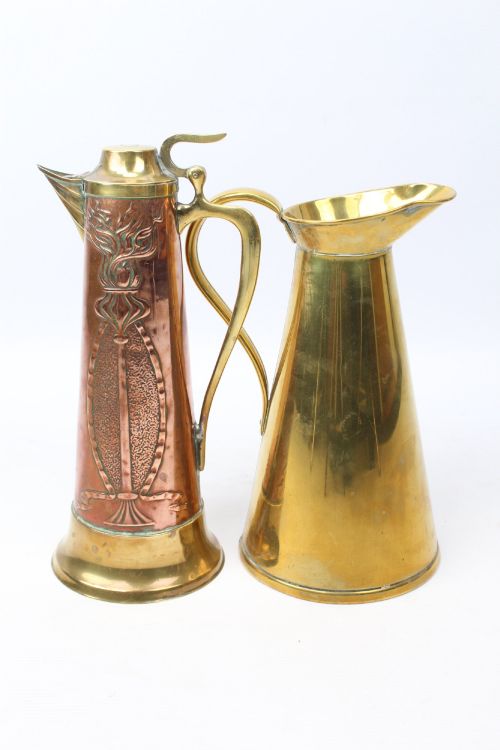
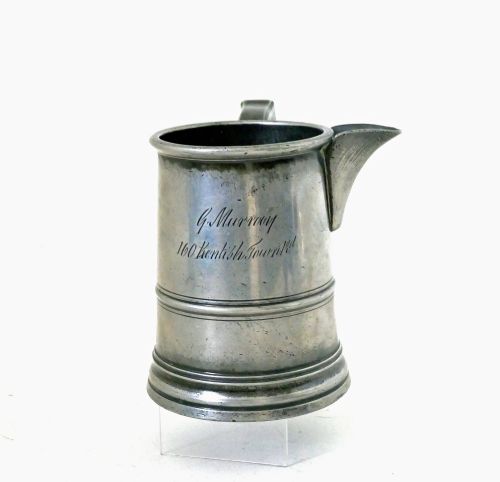
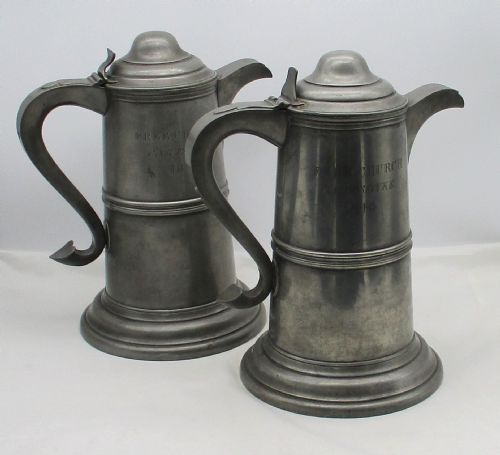
The selections on this page highlight forms such as copper measures, pewter tavern flagons, and decorative brass ewers. Collectors will frequently encounter both utilitarian liquid containers and more ornate ornamental pieces dating from the mid-nineteenth century.
Originating predominantly from English and Scottish workshops, these items reflect the metalworking standards of their era. The inventory spans simple tavern equipment to elaborate electrotype wine jugs.
Materials and construction methods
Pewter and copper dominate the construction of these vessels, shaped through traditional hammering, casting, and soldering techniques. Many pieces utilise heavy-gauge copper for durability in domestic or commercial settings.
Silver plating and electrotype metal introduce refined surface finishes to pieces intended for formal dining. Pewter items frequently feature touchmarks and imperial verification stamps denoting official capacity standards.
Victorian Metalware Jug Retail Price Guide 2026
Typical asking prices for victorian metalware jug among the pieces listed under this phrase on Sellingantiques today, from the lower quarter to the upper quarter. They describe what is for sale here now, not the wider market.
Listings feature 19th-century metalware spanning copper, pewter, brass, and silver plate, encompassing utilitarian tavern measures and decorative ewers.
Assessing quality in period metalwork
Subtleties in wall thickness, handle attachment, and surface finish distinguish standard utilitarian vessels from superior workshop productions. Heavier gauge metals and clean soldered seams indicate careful execution by skilled artisans.
Ornate detailing, such as classical embossing or crisp engraving, elevates the visual interest of decorative brass ewers and wine jugs. The presence of legible maker marks or royal verification stamps adds historical significance to individual examples.
Henry Bourne
The Victorian Metalware Jug Glossary
- Ewer
- A large jug with a wide spout and handle, traditionally used for pouring water or wine at the table. Victorian examples often feature classical revival motifs or ornate surface decoration.
- Pewter
- A malleable alloy traditionally composed of tin alloyed with copper and antimony. It was widely used in the nineteenth century for tavern measures and drinking vessels.
- Electrotype
- A method of depositing a thin layer of metal onto a mould using an electrical current. This technique allowed Victorian makers to produce highly detailed decorative vessels with complex relief designs.
- Measure
- A regulated container used to dispense exact quantities of liquid, particularly ale or spirits in public houses. These often bear official verification stamps from the reigning monarch.
- Flagon
- A large vessel with a handle and lid, designed for holding and pouring liquids. Period pieces in silver plate or base metal served both functional dining roles and decorative display.
Victorian Metalware Jug: Frequently Asked Questions
What were these metal jugs used for originally?
Many nineteenth-century metal vessels functioned as practical measures in inns and taverns, ensuring accurate dispensing of ales and spirits. Others served domestic roles in the kitchen or acted as decorative wine flagons for the dining table.
Over time, utilitarian pieces transitioned from active service into collected items valued for their industrial heritage and display qualities.
How do I care for antique copper and pewter?
Regular dusting and occasional gentle cleaning with appropriate non-abrasive metal cleaners help maintain the surface stability of copper and brass. Aggressive polishing should be avoided to preserve the natural oxidation and historical patina accumulated over generations.
Pewter requires particularly mild handling to protect the softer alloy surface from scratching or deformation during routine maintenance.
How can I tell the age of a metal jug?
Dating relies on examining construction methods, material composition, and any stamped verification marks from the period. Official crown stamps, such as VR markings, provide a reliable baseline for dating items to the nineteenth century.
Stylistic influences, ranging from utilitarian tavern designs to Arts and Crafts aesthetics, offer further context regarding the decade of manufacture.
Where were these metal items made?
The available pieces originate primarily from British workshops, with specific regional origins noted in manufacturing centres across England and Scotland. Local metalworking traditions influenced the distinct styles of measures and ewers produced in different towns.
Urban centres often supplied standardised tavern equipment, while specialised regional shops created distinctive domestic pouring vessels.