


Victorian Metal Tray
A victorian metal tray brings durable utility and rich decorative craft into a room, spanning heavy cast iron to finely painted toleware.
Victorian Metal Tray
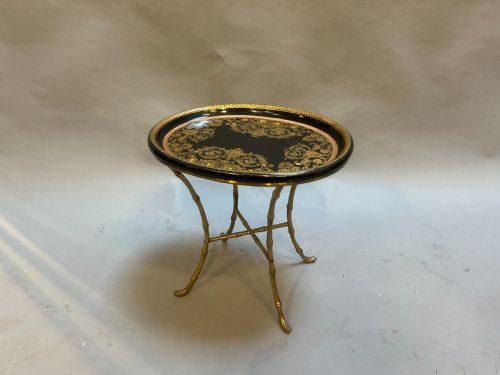
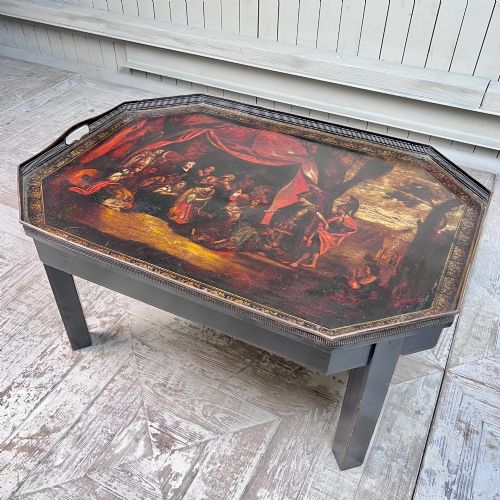
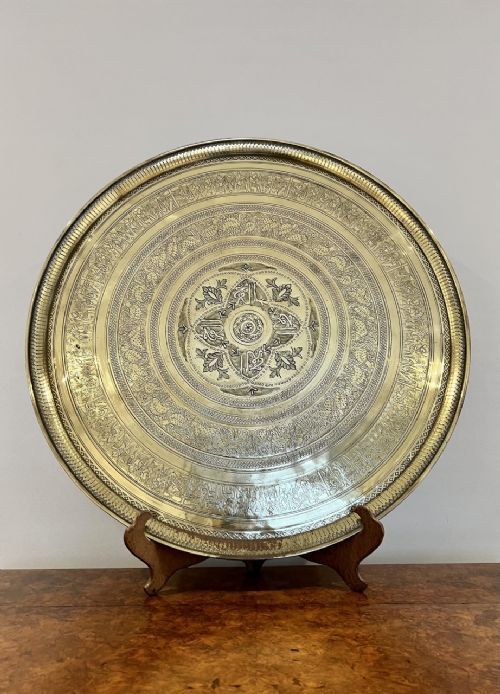
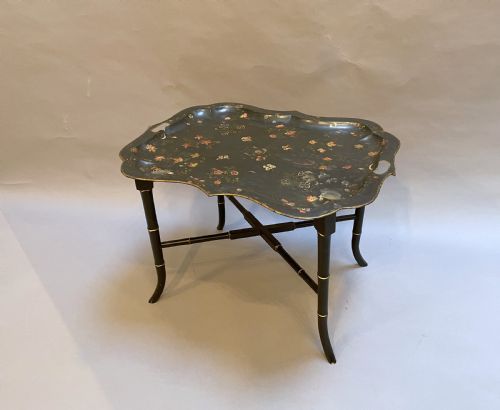
A victorian metal tray encompasses serving platters, decorative chargers, and occasional tray tables produced during the nineteenth century and adjacent periods. The selection frequently includes toleware items, engraved mixed metal pieces, and heavy brass or copper chargers.
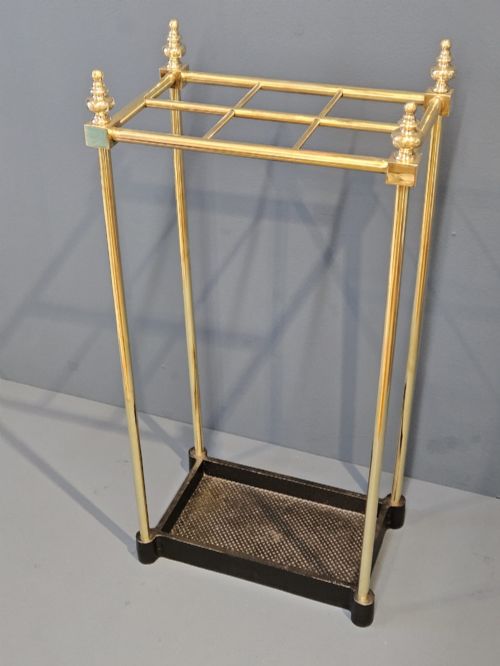
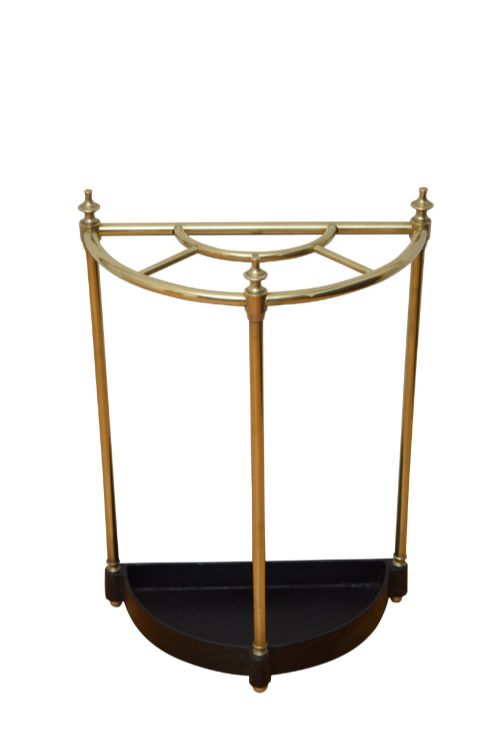
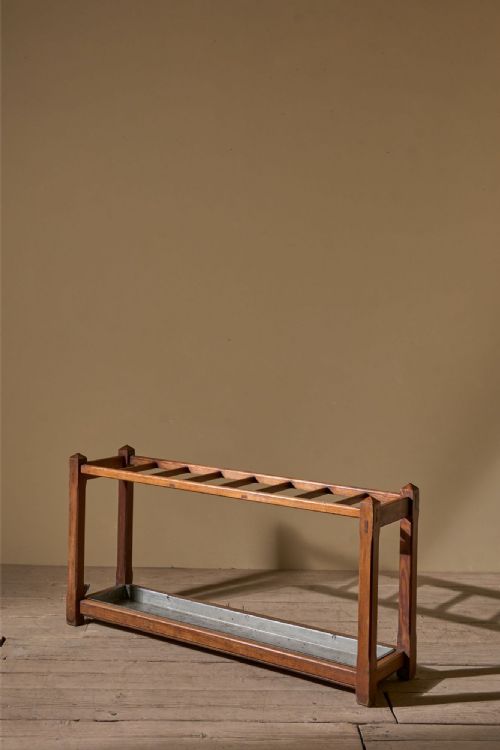
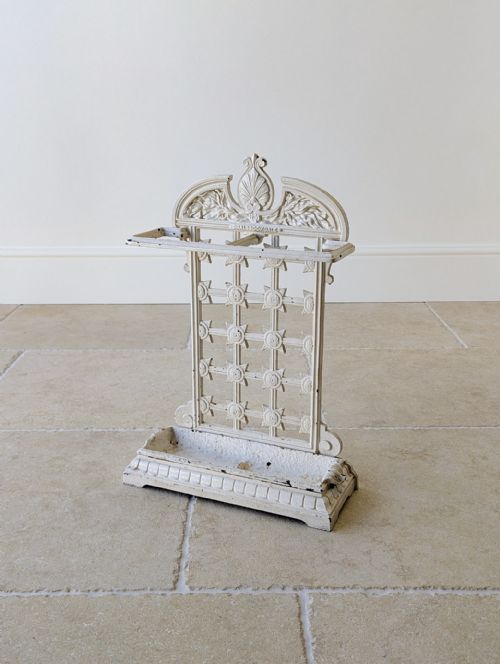
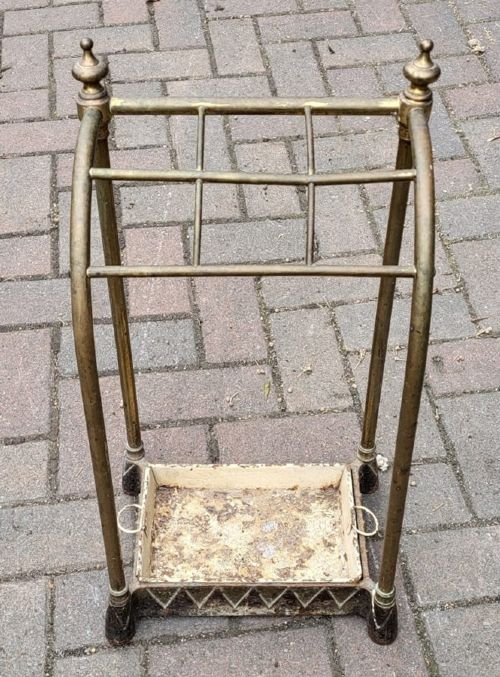
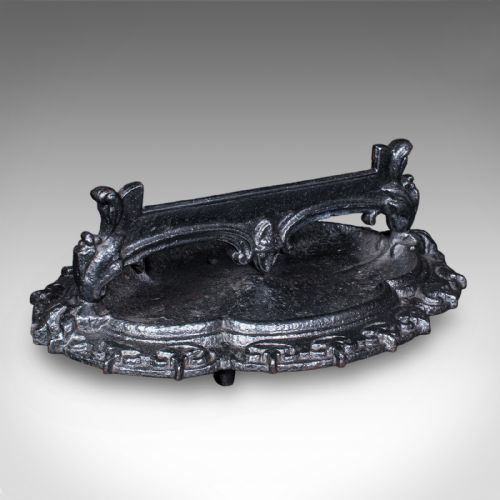
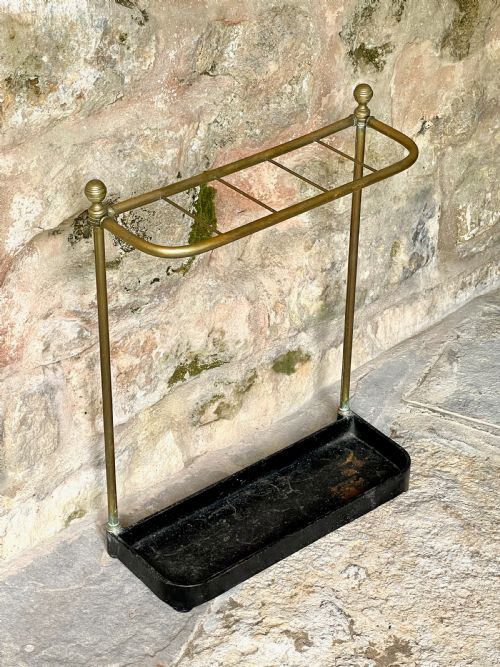
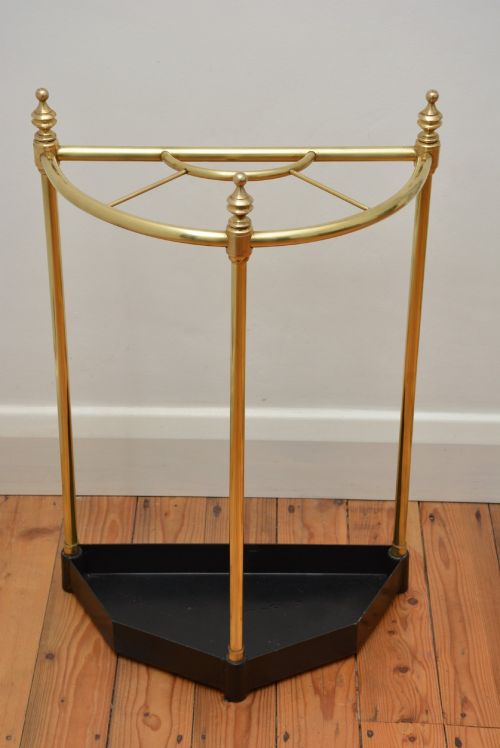
Beyond flat servers, the category extends into entrance furnishings and display items like umbrella and stick stands alongside boot scrapers fashioned from cast iron and brass. These practical pieces reflect the industrial capabilities and domestic routines of the era.
Makers and workshops across England, France, and wider international traditions contributed to the variety, incorporating styles from Neoclassical to Arts and Crafts. Buyers encounter both utilitarian entryway ironwork and highly ornamented display trays meant for formal reception rooms.
Materials and Techniques
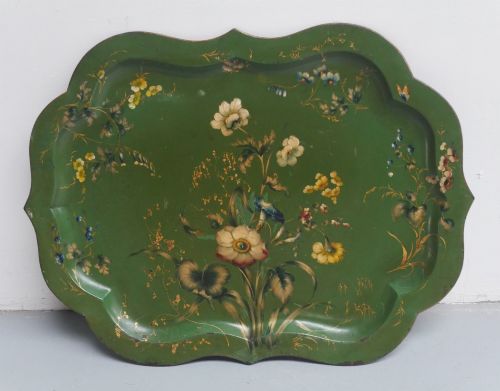
Cast iron and brass form the backbone of structural items, utilised for robust umbrella stands and doorway scrapers through sand casting and assembly. Toleware relies on japanning and hand-painting over metal sheets, creating smooth dark grounds decorated with classical scenes or florals.
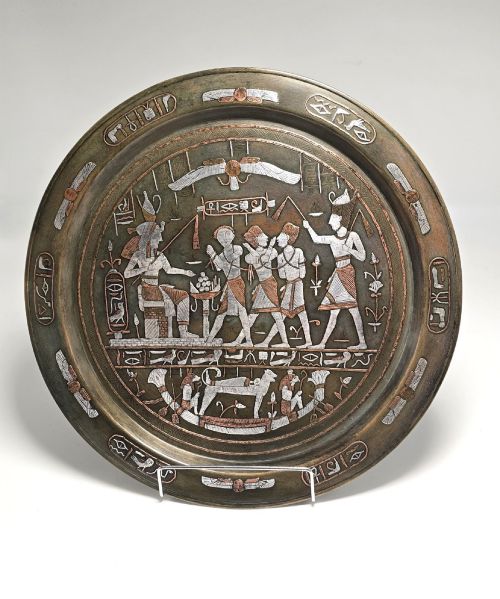
Copper, silver plate, and mixed metals receive surface enrichment through engraving, repoussé work, and silver inlay, as seen in Cairo Ware and Kashmiri chargers. These decorative techniques demand skilled handwork to pattern the metallic surfaces with intricate detail.
Victorian Metal Tray Retail Price Guide 2026
Typical asking prices for victorian metal tray among the pieces listed under this phrase on Sellingantiques today, from the lower quarter to the upper quarter. They describe what is for sale here now, not the wider market.
Listings feature items spanning the Victorian, Edwardian, and early twentieth-century periods, constructed from brass, cast iron, copper, and painted toleware.
Assessing Quality
Quality rests upon the crispness of the casting in ironwork and the finesse of the brushwork or engraving on decorative trays. Superior examples display sharply defined motifs and balanced compositions without heavy wear to the underlying metal or paint layers.
The integrity of construction separates standard utility items from finer parlour pieces, where mounts, joints, and applied ornaments remain secure and well-aligned. Heavier gauge metals and retained original finishes command greater appreciation.
Coalbrookdale·Padley Parkin·H. Meeson
The Victorian Metal Tray Glossary
- Toleware
- Metalware finished with a japanned or painted lacquer coating, often taking the form of trays and vessels decorated with detailed scenes. Pontypool and similar centres produced notable examples during the nineteenth century.
- Repoussé
- A metalworking technique where the artisan hammers the design from the reverse side to form a raised relief on the front. This method appears on copper and silver-plated trays to create textured patterns.
- Japanning
- A European imitation of East Asian lacquerwork achieved through layers of varnish heated and cured on metal or wood surfaces. It provides the glossy dark background characteristic of many antique trays.
- Demi-lune
- A half-moon shape commonly utilised for umbrella and stick stands designed to sit flat against a hallway wall. This space-saving form appears frequently in brass and cast iron.
- Charger
- A large decorative plate or tray intended for display on a sideboard or wall rather than general food service. These items often feature elaborate engraving, inlay, or hand-painted mythological scenes.
Victorian Metal Tray: Frequently Asked Questions
How do I clean an antique metal tray?
Dust gently with a dry soft cloth to remove surface particles without disturbing aged patinas or painted surfaces.
Avoid abrasive polishes or harsh chemical immersion, particularly on toleware and silver-plated items where the coating can easily sustain permanent damage.
Were these trays used for serving food?
Larger serving trays and platters performed functional duties in dining rooms and parlours during the Victorian period.
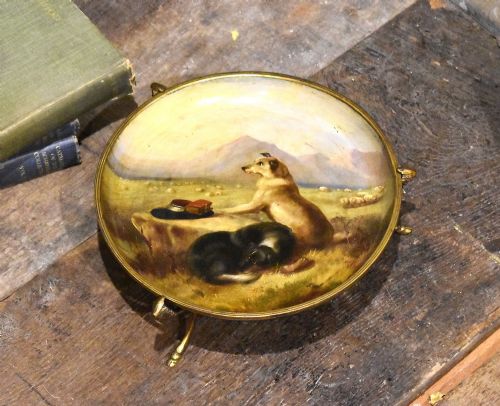
Many decorative chargers and painted tole pieces served purely ornamental roles, displayed on stands or hung on walls.
What is toleware?
Toleware refers to household objects fashioned from tinned sheet metal and finished with dark japanned lacquer or hand-painted designs.
Craftsmen created everything from small desk accessories to large display trays using this versatile technique.
How can I date a cast iron stand?
Dating relies on stylistic clues like Neoclassical or Arts and Crafts motifs combined with foundry marks or registration numbers where present.
Heavier construction methods and distinct surface textures also help distinguish mid-nineteenth-century work from later Edwardian reproductions.