

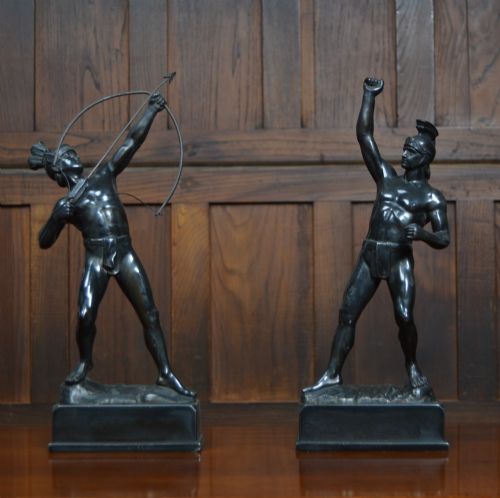
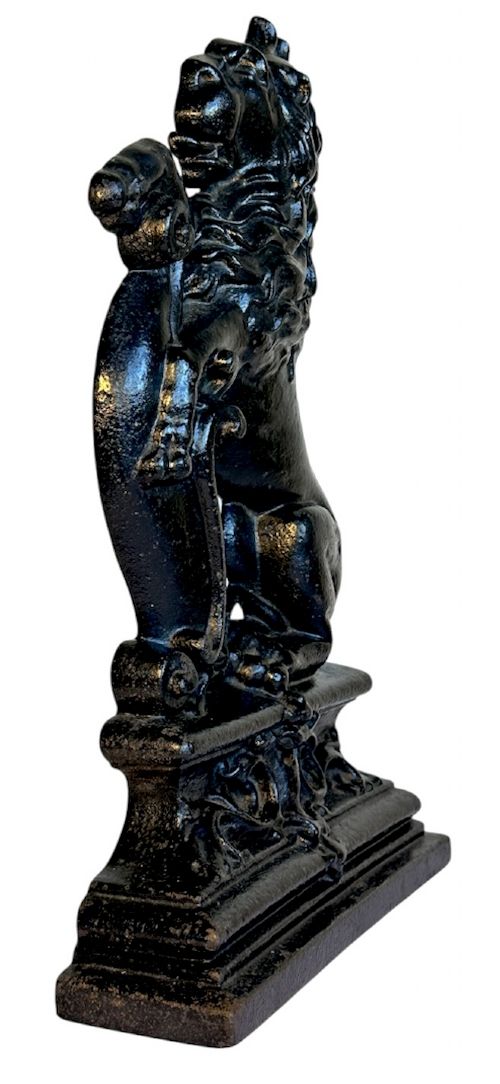
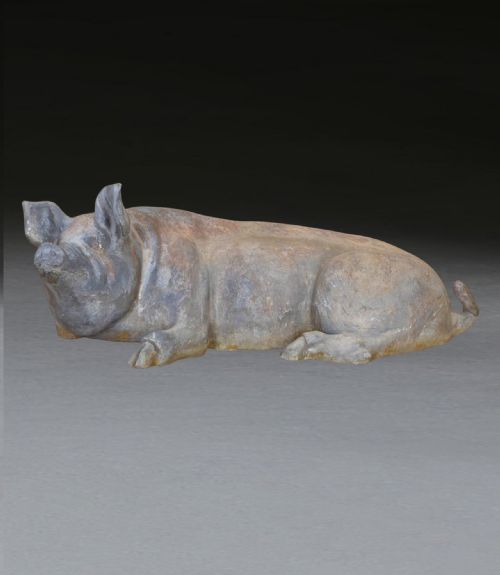
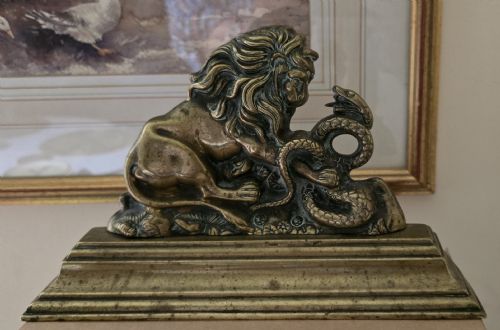
Victorian Metal Sculpture
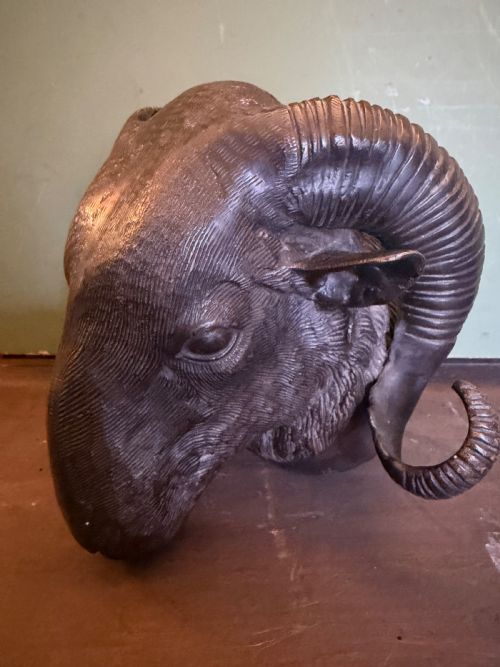
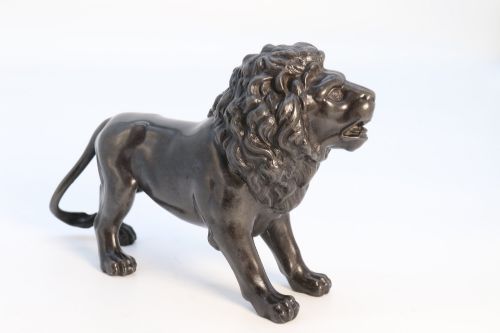
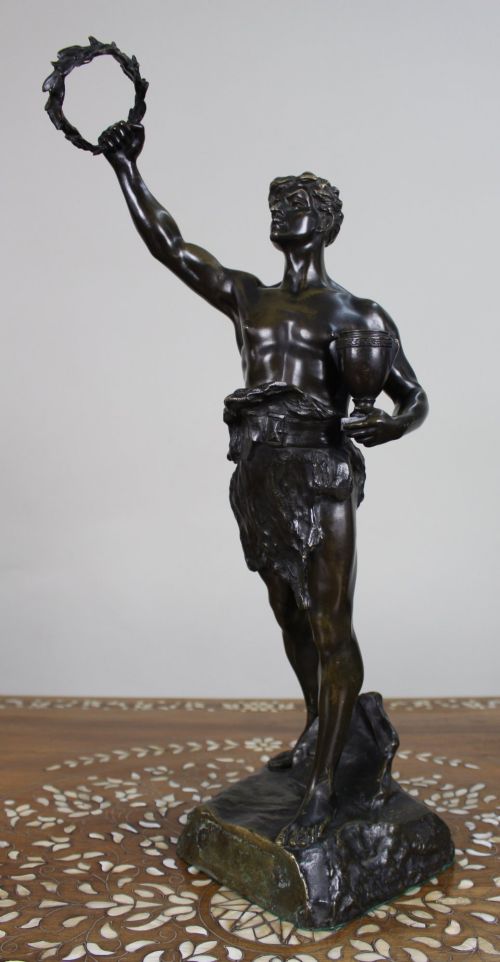
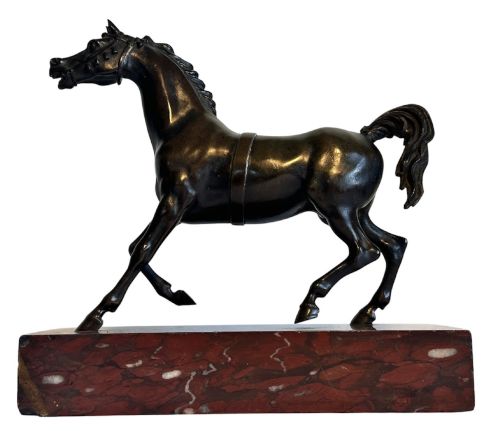
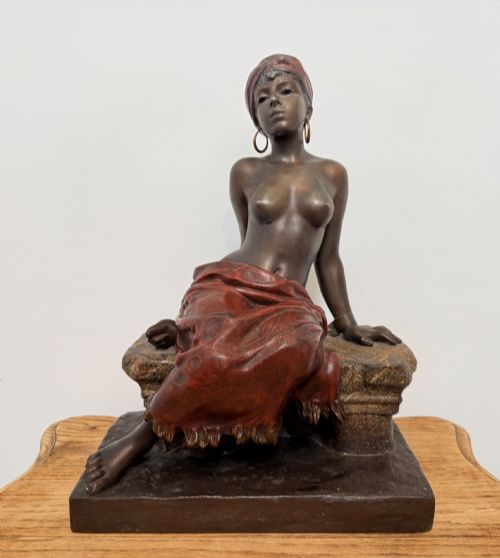
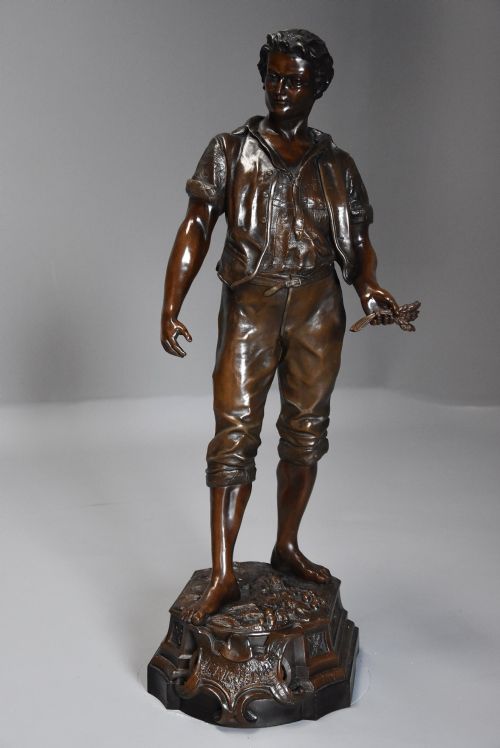
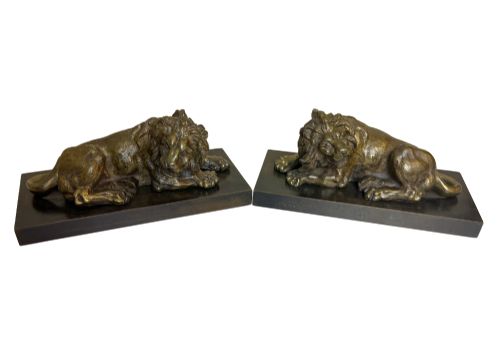
Victorian metal sculpture encompasses cast bronze animals, iron doorstops and spelter figures that bring industrial weight and classical form to a room.
Victorian Metal Sculpture
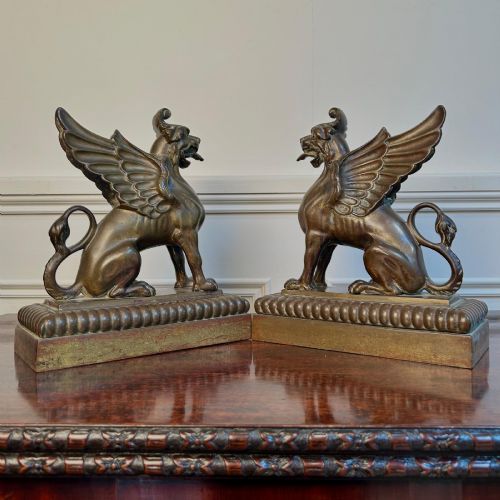
Victorian metal sculpture spans utilitarian items and cabinet bronzes, drawing on animalier, neoclassical and gothic revival styles. These objects reflect a period when metalworking techniques advanced rapidly to supply both domestic interiors and public spaces.
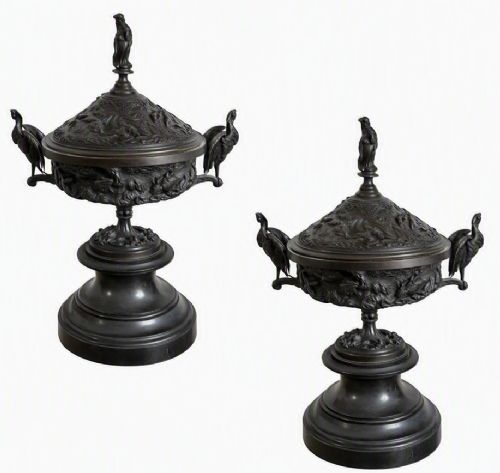
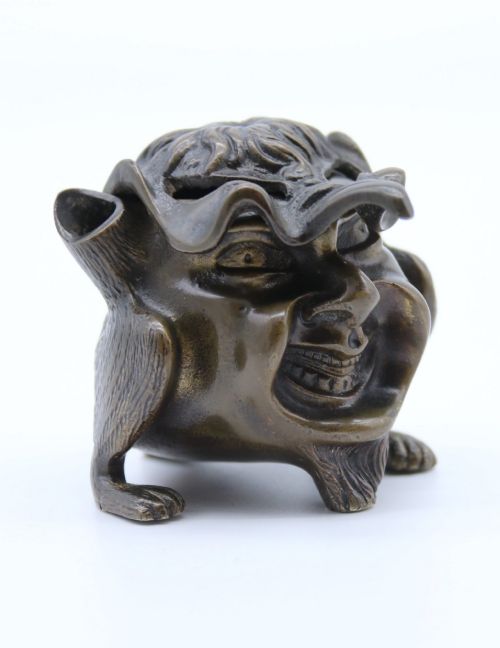
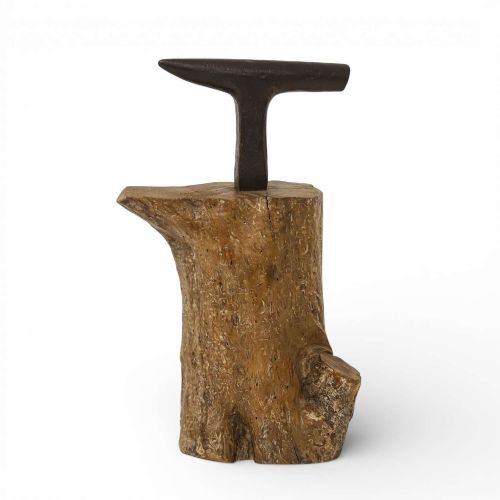
The buyer meets numerous domestic forms here, including doorstops, inkwells and weather vanes alongside traditional animal and human figures. Bronze, spelter and cast iron dominate the selection, often mounted on marble or fruitwood bases.
Many pieces display the maker's signature or foundry stamp, linking them to French and English workshops of the nineteenth century. Stylistic influences range from Egyptian revival motifs to vernacular folk art depictions of farm animals and birds.
Materials and technique
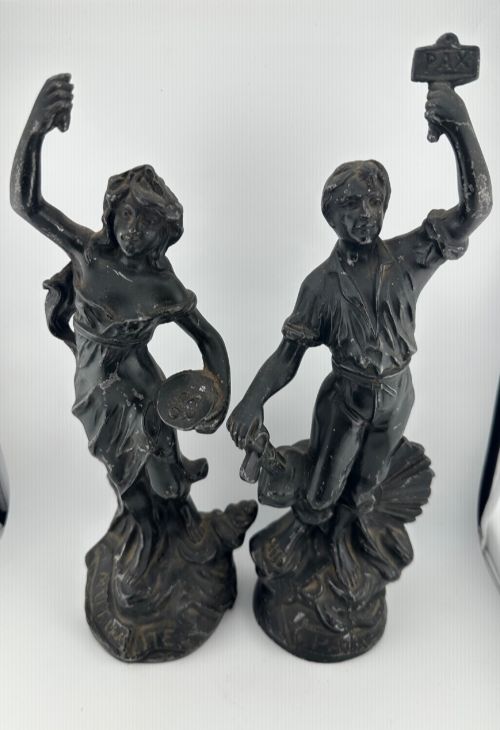
Foundries utilised lost-wax and sand-casting methods to shape bronze, brass and iron into intricate anatomical and architectural forms. Spelter offered an economical alternative to solid bronze, frequently receiving a bronzed or painted finish to imitate heavier metal.
Surface treatments included patination, gilding and old paint applied over sheet metal and cast iron to provide colour and protection. Bases of white marble, fruitwood and stone provided stability for heavier bronze and cast iron figures.
Victorian Metal Sculpture Retail Price Guide 2026
Typical asking prices for victorian metal sculpture among the pieces listed under this phrase on Sellingantiques today, from the lower quarter to the upper quarter. They describe what is for sale here now, not the wider market.
Materials include white metal, sheet brass, lead and carved fruitwood alongside traditional bronze.
Judging quality
Weight and metal density matter significantly, distinguishing solid bronze and heavy cast iron from hollow spelter alternatives. The integration of the sculpture with its base, whether marble or fruitwood, demonstrates the original maker's standard of construction.
Jules Moigniez·F.Milliot·E Villanis·Jean Jules Salmson
The Victorian Metal Sculpture Glossary
- Animalier
- A nineteenth-century artistic focus on the realistic portrayal of animals, particularly lions, deer, horses and dogs. Sculptors in this tradition studied anatomy closely to capture creatures in motion or repose.
- Spelter
- An alloy based on zinc, often used as a cheaper substitute for bronze in nineteenth-century figures. It is softer and lighter than bronze and typically requires a surface patination or bronze-paint finish.
- Patina
- The surface coloration and texture developed through age or chemical treatment on metal objects. A good patina enhances the depth and visual warmth of bronze and cast iron.
- Foundry mark
- A stamp, signature or cipher cast into the metal indicating the workshop or commercial foundry responsible for producing the piece. These marks assist in dating and attributing nineteenth-century works.
- Weathervane
- A functional outdoor sculpture mounted on a pivot to show wind direction, commonly fashioned from sheet copper, iron or zinc. Folk art examples often depict cockerels, horses and other farm animals.
Victorian Metal Sculpture: Frequently Asked Questions
What is spelter?
Spelter is a zinc-based alloy that nineteenth-century manufacturers used to produce affordable decorative figures and candlesticks. It is significantly lighter and more brittle than bronze.
Makers frequently coated spelter in a dark bronze-like finish or paint to mimic more expensive materials. Careful handling is necessary because spelter bends and snaps more easily than bronze or iron.
How are bronze figures dated?
Dating relies on stylistic clues, foundry marks, costume details and the character of the metal patination. Comparison with signed works by known nineteenth-century sculptors helps narrow the period.
The presence of original bases, such as carved fruitwood trunks or specific marbles, also provides chronological context. Documentary evidence in artist catalogues can confirm the year an edition was first cast.
Where should I place cast iron doorstops?
Cast iron doorstops function well on interior floors to hold heavy wooden doors open during warm weather. Ensure the felt or protective backing remains intact to prevent scratching wooden floorboards.
Keep iron pieces away from damp environments like unheated porches to prevent rust formation. Displaying them on stable shelves or side tables also suits smaller decorative doorstops and paperweights.