



Victorian Metal Park Bench
These Victorian metal park bench examples bring enduring garden utility and classic form straight from nineteenth-century grounds.
Victorian Metal Park Bench
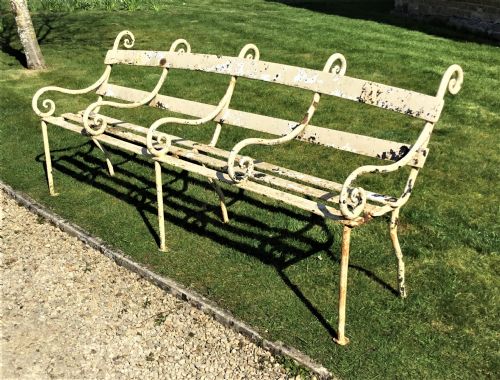
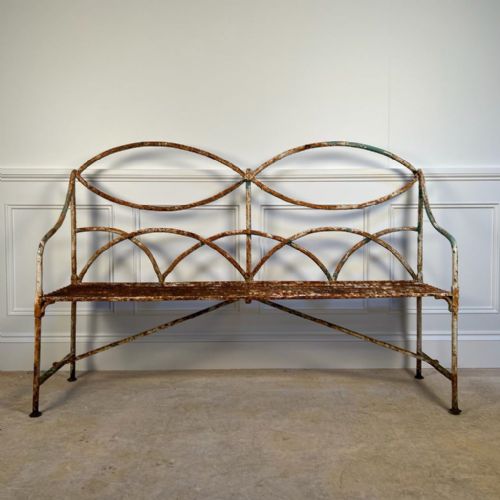
Buyers browsing this selection encounter garden benches and seats spanning the nineteenth century, Regency era, and early twentieth century. Most pieces feature cast iron or wrought iron construction, frequently paired with timber slats to create a balanced outdoor seat.
The assortment includes specific regional and stylistic variants such as French nineteenth century examples and Arras designs alongside standard English garden benches. Two seater configurations and four seater garden seats appear across the listings, showing the range of sizes produced for historical landscapes.
How they were made
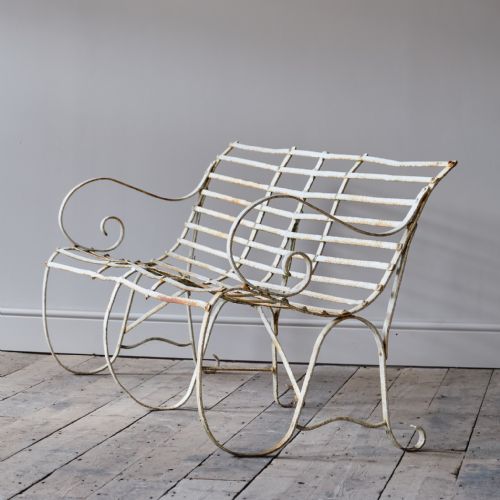
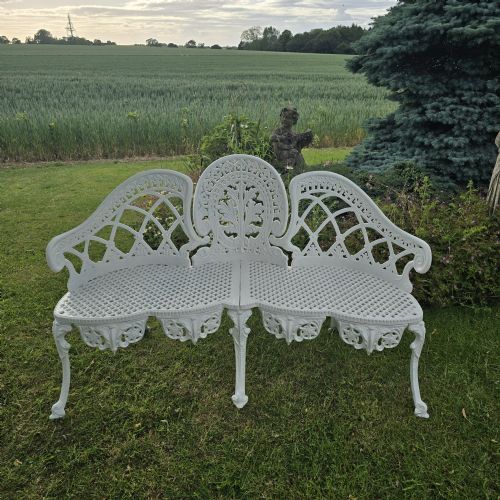
Makers utilised cast iron and wrought iron for the primary structural frames and decorative ends, shaping molten metal into scrollwork, strap work, and rustic faux bois patterns. These metal components provide the weight and rigidity necessary for permanent outdoor placement.
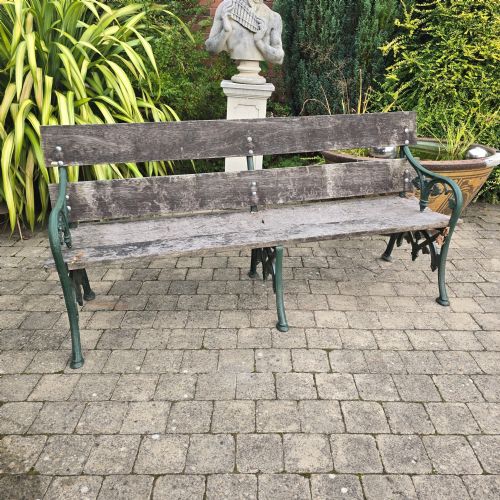
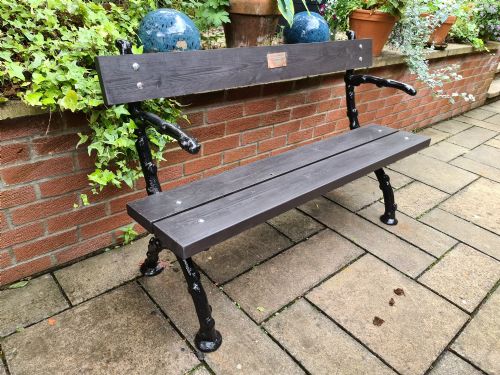
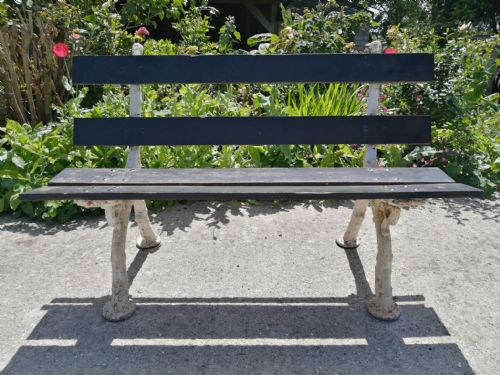
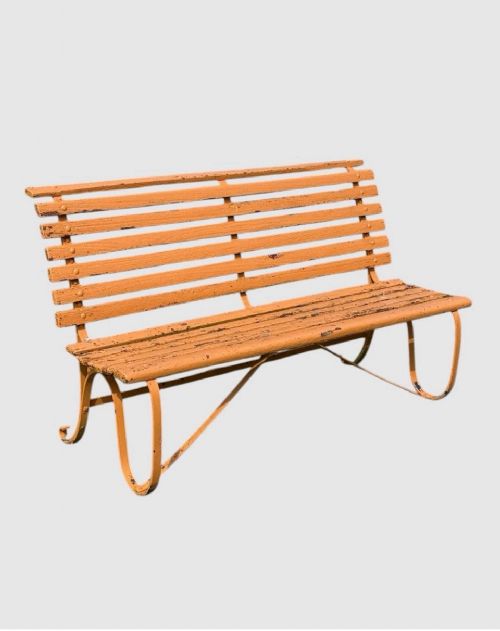
Wood and timber slats form the seating surfaces on many examples, bolted directly into the metal framework to offer a practical place to sit. Original paint finishes frequently survive in layers on the ironwork, bearing witness to decades of exterior exposure and maintenance.
Victorian Metal Park Bench Retail Price Guide 2026
Typical asking prices for victorian metal park bench among the pieces listed under this phrase on Sellingantiques today, from the lower quarter to the upper quarter. They describe what is for sale here now, not the wider market.
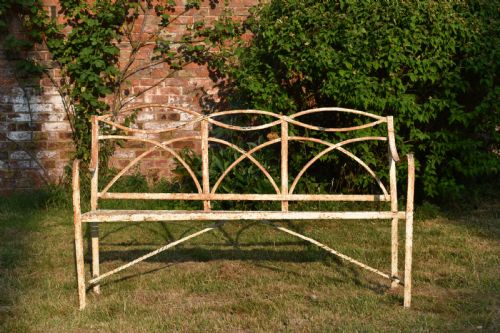
Several benches preserve thick layers of historic garden paint, telling a silent story of decades spent beneath leafy canopies.
What varies in quality
The refinement of the casting work dictates the visual appeal of the ends, ranging from simple functional strapwork to intricate decorative motifs and naturalistic faux bois detailing. Finer pieces demonstrate sharper relief in the metalwork and more sophisticated handling of classical or rustic styles.
The preservation of original paint layers and the structural integrity of the iron and timber components influence the character of each seat. Examples retaining untouched historic surfaces stand apart from those that have undergone extensive refurbishment.
Coalbrookdale
The Victorian Metal Park Bench Glossary
- Cast iron
- Molten iron poured into a mould to create rigid, highly detailed decorative bench ends and frames. This material allows for intricate relief patterns such as foliage and rustic wood simulation.
- Wrought iron
- Iron heated and beaten into shape by hand, resulting in strong, flexible structural members often formed into strapwork and scroll designs. It provides a lighter appearance than cast iron.
- Strapwork
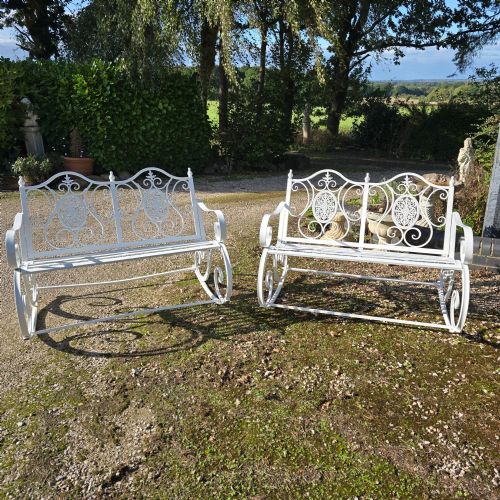
- Flat bands of metal arranged in geometric or interlaced patterns across the backrest or seat supports. This decorative technique appears frequently on Regency and Victorian examples.
- Faux bois
- Imitation wood grain moulded into iron to mimic natural timber branches and bark. This rustic style enjoyed popularity during the nineteenth century.
- Arras
- Distinctive French wirework and sheet metal garden furniture originating from the town of Arras. These pieces feature characteristic construction methods and robust iron frames.
Victorian Metal Park Bench: Frequently Asked Questions
How do I maintain an iron garden bench?
Keep the metal clean and address any emerging oxidation promptly to preserve the structural strength of the frame. Applying appropriate protective coatings helps safeguard historic paint layers against weather damage.
Ensure timber elements are treated or replaced with matching wood if decay occurs. Positioning the seat on dry paving during winter months prevents excessive moisture absorption.
Are these benches suitable for outdoor use?
These pieces were built specifically for exterior environments, utilising durable iron and robust timber. Their substantial weight helps them withstand outdoor conditions without requiring permanent anchoring.
Regular seasonal checks ensure the fixings joining the wood slats to the metal frame remain secure. Protecting the seat from harsh winter extremes extends the life of the materials.
How can I tell a nineteenth-century bench apart?
Examine the construction methods, joint types, and metal characteristics to understand the production period. Nineteenth-century examples often display specific casting techniques and weathered surface patination that later reproductions lack.
Stylistic cues such as Regency strapwork or Victorian rustic faux bois point directly to historical design traditions. Compare the weight and detailing of the ironwork against known period standards.
What is the difference between cast and wrought iron?
Cast iron is brittle and formed by pouring molten metal into a mould, allowing for complex, decorative three-dimensional patterns. Wrought iron is hammered and bent into shape, resulting in strong, fibrous components suited for strapwork and scrolls.
Many garden seats combine both materials, using cast iron for decorative ends and wrought iron or timber for the structural elements. Understanding this distinction clarifies how a specific bench was manufactured.