

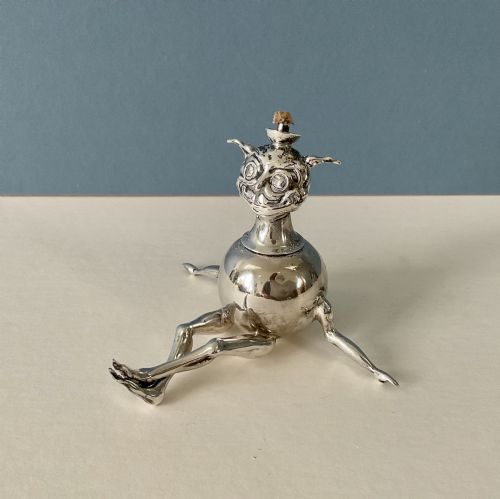
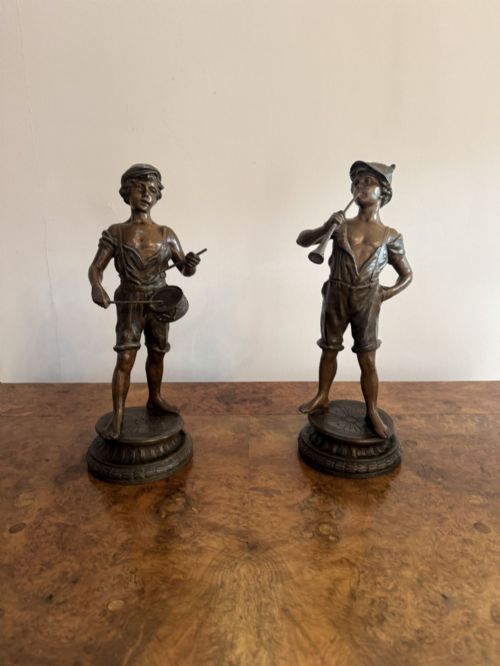
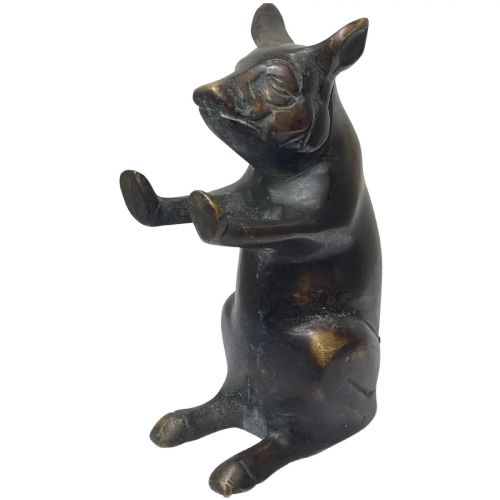
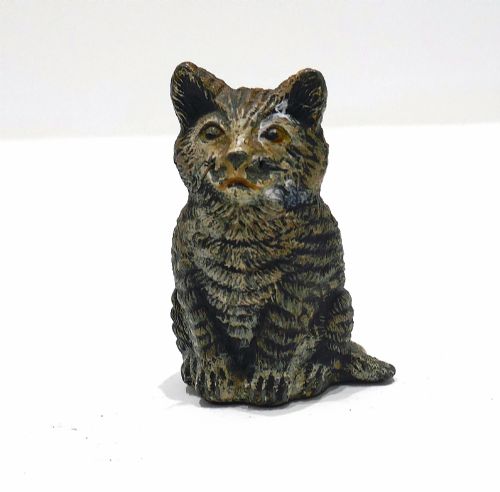

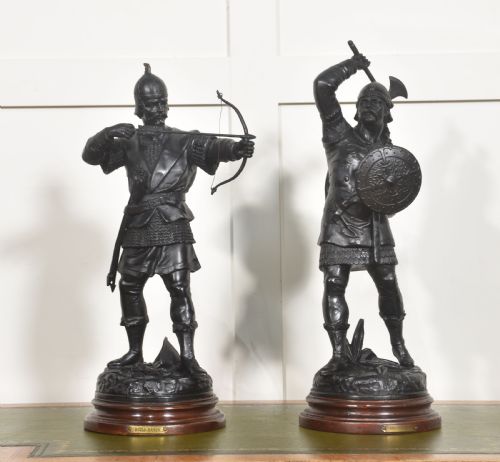


Victorian Metal Figurine
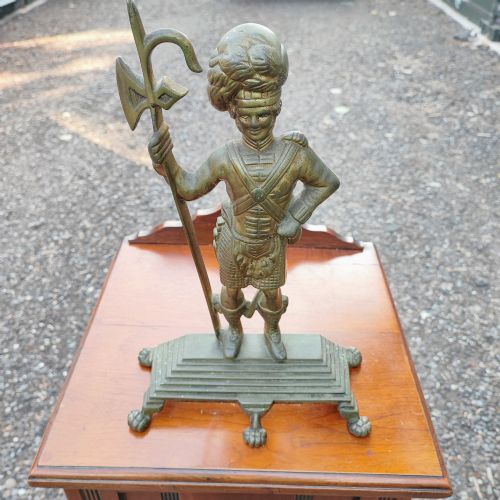
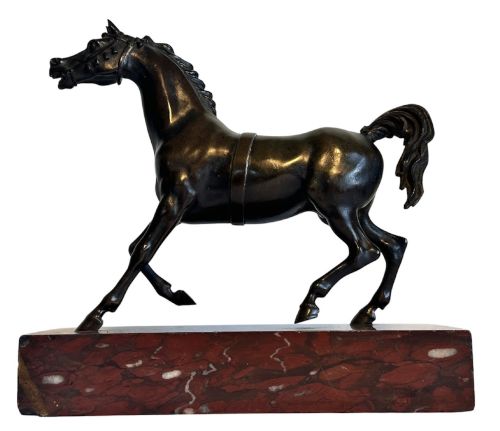
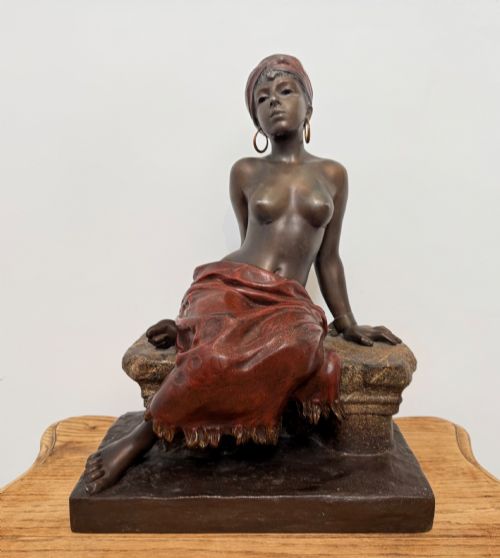
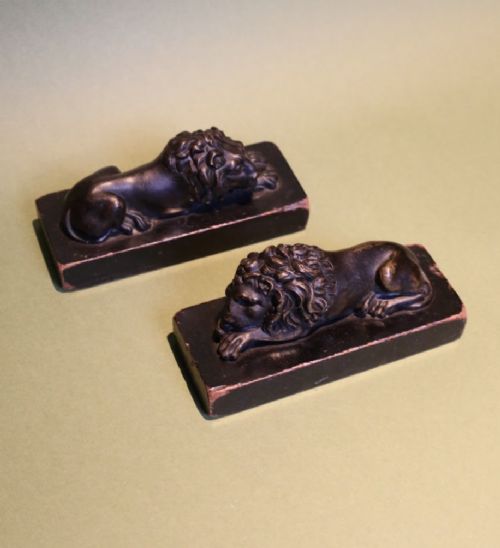
These robust and characterful metal figures span the Victorian era and beyond, offering domestic utility alongside sculptural charm.
Victorian Metal Figurine
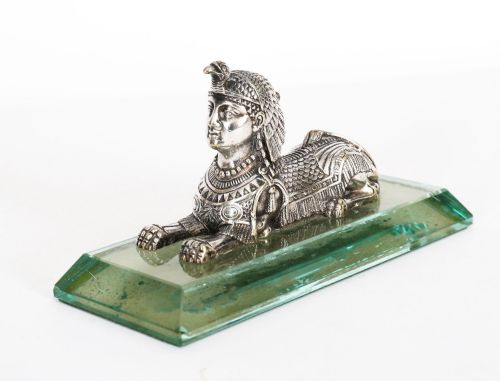
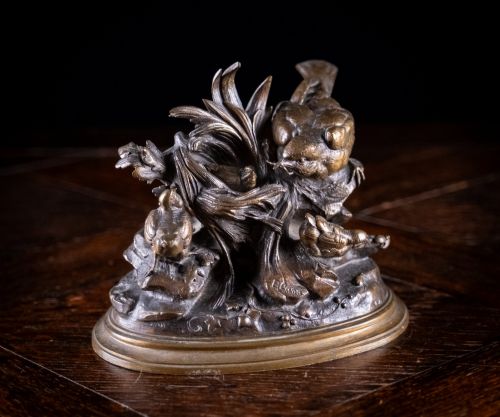
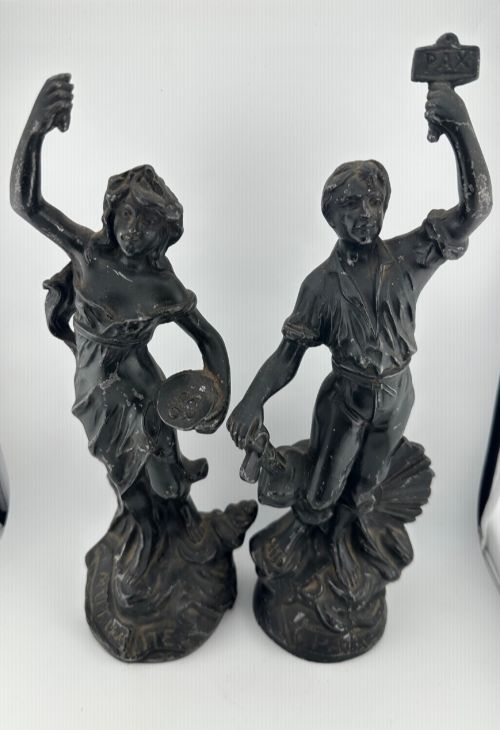
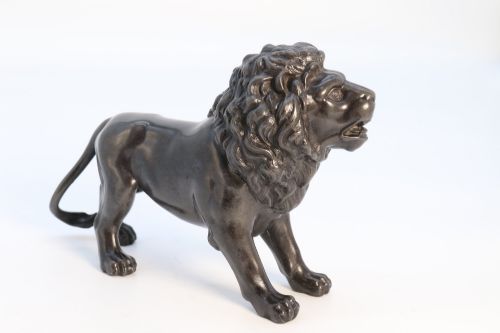
A victorian metal figurine encompasses a diverse array of small sculptures, practical doorstops, desk ornaments, and fireside companions produced across the nineteenth and early twentieth centuries.
The objects take many forms, from classical lions and mythological studies to everyday animals, literary characters, and allegorical representations.
Most pieces date from the Victorian period through to the Edwardian era, reflecting both British craftsmanship and continental European output.
Materials and Casting
Foundries utilised metals such as bronze, brass, cast iron, spelter, and pewter, often combining them with marble bases or painted details.
Casting methods varied from traditional lost-wax bronze work to robust iron moulding for utilitarian objects like doorstops.
Victorian Metal Figurine Retail Price Guide 2026
Typical asking prices for victorian metal figurine among the pieces listed under this phrase on Sellingantiques today, from the lower quarter to the upper quarter. They describe what is for sale here now, not the wider market.
Several dogs appear on duty, including a nodding model and a bulldog by Bergman.
Quality and Detail
Quality rests upon the crispness of the casting and the sensitivity of the finishing work, distinguishing mass-produced items from finely detailed artistic studies.
Surface treatments, such as cold-painted polychrome finishes or patination, significantly influence the visual depth and historical integrity of each piece.
E Villanis·Jean Jules Salmson·Lucien Madrassi·C Dopmeyer·Jennings Brothers·Franze Bergman
The Victorian Metal Figurine Glossary
- Spelter
- A zinc alloy frequently used as a cost-effective alternative to bronze during the nineteenth century.
- Animalier
- A nineteenth-century artistic style focused on the realistic depiction of animals.
- Cold painted
- A technique where paint is applied to metal without subsequent firing, common in Austrian bronzes.
- Grand Tour
- Souvenirs purchased by travellers in Europe, often miniature bronze copies of classical antiquities.
- Electrotype
- A replica metal object created through an electrolytic deposition process.
Victorian Metal Figurine: Frequently Asked Questions
What is a spelter figure?
Spelter is a zinc-based alloy commonly utilised for decorative figures and mantle ornaments during the Victorian period. It offered makers a pliable medium for intricate moulding.
Objects made from spelter often feature patinated or painted finishes designed to emulate bronze. They require careful handling due to the softer nature of the alloy.
How were metal doorstops used?
Cast iron and brass doorstops served the practical purpose of keeping heavy interior doors open in grand Victorian homes. They were frequently cast in the shape of animals, soldiers, or horses.
Over time, these utilitarian objects transitioned into decorative interior accessories prized for their robust forms.
What is a cold painted bronze?
Cold painted bronzes are small metal sculptures finished with natural oil or water-based paints that are not kiln-fired. This technique achieved remarkable vibrancy in animal and human figures.
Austrian workshops produced many notable examples of these miniature polychrome studies during the late nineteenth and early twentieth centuries.
How do I identify a Grand Tour bronze?
Grand Tour bronzes are nineteenth-century reductions of classical statues collected by travellers touring European cultural sites. They typically depict ancient Greek or Roman subjects mounted on marble plinths.
The metalwork often displays a dark, aged patina accumulated through decades of handling and display.