
Victorian Metal Container
These robust pieces of functional domestic hardware keep fires burning and plants thriving.
Victorian Metal Container
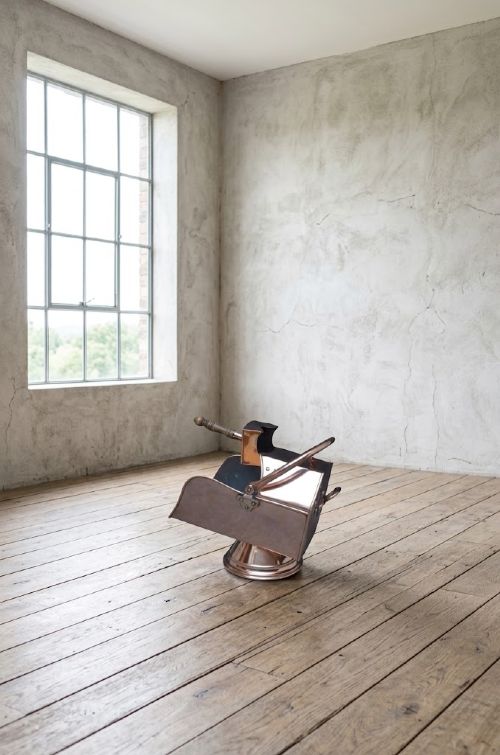
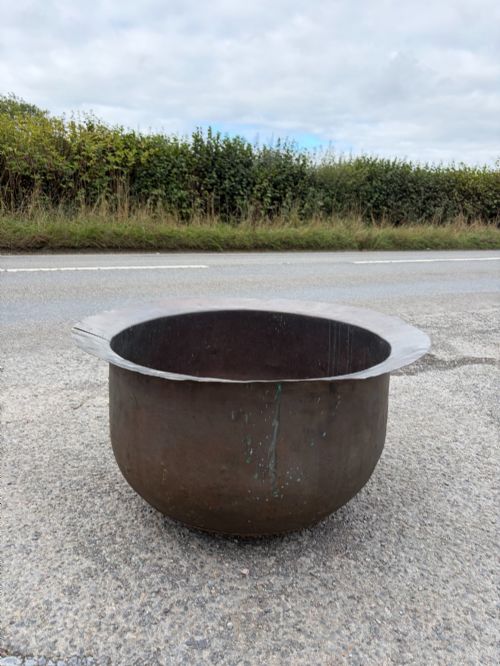
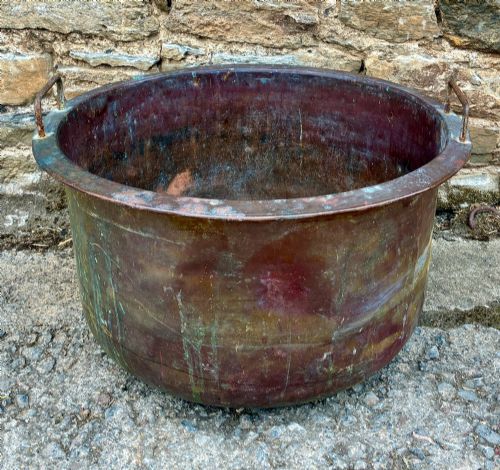
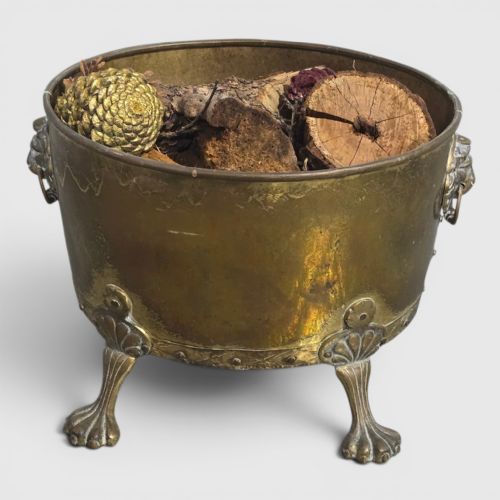
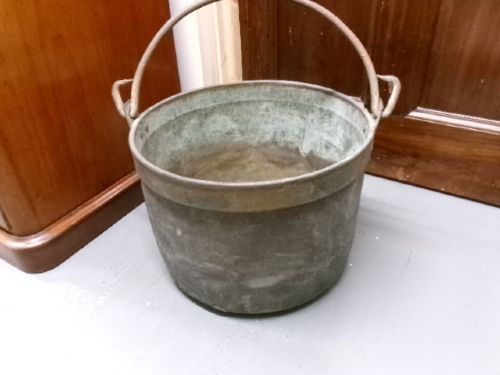
When searching for a victorian metal container, buyers encounter a diverse assortment of domestic vessels designed for hearth, garden and pantry use. These items range from heavy coal scuttles and log bins to copper boilers, planters and toleware storage boxes.
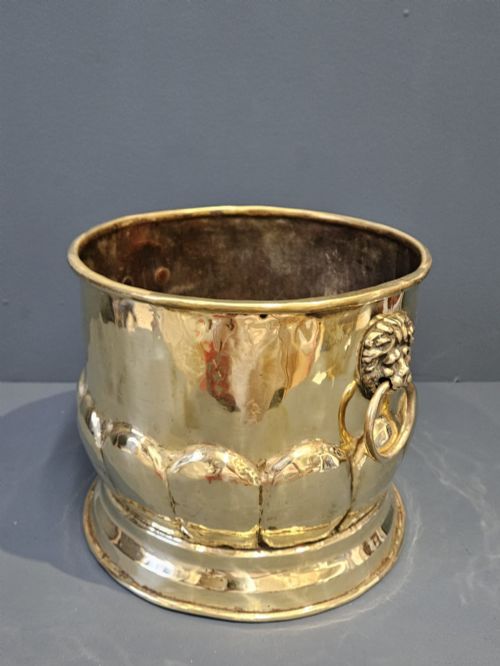
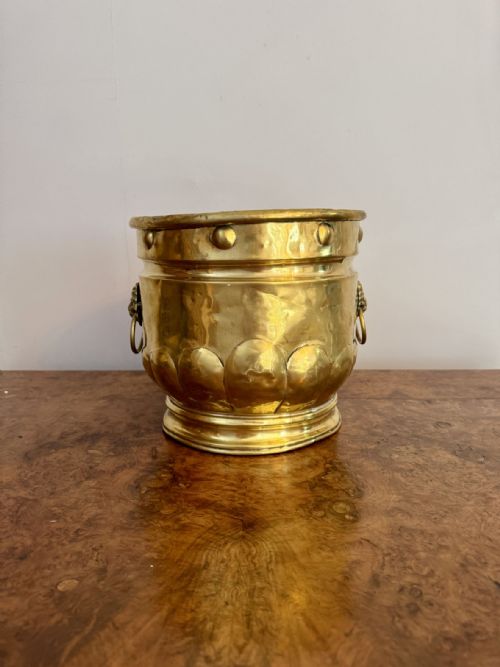
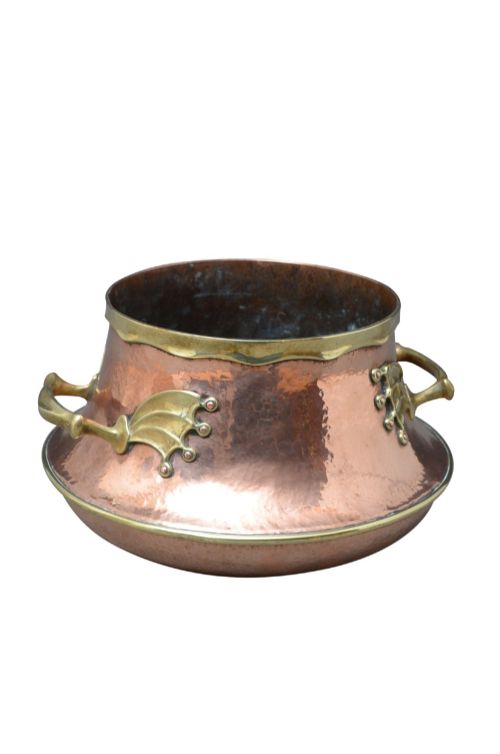
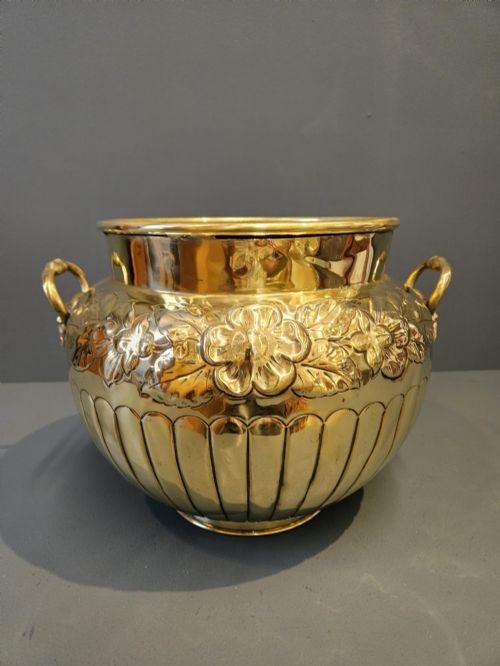
The pieces on this page most frequently appear as brass and copper vessels from the nineteenth century, including jardinières and umbrella stands. Utility and decoration often merge in these objects, reflecting the industrial and domestic needs of the period.
Materials and construction methods
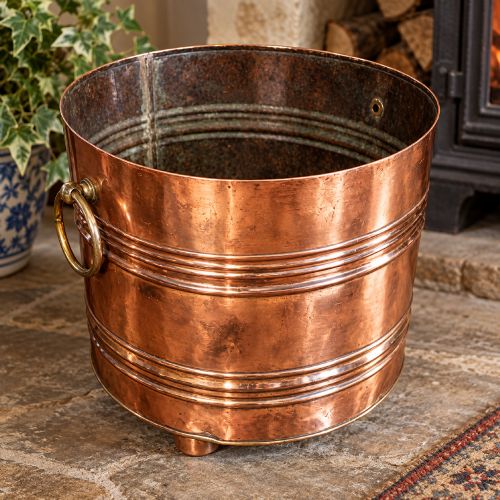
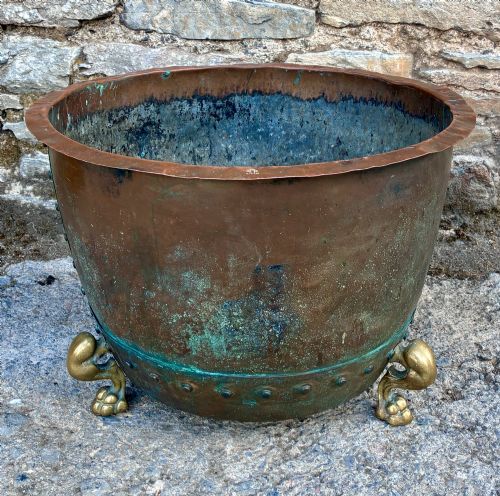
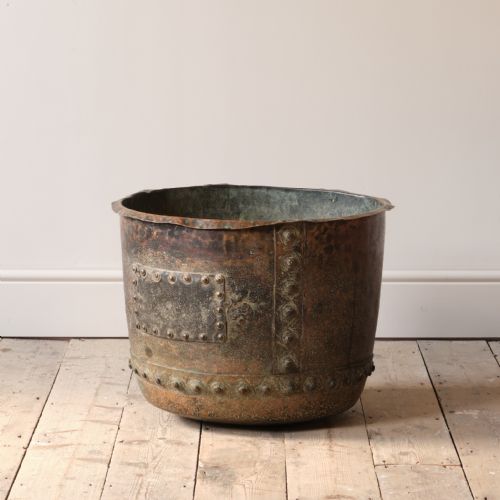
Heavy gauge copper and brass form the backbone of these items, often joined by visible hand-beaten rivets that demonstrate practical metalworking techniques. Wrought iron handles and components provide sturdy support for daily hauling of fuel and water.
Toleware pieces utilise painted sheet metal, displaying durable surface finishes designed to withstand commercial or domestic handling. Engraving and casting appear on smaller personal items like snuff boxes and measures, while larger vessels rely on sheet folding and riveting.
Listings span the nineteenth century into the early twentieth century, featuring brass, copper, iron, wood, toleware and silver plate.
Assessing build quality and material integrity
The thickness of the sheet metal and the solidity of the joints dictate the durability of each vessel. Substantial weight in copper coal bins and brass planters indicates thicker gauge materials that resist denting during everyday use.
Original fittings such as swing handles, shovels and riveted brackets elevate the integrity of a piece. Clean lines in Arts and Crafts designs or crisp engraving on utilitarian boxes point to careful workshop execution.
Thomas Bradbury·Edme Samson Of Paris
The Victorian Metal Container Glossary
- Jardiniere
- An ornamental pot or stand for holding plants or flowers. These items often appear in heavy brass or copper across nineteenth-century interiors.
- Toleware
- Enamelled or painted sheet metal household objects. This technique produces durable storage containers with decorative surface finishes.
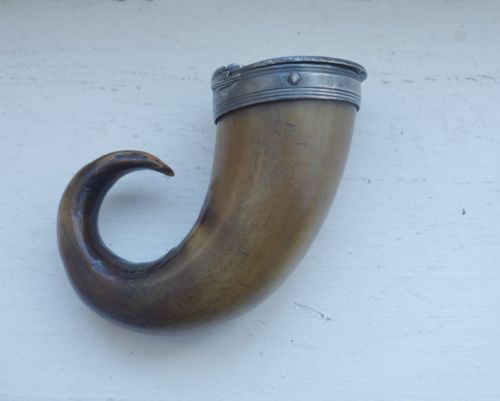
- Snuff Mull
- A small container specifically designed for holding dry snuff. Scottish examples frequently utilise ram's horn mounted in metal.
- Coal Scuttle
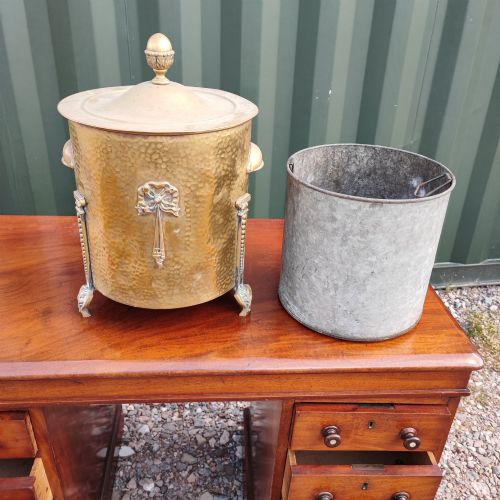
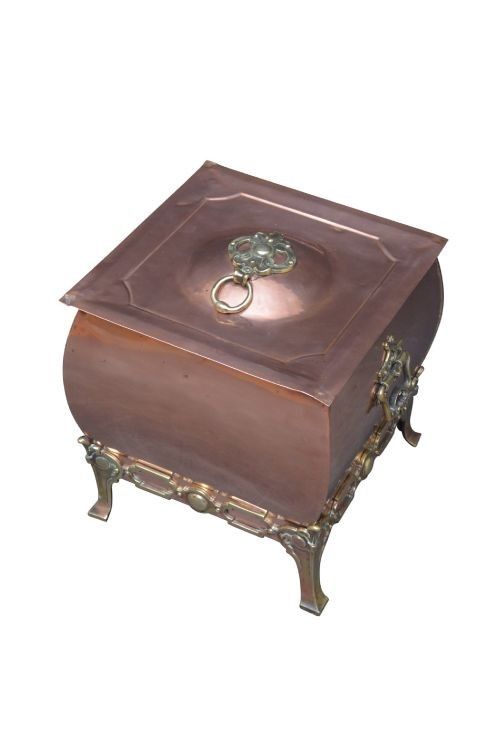
- A receptacle for carrying and storing domestic coal near a fireplace. Many feature hinged lids, drop handles and dedicated shovel compartments.
Victorian Metal Container: Frequently Asked Questions
How do I clean an antique copper container?
Wash the surface gently with warm soapy water and a soft cloth to remove accumulated dust and grime. Avoid harsh abrasive cleaners that strip away the natural historical patina.
Dry the metal thoroughly after washing to prevent spotting. Many collectors prefer to leave the aged surface untouched rather than polishing it to a bright shine.
Were these coal scuttles used daily?
These vessels served practical roles carrying fuel to hearths in nineteenth-century homes. Sturdy iron handles and riveted construction allowed them to withstand heavy daily use.
Wear patterns around the bases and handles often reflect years of utilitarian service by the fireside.
Can I use these metal planters for real plants?
Many brass and copper vessels function well as plant holders or jardinières indoors. Placing a protective plastic liner inside helps prevent moisture damage to the antique metal.
Standing water left directly in unlined antique containers can accelerate internal corrosion over time.
How do I distinguish Arts and Crafts metalwork?
Arts and Crafts pieces emphasise visible construction details such as hand-beaten surfaces and exposed riveted joints. The design prioritises straightforward utility over excessive ornamentation.
These items often present a heavier industrial appearance compared to more delicate Victorian decorative pieces.