
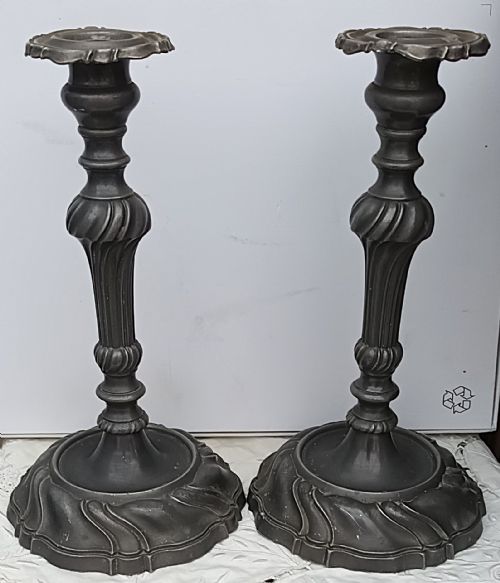


Victorian Metal Candle Stands
Victorian metal candle stands bring nineteenth-century illumination into a room, offering heavy cast brass, plated silver and patinated spelter to anchor a mantelpiece or table.
Victorian Metal Candle Stands
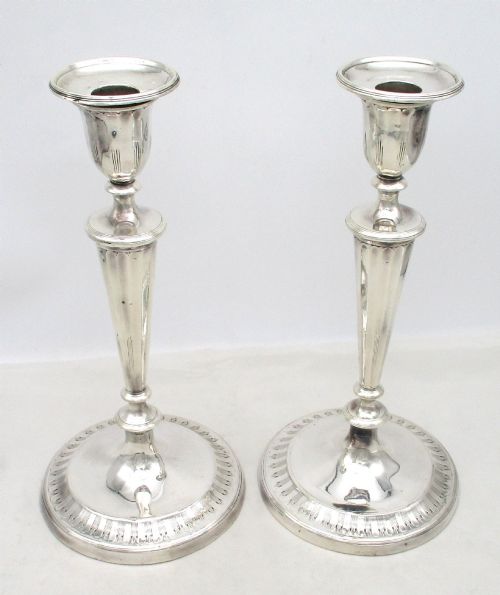
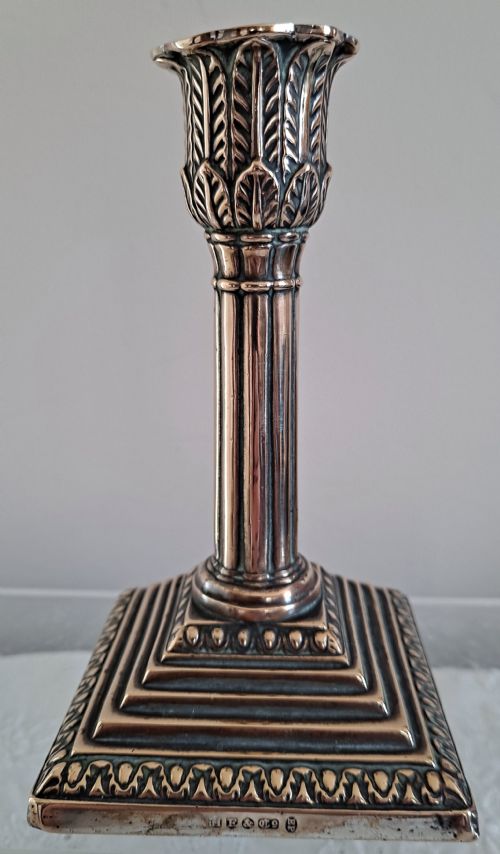
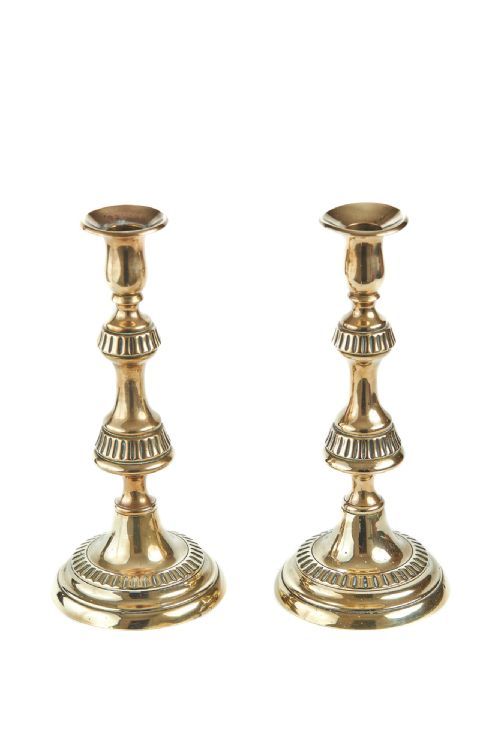
Victorian metal candle stands span the nineteenth century, taking the form of pairs of candlesticks, heavy candelabras, and occasional table lights. The pieces encountered most frequently on this page are brass and silver-plated pairs from the decades between eighteen-fifty and nineteen-hundred.
Makers utilised diverse materials including copper, pewter, bronze, and iron, shaping them into styles ranging from Gothic Revival and Arts and Crafts to ornate Rococo and Renaissance Revival. Forms extend from simple desk models to figural sculptures and tall floor stands.
The objects serve both practical and decorative functions, reflecting the shifting aesthetic movements of the Victorian era through cast metal, applied ornamentation, and varied patination.
What varies in quality
Quality rests upon the crispness of the casting and the weight of the metal utilised in the construction. Heavy, solid brass or bronze pairs with sharply defined decorative motifs sit above lighter, less detailed iterations.
The integrity of the original surface finish, whether patinated bronze, silver plate, or cast ormolu, dictates the visual success of the piece. Finer examples retain their original components, assembly, and distinct stylistic details without excessive smoothing from past polishing.
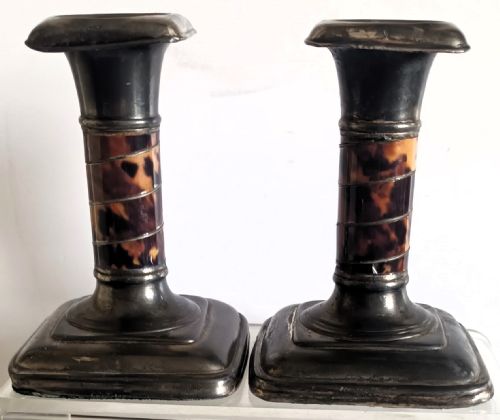
Materials span common brass and silver plate alongside unusual pewter and tortoiseshell combinations.
James Clews·Elkington·Dr Christopher Dresser
The Victorian Metal Candle Stands Glossary
- Spelter
- A zinc alloy cast to imitate bronze and frequently patinated to resemble older metals. It forms the foundation for many figural Victorian sculptures.
- Ormolu
- Finely ground high-carat gold applied to a bronze base through a mercury amalgamation process. This technique creates a rich, bright golden surface.
- Pricket
- A sharp metal spike set in the drip pan of a candlestick to hold a candle upright. This form appears frequently in Gothic Revival pieces.
- Sheffield Plate
- An early form of silver plating produced by fusing a sheet of silver to a thicker copper base. It is identified by the thin line of exposed copper visible at cut edges.
- Candelabra
- A branched candlestick holding multiple lights on a single base. These examples often incorporate elaborate scrollwork or figural elements.
Victorian Metal Candle Stands: Frequently Asked Questions
How do I clean antique brass?
Antique brass requires gentle dusting with a soft cloth to preserve the accumulated patination and character built over the nineteenth century. Strong chemical polishes strip away the aged surfaces that collectors value.
Apply a microcrystalline wax sparingly if protection from moisture is necessary. Avoid harsh scrubbing that wears down stamped marks or fine cast details.
What is spelter?
Spelter is a zinc-based alloy that Victorian manufacturers used as a less expensive alternative to bronze. It was cast into decorative figures and candlesticks before being painted or patinated.
While softer than bronze, spelter allows for intricate sculptural detail. Pieces made from this material require careful handling due to the brittleness of the alloy.
Are these stands for candles?
These pieces were originally designed to hold wax or tallow candles for interior illumination during the Victorian period. Many retain their original prackets, nozzles, or sockets intended for standard taper sizes.
Today, they function as decorative objects on mantelpieces and tables. Care must be taken if actual candles are lit within antique sockets.
How do I date these pieces?
Dating relies on stylistic clues, manufacturing techniques, and occasional registration marks or stamps left by the maker. Gothic Revival and Rococo styles point toward specific mid-to-late nineteenth-century decades.
Heavy sand casting and seamed construction often indicate earlier nineteenth-century production. Later pieces from the end of the century frequently display Arts and Crafts or Art Nouveau characteristics.