
Victorian Metal Box
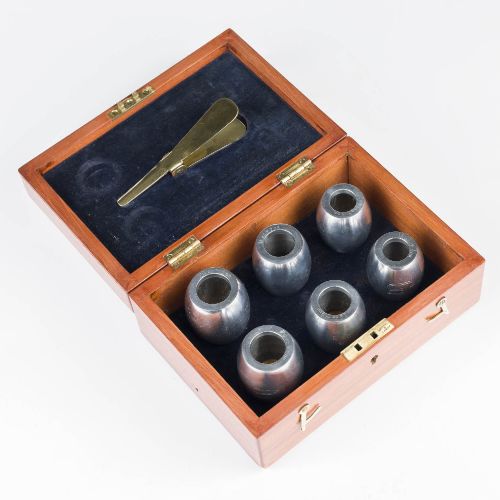
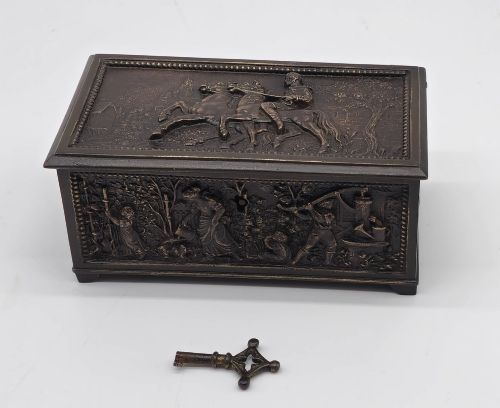
A victorian metal box brings together utilitarian strength and domestic refinement, serving purposes from coal storage to jewellery display.
Victorian Metal Box
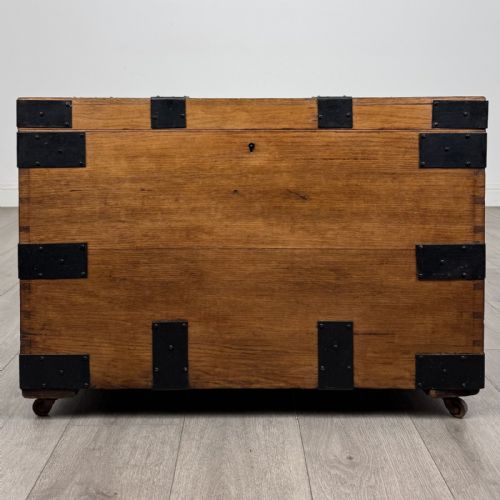
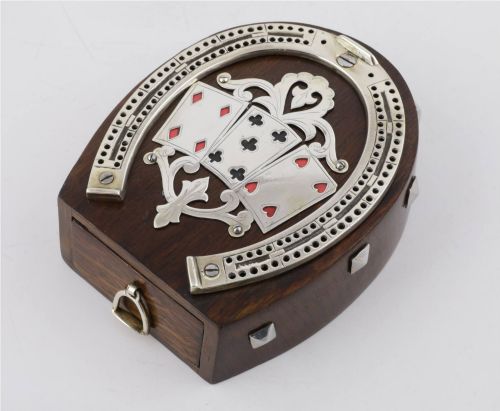
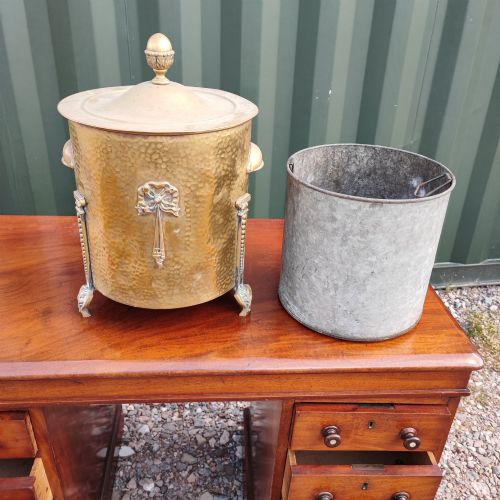
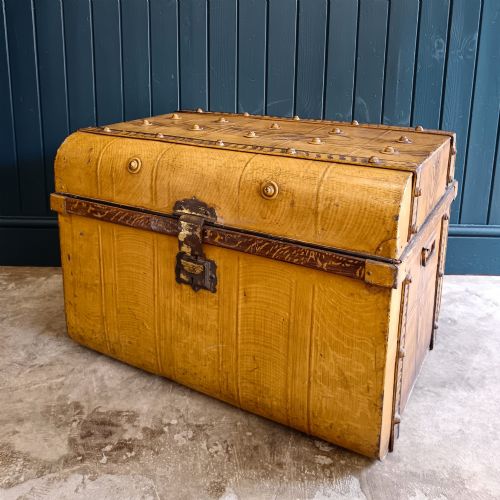
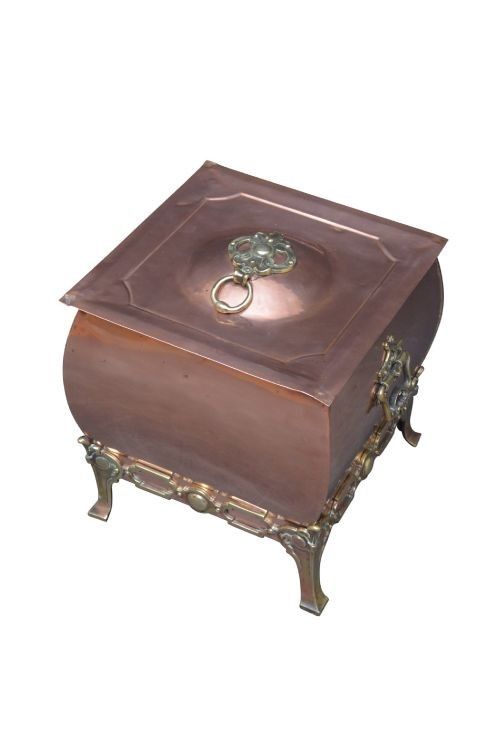
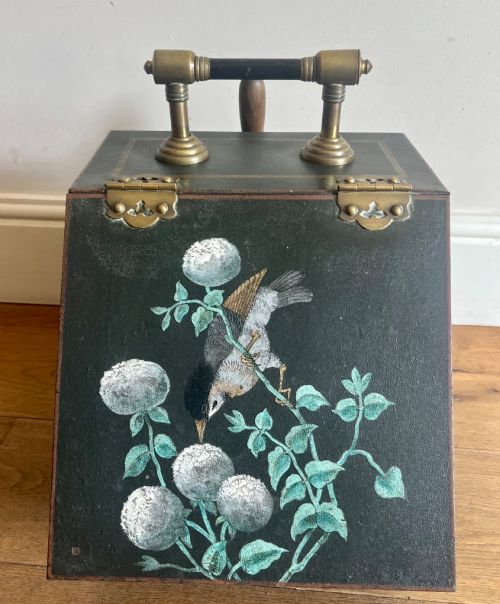
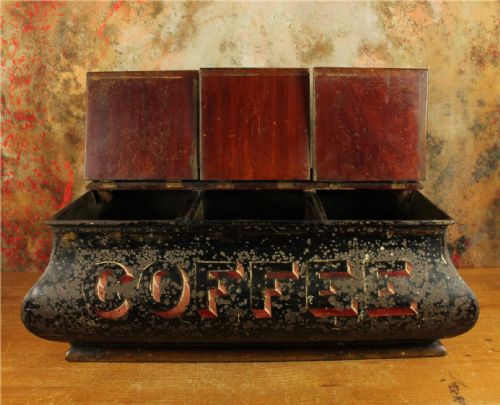
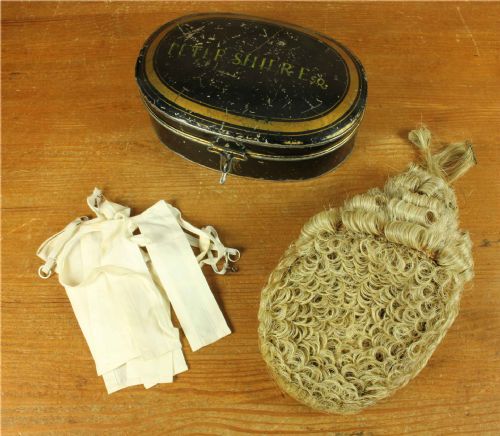
A victorian metal box encompasses a diverse array of utilitarian and decorative containers spanning the nineteenth century, including travelling trunks, coal scuttles, jewellery caskets, and small snuff boxes. Buyers searching this phrase meet objects forged from iron, brass, copper, and tin, often combined with wood or leather to create sturdy household items.
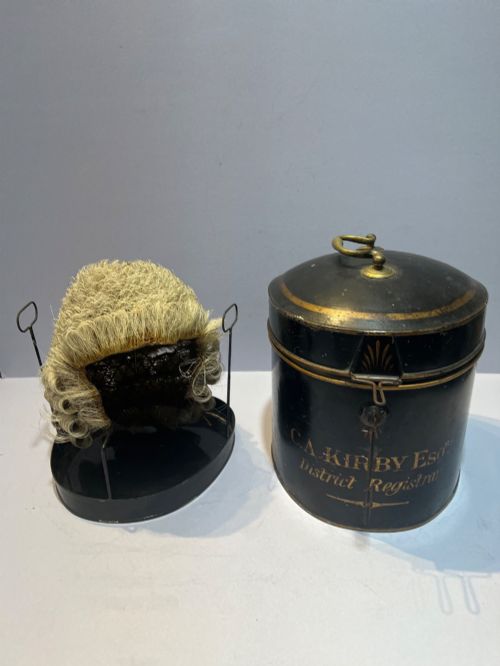
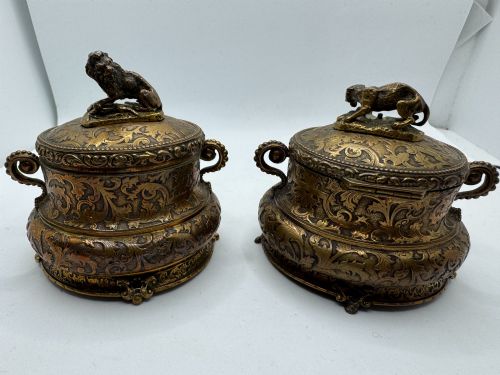
The domestic interior of the period relied on these metal containers for organisation and fuel management, leading to the survival of robust coal bins, toleware buckets, and games boxes. Alongside household utility, delicate jewellery caskets and ornate ormolu trinket boxes represent the more decorative end of nineteenth-century metalwork.
Origins stretch from English workshops to French ateliers and Scottish foundries, incorporating styles from the Arts and Crafts movement to French Napoleon III designs. This variation means buyers encounter everything from industrial steel steamer trunks to intricately engraved brass snuff boxes under the same broad heading.
Materials and construction methods
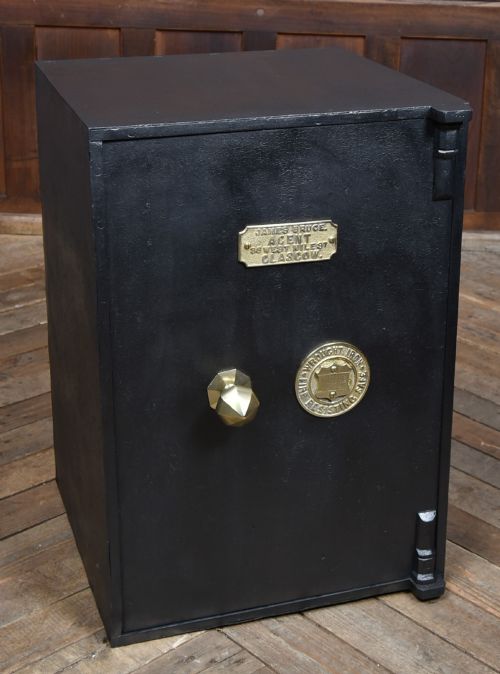
Construction relies heavily on the manipulation of base and precious metals, utilising brass, copper, iron, and tin alongside cast iron components for heavier items like coal scuttles and safes. Metal sheets are beaten, riveted, or soldered together, often reinforced with wooden frames and metal banding to withstand heavy domestic or travel use.
Surface decoration ranges from industrial faux-wood paint and black toleware finishes to elaborate gilt-metal mountings, ormolu, and engraved inscriptions. Workshops employed specialist techniques such as pietra dura inlay, silver gilding, and hand-painting to elevate utilitarian boxes into decorative furnishings.
The documented styles span Arts and Crafts industrial forms, French Napoleon III luxury boxes, and traditional Victorian military and Scottish pieces.
Judging quality in metalwork
Quality rests upon the integrity of the construction, the weight and gauge of the metal utilised, and the crispness of any engraved or cast ornamentation. Superior pieces demonstrate precise joinery, robust hinges, and well-preserved surface treatments rather than mass-produced uniformity.
The distinction between standard utility items and high-end examples lies in the artisan's hand, visible in finely chased ormolu mounts, detailed hand-painting on toleware, and the harmonious integration of mixed materials like oak and brass.
The Victorian Metal Box Glossary
- Toleware
- Japanned or enamelled metalware, usually tin or iron, painted with colourful designs to imitate Asian lacquer. This technique decorated domestic kitchen buckets, coal scuttles, and storage boxes.
- Ormolu
- Gilt bronze or brass mounts applied to decorative objects, furniture, and jewellery caskets. French nineteenth-century pieces frequently utilised this technique to add opulent detail.
- Pietra dura
- An inlay technique using cut and fitted polished coloured stones to create geometric or pictorial designs. It appears on the lids of high-status nineteenth-century Italian jewellery boxes.
- Snuff mull
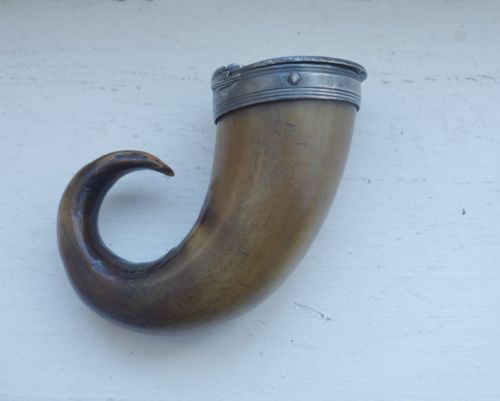
- A traditional Scottish container, often fashioned from animal horn or metal, used to hold ground tobacco. Examples range from simple horn implementations to elaborate precious metal work.
Victorian Metal Box: Frequently Asked Questions
What were metal boxes used for in the victorian era?
Victorian households utilised metal containers for practical tasks like storing coal by the fireplace, transporting luggage during travel, and safeguarding legal documents or valuables.
Smaller boxes served personal needs, holding snuff, playing cards, or jewellery on dressing tables and in drawing rooms.
How do I clean an antique metal box?
Cleaning depends entirely on the specific metal and original surface finish, requiring careful dust removal with a soft brush rather than aggressive polishing.
Harsh chemical cleaners should be avoided on painted toleware or patinated brass to preserve the historical surface and value.
Are these boxes waterproof for outdoor use?
Most antique metal boxes lack modern weather seals and many feature iron or steel components that rust when exposed to moisture.
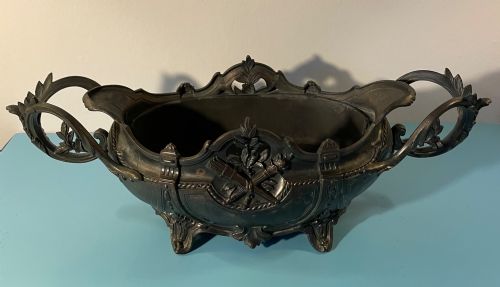
Items like cast iron planters were designed for garden use, but storage trunks and indoor coal bins require dry indoor environments to prevent degradation.
How can I tell if a piece is french or English?
French nineteenth-century pieces often display characteristic ormolu mounts, neoclassical motifs, and delicate gilt bronze work typical of Napoleon III styling.
English examples tend towards robust oak framing, utilitarian brass banding, and straightforward industrial practicality seen in trunks and coal scuttles.