

Victorian Mechanical Mantel Clock
A victorian mechanical mantel clock brings heavy brass, ticking brass wheels, and bevelled glass directly into your daily room.
Victorian Mechanical Mantel Clock
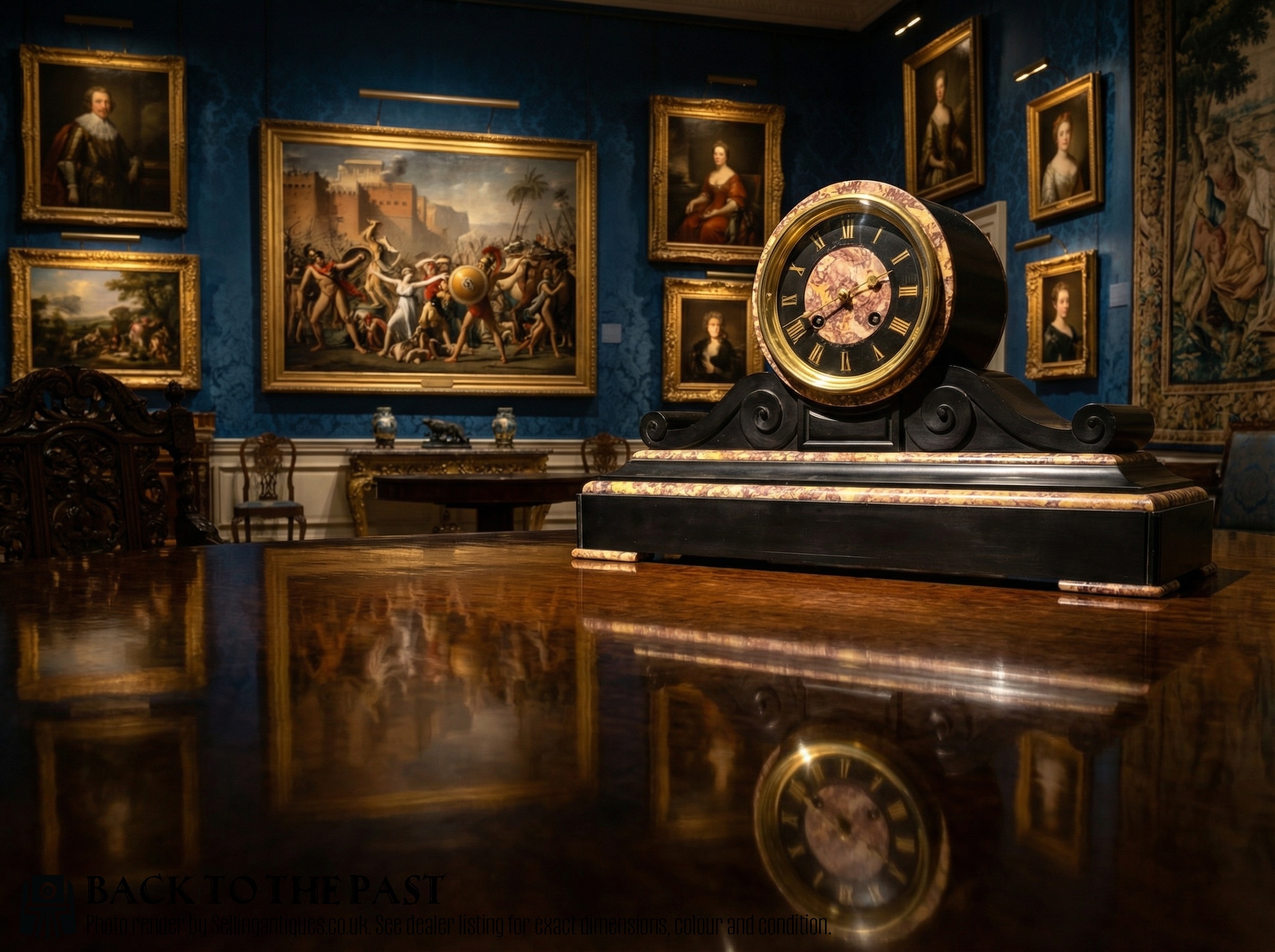
When searching for a victorian mechanical mantel clock, you encounter heavy table clocks, library clocks, and bracket clocks driven by spring or fusee movements. These timepieces stem from the nineteenth century, spanning decades from eighteen fifty to nineteen hundred.
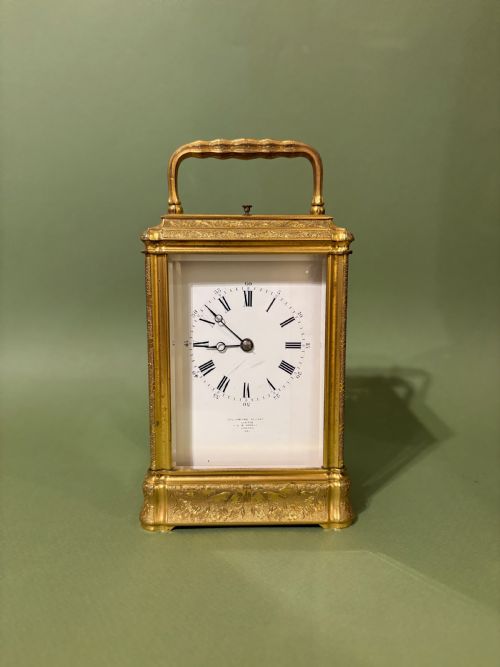
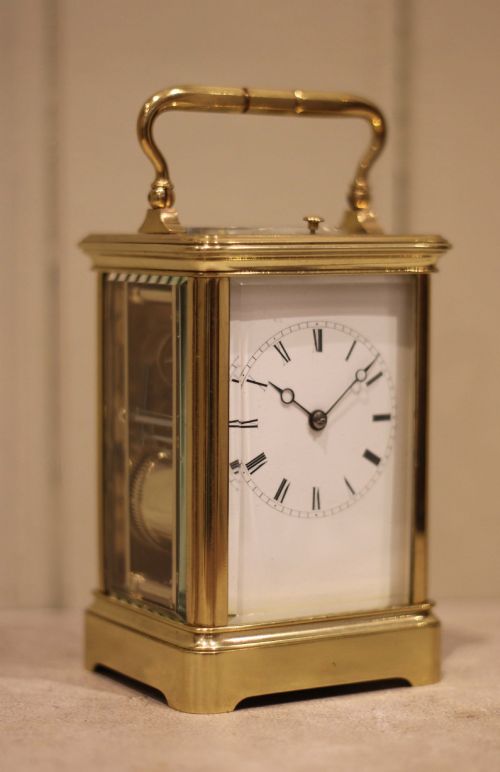
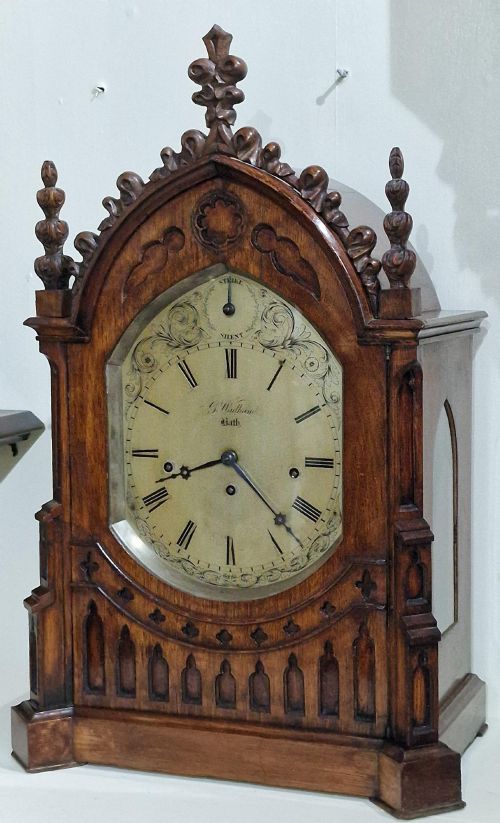
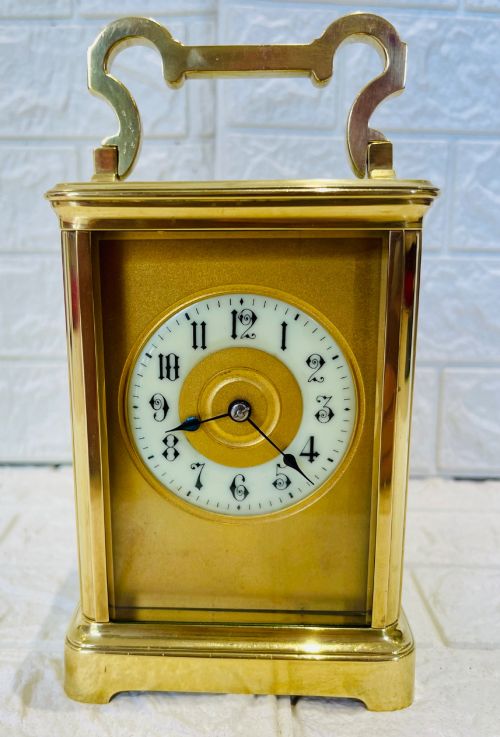
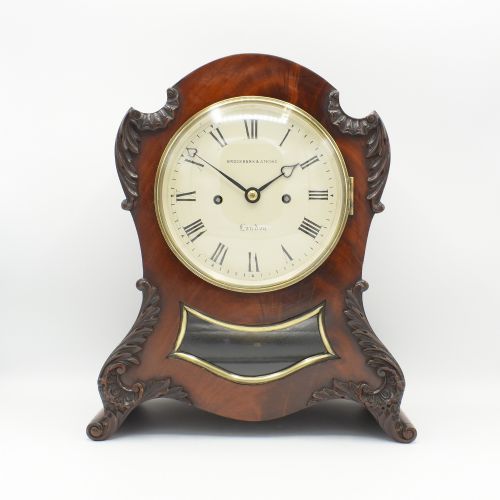
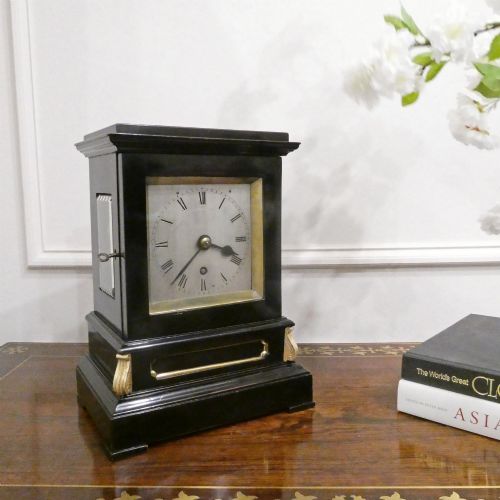
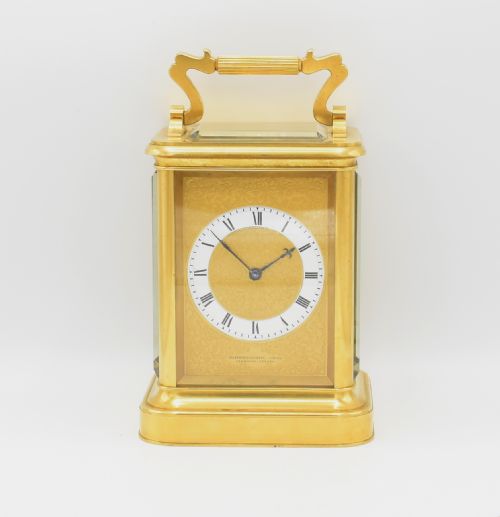
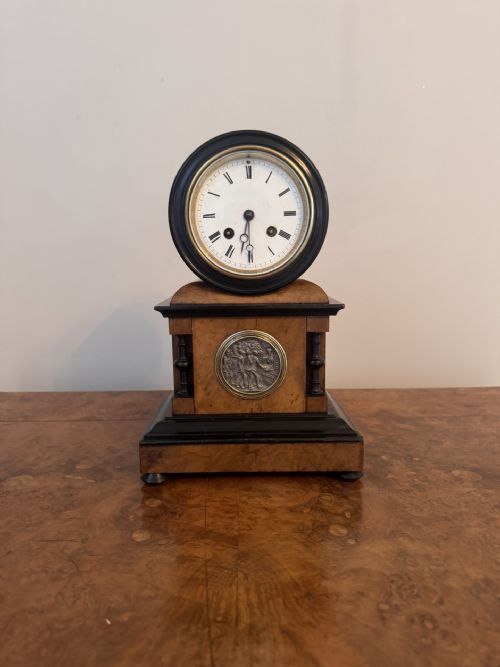
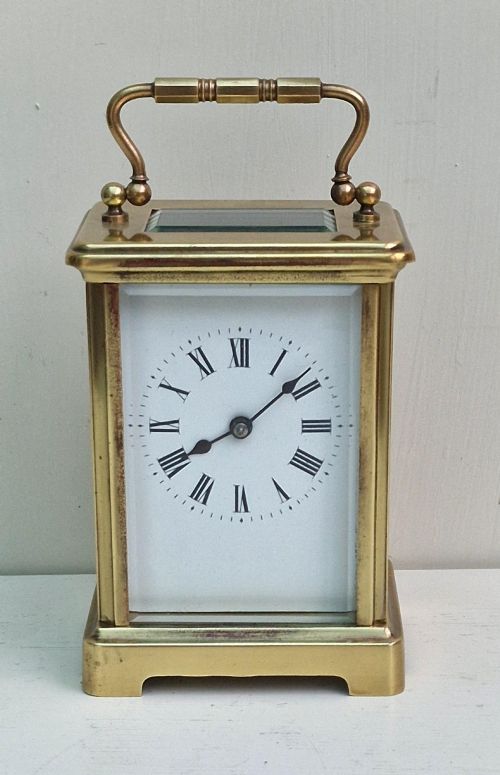
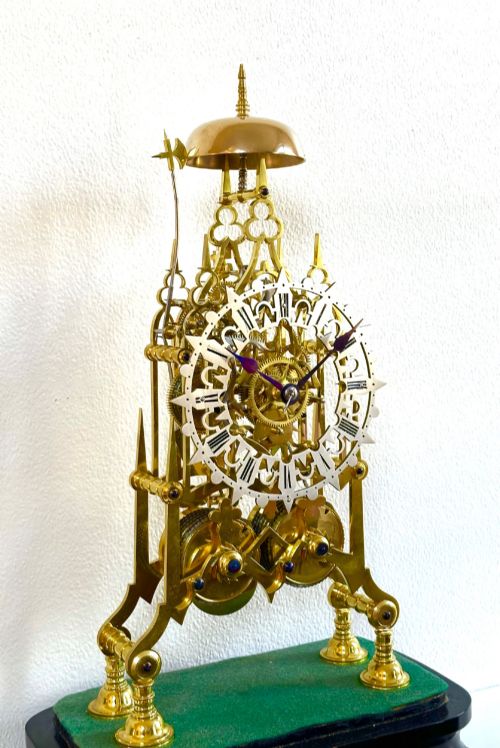
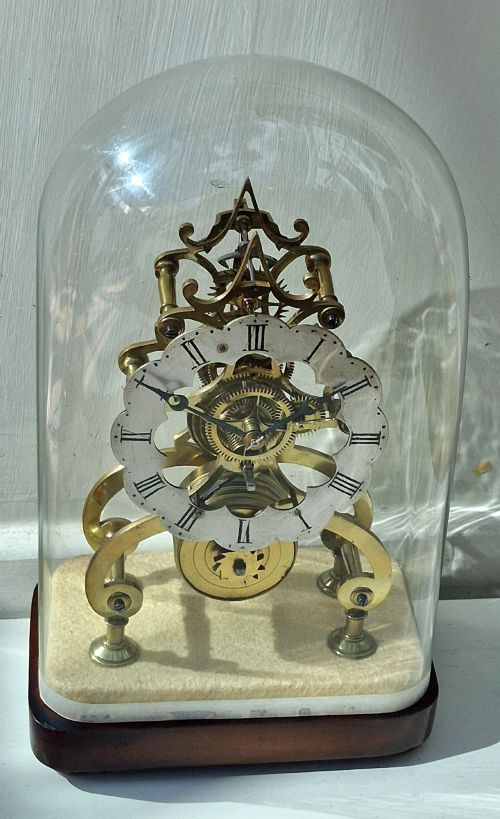
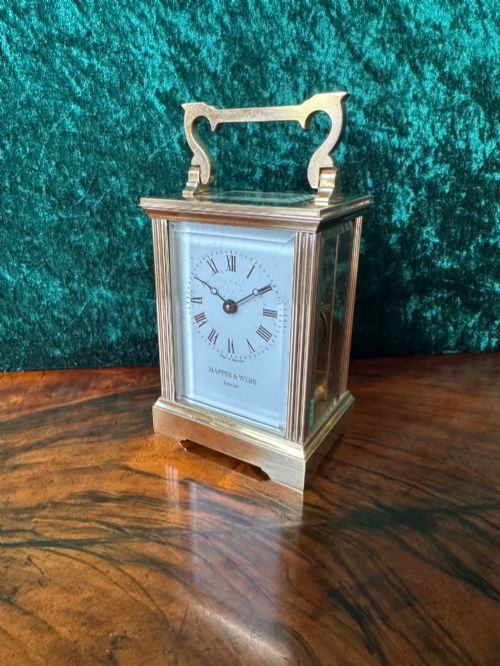
French carriage clocks in brass gorge cases appear frequently alongside British bracket and library clocks housed in mahogany or ebonised wood. Skeleton clocks and striking mantel clocks round out the selection, bringing visible moving gears to the shelf.
The objects served domestic and professional spaces alike, ticking away hours in drawing rooms, studies, and hallways. Most examples rely on mechanical movements requiring regular manual winding rather than electricity.
How they were made
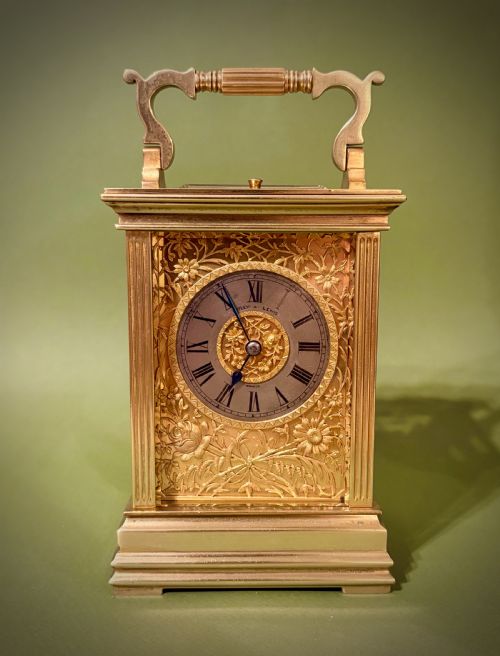
Maker workshops utilised solid brass for plates and mechanisms, frequently pairing polished gilt brass or silvered metal with bevelled glass viewing panels. Cases drew on dense timbers such as mahogany and walnut, alongside ebonised wood and faux marble finishes.
Dials featured painted enamel or white porcelain surfaces marked with Roman or Arabic numerals, driven by intricate spring-driven or fusee movements. Master clockmakers built striking and repeating complications into heavy brass frameworks designed for travel or static shelf display.
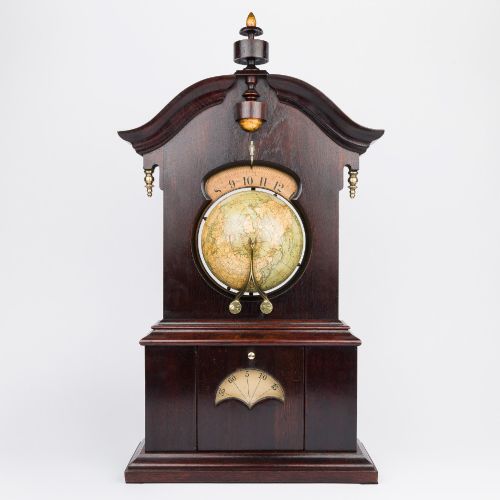
At least one nineteenth-century clockmaker built a working lighthouse automaton, letting a tiny mechanical beacon shine upon the shelf.
What varies in quality
Quality rests in the precision of the mechanical movement, the weight of the cast brass case, and the clarity of the enamel dial. Superior examples feature multi-train movements with striking or repeating complications housed in heavy gilt brass or finely polished timber cases.
Simpler timepieces offer basic movements within plain brass or wooden frames, while high-end makers incorporated skeleton frameworks and engraved details. The crispness of the hand-engraving on brass cases and the integrity of the fitted travel cases distinguish master workshops from standard production.
Henri Jacot·George Wadham·Brockbanks And Atkins·Mappin And Webb·Richard Winter·Pickford Of London·Drocourt Paris·T Martin And Co
The Victorian Mechanical Mantel Clock Glossary
- Fusee
- A conical pulley used in mechanical clocks to maintain even power as the mainspring unwinds. This mechanism helps the clock maintain accurate time over its running period.
- Carriage clock
- A portable spring-driven timepiece fitted with a handle, originally designed for travelling. They typically feature brass frames inset with glass panels.
- Bracket clock
- A portable table clock historically placed upon a wall bracket or furniture shelf. Nineteenth-century examples often feature wooden cases with brass carrying handles.
- Skeleton clock
- A timepiece with an exposed movement stripped of unnecessary plates to reveal the moving gears and escapement. They are typically protected beneath a glass dome.
- Repeating movement
- A mechanical complication that sounds the hours and quarters upon demand when a lever or cord is pulled. This function was useful during dark nights before electric lighting.
Victorian Mechanical Mantel Clock: Frequently Asked Questions
How do I wind a mechanical mantel clock?
You insert the matching winding key into the dial arbours and turn clockwise until meeting resistance. Take care not to overwind the mainspring.
Most mechanical movements require winding once a week or every fourteen days depending on the spring capacity and train configuration.
Why does my carriage clock need a travel case?
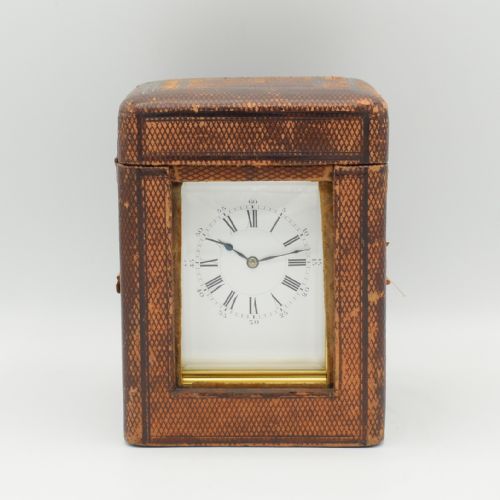
Original leather travel cases protected polished brass and glass panels from knocks during nineteenth-century journeys. They kept the portable mechanism secure while moving between rooms or coaches.
Today, surviving leather cases add historical context and safeguard the outer gilt brass finishes from surface scratches.
What is the difference between a timepiece and a striking clock?
A timepiece simply measures and displays the hours and minutes without sounding any acoustic signals. Its movement contains only the go train.
A striking clock includes an additional gear train that sounds bells or gongs on the hour and half-hour using internal hammers.
Where should I place a heavy brass clock?
Position your clock on a sturdy, level mantelpiece or firm wooden bracket attached securely to a solid wall. A level surface ensures the pendulum or balance wheel beats evenly.
Avoid placing mechanical clocks in damp areas or direct sunlight, which can discolour enamel dials and dry out old wooden cases.