
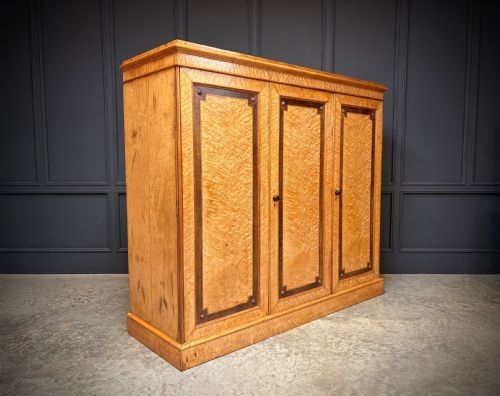


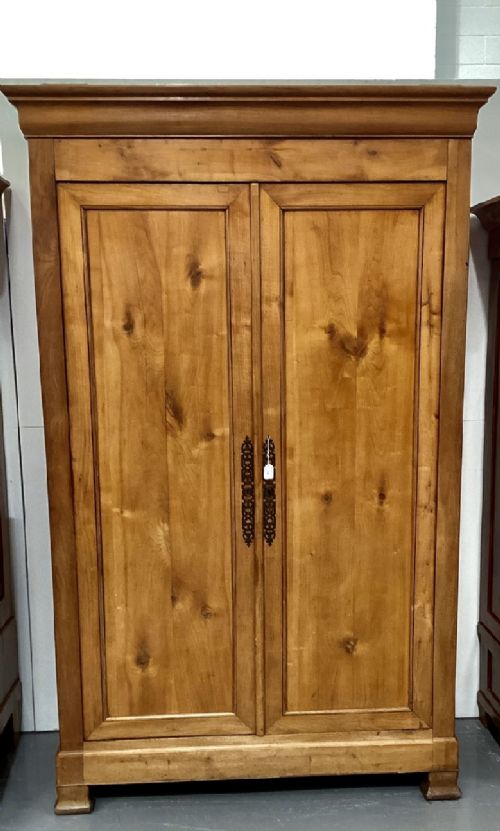


Victorian Maple Cabinet
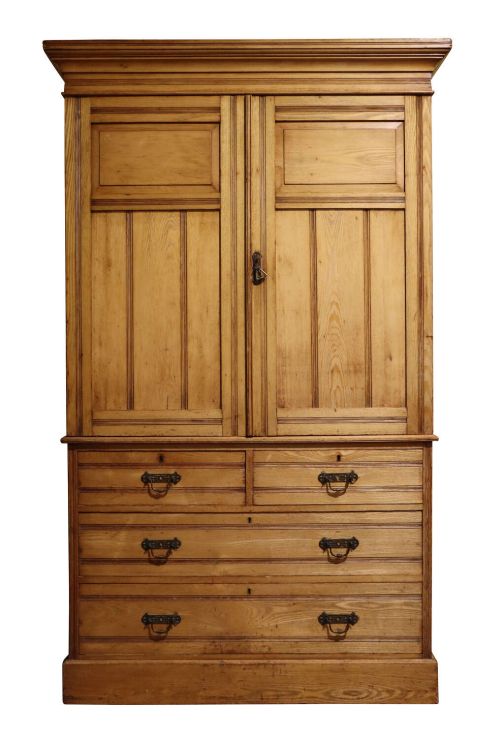
These pieces of a victorian maple cabinet bring together pale timber and nineteenth-century cabinet-making for practical storage.
Victorian Maple Cabinet
The pieces appearing on this page span the Victorian and Edwardian eras, incorporating related styles such as French Aesthetic Movement, Adam Revival, and Rococo Revival. Side cabinets and bedside cupboards form the core of the selection.
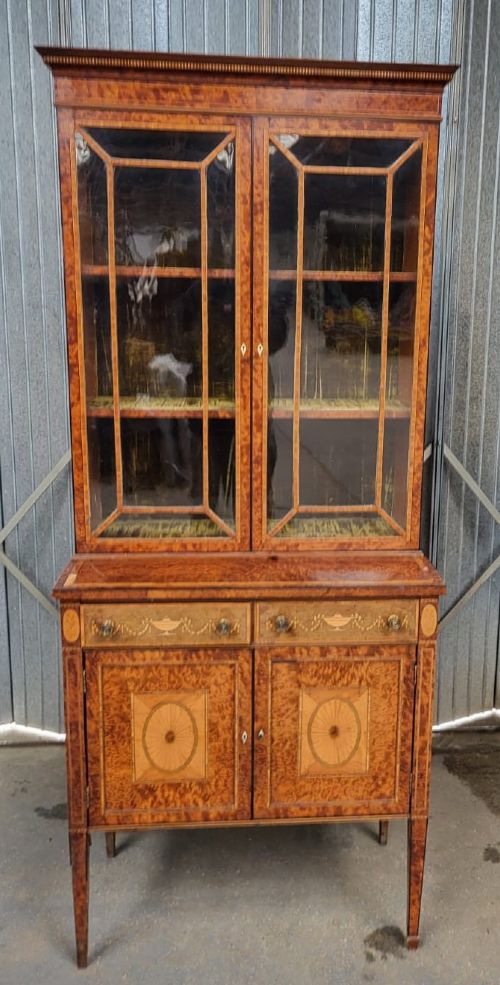
Makers and retailers like Maple & Co dominate the record, alongside pieces in specific regional timbers. Cabinets utilise the distinct grain of bird's eye maple, often contrasted with darker woods or fitted with glass doors and marble tops.
How they were made
Cabinet-makers relied on solid timber and applied veneers, selecting bird's eye maple for its characteristic dotted figure. Workshops paired this pale wood with contrasting inlays of satinwood, mahogany, and rosewood.
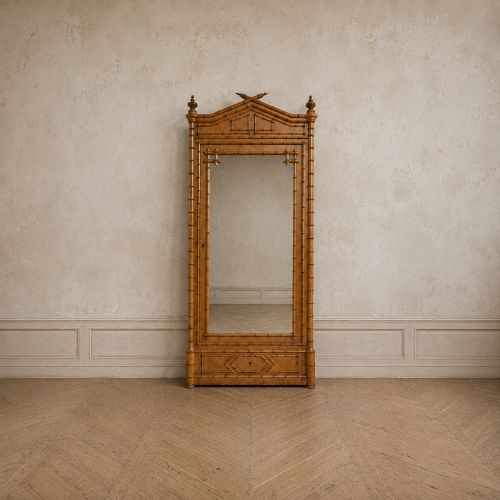
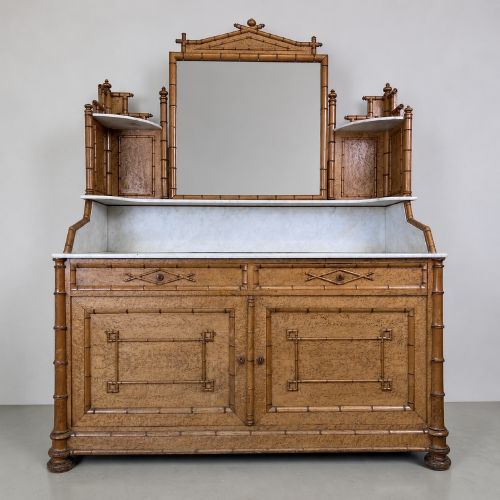
Construction techniques included the integration of brass hardware, mirrored glass panels, and inset marble slabs on washing and dressing cabinets. Ebonised detailing and faux-bamboo turning appear on French examples from the later nineteenth century.
The listings show items spanning the 19th Century, Victorian, Edwardian, and specific years from 1860 to 1910.
What varies in quality
Quality rests upon the selection and matching of the maple veneer across the visible surfaces of the cabinet. Finer examples display a consistent, highly figured grain pattern carefully balanced across doors and panels.
The refinement of secondary materials and embellishments distinguishes the standard of manufacture. Superior items incorporate intricate marquetry, Ormolu mounts, or branded maker marks from firms like Maple & Co.
Maple & Co·Burrey & White·Wiggers
The Victorian Maple Cabinet Glossary
- Bird's Eye Maple
- A figure in maple wood where the grain swirls in small circles around tiny eyes. This pattern occurs naturally and is prized for decorative veneer.
- Compactum
- A large fitted wardrobe containing compartmentalised storage for various garments. These multi-section pieces combine hanging space, shelves, and drawers.
- Marquetry
- The art of applying pieces of veneer to a structure to form decorative patterns. Craftsmen use different coloured woods to create pictorial designs.
- Ormolu
- Gilded bronze mounts applied to furniture for decorative effect. This technique was frequently utilised on display cabinets and vitrines.
- Wellington Chest
- A tall, narrow chest of drawers secured by a locking side flap. The design originated in the nineteenth century for efficient paper and linen storage.
Victorian Maple Cabinet: Frequently Asked Questions
What is a bird's eye maple cabinet?
A bird's eye maple cabinet is a piece of furniture finished with a distinctive timber veneer marked by small, swirling dots resembling birds' eyes. These cabinets date predominantly from the nineteenth century and include bedside units, bookcases, and display pieces.
Cabinet-makers favoured the wood for its pale, decorative surface, often pairing it with contrasting inlays or dark wood borders to highlight the grain.
How do I identify a Maple & Co cabinet?
Cabinets produced by the London firm Maple & Co frequently bear stamped maker marks, paper labels, or brass plaques within drawers and along door edges. Their output spans various nineteenth-century revivals, including Adam and Rococo styles.
The firm was known for large wardrobes, sideboards, and display cabinets constructed from mahogany, satinwood, and maple, often representing high retail standards of the period.
Where were these cabinets used?
These cabinets served multiple domestic functions across Victorian and Edwardian homes, from bedside tables holding lamps to large display vitrines in drawing rooms. Side cabinets provided surface space and enclosed shelving for household items.
Washstands and dressing cabinets with marble tops were designed for bedrooms, combining functional water-resistant surfaces with decorative timber frames.
How do I care for antique maple furniture?
Antique maple requires protection from direct sunlight and extreme humidity fluctuations to prevent the veneer from drying or lifting. Regular dusting with a soft, dry cloth maintains the polished surface without building up residue.
Avoid placing damp items directly onto wooden tops, especially on older washstands or cabinets lacking marble inserts, to protect the historic finish.