
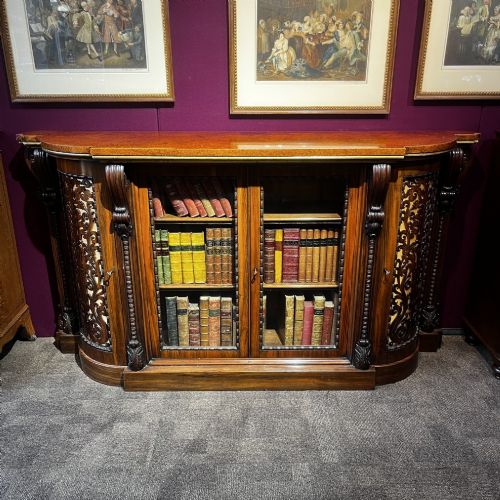

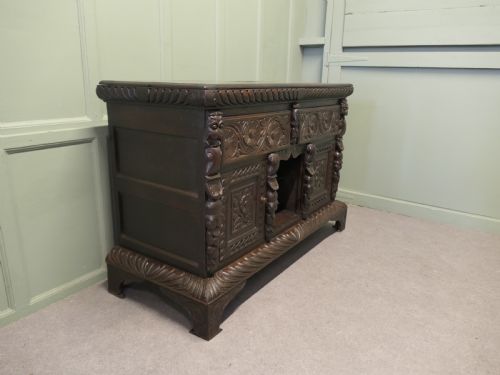


Carved Wood Low Credenza
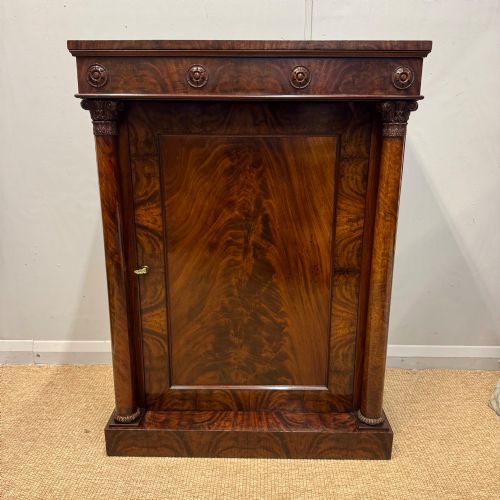
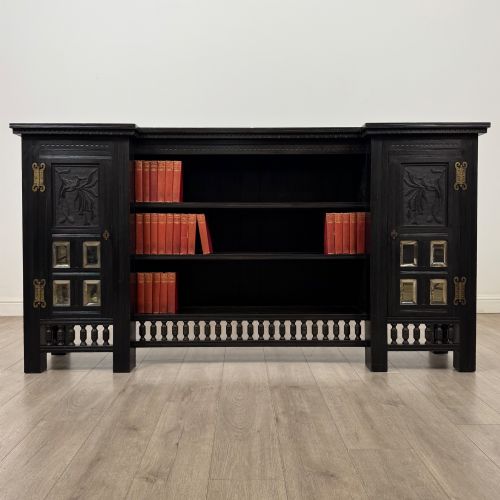
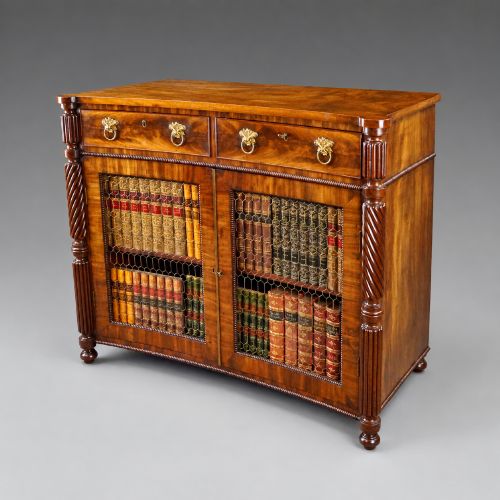
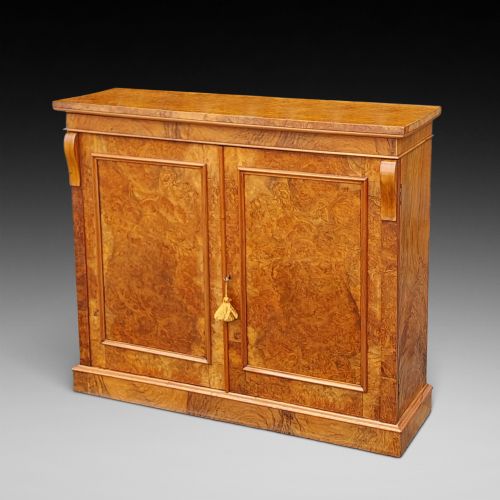
A carved wood low credenza brings heavy timber and fine craftsmanship to a room, offering low storage with a commanding architectural presence.
Carved Wood Low Credenza
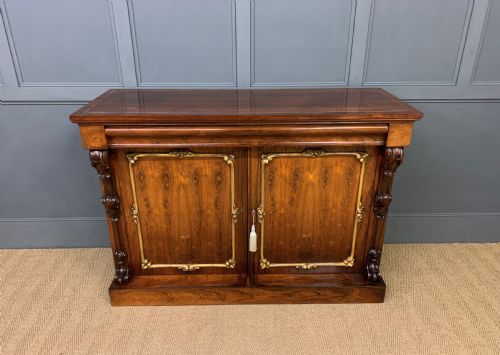
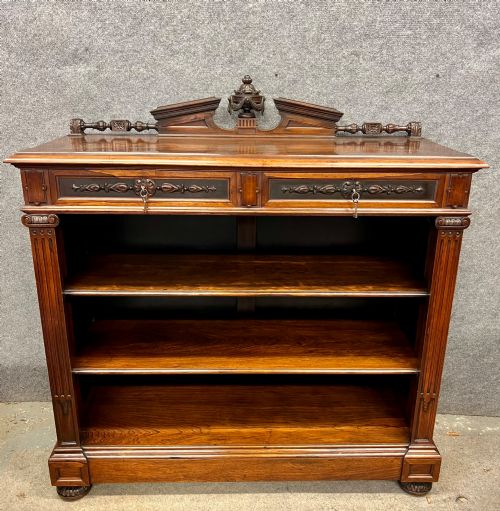
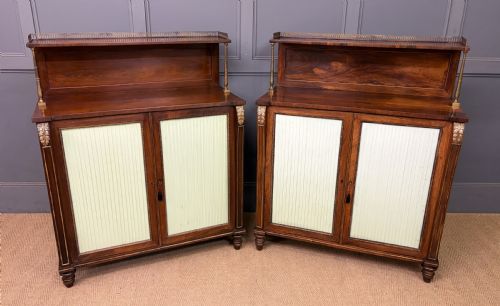
When you search for a carved wood low credenza, you encounter low-lying storage units primarily taking the form of side cabinets, chiffoniers, and dresser bases. These items span the eighteenth, nineteenth, and early twentieth centuries, reflecting diverse periods from Regency to Victorian and Jacobean Revival.
Makers and designers of these low storage pieces drew upon styles such as William IV, Regency, and Victorian Rococo Revival, resulting in functional furniture that doubled as display surfaces for decorative arts.
Materials and construction methods
Cabinet makers utilised dense hardwoods such as mahogany, rosewood, oak, and walnut, frequently enhancing plain surfaces with burr walnut, amboyna, and birds-eye maple veneers. These timbers were selected for their rich grain patterns and durability.
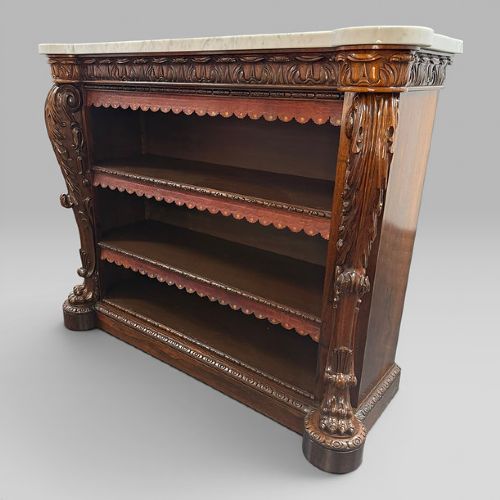
Carving formed a central part of the decoration, seen in detailed mouldings, applied mounts, and figural work like green man motifs. Brass fittings, mirrored glass panels, and pink or white marble tops frequently completed the construction of these low cabinets and credenzas.
An early nineteenth-century oak dresser base hides a carved green man watching quietly from the woodwork.
Distinctions in craftsmanship and materials
The distinction between standard production and the top of the range rests on the selection of timbers and the precision of the cabinet work. Finer examples display highly figured rosewood, burr walnut, or gonçalo alves veneers matched across doors and panels with seamless accuracy.
Carving depth and sharpness separate superior pieces from simpler utilitarian items, with workshop attribution to makers like Gillows indicating elite standards of construction, robust internal framing, and thoughtful integration of marble tops or brass grilles.
Gillows
The Carved Wood Low Credenza Glossary
- Chiffonier
- A small sideboard or low cabinet developed in the early nineteenth century. It typically includes a raised shelf or mirrored back above low storage doors.
- Dresser base
- A sturdy lower cabinet featuring drawers and cupboards, originating from country houses and farmhouses. These pieces provide substantial horizontal surface area and deep storage.
- Gonçalo Alves
- A dense exotic hardwood known for its contrasting dark brown and golden stripes. Cabinet makers utilised this timber for decorative banding and feature panels on high-status nineteenth-century furniture.
- Breakfront
- A piece of furniture featuring a central section that projects forward from the flanking cabinets. This architectural arrangement creates depth and shadow across the front elevation.
Carved Wood Low Credenza: Frequently Asked Questions
What rooms suit a low credenza best?
These low cabinets find a natural home in dining rooms and living spaces where a surface is needed for serving or display without blocking sightlines.
Their restrained height allows artwork or mirrors to hang comfortably above them while the interior storage houses tableware or books.
How do I identify a Regency cabinet?
Regency pieces often display classical restraint, featuring symmetrical layouts, rosewood or mahogany veneers, and subtle brass inlay or grilles.
Look for architectural proportions and minimal carved ornamentation that rely instead on the natural beauty of the timber grain.
What is a marble top used for?
Marble tops provided a durable, cooling surface resistant to moisture and heat, making them practical for serving drinks or displaying plants.
They add significant weight and a contrasting colour palette to dark woods like rosewood and mahogany.
How do I care for antique timber?
Maintain antique woods by keeping them away from direct heat sources and sudden humidity shifts that can split veneers.
Apply traditional beeswax occasionally to nourish the grain and buff to a soft protective sheen rather than a high gloss.