

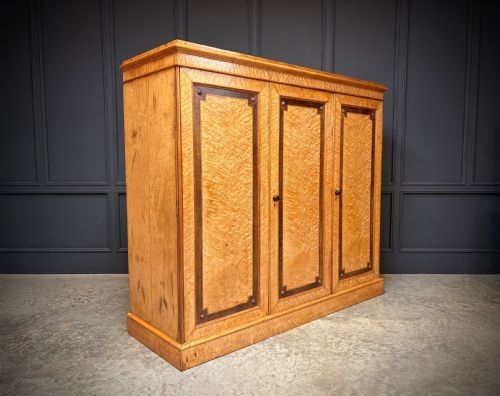


Birds Eye Maple Cupboard
A birds eye maple cupboard brings a distinct decorative grain and warm timber tone into a room.
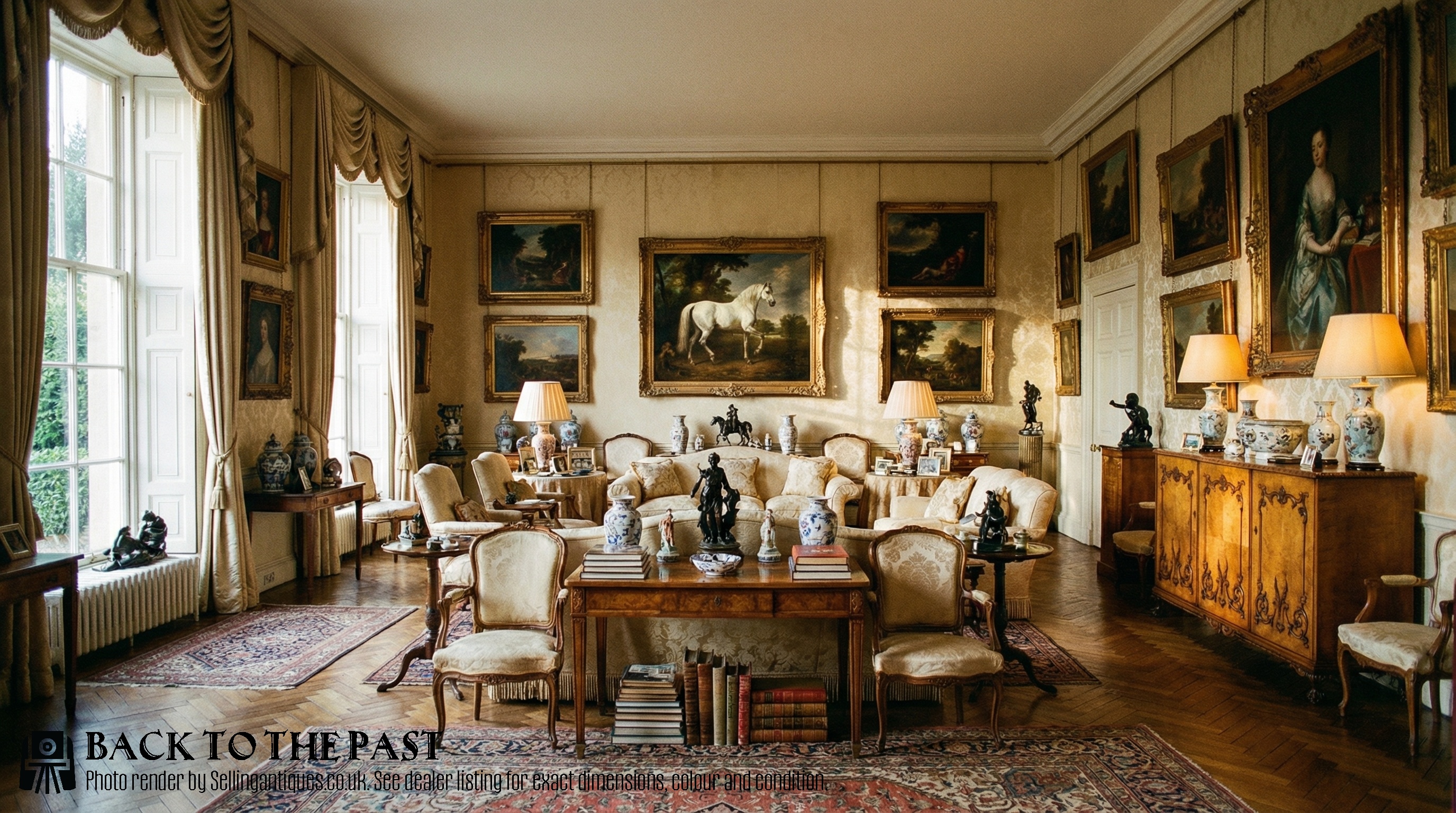
Birds Eye Maple Cupboard
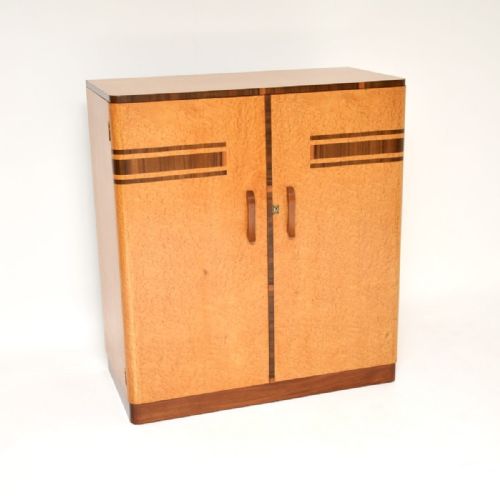
You are most likely to meet Art Deco pieces from nineteen thirty, alongside Victorian and Edwardian examples. These items utilise the characteristic patterned timber across doors, panels, and bedside tables.
How they were made
These pieces are constructed from timber, predominantly birds eye maple, often combined with walnut, satinwood, or birch. Artisans applied veneers to form the patterned surfaces seen on the cabinet doors and drawer fronts.
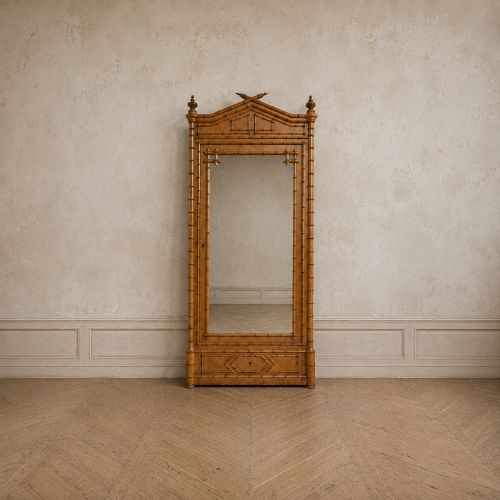
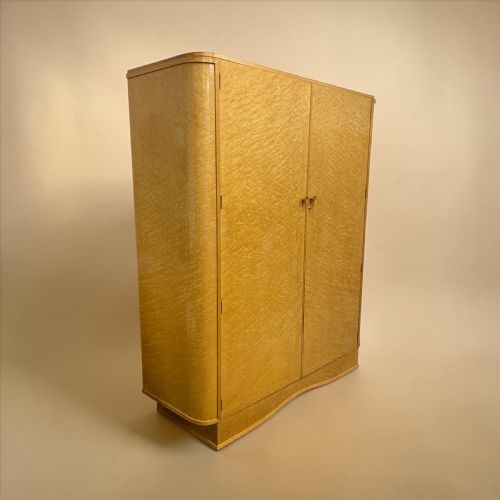
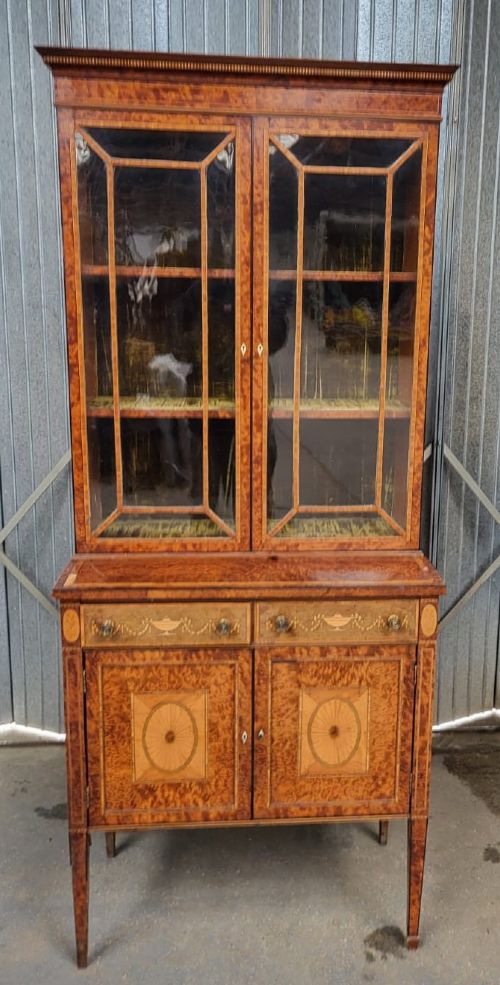
Metal hardware and glass panels appear on specific items, such as mirrored wardrobes and display cabinets, while brass details complement larger bleached maple cupboards.
Listings feature items from the Victorian, Edwardian, and Art Deco periods, created in forms ranging from bedside cabinets to large armoires.
What varies in quality
The visual impact of the grain pattern across the timber surface distinguishes different examples. Fine pieces display a consistent and lively figure across every panel.
The integration of secondary timbers, such as walnut or satinwood banding, and the precision of marquetry or brass mounts separate standard items from superior commissions.
The Birds Eye Maple Cupboard Glossary
- Birds Eye Maple
- A figured variation of sugar maple wood that shows small, swirling eyes resembling tiny dots in the timber grain. This distinctive patterning occurs naturally in the wood and is prized for decorative furniture.
- Compactum
- A multi-functional wardrobe or storage cabinet combining hanging space, shelves, and drawers within a single unit. These pieces offer varied internal compartments for bedroom storage.
- Tallboy
- A tall chest of drawers or a cupboard placed on top of a chest, designed to maximise vertical storage space. They appear in nineteenth-century and Art Deco periods.
- Marquetry
- The art of applying pieces of veneer to a structure to form decorative patterns and pictures. Victorian examples often incorporate this technique into the cabinet facade.
- Pot Cupboard
- A small bedside cabinet originally designed to house a chamber pot. These compact items function effectively as modern bedside tables or lamp stands.
Birds Eye Maple Cupboard: Frequently Asked Questions
What periods do these cupboards date from?
The available pieces span from the nineteenth century into the twentieth century. Examples include Victorian, Edwardian, and Art Deco eras.
Specific dates recorded in the evidence range from nineteen hundred through nineteen thirty, alongside general nineteenth-century pieces.
Where do these cabinets fit in a home?
Smaller pieces function as bedside cabinets, nightstands, or lamp stands beside a bed. Compactum wardrobes and tallboys provide bedroom storage.
Larger display cabinets and armoires serve as statement pieces in living areas or hallways for storage and display.
How do Art Deco pieces differ from Victorian ones?
Art Deco cupboards, largely dated around nineteen thirty, typically present streamlined blonde maple surfaces often paired with walnut accents. They focus on clean geometric lines.
Victorian and nineteenth-century pieces incorporate decorative marquetry, darker tones, or faux bamboo details within French Aesthetic Movement styles.
What materials accompany the maple timber?
The primary timber is birds eye maple, frequently accented with walnut, birch, or satinwood. Metal hardware and brass mounts appear on specific designs.
Glass panels are utilised in display cabinets and mirrored armoires, while timber varieties form the internal structures.
Are matching pairs available?
Several listings include pairs of bedside cabinets, pot cupboards, and tables. These matching items allow for symmetrical placement on either side of a bed.
Single wardrobes and standalone cabinets also appear for individual placement.