


Victorian Mantel
A victorian mantel piece brings architectural presence and mechanical timekeeping into a room, spanning grand gilt mirrors and precision clocks.
Victorian Mantel
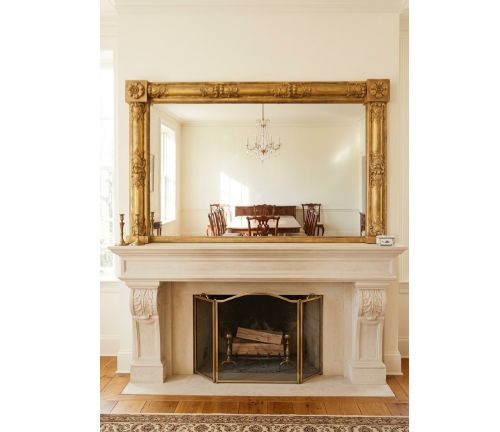
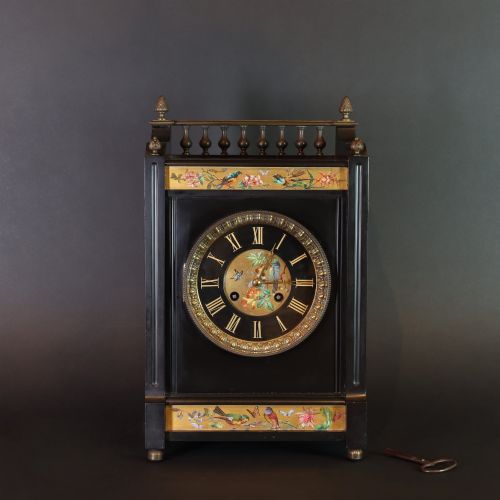
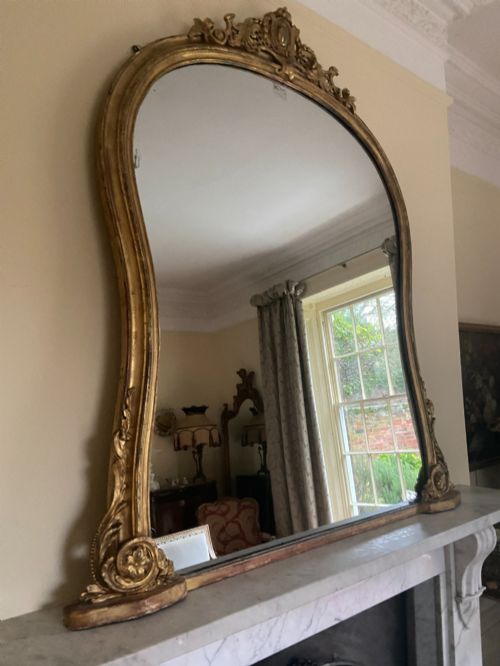
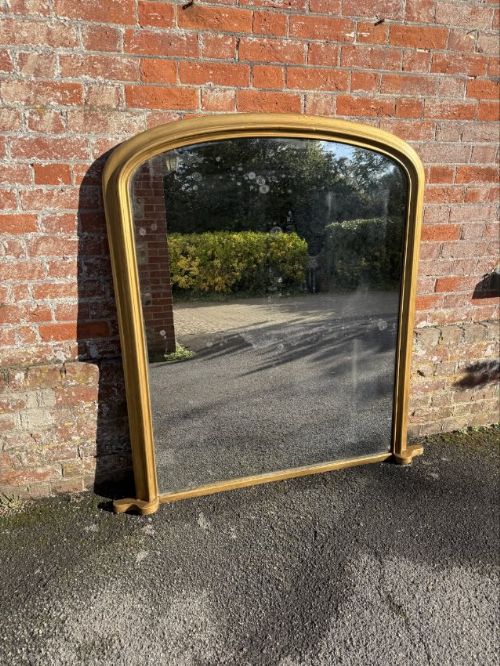
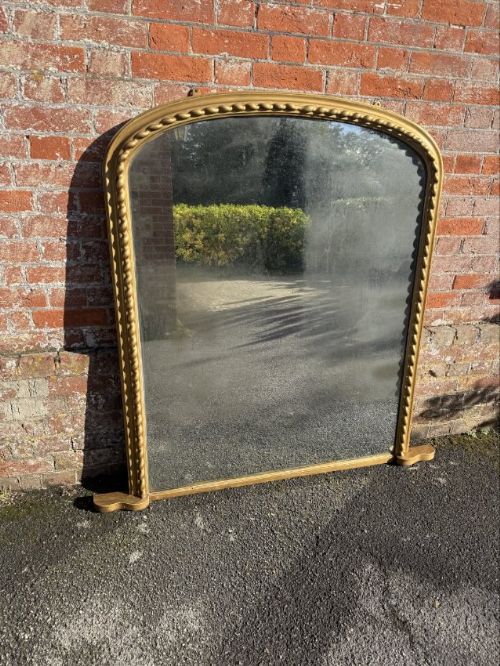
When someone searches for a victorian mantel piece, the focus centres heavily on large overmantel mirrors and striking clocks designed to sit above a fireplace. These objects anchor the hearth, reflecting light and measuring time within nineteenth-century domestic spaces.
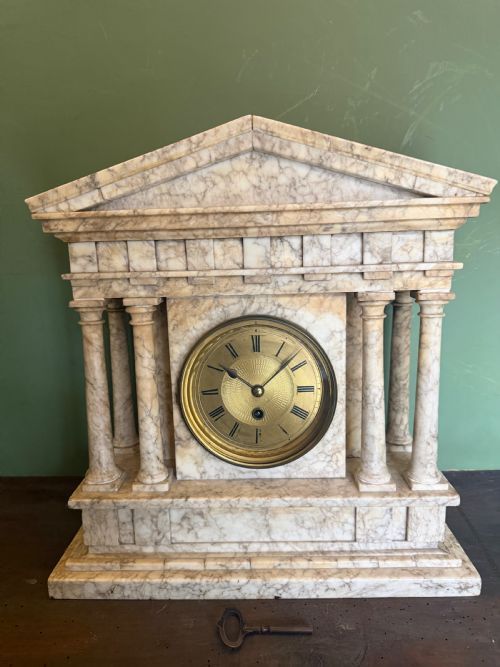
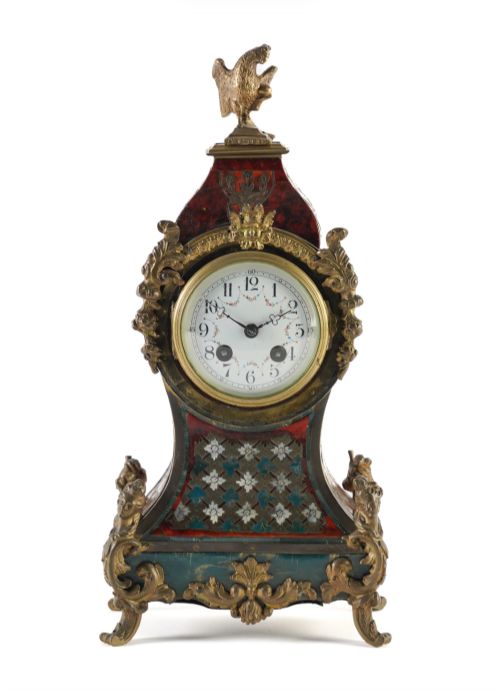
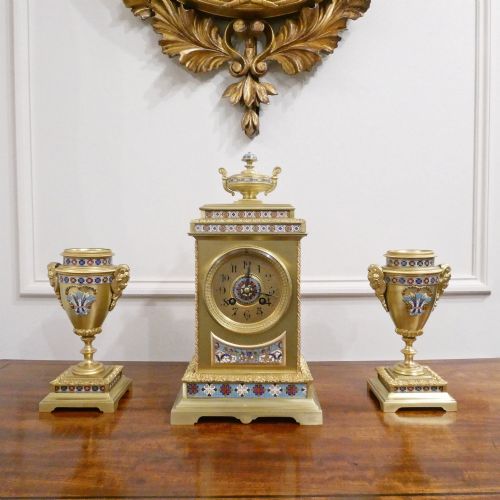
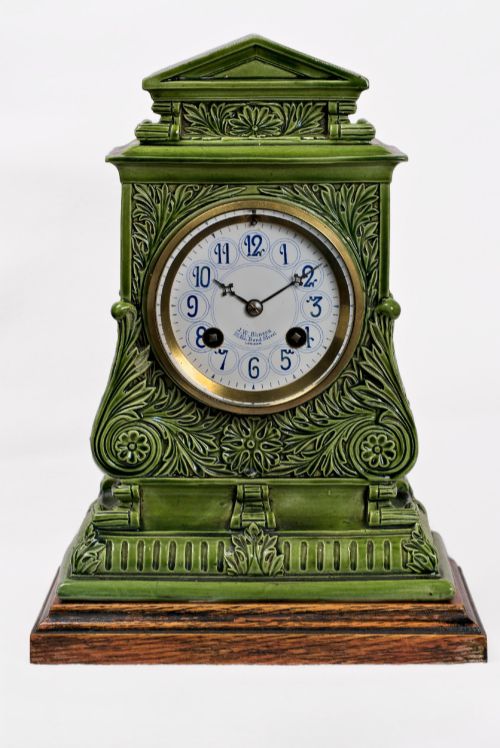
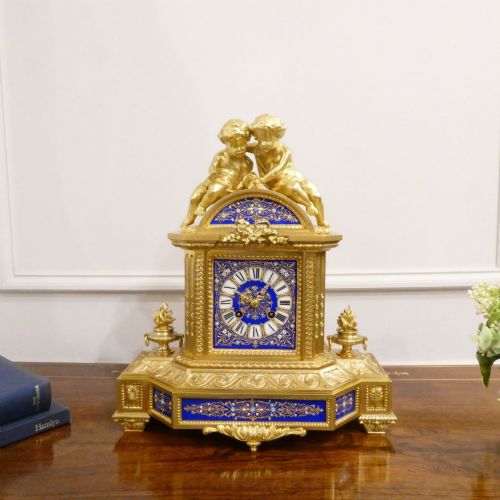
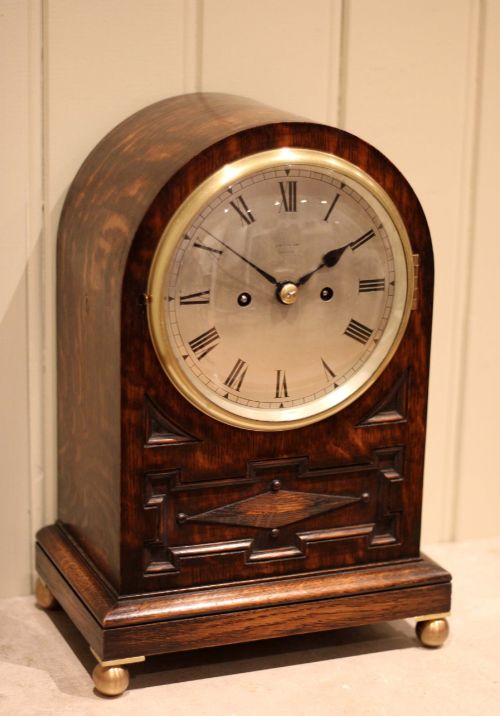
The selection ranges from architectural carved oak and mahogany frames to ornate giltwood and gesso mirrors with arched tops. Alongside these hang mantel clocks, carriage clocks, and bracket clocks driven by fusee or twin fusee movements.
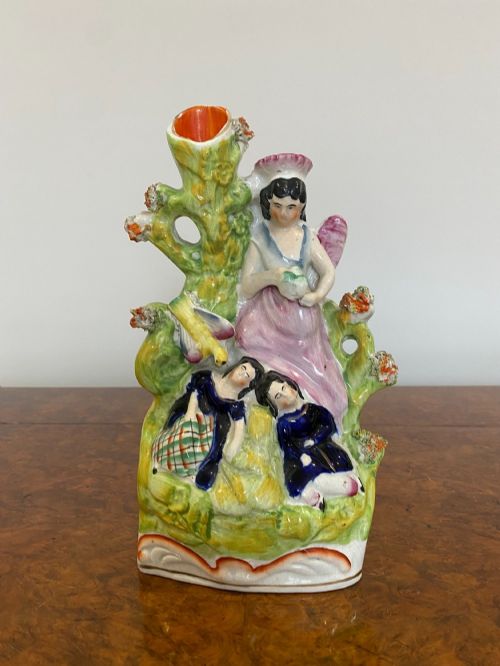
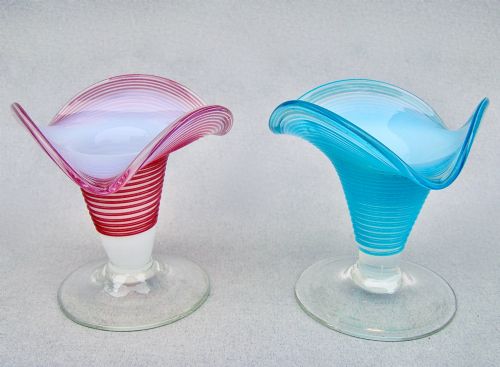
Beyond mirrors and timepieces, the category encompasses decorative items including alabaster busts, brass ewers, white glass vases, and bronze sculptures. French and English workshops dominate these offerings, bringing diverse regional aesthetics to the nineteenth-century mantel.
Materials and construction
Makers utilised heavy hardwoods such as mahogany, oak, and ebonised wood for structural clock cases and mirror frames, often carving them with deep relief or linear mouldings. Giltwood and gesso applications provided reflective, ornamental surfaces designed to catch candle or gas light.
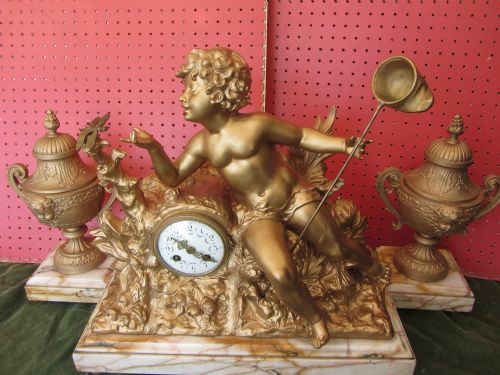
Horological pieces combined brass, bronze, and gilt-brass with porcelain dials and marble housings, housing complex mechanical movements like the quarter-striking ting-tang or twin fusee systems. Decorative elements relied on carved alabaster, moulded glass, and hand-painted enamel.
Victorian Mantel Retail Price Guide 2026
Typical asking prices for victorian mantel among the pieces listed under this phrase on Sellingantiques today, from the lower quarter to the upper quarter. They describe what is for sale here now, not the wider market.
One cuckoo clock waits patiently on the shelf, ready to remind busy Victorians of the exact passing hour.
Distinctions in craftsmanship
Quality separates objects by the crispness of hand-carving on wooden frames and the depth and integrity of the original gilding on gesso. Superior mirrors exhibit heavy, clear plate glass secured within sound timber joinery.
In timepieces, the grade depends on the reputation of the maker, the complexity of the movement such as striking or repeating mechanisms, and the precision finish of the brass dial and fitted case.
Henri Jacot·W & H Swept·Jean-Baptiste Delettrez·Cousens & Whiteside·H.A.C.·Lenzkirch
The Victorian Mantel Glossary
- Overmantel mirror
- A large mirror specifically proportioned to hang on the wall directly above a fireplace mantelpiece. These pieces frequently feature arched tops and elaborate giltwood frames.
- Fusee movement
- A mechanical clock drive using a conical pulley and chain to maintain equal power as the mainspring unwinds. This mechanism is a hallmark of better-quality English timepieces.
- Gesso
- A plaster-based mixture applied to wood frames before gilding to provide a smooth, sculpted base for gold leaf. Skilled artisans carved intricate relief details directly into this surface.
- Carriage clock
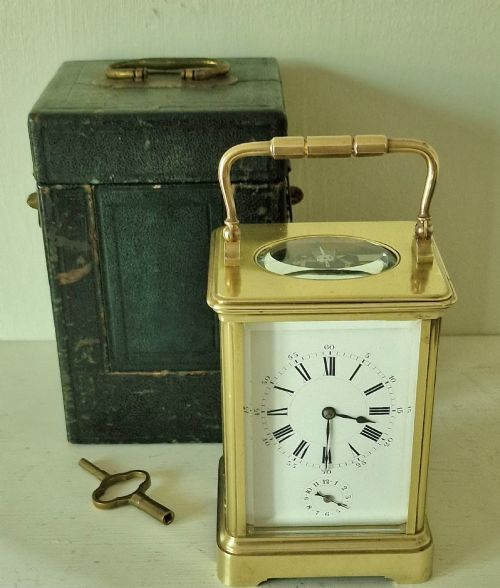
- A small, portable spring-driven clock with a glass-sided brass case and a folding handle, designed for travel. Nineteenth-century examples often included striking or repeating complications.
- Twin fusee
- A clock movement utilising two separate fusee chains and spring barrels to power the timekeeping train and the striking train independently.
Victorian Mantel: Frequently Asked Questions
How do I measure for an overmantel mirror?
Measure the width of the fireplace surround and the available wall height up to the ceiling or picture rail. The mirror should generally sit narrower than the mantel shelf itself to maintain correct visual balance.
Account for the weight of heavy timber and giltwood frames when planning wall fixings. Large nineteenth-century pieces require secure attachment directly into structural studs or masonry.
Where were carriage clocks placed?
Carriage clocks originated as portable timepieces for travellers during the nineteenth century, housed in protective leather cases with glass panels to view the movement. They moved easily between bedchambers, writing desks, and mantelpieces.
Their robust brass construction and spring-driven movements allowed them to keep accurate time despite the motion of horse-drawn transport. Later examples became popular decorative items for static domestic display.
What is a twin fusee movement?
A twin fusee movement powers both the going train and the striking train using two conical pulleys and chains. This configuration ensures even tension is delivered to the gears as the mainsprings relax.
Clocks with this mechanism maintain superior timekeeping accuracy throughout their running cycle. They represent a high standard of nineteenth-century clockmaking craftsmanship.
How do I care for giltwood frames?
Dust giltwood and gesso surfaces gently with a soft, dry brush to prevent accumulation without disturbing the delicate gold leaf. Avoid moisture and chemical cleaning agents entirely, as liquid damages the underlying plaster.
Keep these pieces away from direct heat sources such as active fireplaces. Excessive temperature shifts cause the timber substrate to expand and contract, leading to cracking in the gesso.