
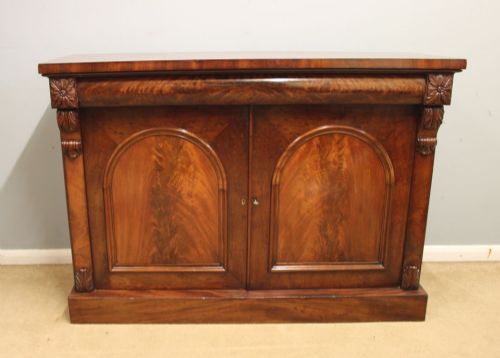
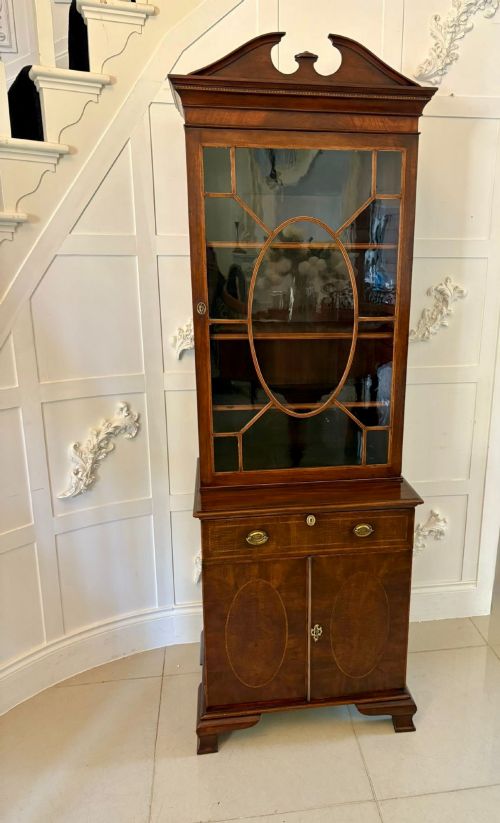
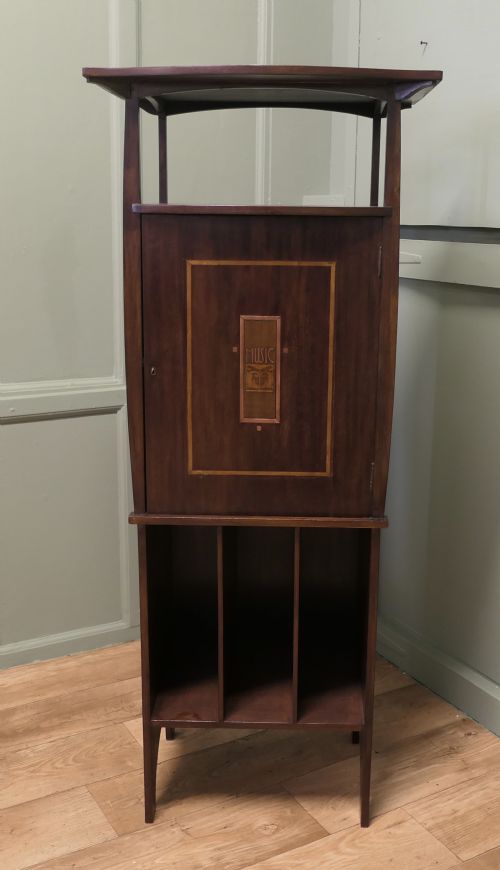
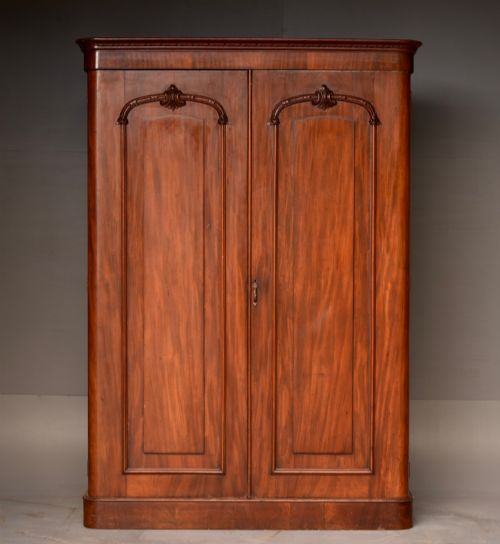
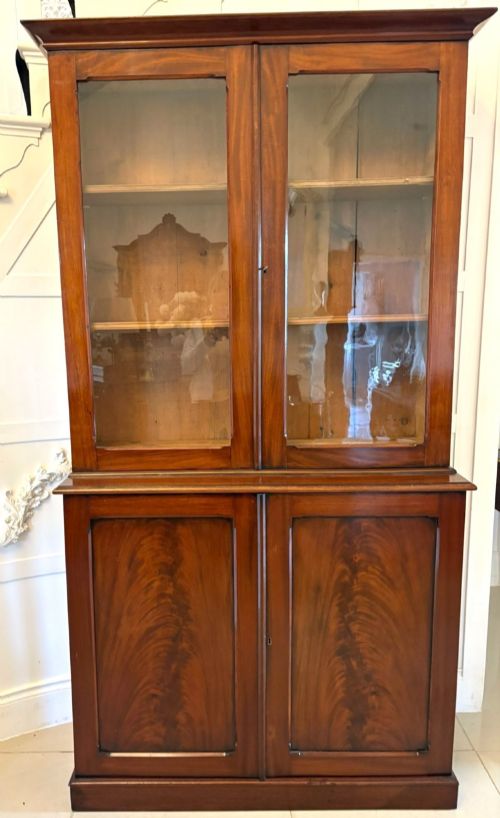
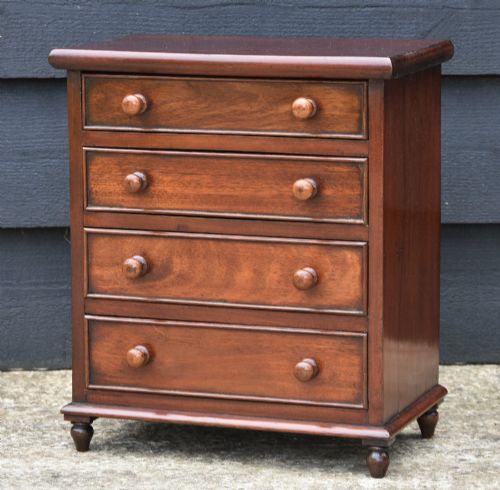
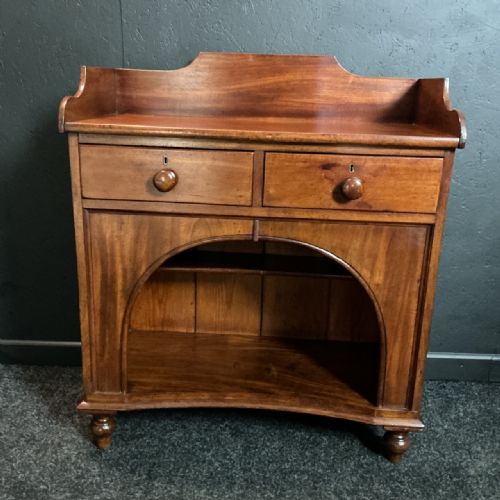
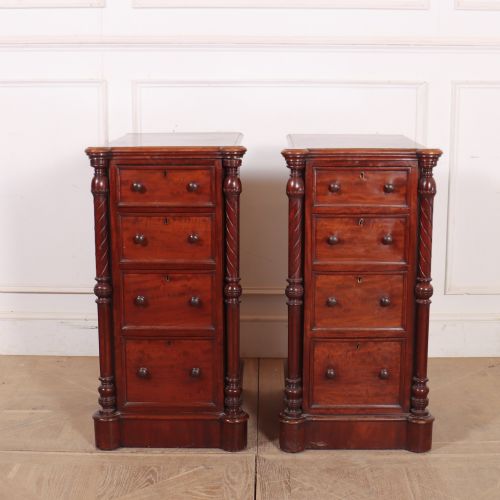
Victorian Mahogany Storage Cupboard
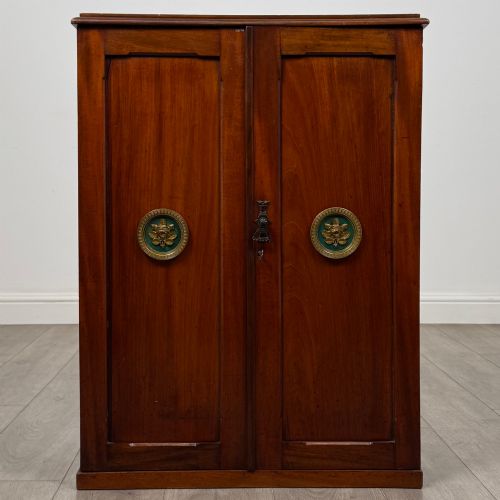
A victorian mahogany storage cupboard offers rich timber grain and solid proportions, bringing timeless utility to modern rooms.
Victorian Mahogany Storage Cupboard
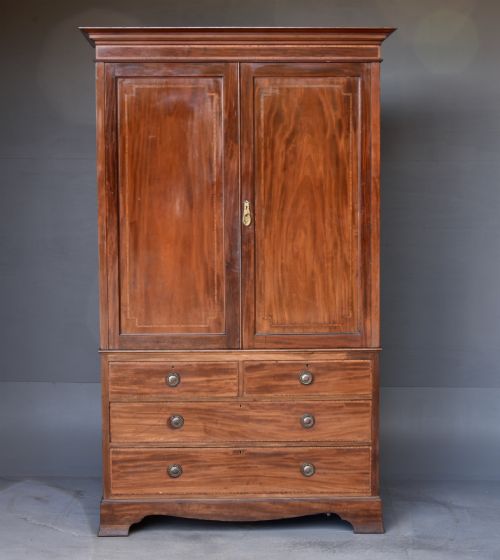
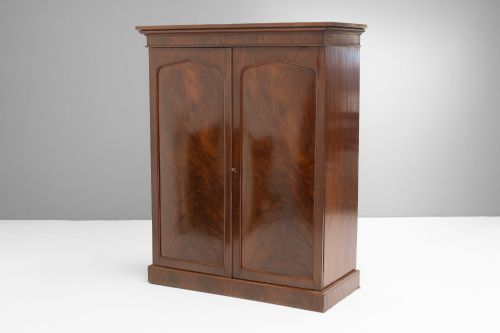
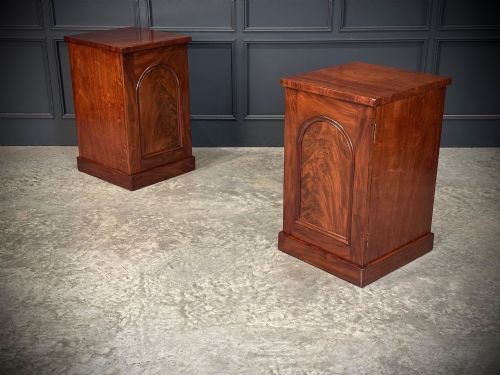
A victorian mahogany storage cupboard encompasses a diverse range of nineteenth-century furniture designed to keep rooms orderly. Buyers searching this phrase encounter various forms, from tall bookcases and linen presses to bedside chests, side cabinets, and compact cupboards.
The pieces on this page originate predominantly from the Victorian and Edwardian periods, stretching from the mid-nineteenth century through to nineteen hundred. Makers of these items utilised solid timber and rich veneers to construct functional pieces for country houses, estate offices, and town residences.
Materials and construction
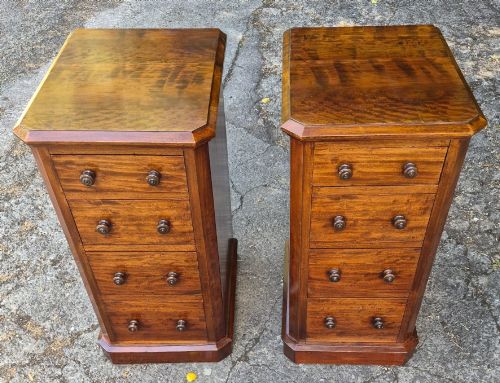
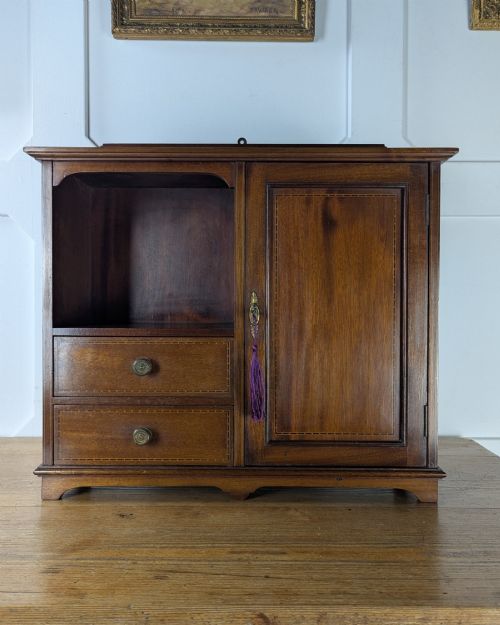
Cabinet makers built these pieces using solid mahogany and flame mahogany veneer over secondary timbers, often embellishing surfaces with satinwood and wood inlay. Brass hardware, including handles, hinges, and campaign mounts, provides functional contrast to the deep red-brown timber.
Joinery techniques ranged from straightforward carcase construction to intricate blind fretwork cornices and marquetry inlay. Glazed doors appeared on bookcases and display cabinets, while specialised storage pieces incorporated internal drawers, sliding trays, and fitted compartments.
Factors that distinguish quality
Quality rests in the selection of timber figures, where striking flame mahogany veneer and thoughtful matching elevate a straightforward storage piece into a work of craftsmanship. Subtle decorative details, such as inlaid satinwood or fine marquetry, signal higher workshops.
Structural integrity and the retention of original brass fittings and glazed panels determine the enduring standard of a cupboard. Pieces exhibiting crisp carving, well-fitted drawers, and intact period finishes occupy the upper tier of the range.
GM Elwood for JS Henry·maples & co·Heals
The Victorian Mahogany Storage Cupboard Glossary
- Flame mahogany
- A veneer cut from timber where the branch meets the trunk, producing a distinctive, flickering flame pattern. This decorative grain was highly prized for drawer fronts and cabinet doors.
- Linen press
- A tall storage piece featuring upper sliding trays or shelves enclosed by doors, positioned above a base of drawers. Originally utilised for flat household textiles.
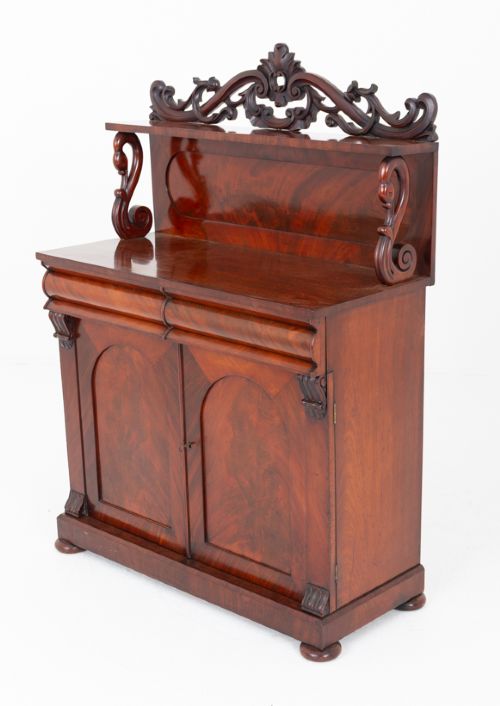
- Chiffonier
- A low sideboard or cupboard developed in the nineteenth century, typically featuring a shelf superstructure supported by pillars above enclosed lower storage.
- Marquetry
- The art of applying pieces of veneer to a structural carcase to form decorative patterns and pictures. Craftsmen employed contrasting woods like satinwood to achieve pictorial depth.
- Blind fretwork
- Carved ornamentation applied to a solid background so that it appears pierced rather than fully open. This technique adorned cornices and friezes on mid-nineteenth-century cabinets.
Victorian Mahogany Storage Cupboard: Frequently Asked Questions
What periods do these storage cupboards date from?
The pieces span the Victorian and Edwardian eras, with specific examples recorded from the mid-nineteenth century through to nineteen hundred. Dates derive from stylistic markers and documented manufacturing periods.
Craftsmen during these decades produced everything from utilitarian estate office cabinets to refined Sheraton Revival corner cupboards and Arts and Crafts music cabinets.
How were linen presses originally used?
Linen presses provided essential storage for household textiles, garments, and folded linens before the widespread adoption of built-in wardrobes. The upper section housed sliding trays for flat storage.
The lower drawer base accommodated bulkier items, keeping textiles organised and protected from dust in large nineteenth-century residences.
What is the difference between a chiffonier and a sideboard?
A chiffonier is generally smaller and lower than a traditional dining sideboard, often incorporating a raised shelf back supported by pillars. These pieces served flexible functions in sitting rooms and smaller dining spaces.
Sideboards tended toward larger proportions and heavier storage capacity, intended primarily for formal dining rooms.
How do I identify a miniature apprentice piece?
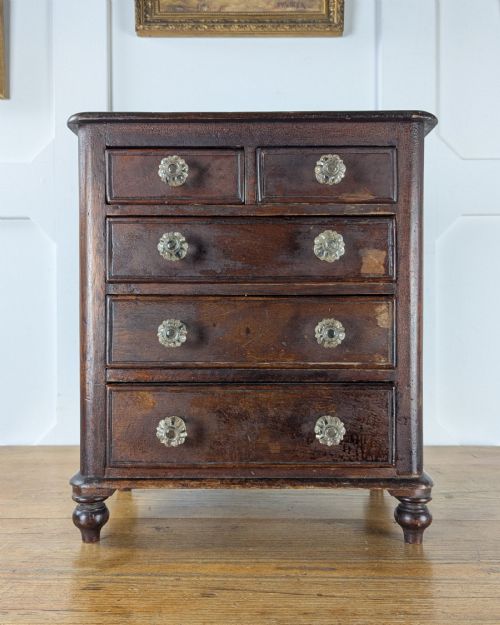
Miniature chests and cupboards match the exact proportions, joinery techniques, and timber selection of full-scale furniture but on a reduced scale. These items served as trade samples or demonstration pieces for craftsmen.
They feature working drawers and traditional construction methods identical to their larger counterparts.