

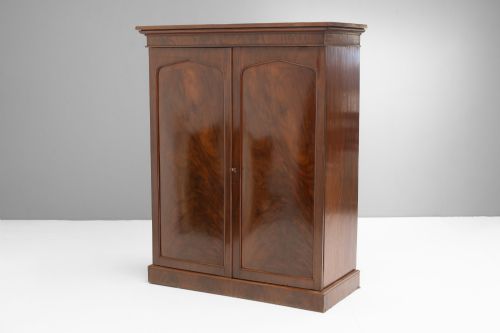
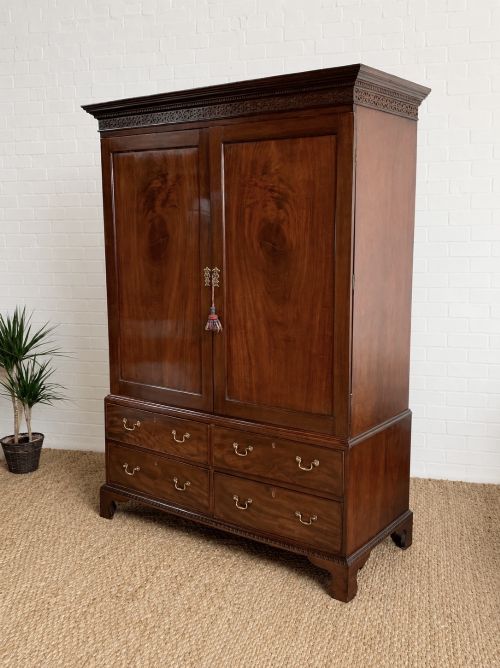
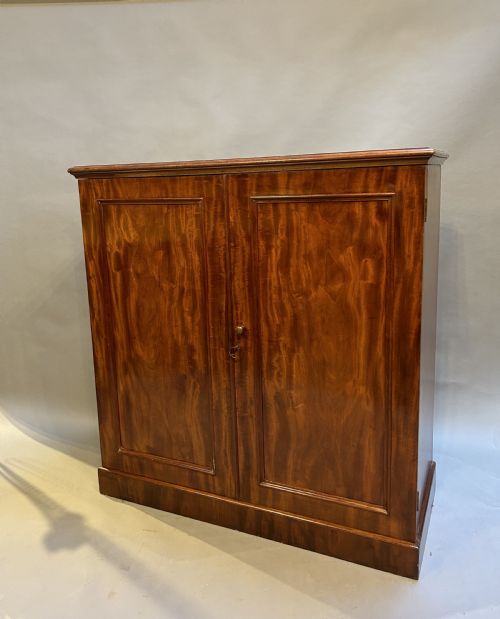
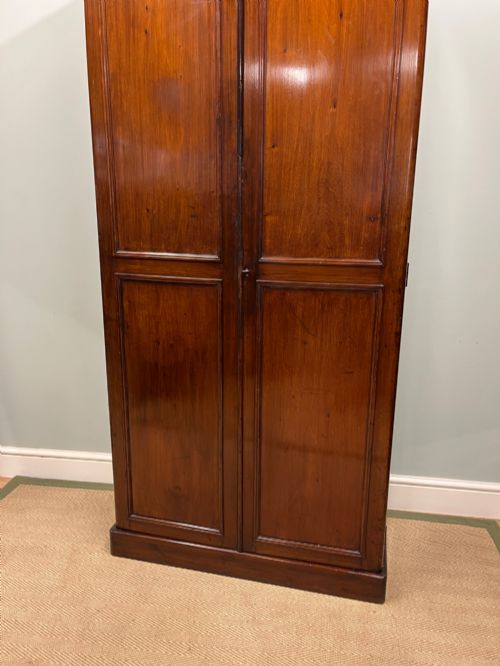
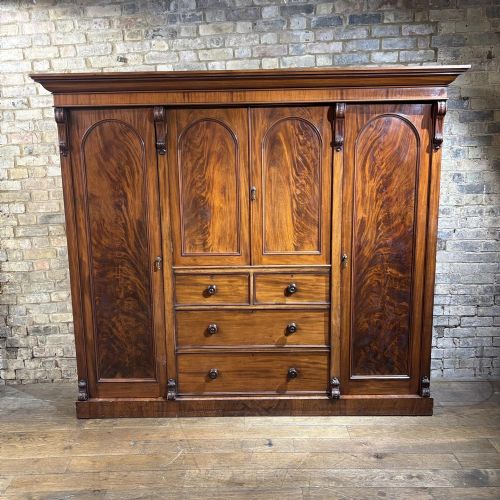


Victorian Mahogany Linen Cabinet
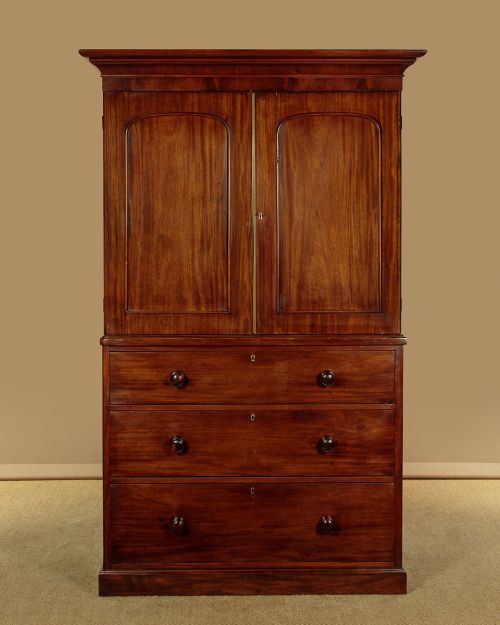
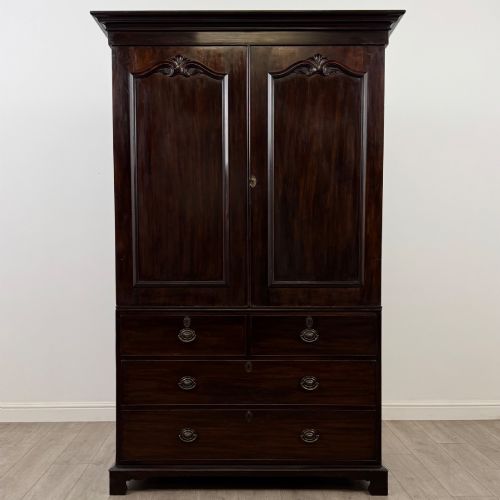
A victorian mahogany linen cabinet is a substantial storage piece built to house household linens, combining deep timber tones with practical interior shelving and drawers.
Victorian Mahogany Linen Cabinet
When searching for a victorian mahogany linen cabinet, buyers encounter substantial pieces designed to organise household textiles and garments within domestic interiors. These forms frequently appear as linen presses, wardrobes, and compactum cupboards dating primarily through the nineteenth century.
The versions most commonly met on this page span the Victorian era, alongside related nineteenth-century examples and occasional Edwardian pieces. Makers utilised sturdy carcases of solid timber and rich veneers to create functional storage furniture for bedrooms and dressing rooms.
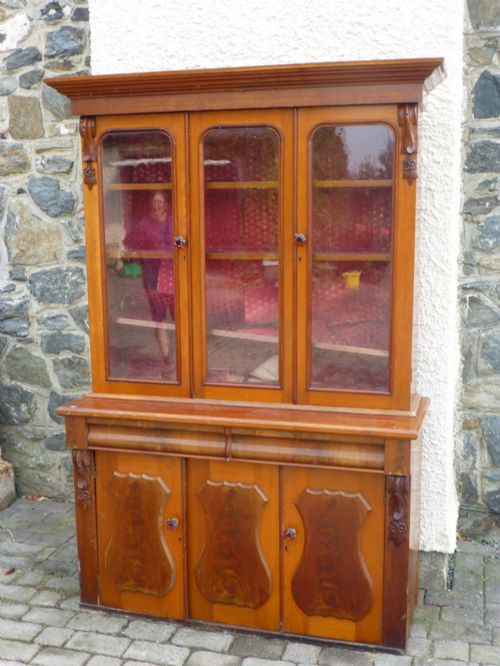
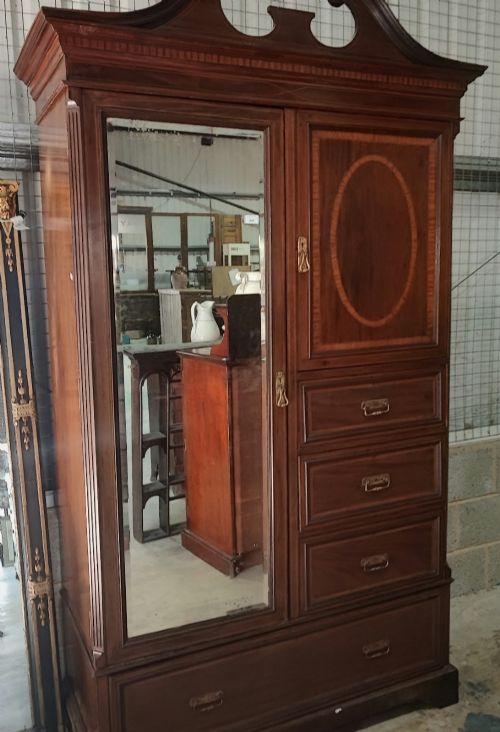
Beyond standard presses, the selection includes related forms such as gentleman's wardrobes, glazed bookcases, and miniature furniture. These pieces reflect the varied domestic storage needs of the period, executed in solid timber and decorative veneers.
How They Were Made
Cabinet makers constructed these pieces primarily using solid mahogany and flame mahogany veneer applied over secondary woods such as pine and oak. Brass hardware, glass panels, and satinwood stringing frequently appeared as structural and decorative details.
Techniques relied on traditional joinery, incorporating hand-cut dovetails for drawer construction and sturdy panel-and-frame methods for doors and carcases. Surfaces received polished finishes that highlighted the deep grain patterns of the timber.
Victorian Mahogany Linen Cabinet Retail Price Guide 2026
Typical asking prices for victorian mahogany linen cabinet among the pieces listed under this phrase on Sellingantiques today, from the lower quarter to the upper quarter. They describe what is for sale here now, not the wider market.
What Varies in Quality
The standard of timber selection largely defines the scale of quality, distinguishing between simple solid construction and finely figured flame mahogany veneers matched symmetrically across doors and drawer fronts. Cabinet-making finesse shows in the crispness of carved cornices, blind fretwork, and inlaid satinwood details.
Structural integrity and the preservation of original internal sliding trays or shelving separate standard utilitarian items from finer workshop productions. The depth of the faded patina and the retention of original brass handles further influence the standing of an individual piece.
maples & co·Edwards and Roberts·Heals
The Victorian Mahogany Linen Cabinet Glossary
- Linen Press
- A large two-section storage piece featuring upper cabinet doors enclosing sliding trays for textiles above a base of lower drawers. This form evolved to keep household linens flat and protected from dust.
- Compactum
- A fitted wardrobe combining hanging space, drawers, and shelving within a single multi-compartment carcase. This configuration maximised storage efficiency in nineteenth-century bedrooms.
- Flame Mahogany
- A wood veneer cut from the branch junction of the mahogany tree, displaying a distinctive flamed or feathered grain pattern. Cabinet makers used this decorative veneer symmetrically on prominent surfaces.
- Blind Fretwork
- Carved ornamentation applied to a solid background without piercing right through the timber. This decorative technique appears on cornices and friezes of nineteenth-century case furniture.
- Patina
- The surface sheen and tonal depth acquired by wood through age, handling, and light exposure over decades. A natural faded patina indicates undisturbed maturity in antique furniture.
Victorian Mahogany Linen Cabinet: Frequently Asked Questions
What is a linen cabinet used for?
These cabinets served primarily to store folded household textiles, bed linen, and garments before the widespread use of fitted wardrobes. Interior sliding trays kept stacks of fabric organised and accessible in domestic bedrooms.
Today, they function effectively in modern homes as general storage cupboards, hallway wardrobes, or dining room linen stores.
Where should I place a mahogany cabinet?
Position these heavy timber pieces against stable interior walls away from direct sunlight and sudden temperature fluctuations. Such environmental care prevents the mahogany timber and decorative veneers from drying out or splitting.
Allow adequate clearance around doors and lower drawers to ensure smooth daily operation in your room layout.
How do I date a Victorian mahogany piece?
Dating relies on observing construction methods, secondary woods, and stylistic traits recorded in the piece. Mid-nineteenth-century examples often display rich flame mahogany veneers and hand-cut dovetailing, while later Victorian items incorporate different proportions and hardware.
Makers' stamps, where present, offer direct documentation of the workshop or retail firm involved.