


Victorian Mahogany Floor Mirror
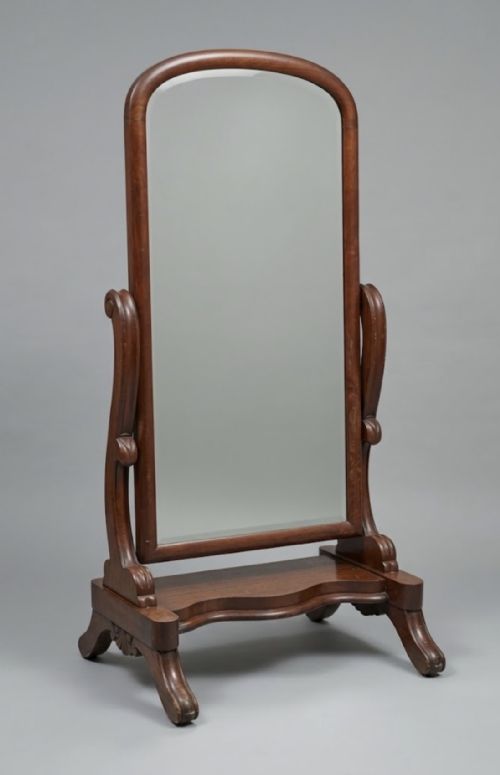
A victorian mahogany floor mirror brings warmth and functional elegance to a room, holding a full-length glass plate within a sturdy freestanding frame.
Victorian Mahogany Floor Mirror
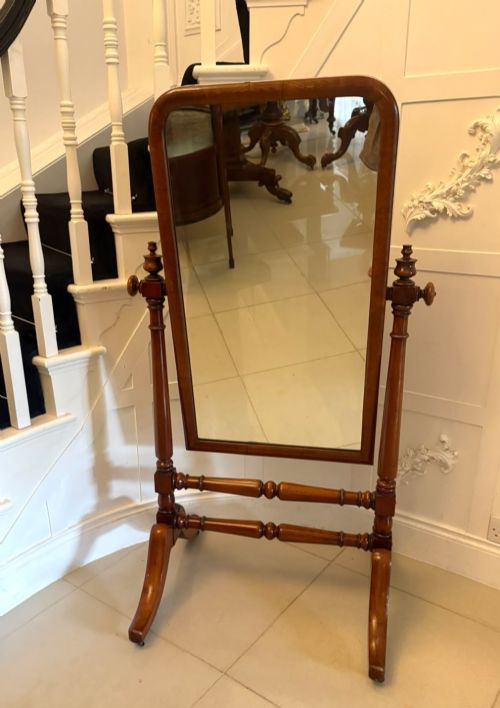
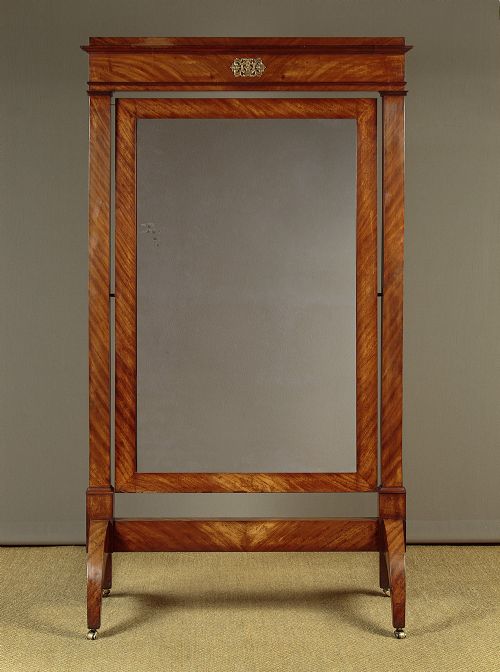
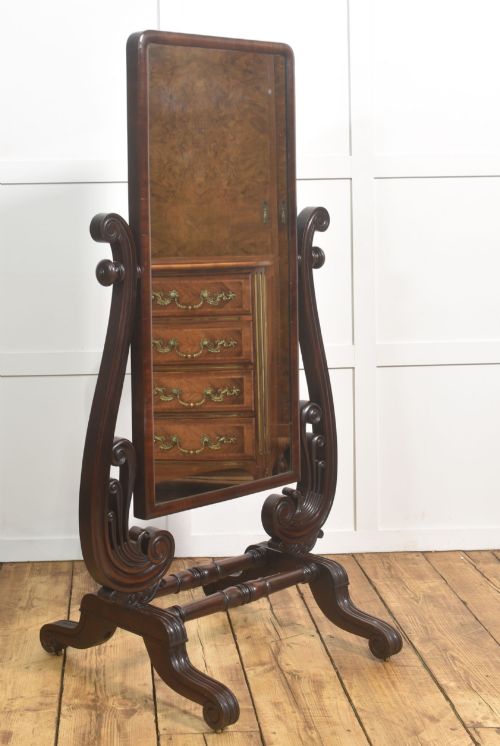
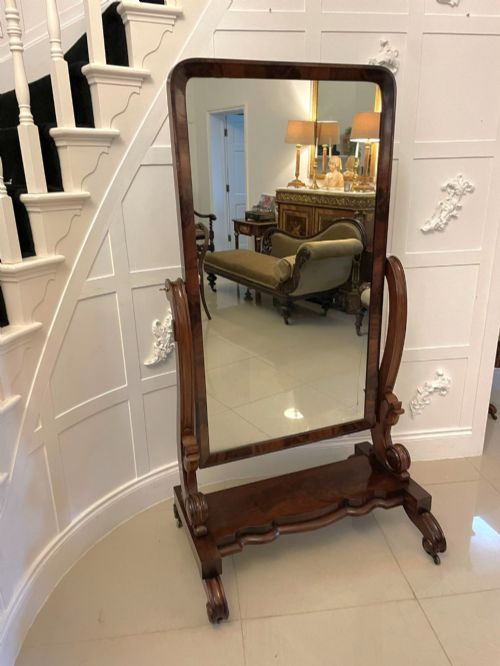
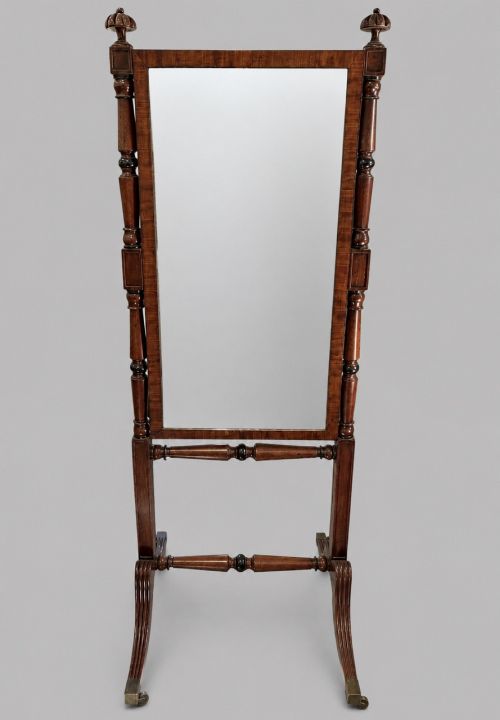
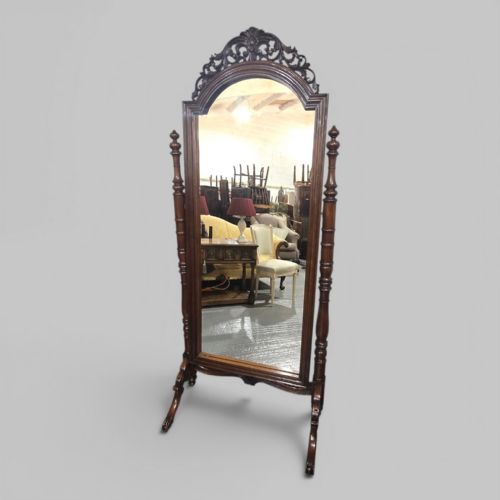
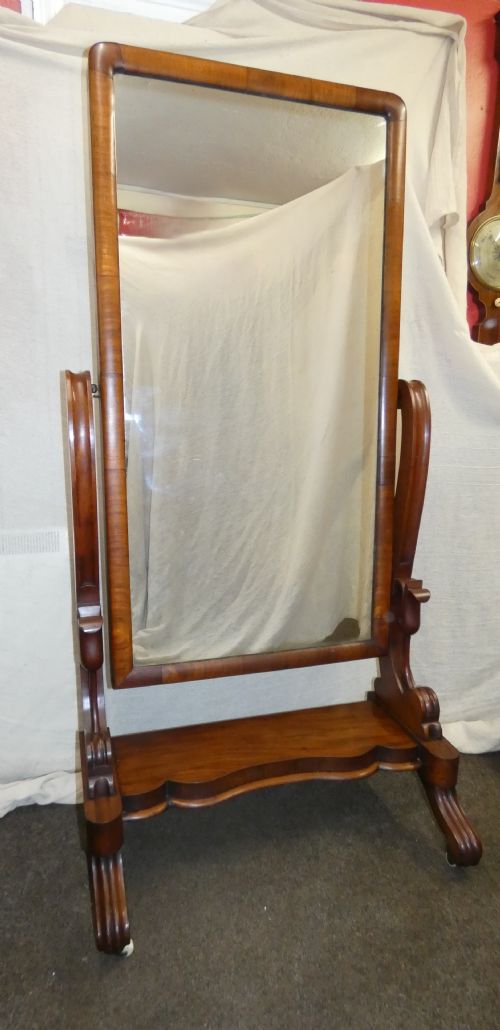
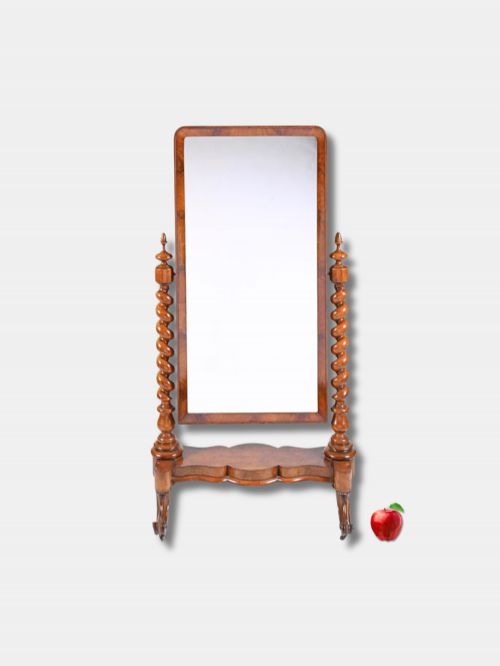
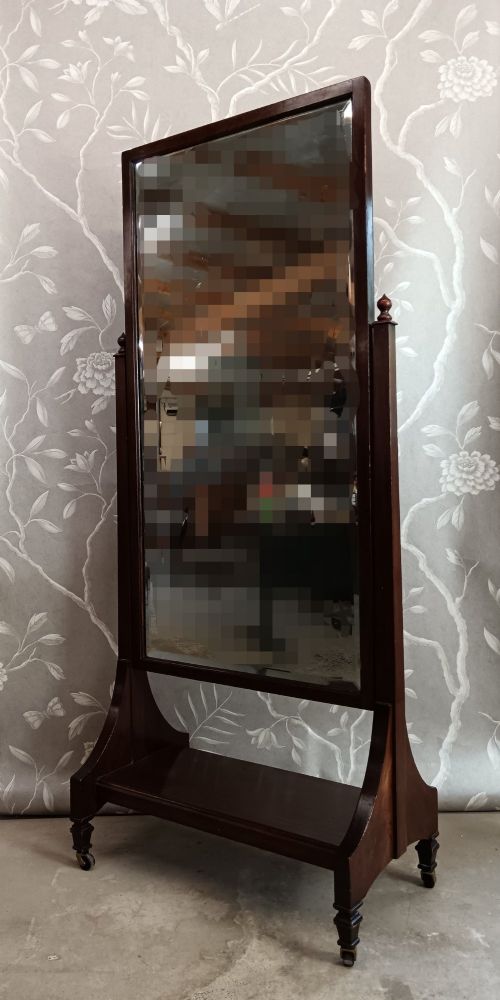
When you search for a victorian mahogany floor mirror, you encounter tall, freestanding dressing glasses designed to tilt on vertical pivots within supportive side pillars. The most common form on this page is the cheval mirror, alongside related standing mirrors, shaving stands, and dressing glasses originating across the nineteenth century.
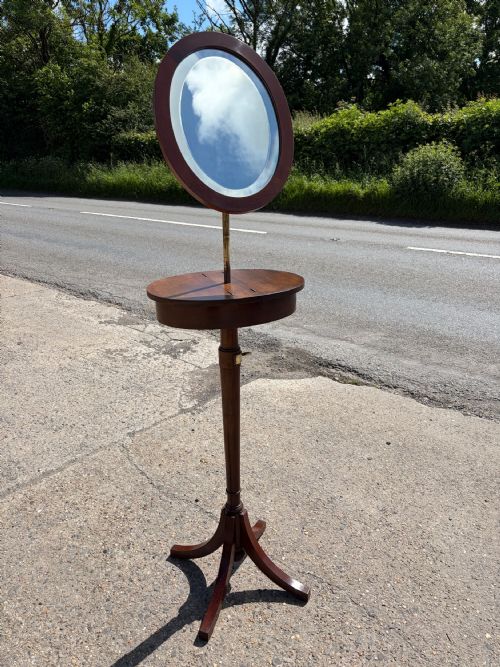
These pieces range from compact, adjustable shaving mirrors on tripod bases to large, full-length standing frames suited for bedrooms and dressing rooms. Alongside strict Victorian examples, the selection includes pieces spanning from the Regency period through to Edwardian times, reflecting shifting domestic habits.
Makers utilised rich timbers and clever mechanical joints to create items that served practical grooming needs while anchoring the decor of grand interiors. Their longevity stems from honest joinery and the enduring appeal of warm timber frames.
What varies in quality
Quality reveals itself in the choice of timber and the execution of structural details like turning and carving. Superior examples display carefully matched mahogany grains, substantial brass fittings, and well-balanced frames that tilt securely without slipping.
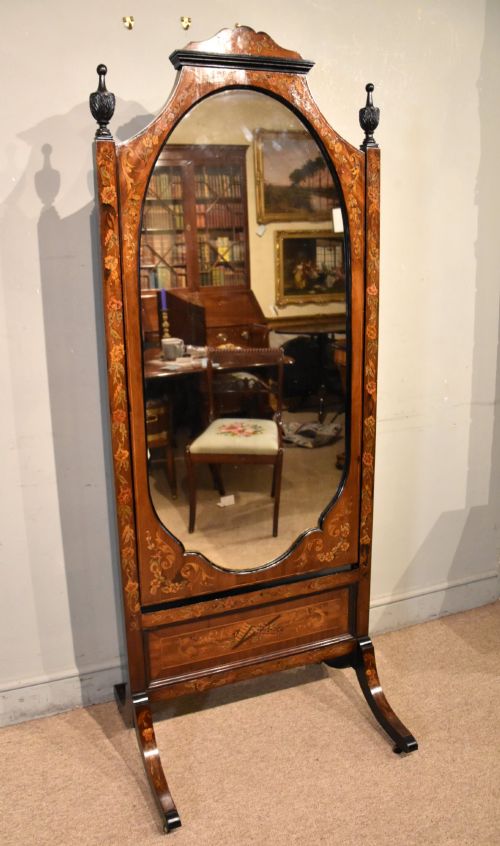
Simpler workshop pieces rely on plain timber and straightforward joinery, whereas top-tier items incorporate marquetry inlay, decorative carving, or integrated brass articulated candle holders that demonstrate higher ambition from the maker.
Object forms span full-length cheval mirrors, telescopic shaving stands, and boot maker's mirrors on tripod or plinth bases.
The Victorian Mahogany Floor Mirror Glossary
- Cheval mirror
- A large freestanding mirror suspended on a frame with four legs or a heavy plinth, allowing it to swing freely. The term derives from the French word for horse.
- Sabot
- A metal sleeve or shoe fitted to the foot of a furniture leg for protection and decoration. Brass versions are typical on nineteenth-century pieces.
- Marquetry inlay
- Decorative patterns formed by fitting contrasting pieces of wood veneer into a prepared surface. This technique adds subtle visual texture to the frame.
- Barley twist
- A decorative turning technique resembling a twisted rope, seen on the vertical support columns of certain Victorian stands.
- Sabre leg
- A curved, tapered furniture leg that sweeps outward in a concave curve, common on Regency and early nineteenth-century frames.
Victorian Mahogany Floor Mirror: Frequently Asked Questions
Where should I place a cheval mirror?
These mirrors suit bedrooms, dressing rooms, and large hallways where their height can be appreciated fully. Positioning them near natural light sources helps bounce illumination around the room while providing a functional full-length reflection.
Ensure the floor beneath is level to prevent strain on the pivot pins and side supports. Adequate clearance around the frame allows the glass to tilt safely to various angles.
Are these mirrors stable on carpets?
Freestanding floor mirrors with wide plinths or heavy splayed legs generally maintain good stability on flat surfaces. However, thick carpets can cause uneven weight distribution on castors.
Using small caster cups helps distribute the weight evenly and prevents indentations in the flooring. Checking the central pivot screws regularly ensures the swinging frame remains secure.
What is the difference between a cheval and a dressing mirror?
A cheval mirror stands directly on the floor at full height, designed to reflect the entire figure of a person. A dressing mirror is typically much smaller and built to sit on top of a chest of drawers or a vanity table.
Both types utilise pivoting frames for adjustable angles, but their scale and intended placement within a room differ significantly.