

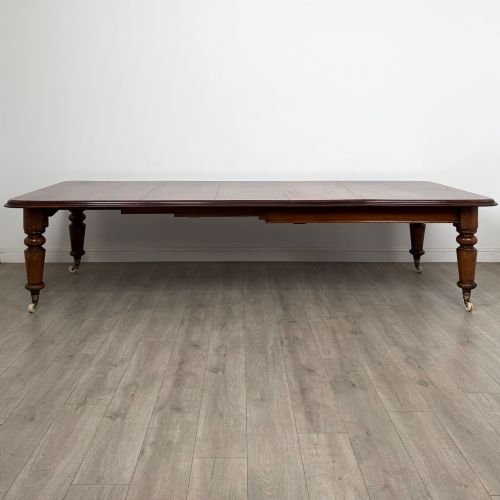


Victorian Mahogany Conference Table
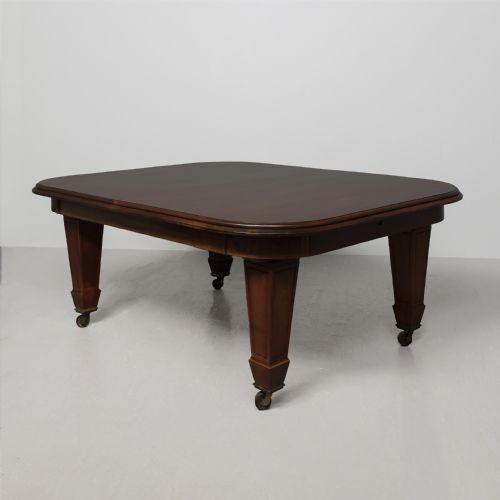
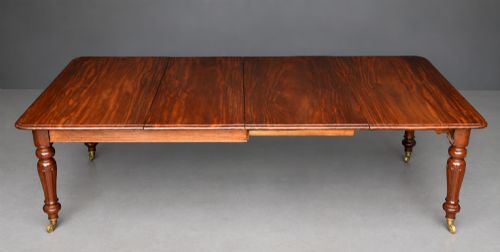
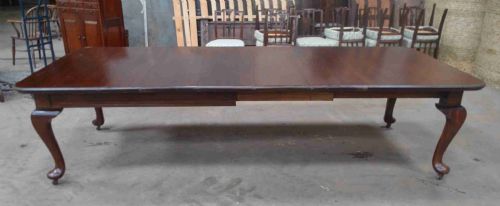
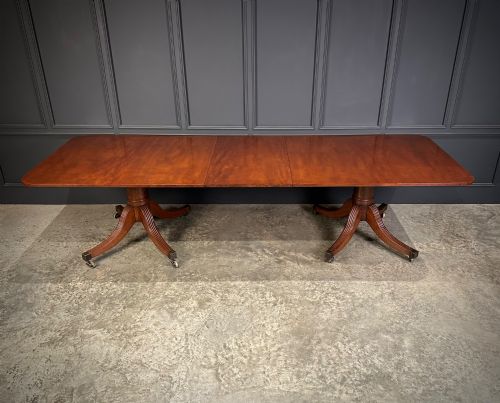
A victorian mahogany conference table delivers grand proportions and sturdy timber, offering a functional centrepiece for large gatherings.
Victorian Mahogany Conference Table
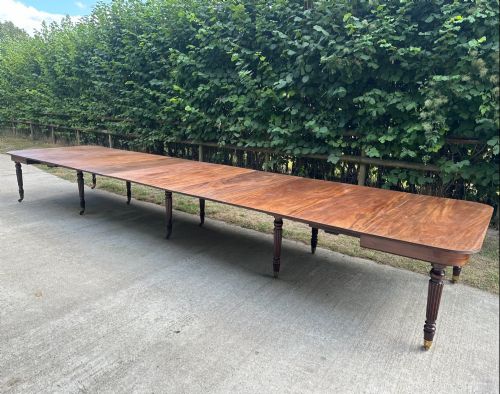
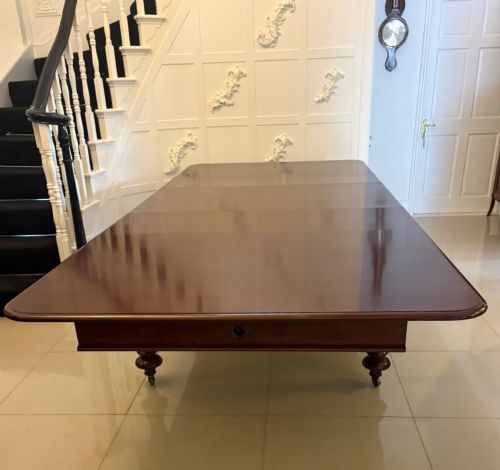
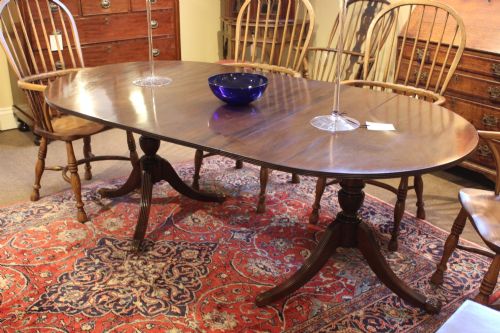
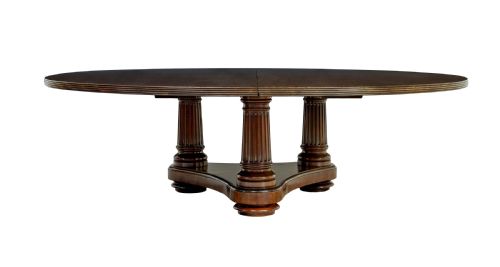
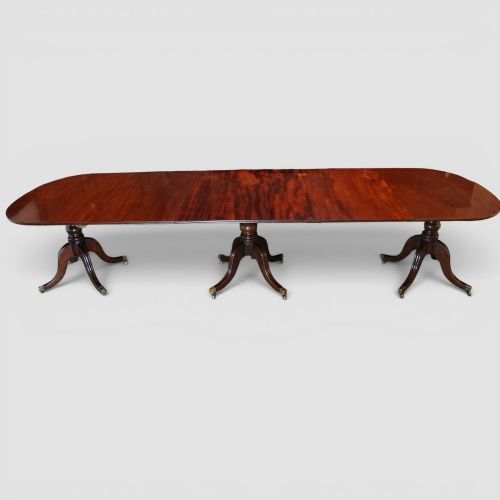
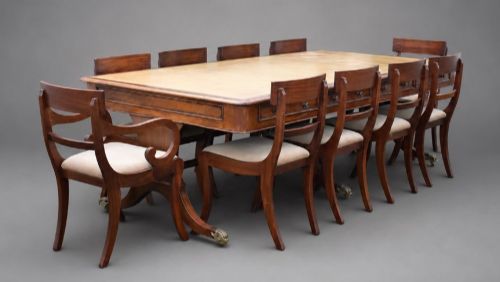
A victorian mahogany conference table typically appears as an extending dining or boardroom table designed to seat large numbers of people. These pieces often span multiple pedestals or pillars to support heavy timber tops.
Most examples originate from the nineteenth century, featuring styles that range from plain Victorian utility to ornate William IV and Regency revivals. Buyers frequently encounter formats with drop-in leaves or wind-out mechanisms.
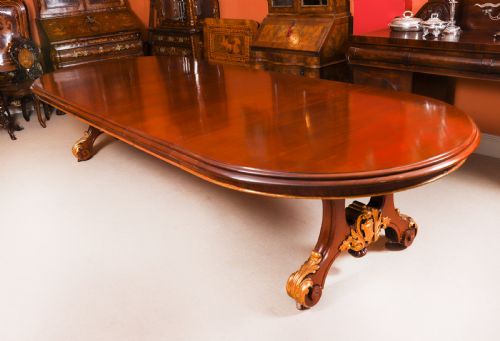
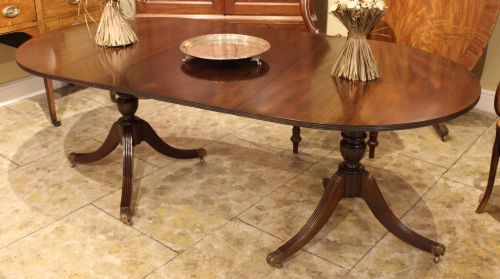
Makers utilised dense timber to build substantial furniture suitable for formal dining rooms and professional meeting spaces. The forms vary from twin and triple pedestal designs to massive imperial tables.
How they were made
Craftsmen built these tables using solid mahogany and figured mahogany veneers over secondary timbers, occasionally incorporating brass castors and metal winding mechanisms. The structural frames relied on heavy timber pedestals and D-end sections.
Makers integrated mechanical systems such as screw winders and leaves to allow the timber surfaces to expand smoothly. Carved details like claw and ball feet appeared on select uprights.
Victorian Mahogany Conference Table Retail Price Guide 2026
Typical asking prices for victorian mahogany conference table among the pieces listed under this phrase on Sellingantiques today, from the lower quarter to the upper quarter. They describe what is for sale here now, not the wider market.
Listings feature nineteenth-century materials including solid mahogany, brass castors, and figured timber veneers.
What varies in quality
The density and figuring of the mahogany timber dictate the visual depth of the surface, with flame and figured grains commanding greater attention. Substantial scale and the presence of original leaves elevate the status of a piece.
Makers such as Gillows or Wylie and Lochead introduced refined joinery and mechanical precision that distinguished standard workshop production from high-tier commissions. The integrity of the extending mechanism and the stability of the pedestal base further separate ordinary examples from exceptional ones.
Gillows·Wylie and Lochead
The Victorian Mahogany Conference Table Glossary
- Extending table
- A table designed with a mechanism and removable leaves to lengthen the top surface. This allows the furniture to adapt for different numbers of diners.
- Pedestal
- A central upright support beneath the table top, often dividing into multiple legs. Twin and triple pedestal formats provide stability for long surfaces.
- D-end
- A table end shaped in the semi-circular outline of the letter D. These sections often detach or form the ends of extending dining formats.
- Wind-out mechanism
- A geared mechanical system operated by a handle to open the table framework. It allows leaves to be inserted smoothly into the centre.
- Flame mahogany
- A veneer cut from timber fork joints displaying a distinct flickering flame pattern. This figure was selected for prominent table tops.
Victorian Mahogany Conference Table: Frequently Asked Questions
How do I operate the extending mechanism?
Most nineteenth-century tables utilise a winding handle inserted into the side apron to open the internal wooden runners. Once the gap widens sufficiently, matching leaves drop into the centre.
Users then turn the handle in reverse to lock the timber sections tightly together. Aligning brass pins and dowels ensures the surface remains level across all joints.
How many people can these tables seat?
Seating capacity depends entirely on the length of the timber top and the presence of original leaves. Standard formats comfortably seat ten to twelve guests.
Extended imperial and boardroom versions can accommodate sixteen to twenty-four people. Placing chairs along the full length requires careful measurement of the pedestal clearance.
How do I distinguish William IV from Victorian styles?
William IV furniture typically displays heavy, robust proportions with bold scrolling carved details and rich flame mahogany veneers. The legs often feature heavy turned or fluted supports.
Victorian pieces produced later in the century frequently adopt lighter interpretations or revival styles influenced by earlier Regency designs. Pedestal bases on Victorian examples commonly incorporate carved claw and ball feet.