



Victorian Low Salon Chair
A victorian low salon chair offers low-slung comfort and refined upholstery, perfect for intimate seating arrangements in a period room.
Victorian Low Salon Chair
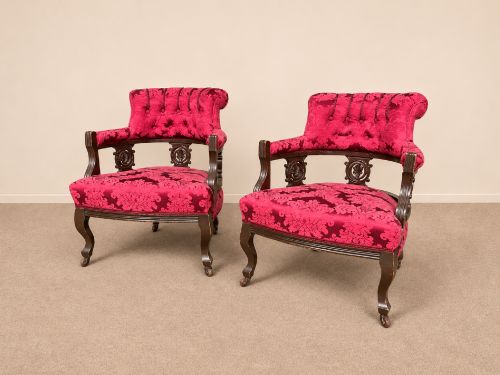
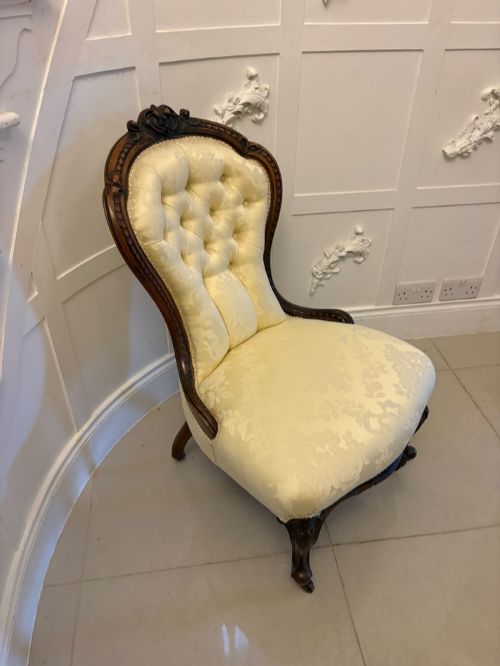
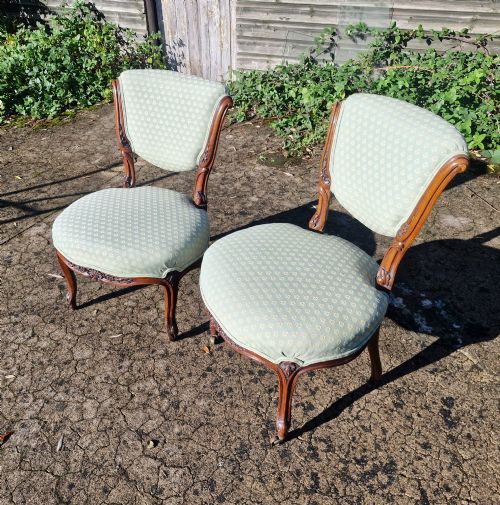
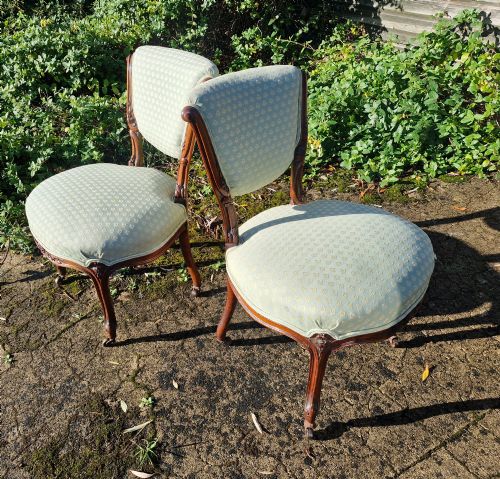
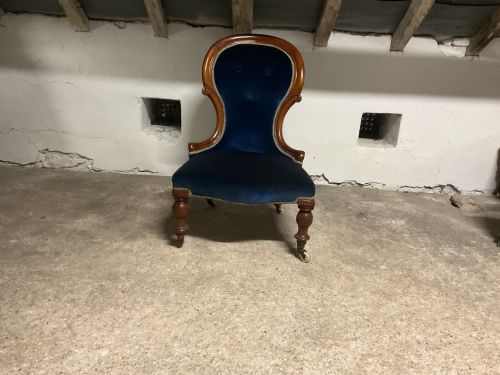
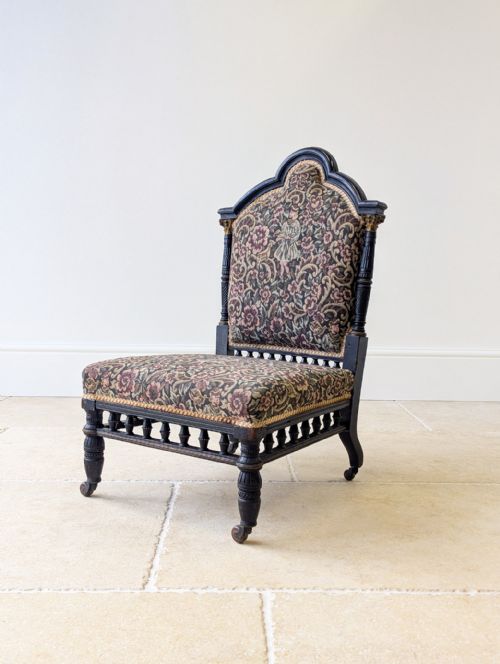
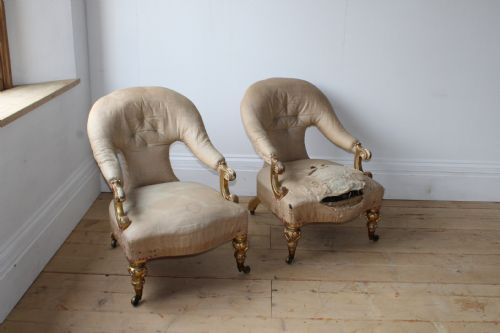
When you search for a victorian low salon chair, you are looking at compact, upholstered seating designed for the nineteenth-century parlour, drawing room, or bedroom. The pieces on this page span the mid to late nineteenth century, taking forms such as nursing chairs, low armchairs, and balloon back seats.
You will encounter various interpretations of the Victorian style, from walnut and mahogany frames to ebonised Aesthetic Movement examples and ornate Rococo Revival details. These chairs were built with low seats to accommodate the voluminous skirts of the period, making them both decorative and functional.
Origins stretch across the Victorian era into later revivals, utilising rich timbers like rosewood alongside traditional textile coverings. They function equally well today as fireside seats, bedroom accents, or occasional chairs in period and contemporary interiors alike.
How they were made
Makers constructed the frames of a vict Victorian low salon chair predominantly using solid hardwoods such as walnut, mahogany, and rosewood, often shaped with carved details or turned supports. Joinery relied on traditional methods to ensure stability in low-slung, compact forms that bore significant weight during daily use.
Upholstery techniques defined the comfort of these seats, employing supportive spring interiors, horsehair stuffing, and deep buttoning secured through heavy textile covers. Fabrics ranged from patterned velvet to contemporary replacement textiles, fixed securely to wooden frames with brass tacks or piping.
Victorian Low Salon Chair Retail Price Guide 2026
Typical asking prices for victorian low salon chair among the pieces listed under this phrase on Sellingantiques today, from the lower quarter to the upper quarter. They describe what is for sale here now, not the wider market.
Victorian ladies enjoyed seats built so low to the floor that gossip could be exchanged entirely below the radar of watchful chaperones.
What varies in quality
The distinction between standard production and finer examples lies in the crispness of the timber carving and the sophistication of the frame silhouette. Superior pieces display carefully selected wood grain, well-proportioned cabriole or turned legs, and robust internal framing that has survived decades of use without structural compromise.
Upholstery execution also separates pieces within the range, noting the precision of buttoning, the quality of the textile edge finishes, and the integrity of the underlying support layers. Original frames retaining their untouched timber patination alongside balanced proportions command greater appreciation among collectors.
Howard and Sons
The Victorian Low Salon Chair Glossary
- Balloon back
- A chair back shaped like a rounded oval or hot air balloon, popular during the mid-Victorian period for dining and nursing chairs. This design provided comfortable lumbar support while showcasing figured mahogany or walnut timber.
- Nursing chair
- A low-seated upholstered chair designed originally to allow a woman to tend to an infant or nurse comfortably without voluminous skirts getting caught. These seats feature low centres of gravity and padded backs.
- Aesthetic Movement
- A late nineteenth-century design style that emphasised art for art's sake, often featuring ebonised wood finishes and simplified, geometric lines. Pieces from this movement departed from heavy Victorian ornamentation.
- Cabriole leg
- A furniture leg that curves outward at the knee and tapers inward toward the ankle, ending in a pad or scroll foot. This classical form appears frequently on mid-nineteenth-century chairs influenced by earlier revival styles.
- Button back
- An upholstery technique where buttons are pulled deep into the padding in a diamond pattern, creating plump tufts. This method adds structural tension to the fabric while offering firm support to the sitter.
Victorian Low Salon Chair: Frequently Asked Questions
What is a Victorian low salon chair?
A Victorian low salon chair is a compact, low-seated upholstered chair designed for nineteenth-century drawing rooms and parlours. These seats accommodated the heavy skirts of the era while offering comfortable lounging.
Today, they serve as versatile accent pieces, fireside chairs, or bedroom seating that brings period character to smaller spaces.
How do I use a nursing chair today?
Nursing chairs work exceptionally well as low fireside seats, reading chairs in corners, or decorative accents in bedrooms. Their compact scale allows them to fit comfortably where larger armchairs would overwhelm the room.
Pair them with low side tables or place them beside a fireplace to appreciate their ergonomic nineteenth-century proportions.
How do I tell different Victorian periods apart?
Early Victorian pieces often feature rich mahogany with robust classical proportions and balloon back profiles. Mid to late-period examples introduce walnut timbers, ebonised finishes, and stylistic shifts toward Aesthetic Movement simplicity.
Examining the turning of the legs, the shape of the wooden frame, and the upholstery style helps narrow down the decade of production.
Are these chairs suitable for daily use?
Most of these chairs were built with durable hardwood frames and sturdy joinery designed to withstand everyday household activity. Many surviving examples have been re-upholstered to ensure modern comfort and internal stability.
Checking that the frame remains tight at the joints ensures the piece will handle regular seating without structural issues.