


Victorian Low Desk
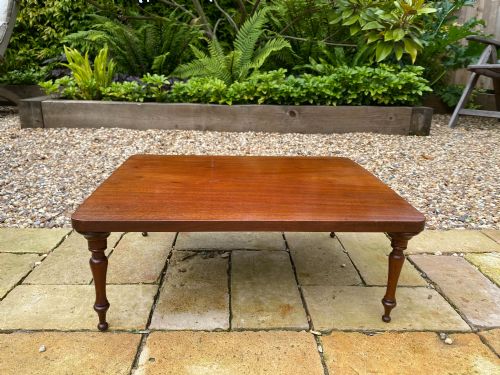
A Victorian low desk brings compact utility and rich timber grain to a study, drawing on the refined cabinet-making of the nineteenth century.
Victorian Low Desk
The selection on this page leans heavily toward writing tables and lowboys in oak, mahogany, and burr walnut. Many examples reflect the utilitarian design of the period, offering drawers beneath a writing surface.
Makers such as Gillows appear frequently in the archive, demonstrating the high standard of regional and London cabinet-making. Buyers also find smaller writing desks designed for intimate studies or bedroom dressing use.
How they were made
Makers utilised solid timbers like oak, mahogany, walnut, and satinwood for the primary structure and drawer linings. Drawer construction relies on hand-cut dovetails, while turned legs or pedestals provide structural support.
Surfaces often feature inset leather writing panels surrounded by thumb-moulded edges. Brass handles, escutcheons, and occasional castors complete the assembly of these nineteenth-century pieces.
Some desks retain faint ink stains inside drawer corners from forgotten nineteenth-century quills.
What varies in quality
The choice of timber grain defines the visual appeal, with burr walnut and figured mahogany setting apart the finer examples. Secondary woods used in drawer construction also indicate the care taken by the workshop.
Documented maker stamps or labels add historical weight to a piece. Original brass hardware and undisturbed patination elevate an item far above standard provincial output.
C. Hindley & Sons·Gillows of Lancaster·Waring & Gillow·Goodall
The Victorian Low Desk Glossary
- Lowboy
- A small kneehole dressing or writing table featuring one or more rows of drawers beneath the top surface. It typically stands on slender legs.
- Pedestal desk
- A heavy writing table comprising two separate drawer pedestals supporting a central top and an inset writing surface.
- Dovetail
- A joint formed by interlocking wedge-shaped fingers, used extensively in period drawer construction for strength.
- Escutcheon
- A protective brass plate surrounding a keyhole on a drawer front or cupboard door.
- Patina
- The deep, lustrous surface sheen developed over decades of handling, polishing, and natural ageing of timber.
Victorian Low Desk: Frequently Asked Questions
How do I choose the right size?
Consider the available floor space in your study and the clearance needed for seating. Low desks often feature compact footprints well-suited to smaller rooms.
Measure the height from the floor to the underside of the writing surface to ensure comfortable legroom.
Were these desks used for writing?
Most of these pieces served as writing tables, study desks, or dressing tables in nineteenth-century homes. Their proportions reflect an era of handwritten correspondence and private ledger work.
Today, they adapt easily to modern laptop use while preserving traditional craftsmanship.
How do I care for the leather top?
Keep leather writing surfaces away from direct sunlight and excessive heat to prevent drying and cracking. Occasional gentle cleaning with a specialist leather balsam maintains suppleness.
Avoid using harsh household detergents or excessive water on antique desk surfaces.
How can I identify a maker's mark?
Look inside the top drawer edges or on the underside of the desk for stamped names or paper labels. Cabinet-makers such as Gillows frequently marked their output on drawer rails.
Fading is common, so use a soft torch beam to inspect darkened timber surfaces closely.