


Victorian Lounge Day Bed
A victorian lounge day bed offers an inviting place to recline during the day, combining the comfort of a sofa with the length of a bed.
Victorian Lounge Day Bed
When you search for a victorian lounge day bed, you encounter a selection of nineteenth-century resting furniture designed for daytime lounging. These pieces bridge the gap between chairs and beds, providing a supportive surface for half-sitting or lying down.
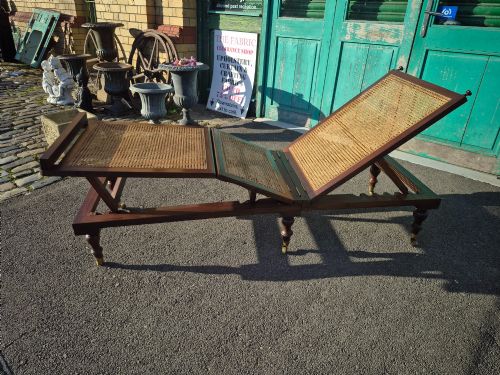
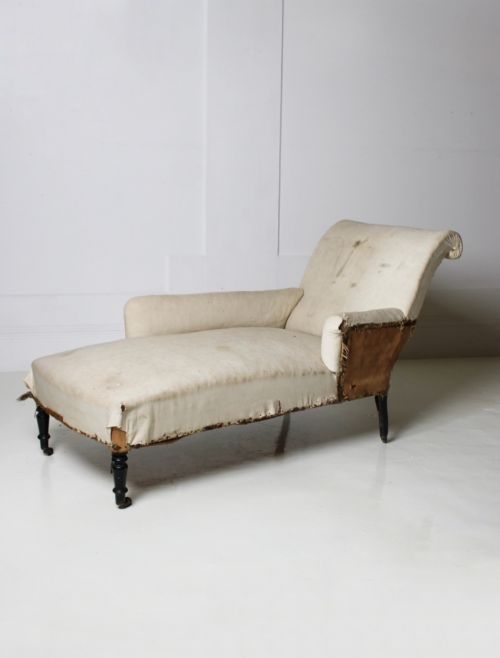
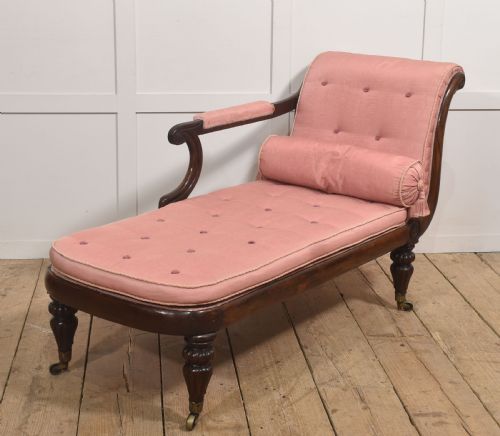
The versions most commonly met on this page span the nineteenth century, including specific Victorian examples alongside Regency, William IV, and campaign styles. Makers often shaped them as chaise longues, ottomans, or daybeds with distinctive headboards and upholstered frames.
Makers constructed these resting places using sturdy woods like mahogany, rosewood, and general timber, frequently supporting them on turned legs with original castors. Some examples feature cane seating, whilst others arrive fully upholstered in fabrics such as velvet and calico.
How they were made
Craftsmen built the structural frames of these day beds using dense timbers including mahogany and solid Rio rosewood. They frequently incorporated turned wooden legs fitted with castors to allow easier movement across the floor of a country house.
Seating construction varied between woven cane panels and deep upholstery layers. Workshops finished the padded surfaces in textiles such as velvet and calico, creating a supportive yet yielding contour suited to daytime reclining.
One workshop even fitted a day bed with castors so swift it practically raced across the country house floorboards.
What varies in quality
The standard of timber selection and cabinetwork marks the distinction between ordinary pieces and superior examples. Dense rosewood and finely figured mahogany denote workshops that invested greater time in material preparation and joinery.
Upholstery finish and structural retention also define the grade of a piece. Original turned elements, intact cane work, and retained castors indicate whether a day bed preserves its integrity through the nineteenth century.
H. Goodall & Sons of Newcastle·Howard and Sons
The Victorian Lounge Day Bed Glossary
- Ottoman
- A piece of furniture with a padded, upholstered seat and no back or arms, often utilised as a day bed or footstool.
- Campaign Style
- Portable furniture made for military officers on the move, characterised by sturdy construction and dismantling elements.
- Castor
- A small wheel mounted on a swivel attached to the legs of furniture. This allows heavy nineteenth-century frames to roll across carpets and floorboards.
- Calico
- A plain-woven textile made from unbleached cotton. Makers frequently applied it as a base layer beneath top upholstery fabrics on day beds.
Victorian Lounge Day Bed: Frequently Asked Questions
Where were day beds used in the house?
These pieces sat in drawing rooms, large country house chambers, and private parlours where occupants rested during the afternoon. They provided a comfortable place for reading or recovering from illness without retiring to a full bedroom.
Their dual nature as seating and lounging furniture made them versatile additions to principal reception rooms.
Are these day beds comfortable for sleeping?
They were designed primarily for daytime reclining and half-sitting postures rather than full overnight sleeping. The presence of a single raised headrest or asymmetric end limits the sleeping position.
However, their generous length and padded upholstery offer a supportive surface for short daytime rests.
How should I care for rosewood furniture?
Keep nineteenth-century rosewood pieces away from direct sunlight and extreme temperature changes to prevent the timber from drying out or splitting. Dust the wood regularly with a dry cloth and avoid harsh chemical polishes.
Protect upholstered sections and cane seating from heavy moisture to preserve the original materials.