
Victorian Leather Case
When you handle a victorian leather case, you hold a sturdy utilitarian vessel designed to protect instruments, bottles, or garments during nineteenth-century travel.
Victorian Leather Case
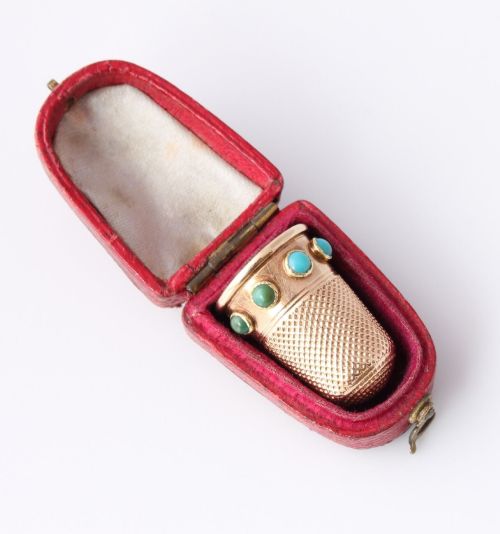
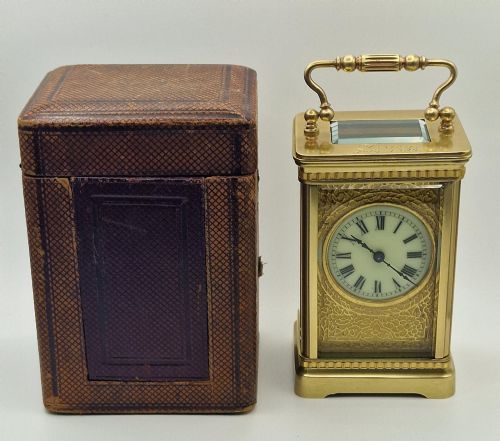
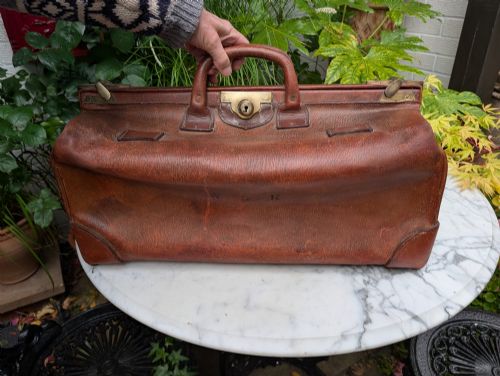
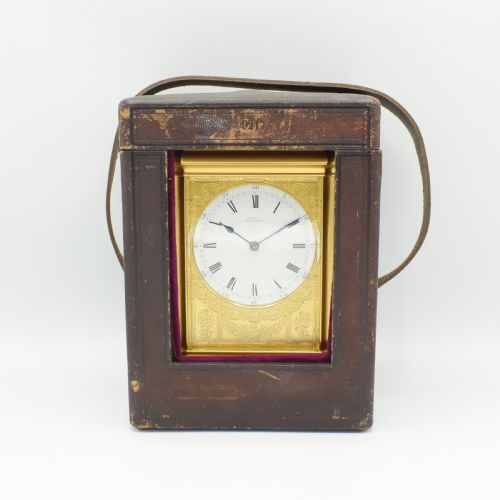
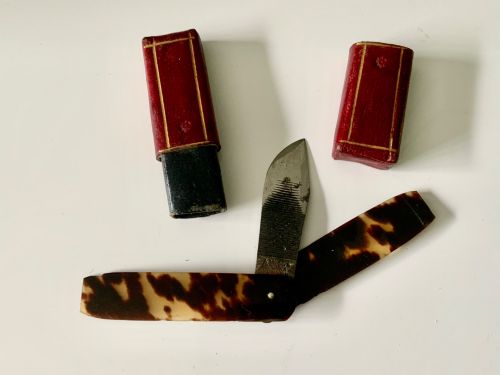
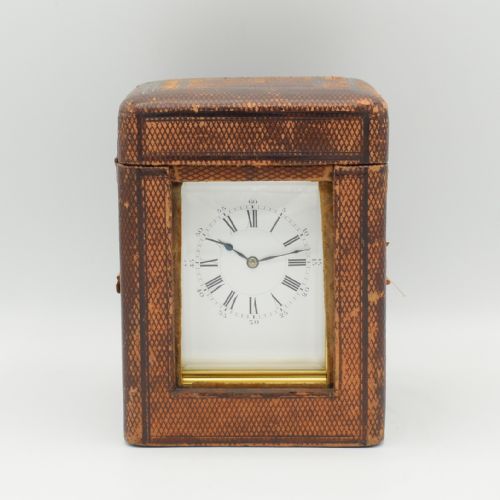
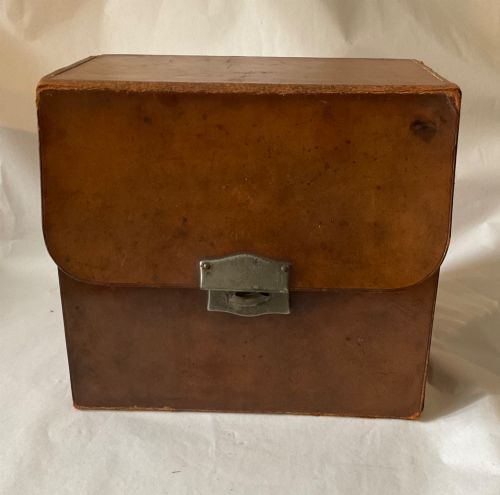
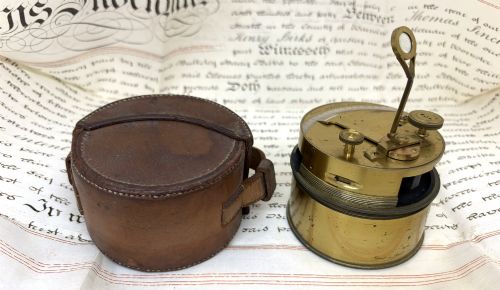
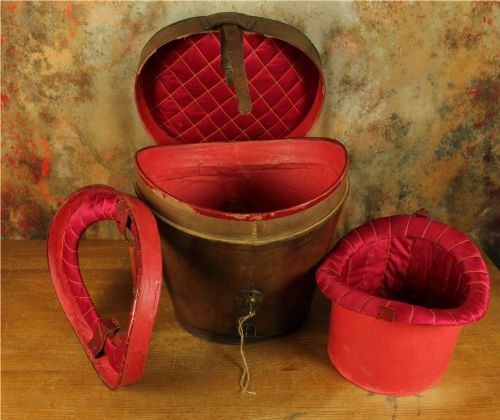
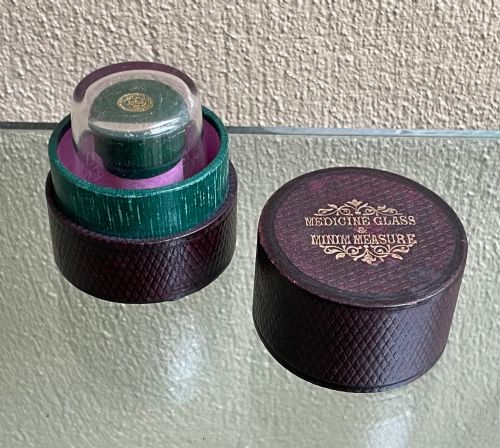
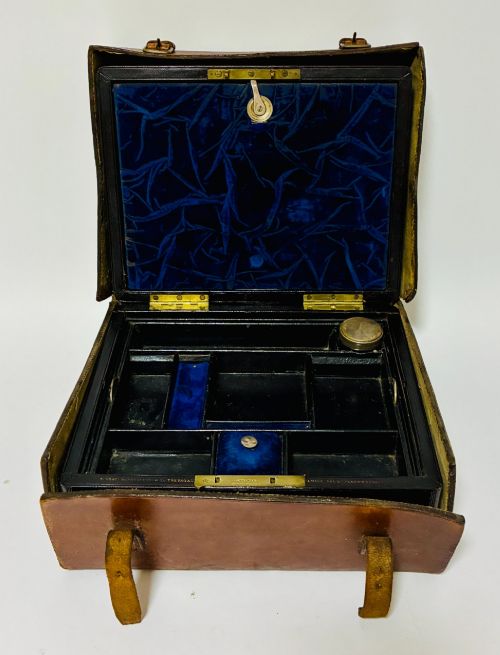
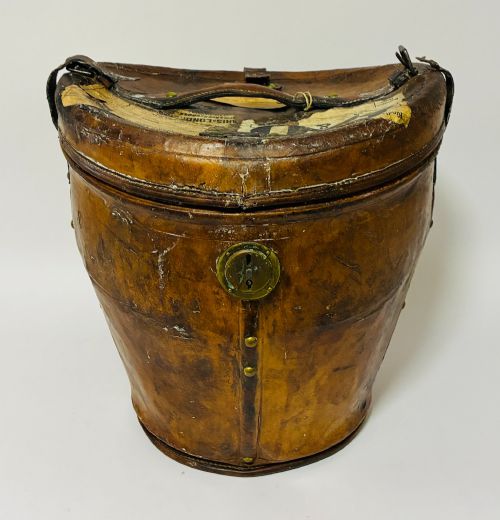
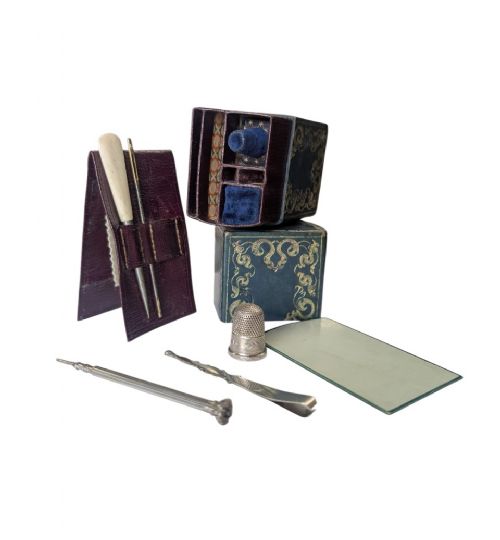
A victorian leather case encompasses a wide variety of functional objects, ranging from heavy top hat carriers and cigar holders to fitted dressing boxes and scientific instrument holders. The most frequent examples found in collections are rigid hat boxes, travel carriage clock containers, and medical or apothecary sets.
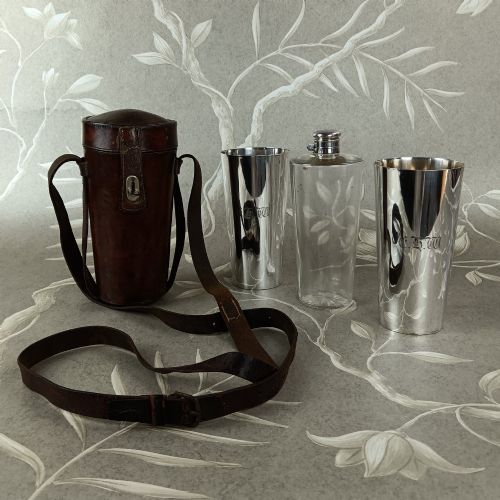
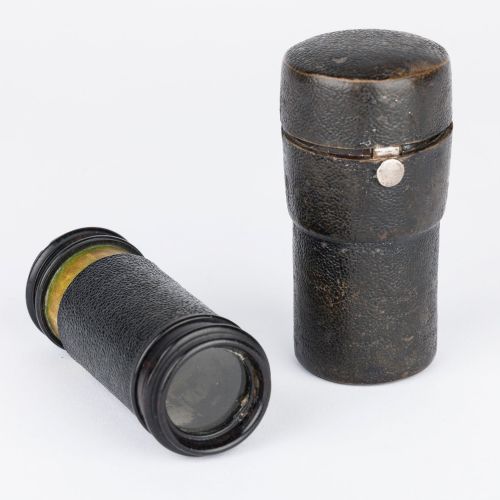
These items emerge from the nineteenth century and the early twentieth century, reflecting the rigorous travel demands of the period. Makers constructed them to house specific personal possessions securely, often featuring custom interior compartments tailored to glass flasks, silver cutlery, or precision optics.
Materials and construction
Craftsmen built these vessels using thick cowhide or crocodile leather over rigid wood or card foundations, frequently reinforced with brass corners, locks, and handles. Interiors often reveal linings of velvet, silk, or roan leather designed to cushion delicate contents such as glass scent bottles and brass scientific instruments.
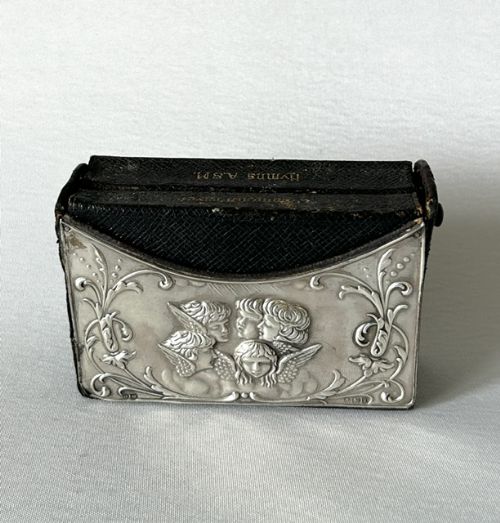
Stitching was executed by hand using waxed thread along stress points, while metal fittings utilised solid brass or silver plate for structural integrity. Tooling and embossing decorated the exterior surfaces of finer writing and card cases, marking them out as luxury items.
Surviving scientific instruments include barometers, clinometers, and field microscopes housed in bespoke hide containers.
Assessing craftsmanship
Quality in a victorian leather case depends upon the integrity of the internal fittings and the retention of original contents, such as complete glass flasks or matching silver tops. Examples housing their original key, maker-signed instruments, or uncompromised velvet linings command greater attention than empty shells.
The thickness and tanning grade of the hide also dictate standard, alongside the precision of the brass hardware and lock mechanisms. Superior pieces exhibit tight stitching, unwarped structural frames, and robust closures that have survived decades of travel.
Henri Jacot·James Dixon And Sons·F West·Lincoln Bennett·JW Allen·Drew And Sons·Ludwig Krumm·Alfred Apps·Walter And George Myers·Charles Horner·S Maw Son And Thompson·Reeves And Smith·Ross Of London
The Victorian Leather Case Glossary
- Campaign case
- A portable container designed for military officers or travellers on colonial expeditions. These items usually feature recessed brass handles and rugged construction to withstand harsh transit.
- Apothecary case
- A fitted box containing small glass medicine bottles, scales, or lancets for medical use. They often include secure latch mechanisms and velvet-lined slots to prevent glass breakage.
- Tooled leather
- Leather decorated by pressing heated metal tools into the surface to create geometric or floral patterns. This technique frequently appears on Victorian writing boxes and stationery holders.
- Carriage clock case
- A heavy outer container, usually leather-bound with a glass viewing window or carrying handle, made to protect a brass clock during transit.
Victorian Leather Case: Frequently Asked Questions
What were these cases originally used for?
These vessels transported personal gear, scientific tools, spirits, and hats during nineteenth-century journeys. Owners relied on them to keep delicate items safe from the bumps of carriage and train travel.
Many were custom-built for specific occupations, carrying medical supplies, surveying instruments, or hunting flasks for field use.
How do I care for antique leather?
Keep these items away from direct sunlight and damp environments to prevent the hide from drying out or growing mould. Gentle dusting and occasional specialised leather conservation balm help maintain the flexibility of the material.
Avoid modern synthetic cleaners, which can strip the original nineteenth-century finish and damage fragile stitched seams.
Are original interiors important?
Original velvet linings, glass bottles, and fitted instruments significantly enhance the historical context of a piece. Finding a container with its complete contents intact is increasingly uncommon.
Empty vessels remain useful for modern storage, but those retaining their original accessories represent higher collector interest.
How can I date a leather case?
Dating relies on identifying maker marks, patent stamps, lock signatures, and the overall style of the brass hardware. Registration lozenges or hallmarks on accompanying silver components provide precise decade markers.
Construction methods also help, as mid-Victorian pieces often display heavier framing and simpler brasswork than later Edwardian examples.