



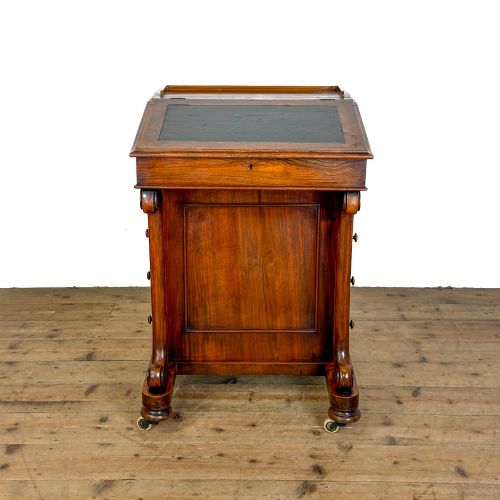

Victorian Leather Cabinet
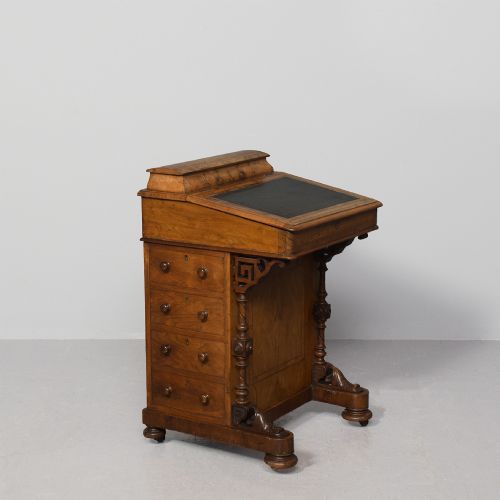
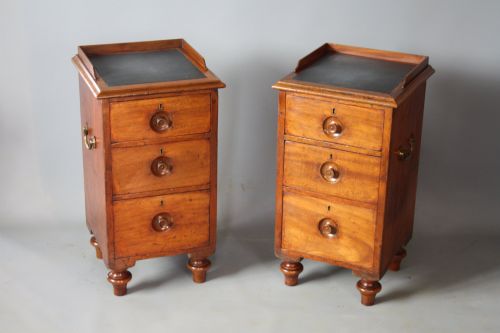
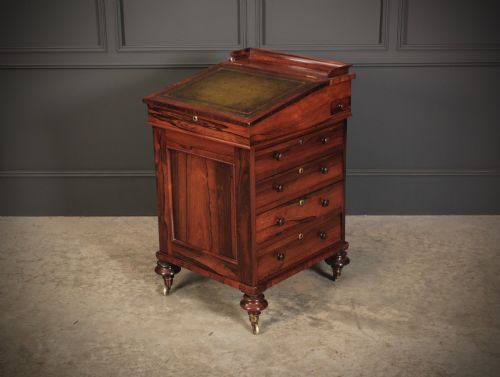
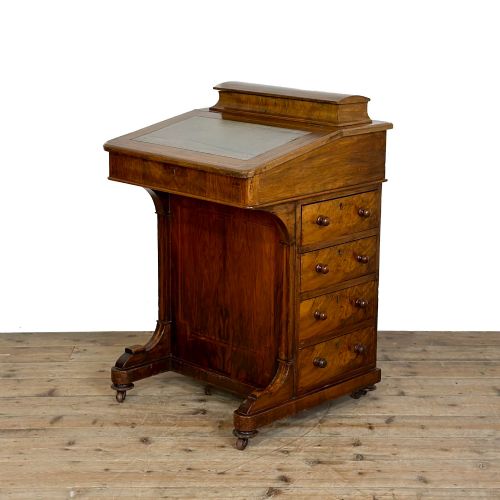
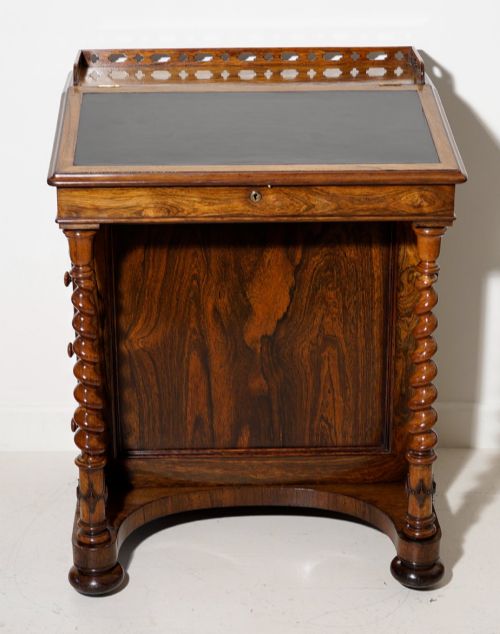
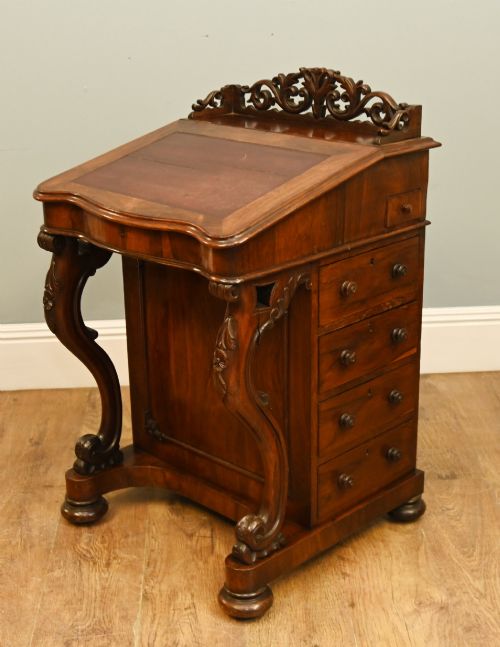
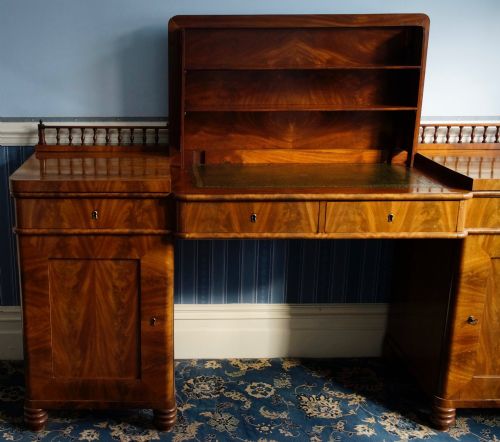
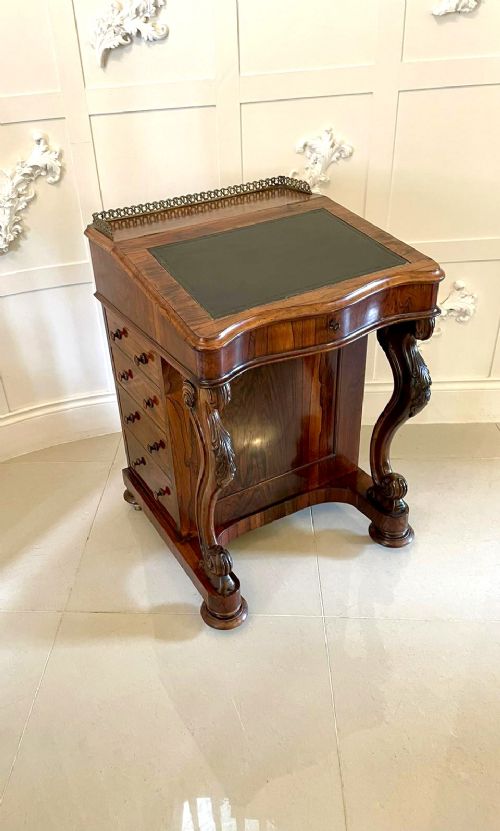
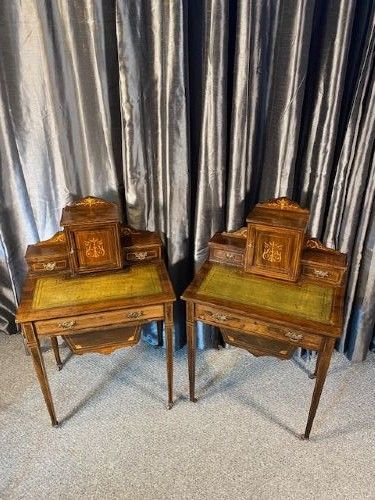
These pieces known as a victorian leather cabinet comprise compact writing furniture and stationery storage surfaced in hide, offering enduring utility for the home study.
Victorian Leather Cabinet
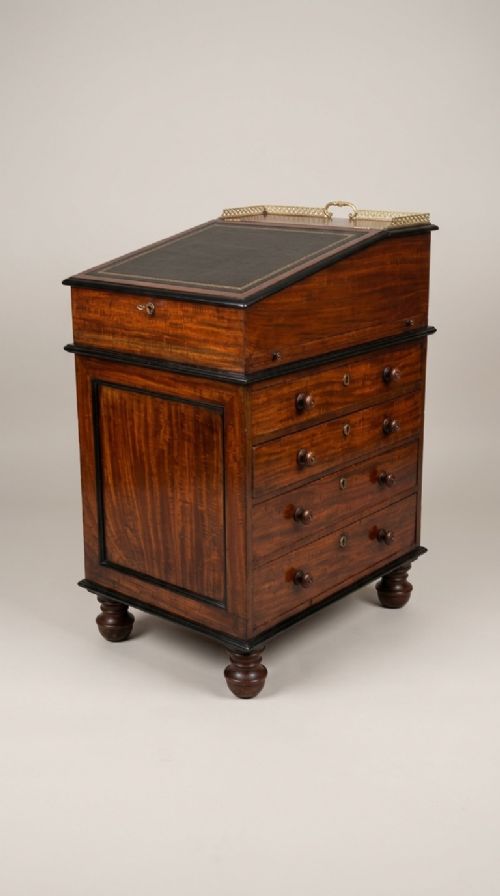
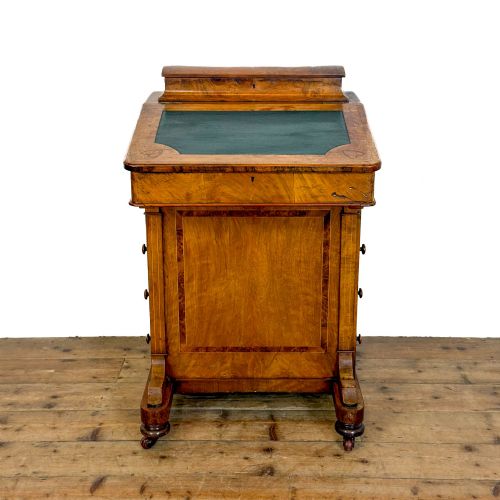
Buyers seeking a victorian leather cabinet typically encounter compact writing desks such as Davenports, along with specialised stationery boxes and campaign writing tables. These items date primarily from the nineteenth century, spanning periods from the early Victorian era through to the late eighteen-hundreds.
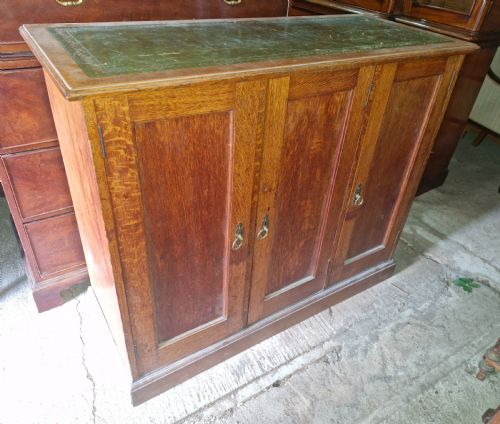
The dominant forms on this page include slope-front desks fitted with interior drawers and pull-out writing surfaces inset with panels of hide. Alongside these writing slopes, collectors find occasional freestanding cabinets and campaign pieces designed for travel or domestic organisation.
Materials and construction methods
Cabinetmakers utilised dense timbers such as mahogany, walnut, burr walnut, rosewood and pollard oak as the structural carcase for these items. These woods were chosen for stability and finished to highlight natural grain patterns, occasionally accented with brass hardware and mounts.
Writing surfaces incorporated vegetable-tanned leather, frequently tooled with gold leaf borders around the perimeter. Interior partitions and small drawers relied on traditional dovetail joinery executed in secondary softwoods.
Victorian Leather Cabinet Retail Price Guide 2026
Typical asking prices for victorian leather cabinet among the pieces listed under this phrase on Sellingantiques today, from the lower quarter to the upper quarter. They describe what is for sale here now, not the wider market.
Some nineteenth-century writing cabinets conceal secret spring-loaded drawers activated only by pressing hidden wooden catches inside the stationery well.
Distinctions in craftsmanship
Quality rests in the selection of timber veneers, particularly figured burr walnut or pollard oak matched symmetrically across the slope and drawer fronts. Superior examples exhibit crisply carved details, such as foliate scrolls or carved motifs, rather than purely utilitarian planes.
The sophistication of internal mechanisms dictates the upper tier of pieces, including secret compartments, sliding pen trays, and well-fitted stationary interiors operated by concealed springs or locking devices.
Gillows of Lancaster
The Victorian Leather Cabinet Glossary
- Davenport
- A small pedestal desk featuring a sloping writing top and a set of drawers opening to one side. This form gained popularity during the nineteenth century for use in parlours and boudoirs.
- Campaign
- Furniture constructed in sections with recessed brass carrying handles and corner brackets designed for military transport. Pieces built in this manner prioritized sturdy dismantling and portability.
- Secretaire
- A cabinet or desk incorporating a pull-out writing drawer or drop-front flap that conceals small pigeonholes and letter drawers. This layout allowed users to store correspondence securely out of sight.
- Stationery box
- A tabletop desk accessory designed to hold envelopes, paper, and writing implements upright within divided compartments. These boxes often feature sloping lids that match the aesthetic of larger writing furniture.
Victorian Leather Cabinet: Frequently Asked Questions
What is a Davenport desk?
A Davenport is a compact nineteenth-century writing desk that combines a sloping, leather-inset top with a set of pedestal drawers opening on the side.
Interior compartments typically store stationery, while the fixed slope provides an ergonomic surface for letter writing in smaller domestic spaces.
How were campaign cabinets used?
Campaign cabinets were built for officers and travellers on the move, featuring robust timbers, recessed brass handles, and protective corners to withstand transit.
Their modular design allowed personal belongings and writing materials to remain secure during long journeys across the British Empire.
What timber was most popular?
Mahogany and walnut served as the primary structural woods throughout the Victorian era, supplemented by exotic veneers like amboyna and rosewood on high-status examples.
Burr walnut was particularly favoured for its swirling grain patterns on writing slopes and cabinet facades.
How do I care for leather?
Leather writing surfaces require gentle dusting and occasional treatment with specialist conservation waxes to prevent the material from drying and cracking over time.
Avoiding direct sunlight and excessive moisture preserves both the supple hide and the surrounding gilt tooling.