



Victorian Lacquer Table
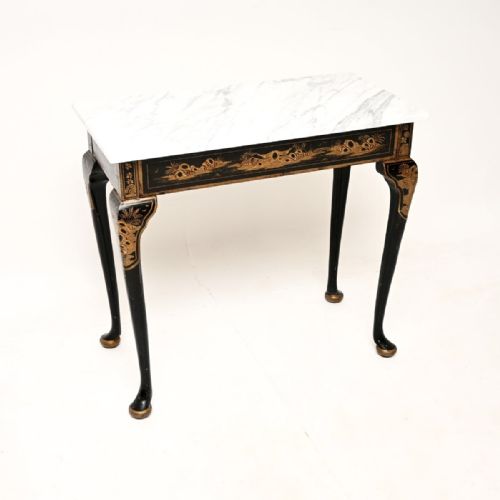
A victorian lacquer table brings glossy depth and intricate oriental scenes into a room, serving as a striking focal point for a corner or sitting area.
Victorian Lacquer Table
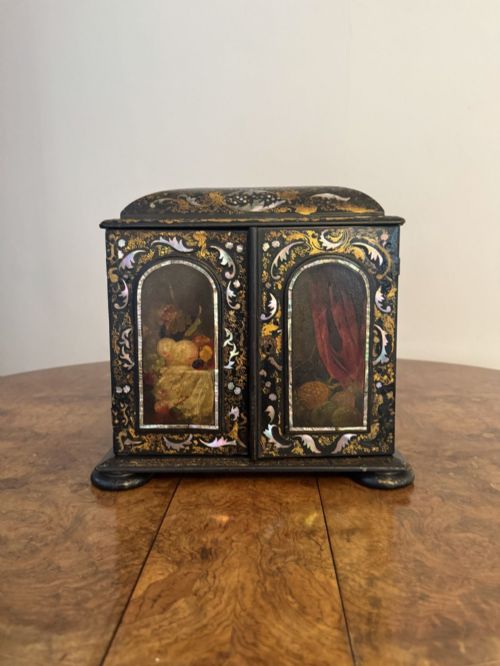
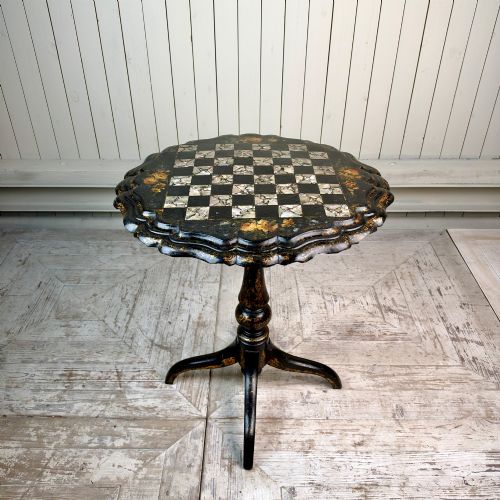
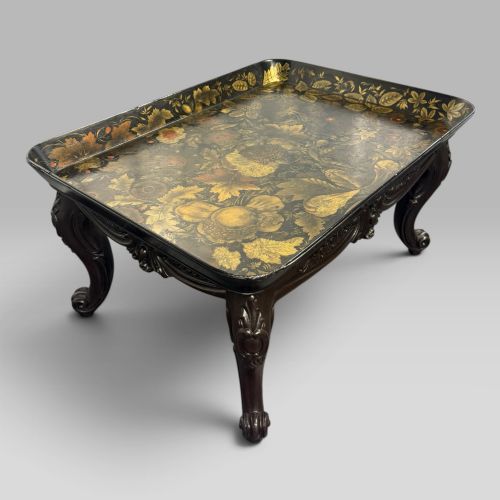
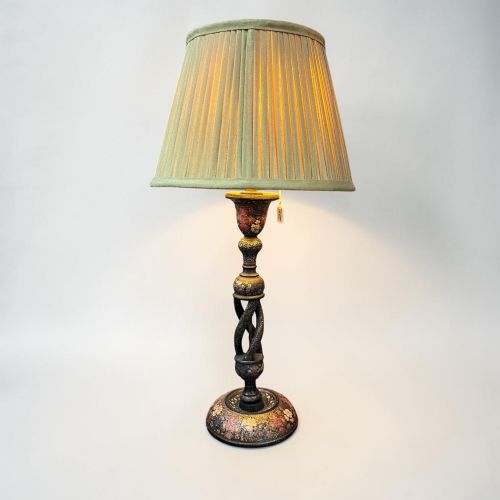
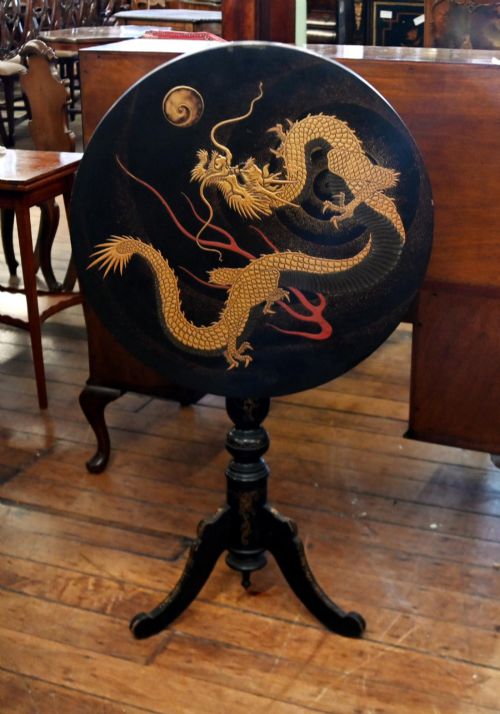
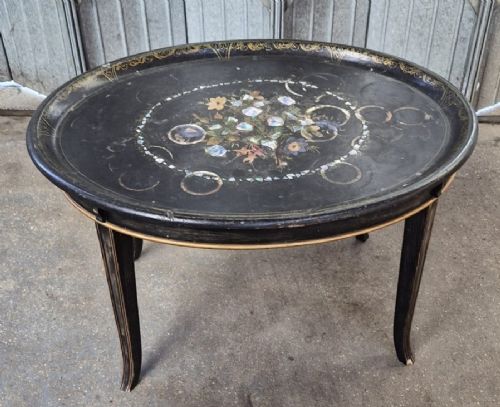
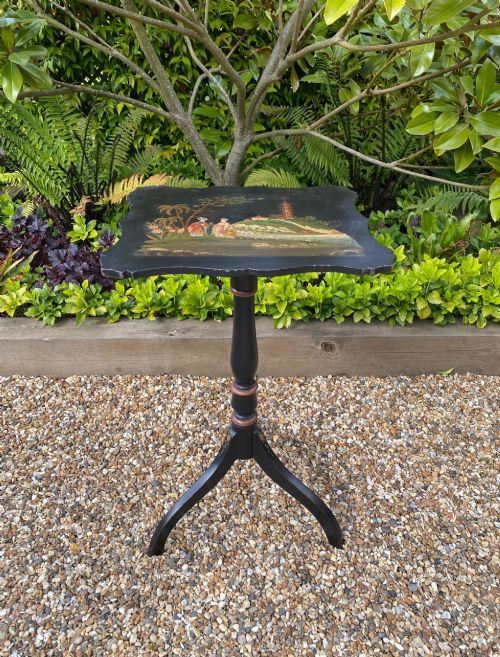
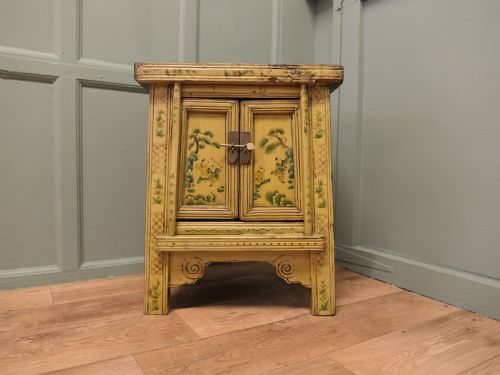
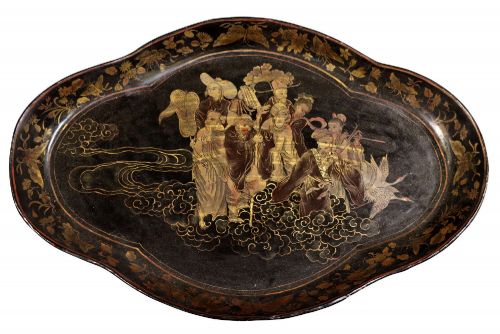
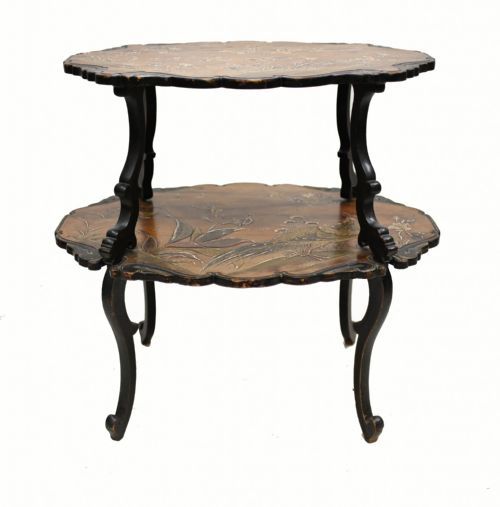
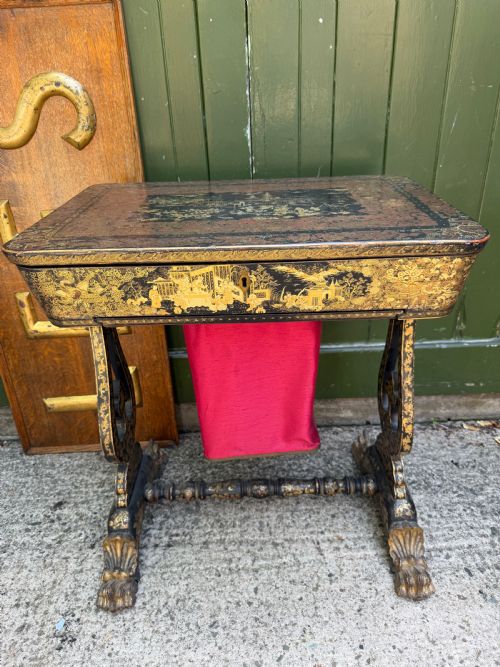
A victorian lacquer table appears in various practical forms on this page, including side tables, occasional pieces, tilt-top designs, and trays mounted on stands. These items draw heavily on nineteenth-century design vocabulary, spanning the Victorian and Edwardian periods.
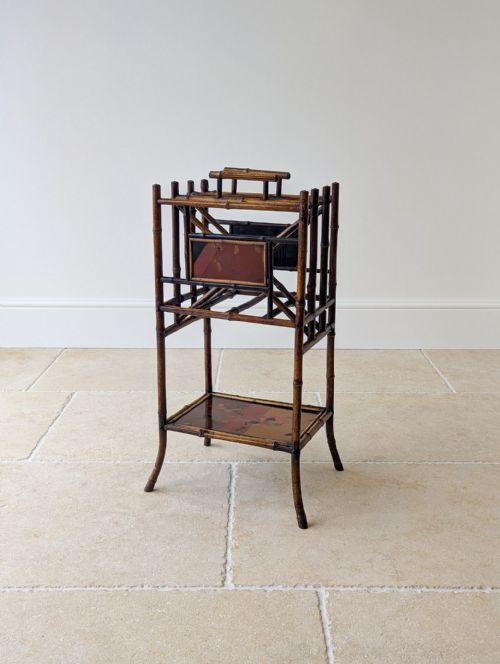
Makers frequently utilised materials such as papier-mâché, bamboo, and wood as foundations for glossy painted and gilded finishes. The resulting furniture ranges from compact wine tables to multi-tiered étagères and sewing cabinets.
The aesthetic of these pieces leans strongly into Chinoiserie and the Aesthetic Movement, reflecting a period fascination with Eastern ornamentation. Buyers encounter everything from dark ebonised surfaces to cream and red decorative treatments.
Materials and Technique
Papier-mâché serves as a primary substrate for many tables, formed from layered paper pulp and binders that dried into a rigid, smooth base suitable for heavy lacquer and polish. Artisans built up dark finishes through repeated applications of japanning, creating a deep, reflective surface.
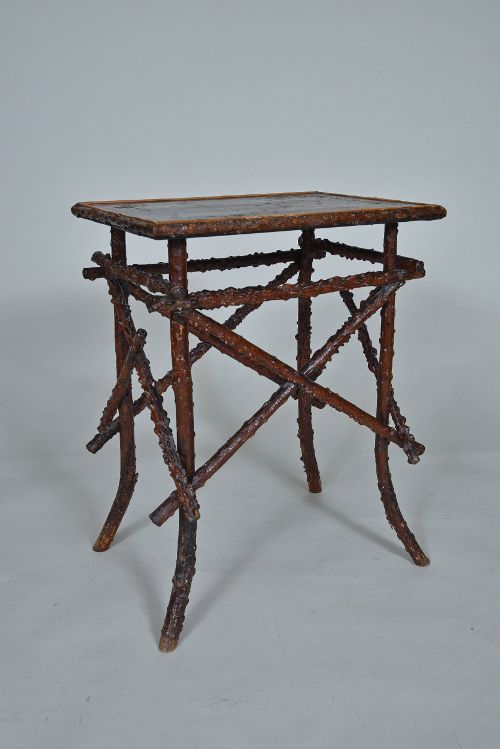
Bamboo and wood provide structural support for lighter occasional and two-tier tables, often paired with lacquered panels or hand-painted botanical and figurative motifs. Gold leaf and fine paint work are applied directly to these surfaces to render intricate Chinese scenes and floral patterns.
Victorian Lacquer Table Retail Price Guide 2026
Typical asking prices for victorian lacquer table among the pieces listed under this phrase on Sellingantiques today, from the lower quarter to the upper quarter. They describe what is for sale here now, not the wider market.
Listings feature nineteenth-century furniture incorporating papier-mâché, bamboo, and wood finished with gold leaf, paint, and lacquer.
Assessing Quality
The distinction between standard examples and the finest work lies in the execution of the surface decoration and the crispness of the gilded details. Superior pieces display meticulous brushwork and depth within the lacquer, whereas lesser items show flat or uniform patterns with minimal layering.
Structural integrity also separates the range, particularly in pieces combining bamboo or papier-mâché with secondary stands. Solid construction and well-preserved joints ensure that delicate surfaces survive decades of daily use.
Jennens & Bettridge
The Victorian Lacquer Table Glossary
- Chinoiserie
- European decorative style reflecting Chinese artistic influences, typically featuring figures, landscapes, and pavilions rendered in gold or colour upon a dark lacquer background.
- Papier-mâché
- Composite material made from paper pulp mixed with glue or resin, pressed into moulds and baked to form a durable base for lacquer.
- Japanning
- European technique imitating Asian lacquerware, involving layers of varnish and heat drying to produce a glossy black or coloured finish.
- Étagère
- Open tiered furniture designed for displaying small objects, frequently constructed from bamboo or ebonised wood during the nineteenth century.
Victorian Lacquer Table: Frequently Asked Questions
What is a victorian lacquer table used for?
These tables function primarily as occasional furniture for holding drinks, books, or small decorative objects in a drawing room. Many designs incorporate trays or tilt-top mechanisms that offer versatility in smaller spaces.
Their decorative surfaces also allow them to act as standalone focal points within an interior scheme. Collectors often place them beside seating areas where their reflective finishes catch natural light.
How do I care for a papier-mâché table?
Protect the delicate lacquer and painted surfaces by keeping the table away from direct sunlight and excessive heat sources. Dust gently with a dry, soft cloth and avoid chemical cleaning agents that might damage the finish.
Using coasters or protective mats helps prevent moisture rings on antique table tops. Regular, gentle maintenance preserves the integrity of the original gold leaf and painted details.
Are these tables sturdy enough for daily use?
While many pieces were built for light domestic tasks such as serving tea or holding sewing supplies, their structural strength varies. Papier-mâché and bamboo examples require careful handling to avoid impact damage to the corners and legs.
Heavier wood frames with solid joinery generally offer greater stability for everyday placement. Checking the stability of the stand ensures safe usage in a modern home.
How do I identify an Aesthetic Movement piece?
Aesthetic Movement items frequently utilise bamboo frames, ebonised wood, and restrained decorative motifs inspired by Japanese art. These designs emerged in the late nineteenth century as a reaction against heavily ornamented Victorian mass production.
Look for clean structural lines paired with contrasting lacquered panels and subtle gilding. This style emphasises artistic harmony over strict historical revivalism.