





Victorian Kitchen Treen
Victorian kitchen treen comprises honest turned and carved wooden utensils and containers shaped by daily use in nineteenth-century domestic spaces.
Victorian Kitchen Treen
Victorian kitchen treen encompasses the utilitarian wooden implements and vessels that served the nineteenth-century kitchen, pantry and dairy. Buyers seeking these items encounter a tangible record of domestic life shaped by practical necessity rather than display.
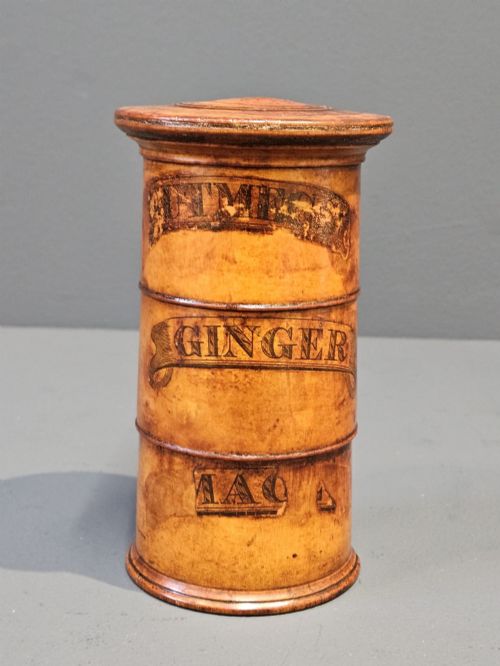
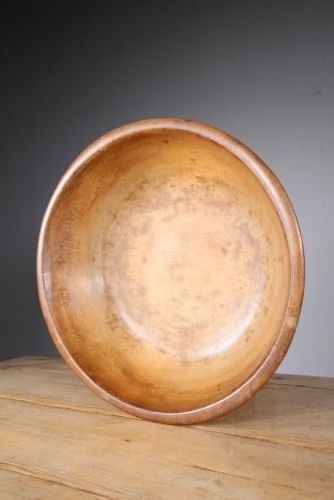
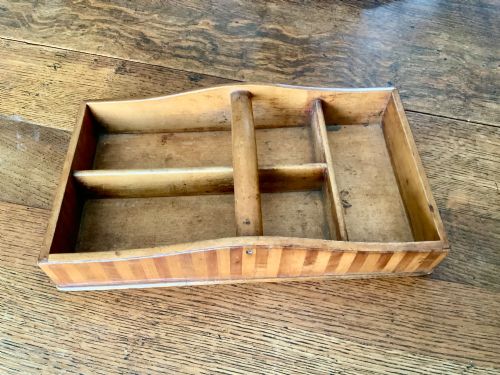
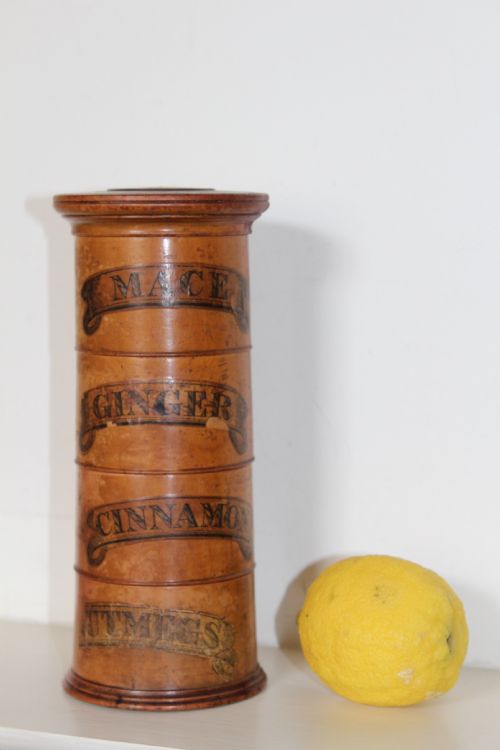
The pieces on this page span the nineteenth century and the Edwardian era, taking forms such as dairy bowls, spice towers, cutlery trays and saltboxes. Sycamore, fruitwood and beech dominate the objects available here, reflecting the traditional woods chosen by turners for their density and hygiene.
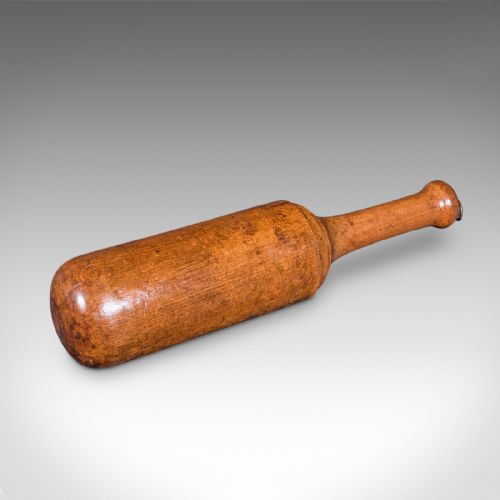
Domestic utilitarian objects appear alongside specialised items like lemon squeezers, nutmeg graters and steak tenderisers. This range shows how specific culinary tasks demanded dedicated wooden solutions before the advent of mass-produced metalware.
Materials and construction
Makers relied primarily on native hardwoods such as sycamore, fruitwood, beech and boxwood, selected for their fine grain and resistance to splitting. These timbers were turned on a lathe or carved by hand to create durable domestic equipment.
Treen construction prioritised structural integrity, utilising tight-fitting joints, turned sections and pegged assemblies. Surfaces were left bare or simply smoothed, allowing repeated scrubbing and use to impart a natural patina over decades.
Victorian Kitchen Treen Retail Price Guide 2026
Typical asking prices for victorian kitchen treen among the pieces listed under this phrase on Sellingantiques today, from the lower quarter to the upper quarter. They describe what is for sale here now, not the wider market.
Listings feature items fashioned from sycamore, fruitwood, beech and yew, originating across the nineteenth century and the Edwardian period.
Judgements of quality
Quality rests upon the crispness of the turning and the harmony of proportion, where utility did not preclude aesthetic consideration. A well-balanced bowl or a finely stacked spice tower demonstrates the turner's command over the green or seasoned wood.
Surface wear dictates the character of these pieces, distinguishing genuine domestic service from decorative imitation. Softening of edges through generations of washing reveals the authentic history of each object.
The Victorian Kitchen Treen Glossary
- Treen
- Small handmade wooden domestic objects. The term derives from the old English word for tree.
- Sycamore
- A pale hardwood traditionally favoured for dairy vessels. Its clean grain resists absorbing fats and odours.
- Spice tower
- A multi-tiered turned container used for storing culinary spices. Compartments typically stack securely upon a central spindle or threaded post.
- Dairy bowl
- A large vessel used for setting milk and skimming cream. These items required smooth, jointless timber to prevent souring.
- Saltbox
- A wall-mounted container designed to keep salt dry in domestic kitchens. Sliding lids or hinged doors protected the contents from damp air.
Victorian Kitchen Treen: Frequently Asked Questions
What is Victorian kitchen treen?
Victorian kitchen treen refers to functional wooden objects made for food preparation and storage during the nineteenth century. These items include bowls, spice towers, trays and utensils.
They were essential tools in domestic kitchens before modern manufacturing introduced widespread metal and ceramic alternatives.
How were treen dairy bowls used?
Dairy bowls served to hold fresh milk so the cream could rise to the surface for skimming. Their smooth wooden interiors made them practical for daily dairy work.
Sycamore was preferred for these vessels because it remained stable when exposed to moisture and frequent washing.
How do I care for wooden treen?
Wooden kitchen treen requires minimal maintenance, avoiding soaking in water or exposure to direct heat sources. Periodic application of food-safe mineral oil helps preserve the dry timber.
Gentle cleaning with a damp cloth maintains the historic surface without stripping the natural patina accumulated over generations.
Are spice towers difficult to date?
Dating spice towers relies on examining the turning style, timber species and assembly methods used in the compartments. Differences in thread cutting and wood ageing help distinguish mid-nineteenth-century examples from later ones.
Comparing the turned profiles with dated contemporary household items provides further guidance on their period of manufacture.