


Victorian Kitchen Table Drawer
A victorian kitchen table drawer offers practical storage built into honest working furniture made for domestic service.
Victorian Kitchen Table Drawer
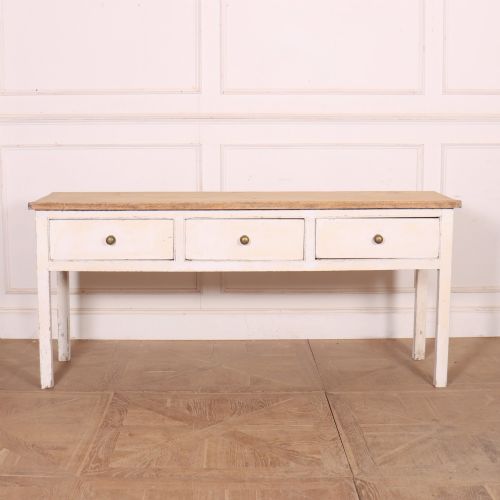
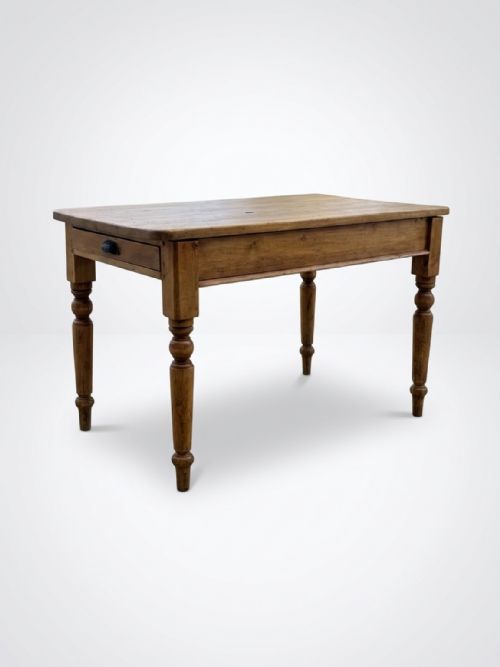
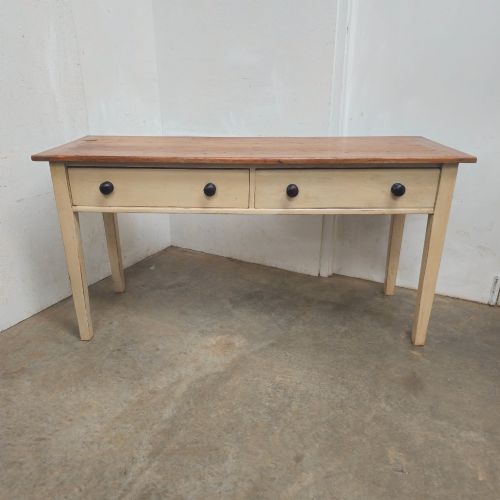
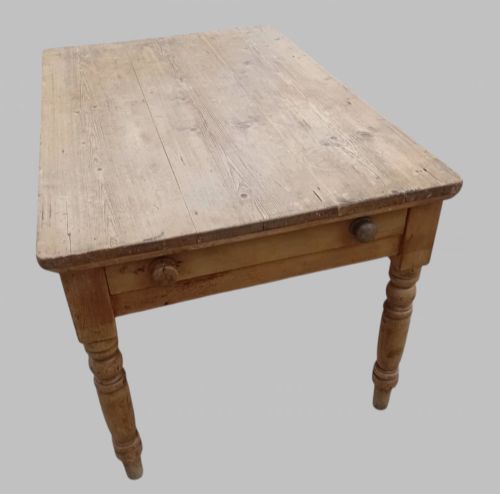
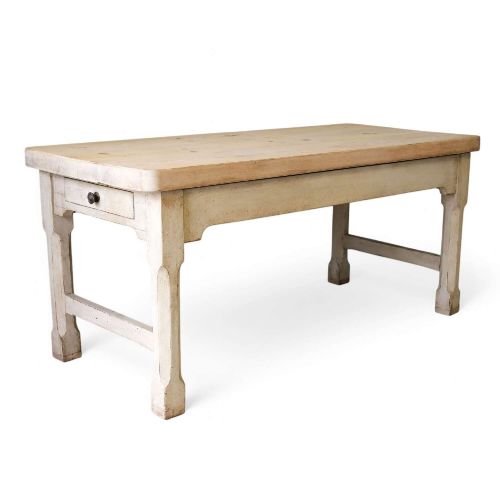
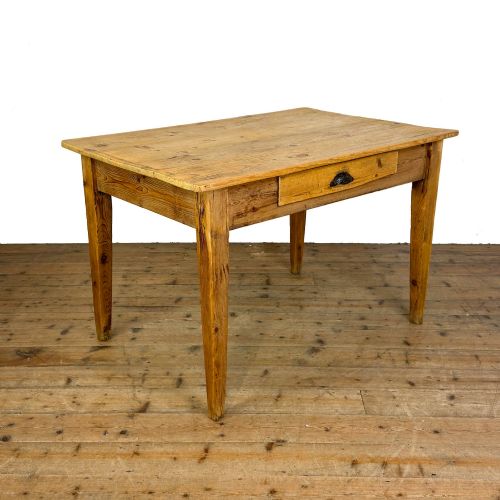
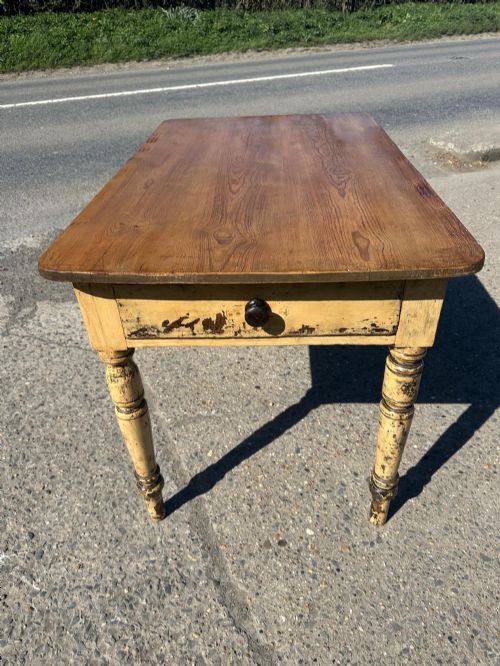
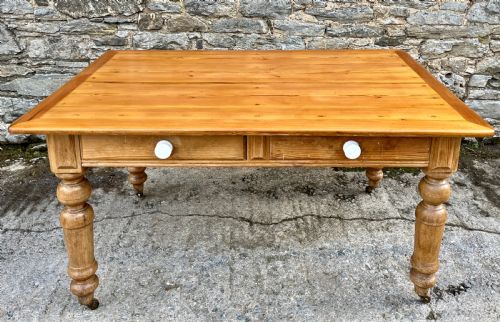
When searching for a victorian kitchen table drawer, a buyer encounters hardworking domestic furniture designed for food preparation and storage in 19th-century households. These tables combine a sturdy dining or working surface with one or more integrated frieze drawers intended for cutlery, linens, or utensils.
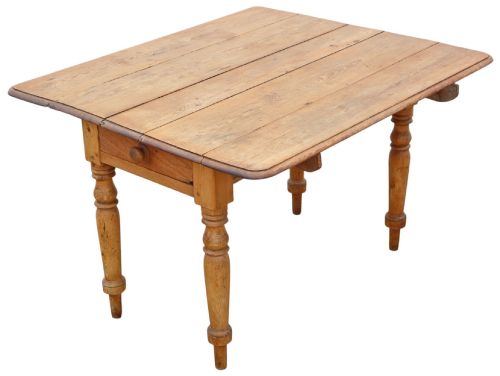
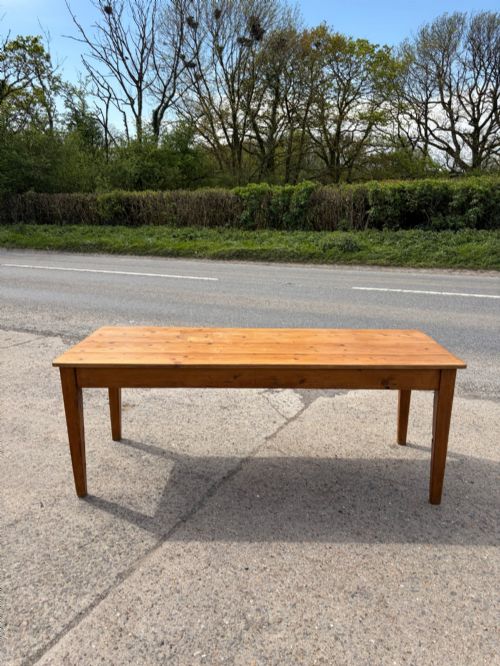
The versions most commonly met on this page are constructed from pine, often featuring scrubbed timber tops paired with painted or waxed bases. They appear in forms ranging from compact side tables to large farmhouse and scullery tables dating from the mid to late 19th century.
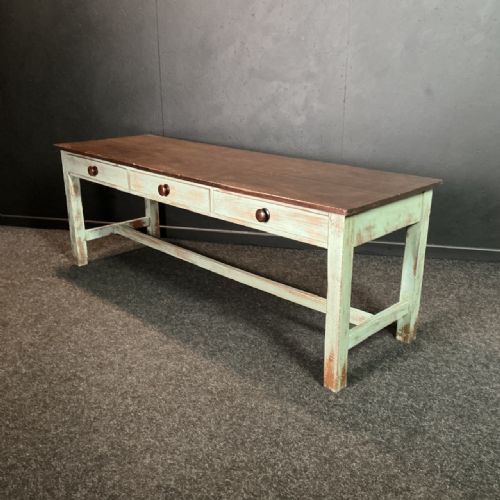
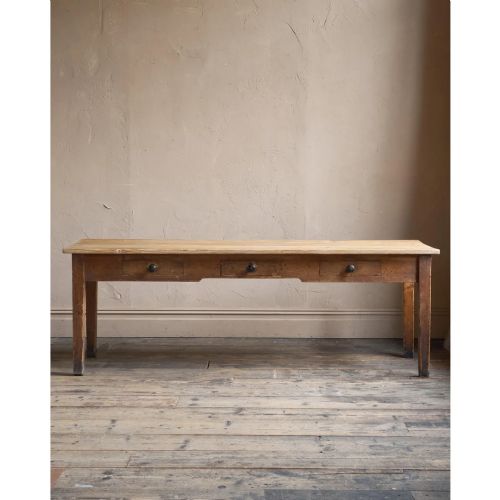
Beyond standard kitchen tables, the selection includes related prep tables, dairy tables, and dresser bases equipped with drawers. These items reflect the utilitarian origins of country houses, shops, and sculleries, offering functional workspace alongside concealed storage.
How they were made
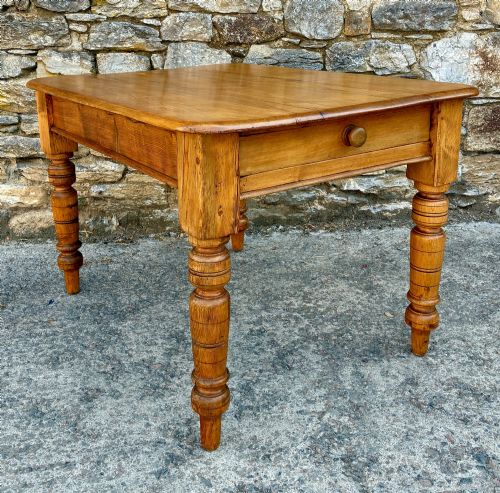
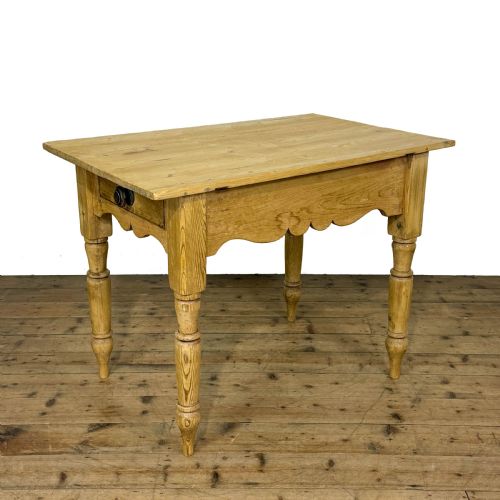
Construction relies heavily on solid pine, pitch pine, and occasionally firmer hardwoods like elm, beech, or fruitwood for tabletops and framing. Planking forms the primary surface, supported by turned or straight wooden legs secured to an apron that houses the drawer compartments.
Metal components appear primarily as brass or iron pulls, knobs, and hinges used on drawers and drop-leaf mechanisms. Paint finishes, whether original or later applications, frequently protect and decorate the pine bases of dairy and farmhouse tables.
Bread slides tucked beneath tabletops offer a hidden wooden shelf once slid out to catch crumbs during slicing.
What varies in quality
Quality in these tables depends on the integrity of the timber and the retention of original surfaces, such as scrubbed tops and early paintwork. Tables constructed from dense pitch pine or featuring fine dovetail joints in the drawers display superior craftsmanship compared to simpler utility pieces.
Proportions and scale also distinguish the range, with well-balanced folding drop-leaf designs and large scullery tables commanding attention for their utility and presence. The execution of turned legs and the original placement of single or twin drawers indicate the care taken by the maker.
The Victorian Kitchen Table Drawer Glossary
- Frieze
- The horizontal band situated directly beneath the tabletop that houses the integrated drawer or drawers.
- Pitch pine
- A resinous, durable variety of pine frequently used in 19th-century farmhouse furniture for its strength and distinct grain.
- Scrub top
- A bare wooden tabletop repeatedly washed with water and scrubbing brushes, leaving a pale, smooth finish characteristic of working kitchen tables.
- Drop-leaf
- A hinged tabletop section that folds down to save space when the table is not in use.
- Dresser base
- A lower cabinet or table unit featuring drawers and sometimes cupboards, historically used for food preparation and storage.
Victorian Kitchen Table Drawer: Frequently Asked Questions
How were these drawers used originally?
These drawers served domestic spaces for holding cutlery, cloths, and small preparation tools close to the workspace.
They kept everyday implements accessible during food preparation without cluttering the main wooden tabletop.
What woods were commonly used?
Pine and pitch pine dominate the construction of these tables, providing a sturdy and reliable surface for daily chores.
Occasionally, harder timbers like beech, elm, or fruitwood appear in the frames and tabletops for added durability.
Can these tables fit modern kitchens?
Their compact or farmhouse proportions make them adaptable as kitchen islands, desks, or dining surfaces in contemporary homes.
The built-in drawer adds practical storage for modern utensils while retaining historic character.