

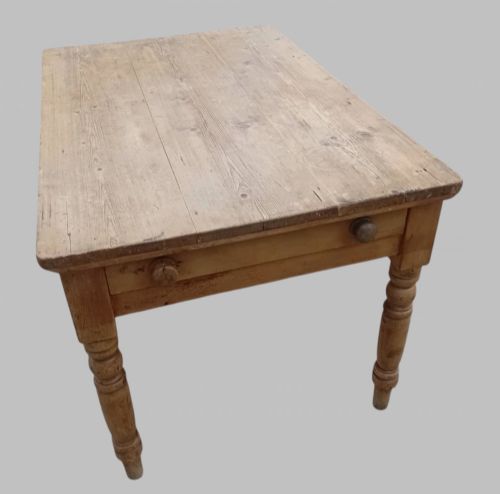
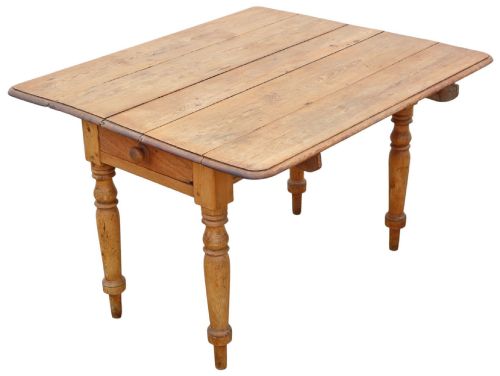
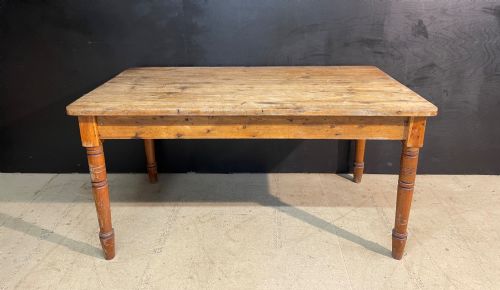
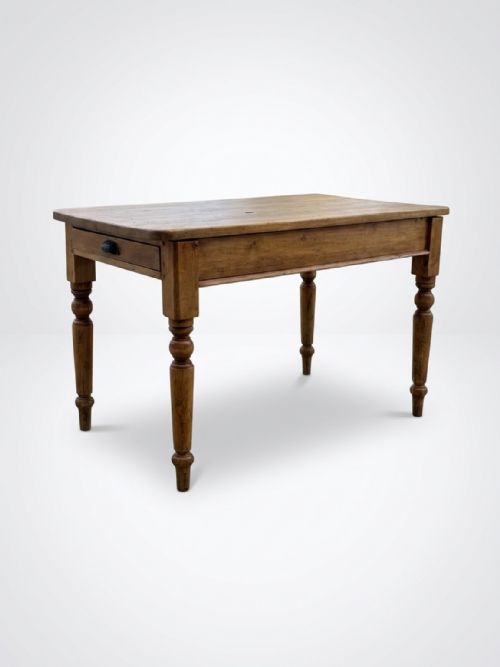
Victorian Kitchen Prep Table
A victorian kitchen prep table is a heavy utilitarian workhorse built for domestic food preparation, bringing honest proportion and seasoned wood into a modern room.
Victorian Kitchen Prep Table
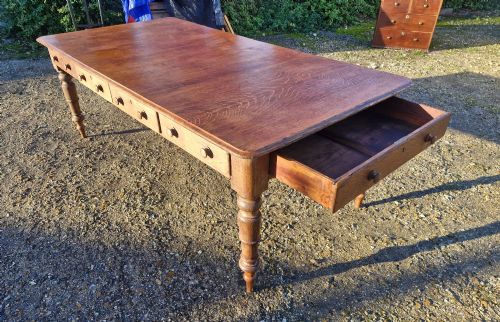
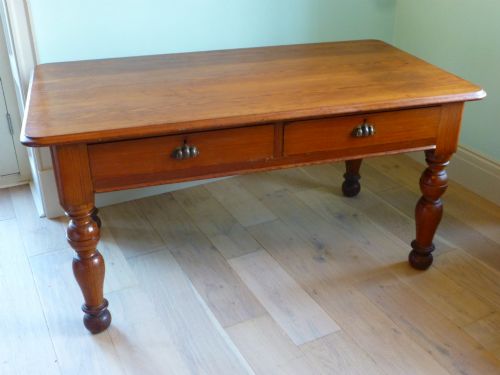
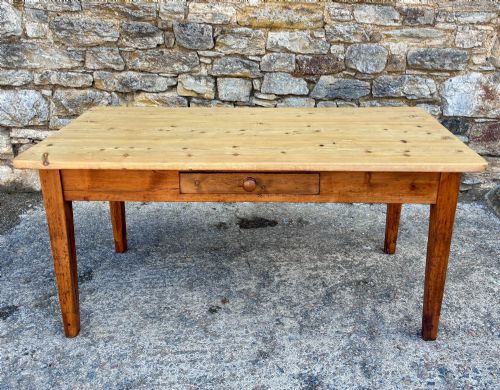
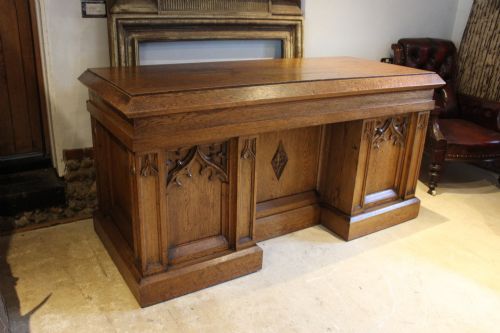
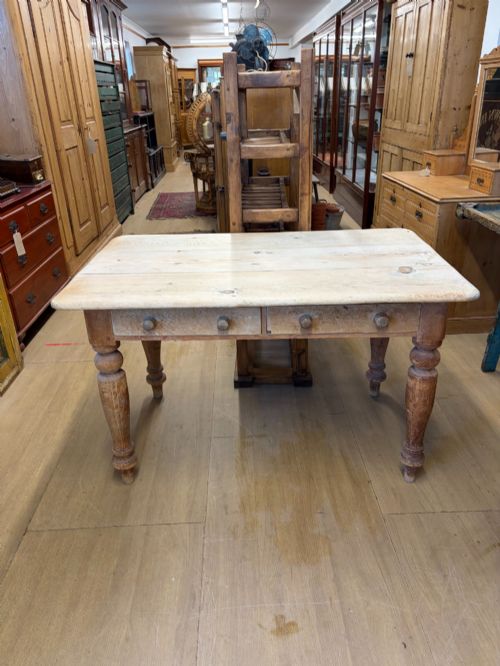
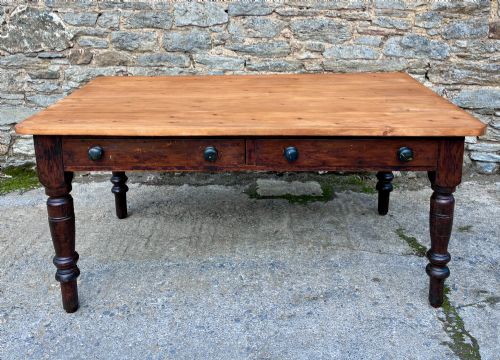
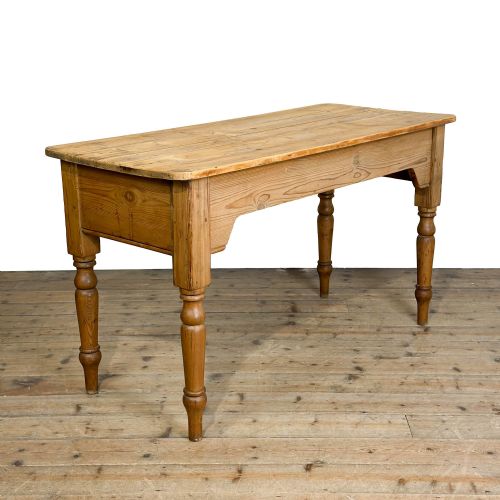
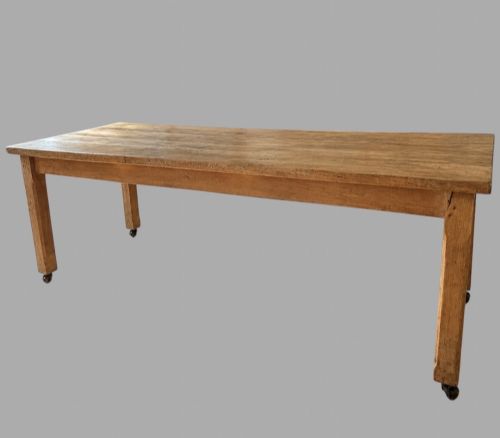
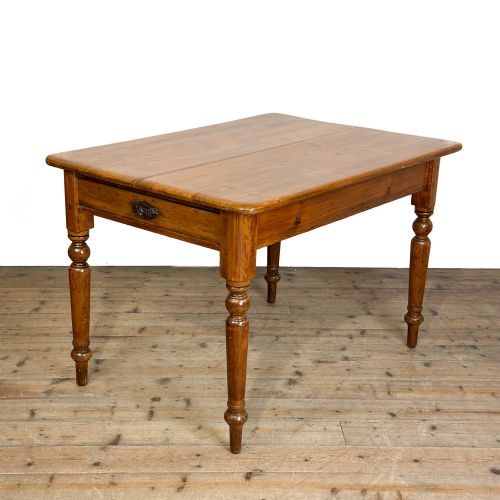
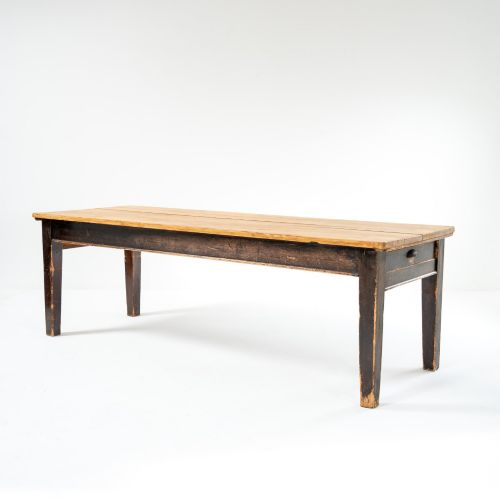
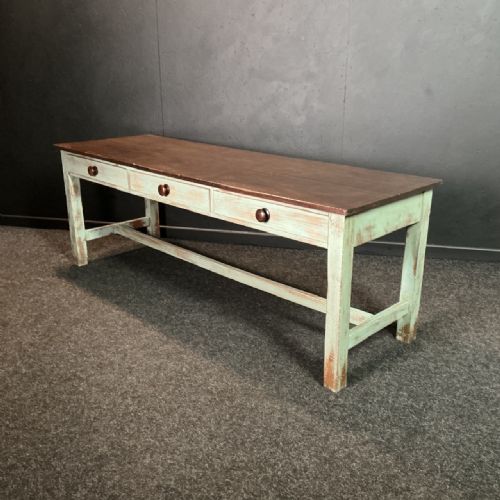
A victorian kitchen prep table generally presents as a sturdy rectangular work surface, often fitted with drawers beneath the front frieze for culinary utensils. The most common examples found here are constructed from pine, sometimes featuring scrubbed wooden tops or traces of original paint on the lower frames and legs.
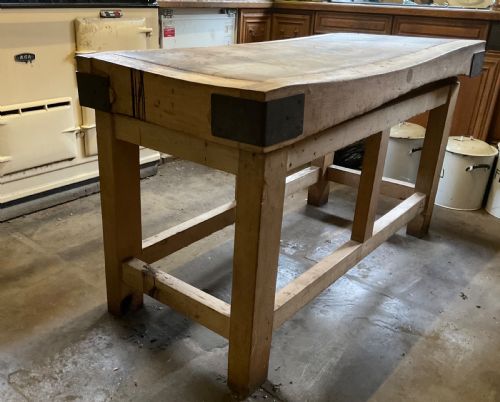
The form spans several regional variations, including long harvest tables, smaller scullery boards, dairy tables with specific proportions, and heavy butchers blocks. Many pieces date from the nineteenth century, reflecting the robust functional requirements of large country houses, farmhouses, and domestic service rooms.
Makers designed these items for continuous daily use rather than formal display, resulting in honest structural joinery and practical proportions. Buyers encounter various formats, from folding drop-leaf tables to substantial refectory styles and side servers with pot shelves.
Materials and Construction
Construction relies heavily on solid pine, pitch pine, and occasionally fruitwood or satin birch, paired with sturdy hardwood frames to withstand heavy daily labour. Iron and brass hardware appears on hinges, handles, and occasional structural braces, while other pieces incorporate marble slabs suited to pastry work.
Carpenters utilised traditional jointing methods to ensure stability, mounting thick timber tops onto square section supports or turned legs. Surfaces frequently show the characteristic texture of scrubbed timber or layers of old paint applied over decades of domestic service.
Victorian Kitchen Prep Table Retail Price Guide 2026
Typical asking prices for victorian kitchen prep table among the pieces listed under this phrase on Sellingantiques today, from the lower quarter to the upper quarter. They describe what is for sale here now, not the wider market.
Listings feature woods including pine, pitch pine, oak, fruitwood, and satin birch, alongside painted finishes and marble.
Assessing Quality and Character
The distinction between ordinary utility tables and superior examples rests on timber selection, proportion, and the preservation of original surfaces. Pieces retaining unblemished scrubbed tops or authentic old paint finishes command greater interest from collectors than those subjected to heavy modern stripping.
Structural integrity and untouched original hardware set the finer examples apart from heavily altered items. Depth of patina acquired through genuine kitchen use defines the visual success of the piece.
The Victorian Kitchen Prep Table Glossary
- Scrub top
- A bare wooden tabletop designed to be repeatedly scrubbed clean with soap and water after food preparation. This process leaves the grain raised and pale.
- Frieze
- The horizontal band running directly beneath the tabletop, frequently housing one or more shallow drawers for small implements. It provides structural rigidity to the base.
- Pot shelf
- A low open lower tier fitted between the legs of a table or dresser base, historically used for storing heavy pots and pans off the damp flagstone floor.
- Dairy table
- A specialised working surface often featuring slatted timber or specific ventilation considerations, used historically in the production of butter and cheese.
- Drop-leaf
- A table design featuring hinged flaps that fold down to save space or lift up to extend the usable surface area.
Victorian Kitchen Prep Table: Frequently Asked Questions
How were these tables used?
These tables served as the central workspace for domestic food preparation in large nineteenth-century kitchens and sculleries. Cooks used the heavy timber surfaces for kneading bread, chopping vegetables, and rolling pastry.
Additional drawers held knives and utensils close at hand while lower shelves accommodated heavy pots. Their solid construction meant they could endure hours of demanding daily labour without shifting.
How do I clean a scrub top?
Scrubbed pine tops respond best to warm water, stiff natural bristle brushes, and traditional soap flakes. Scrub gently along the direction of the wood grain rather than across it.
Avoid harsh chemical detergents or modern power sanders which strip away the historic patina. Allow the timber to dry naturally away from direct heat sources to prevent warping.
Are these tables suitable for modern kitchens?
Their practical proportions and sturdy construction make them ideal freestanding kitchen islands or dining surfaces. The generous under-clearance allows standard stools to tuck neatly beneath.
Placing one in a contemporary space introduces texture and warmth through seasoned timber and aged paint. Regular application of neutral oils helps protect the historic wood from modern spills.
How can I tell the period?
Nineteenth-century examples display hand-cut joinery marks, wrought iron or brass fixings, and timber boards selected for maximum utility rather than uniformity. Tool marks left by pit saws or early hand planes often remain visible on the underside.
Later twentieth-century adaptations typically show more standardised machining and modern adhesives. Original paint layers and genuine wear patterns accumulated over decades provide the most reliable guide to age.