




Victorian Keepsake Locket
A Victorian keepsake locket is a hinged pendant designed to hold a miniature portrait, a lock of hair or a small memento close to the heart.
Victorian Keepsake Locket
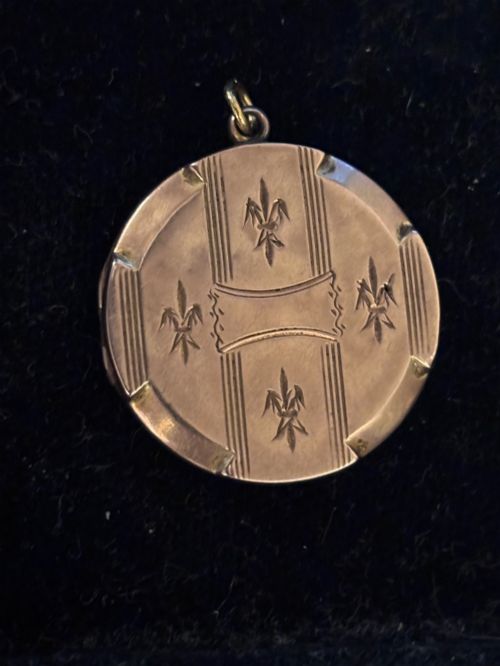
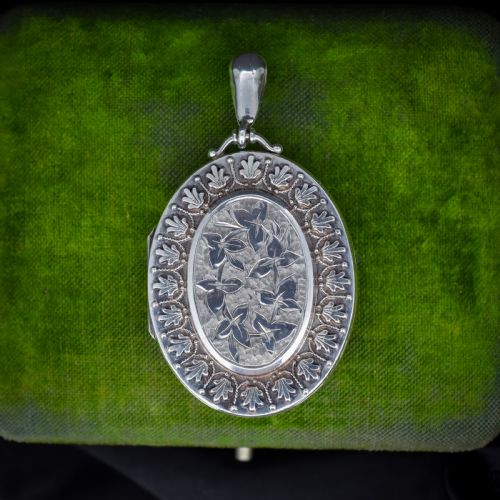
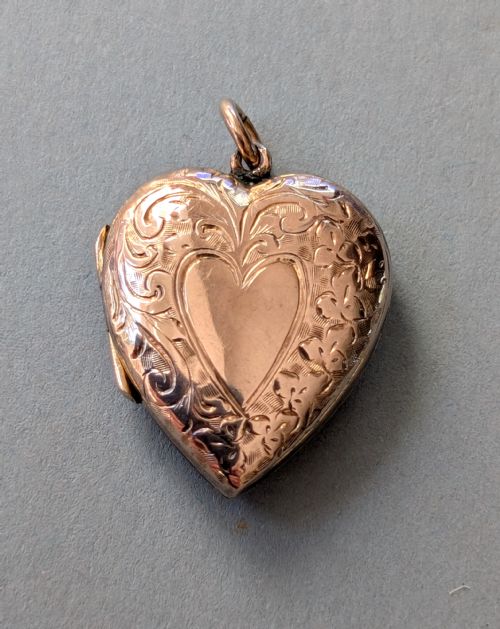
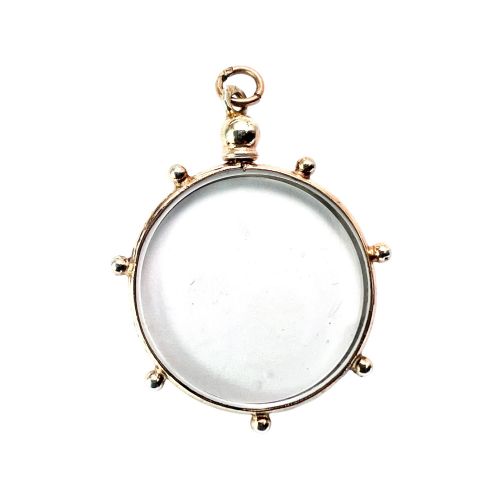
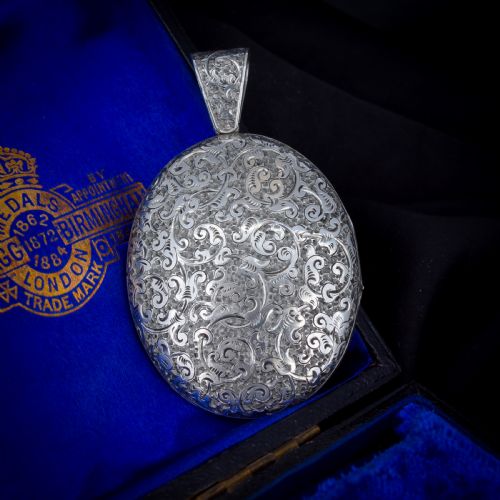
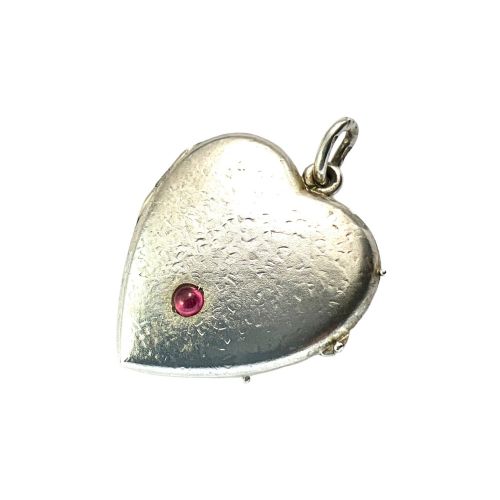
A Victorian keepsake locket takes several distinct forms, most commonly appearing as oval or heart-shaped pendants intended to hold personal mementos. These pieces emerge from periods including the Victorian era, the Edwardian years and the Georgian period, alongside later mid-century revivals.
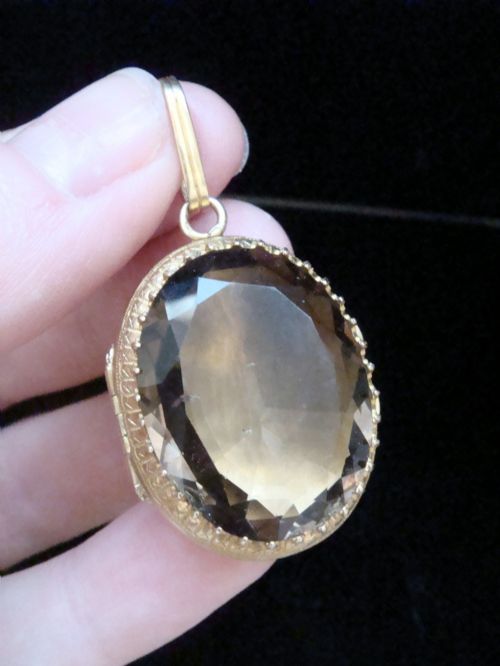
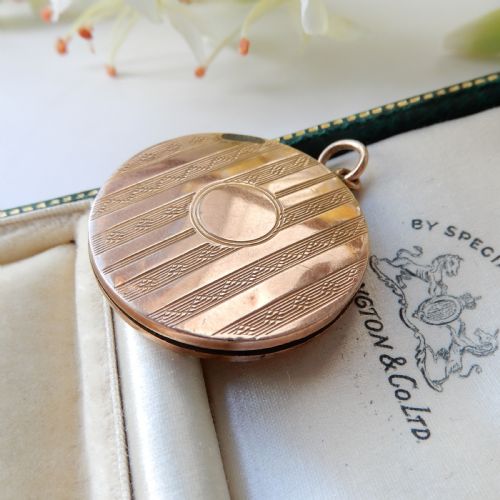
The decorative vocabulary spans floral engravings, swallows, ivy motifs and geometric engine-turned patterns. Certain specimens incorporate precious stones such as diamonds, rubies, sapphires, turquoise and pearls to frame the central compartment.
Materials and Construction
Goldsmiths and silversmiths utilised sterling silver and gold ranging from nine carat up to eighteen carat, occasionally employing base metal cores with gold backing and fronting. These metals were shaped into hinged boxes, frames and bezels designed to snap securely shut over internal compartments.
Surface ornamentation relied heavily on hand engraving, including detailed depictions of flowers, swallows and ivy leaves alongside precise engine-turned geometric textures. Artisans also integrated bezel-set gemstones, seed pearls and faceted glass top covers to protect miniature portraits and hair work.
Several lockets cleverly mimic the appearance of pocket watches, allowing the wearer to check the time in their imagination rather than reality.
Distinctions in Quality
The standard of a locket rests upon the weight of the metal and the crispness of the hand engraving. Heavier solid gold or silver pieces demonstrate greater durability and substance than thinner constructions.
Superior examples feature intricate decorative elements such as precise engine-turning, securely flush-set diamonds or sapphires and well-aligned hinges that close firmly. The finesse of miniature painted portraits or intricate hair work inside elevates the artistic merit significantly.
B and F
The Victorian Keepsake Locket Glossary
- Locket
- A small hinged pendant designed to open and enclose a portrait, lock of hair or other personal keepsake. They were commonly worn suspended from chains or ribbons.
- Engine-turned
- A decorative technique involving intricate geometric patterns carved into metal by a specialised lathe. This method added texture and visual depth to plain metallic surfaces.
- Mourning locket
- A piece of jewellery specifically created to commemorate a deceased loved one, frequently incorporating woven human hair, black enamel or pearls.
- Back and front
- A method of construction where the exterior plates of a locket consist of gold while the internal framing uses a base metal. This provided the appearance of solid gold at a lighter weight.
- Watch fob
- A short ornamental chain or pendant formerly attached to a pocket watch. Many were adapted to function as wearable lockets.
Victorian Keepsake Locket: Frequently Asked Questions
What did people put inside a Victorian keepsake locket?
These compartments typically held miniature painted portraits, photographs of family members or delicate arrangements of human hair. Such contents served as personal tokens of affection or remembrance.
In many instances, the inclusion of hair signified mourning or sentimental attachment, allowing the wearer to keep the memory of a loved one physically close.
How do I know if my locket is solid gold?
Examination of the metal usually reveals hallmarks or stamps indicating the gold carat, such as nine carat or eighteen carat. Pieces labelled as back and front indicate that only the exterior plates are precious metal.
Inspecting the interior edges and hinge areas can also clarify whether the piece is constructed entirely from solid gold or supported by an internal base metal frame.
Can I still put a modern photograph inside?
Most antique lockets retain their internal frames and glass or celluloid covers, allowing modern printed photographs to be trimmed and inserted. Careful measurement ensures the image fits the bezel.
Opening the hinge requires gentle pressure to avoid straining the original metalwork, particularly on delicate gold or silver specimens from the nineteenth century.
How should I clean a silver or gold locket?
Gentle wiping with a soft, dry microfibre cloth removes everyday dust and skin oils without harming the antique metal surface. Harsh chemical dips risk damaging fragile internal glass, hair work or painted miniatures.
If the piece contains gemstones like pearls or turquoise, extra care is necessary because these materials are porous and sensitive to moisture.