
Victorian Jewellery Pendant
These victorian jewellery pendant pieces are wearable miniatures of nineteenth-century sentiment and craft, offering tangible links to historical ornamentation that collectors wear daily.
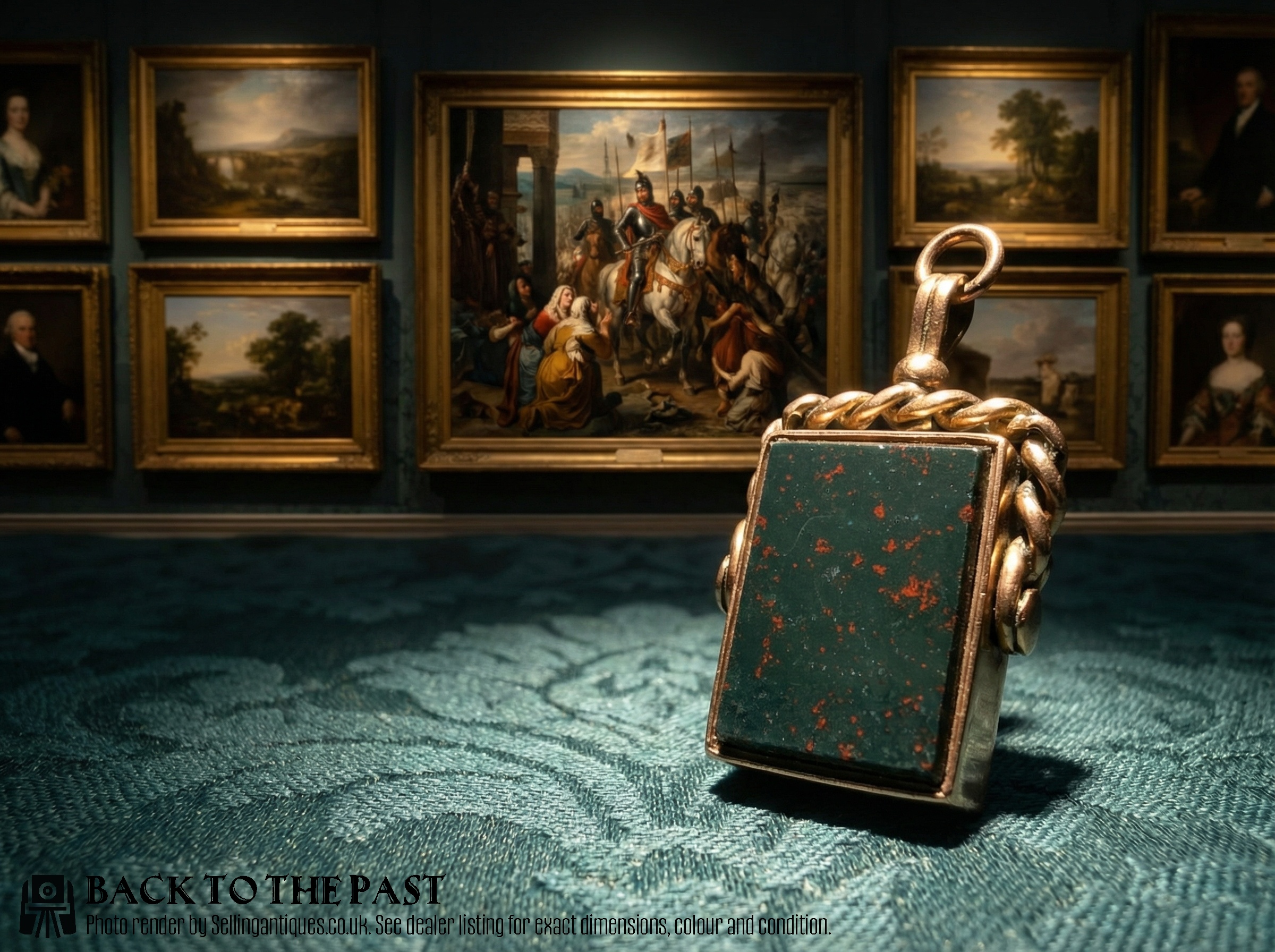
Victorian Jewellery Pendant
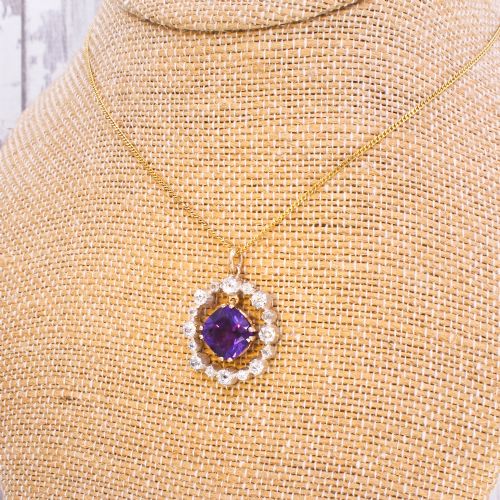
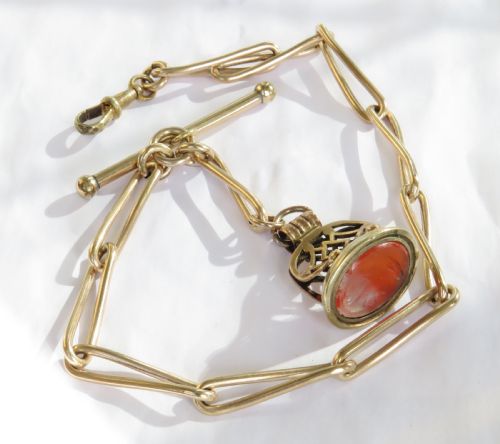
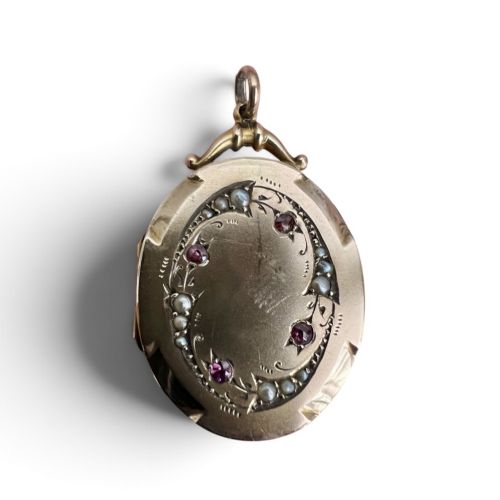
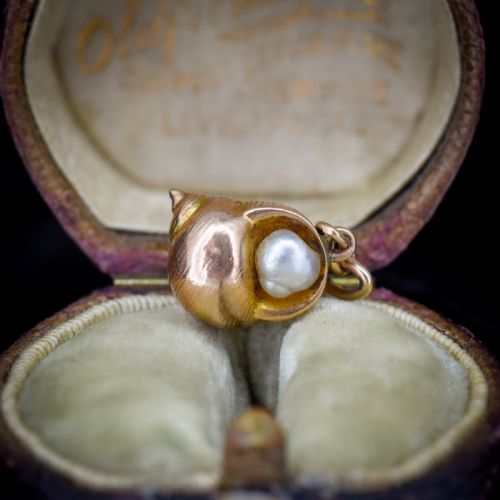
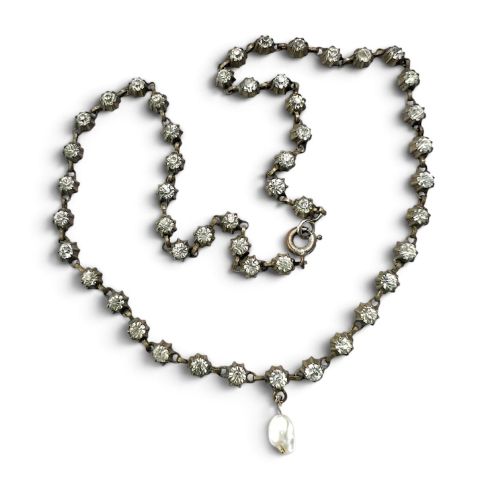
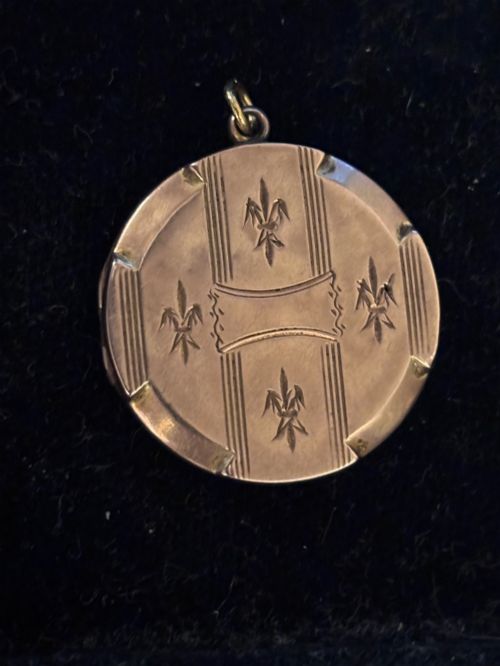
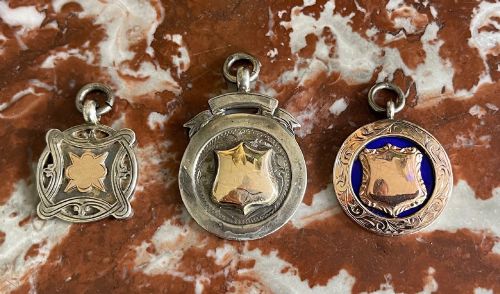
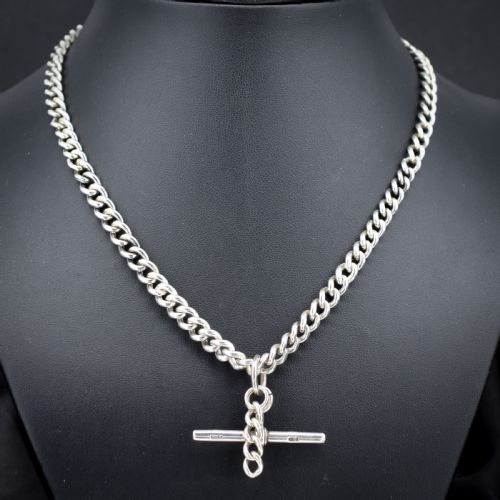
A victorian jewellery pendant encompasses gold lockets, gem-set cluster drops, and devotional crosses originating primarily from the nineteenth century alongside later revivals. Buyers seeking these items encounter mourning compartments, hinged fob keys, and delicate seed pearl negligee necklaces spanning multiple decades of design.
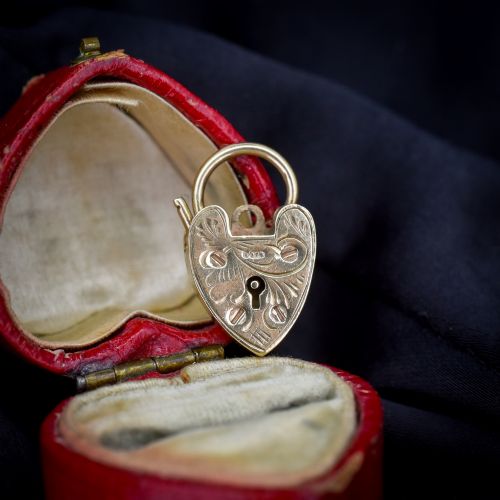
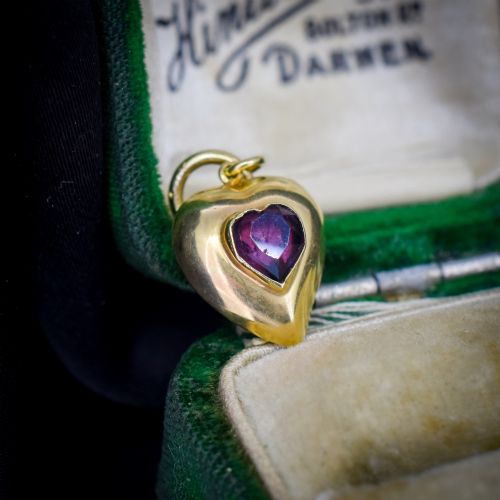
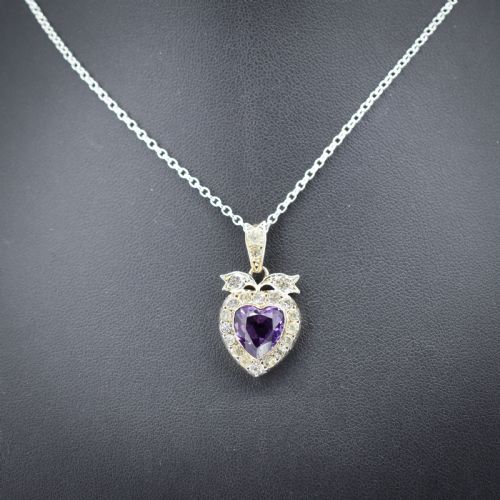
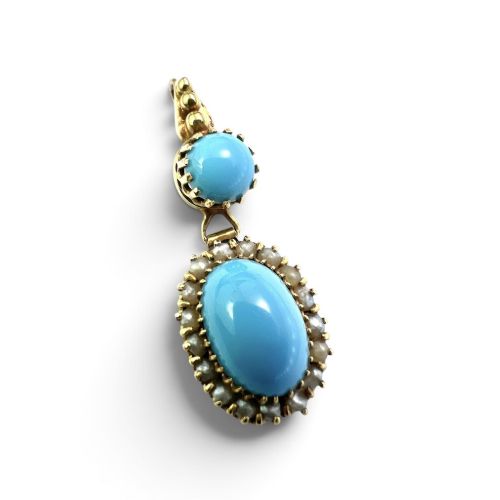
The selection ranges from strict Victorian gold work to Edwardian turquoise pieces and later vintage interpretations utilising similar motifs. Heart padlocks, engraved crosses, and amethyst halos dominate the forms available for daily wear.
Originating predominantly from British workshops and hallmarked centres, these pendants reflect changing social customs through sentimental stones and commemorative hair compartments.
Materials and Construction
Goldsmiths utilised varying purities from nine to eighteen carat gold, alongside sterling silver and rolled metal combinations, shaping them into bezel settings and hollow stamped components. Stones such as garnets, turquoise, and seed pearls were hand-set using claw and collet techniques typical of the period.
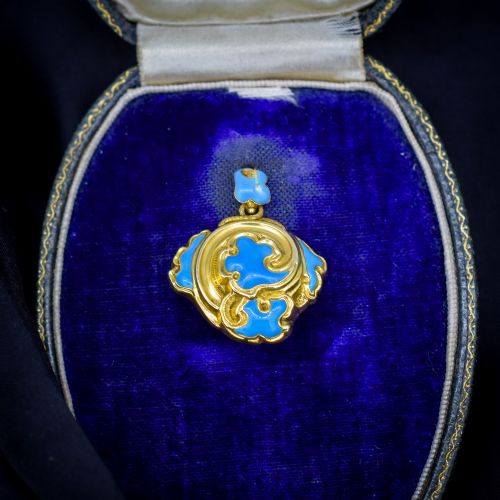
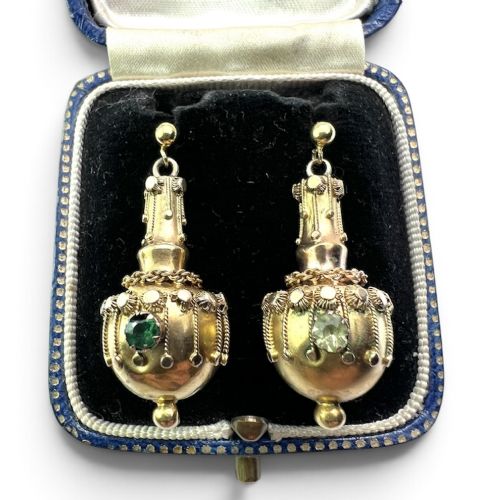
Intricate surface decoration involved hand engraving, foil backing to enhance paste and gemstone brilliance, and delicate wirework seen in Etruscan revival pieces. Enamel work and applied bead wire added textural contrast to smooth gold surfaces on lockets and charms.
Listings feature gold, silver, seed pearls, diamonds, and enamel across Victorian, Edwardian, and later twentieth-century periods.
Distinctions in Quality
The standard of a victorian jewellery pendant rests on the crispness of the hand engraving and the structural integrity of hinged elements like locket bezels and dog clips. Superior examples display secure stone settings without excessive solder bleed and retain their original components such as glass locket covers.
Material choice dictates tier, with higher carat gold and natural gems like opal, diamond, and sapphire commanding greater regard than base metal fillings or paste substitutes. The delicacy of seed pearl arrangement and the depth of enamel preservation further separate standard production from master craftsmanship.
The Victorian Jewellery Pendant Glossary
- Locket
- A hinged pendant designed to hold miniature portraits, woven hair, or small mementos behind glass. These compartments often secure with a tight snap closure.
- Seed Pearl
- Tiny, naturally occurring pearls utilised in clustered floral or star motifs across nineteenth-century settings. They are typically threaded on silk or held with tiny pins.
- Foil Backing
- A thin sheet of metallic foil placed behind gemstones or pastes to artificially brighten their internal reflection and colour. This technique appears frequently in antique paste jewellery.
- Negligee Necklace
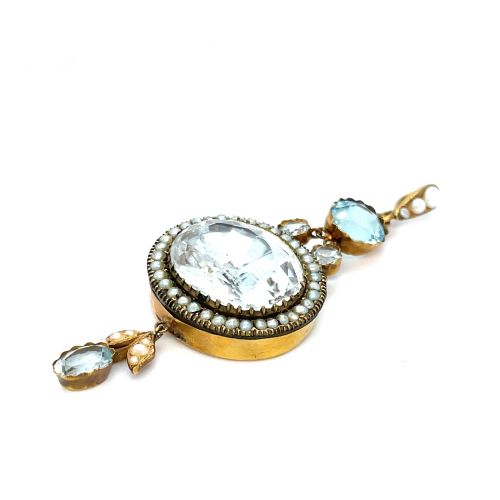
- A pendant style featuring an asymmetrical drop design suspended from a fine chain, popular during the Edwardian era. These pieces often incorporate swinging gemstone drops.
- Old Cut
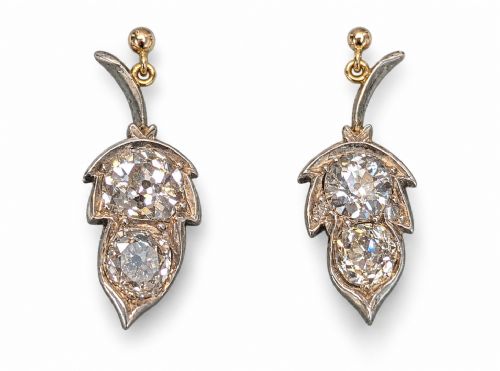
- A hand-faceted diamond cutting style predating the modern brilliant cut, characterised by a smaller table and a higher crown. Stones cut this way exhibit distinctive soft light play under candlelight.
Victorian Jewellery Pendant: Frequently Asked Questions
How do I care for a victorian jewellery pendant?
Clean these pieces gently with a soft dry cloth, avoiding harsh liquid immersion that can damage foil-backed stones, seed pearls, or internal locket compartments.
Store each item separately in a lined box to prevent scratching softer gems like turquoise, amethyst, and pearls against harder metals.
Can I put a photo inside my locket?
Many antique lockets retain their internal bezels and original glass covers, making modern photo insertion straightforward if trimmed carefully to shape.
Opening older hinges requires patience and steady pressure to avoid straining the gold or silver mountings after decades of closure.
Are these pendants suitable for daily wear?
Most sturdy gold and silver pendants withstand regular wear if handled with reasonable care during activities and physical work.
Pieces containing seed pearls or delicate enamel require extra mindfulness to prevent moisture exposure and impact damage.
How do I distinguish Victorian from Edwardian styles?
Victorian pieces tend to display heavier gold work, Etruscan revival motifs, and deeper garnet or mourning colours with substantial presence.
Edwardian designs shift toward lighter platinum and yellow gold frameworks, incorporating airy garland motifs, negligee drops, and bright turquoise or diamond settings.