
Victorian Jewellery Chain
A victorian jewellery chain brings together the functional utility of pocket watch fittings and the enduring appeal of gold and silver links.
Victorian Jewellery Chain
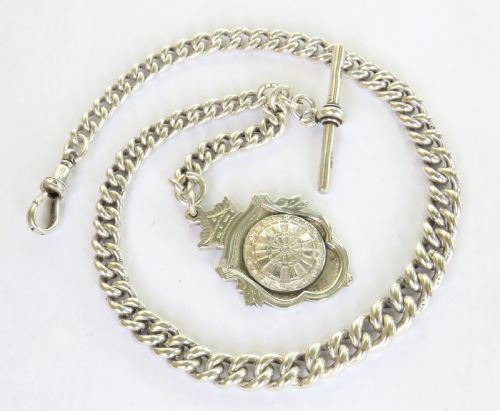
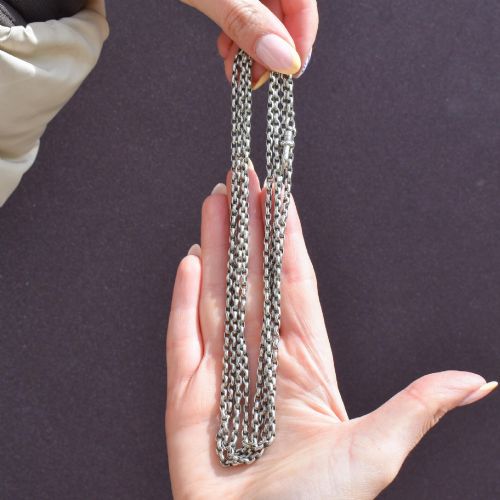
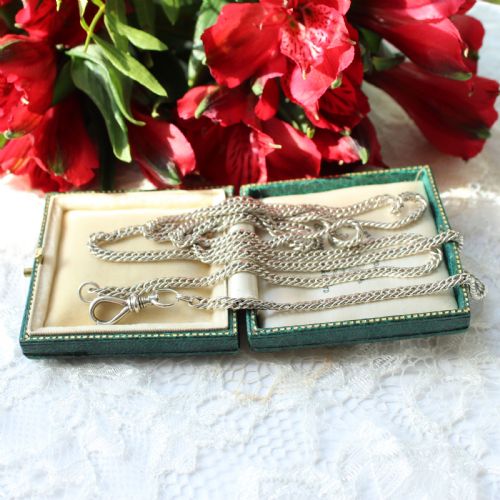
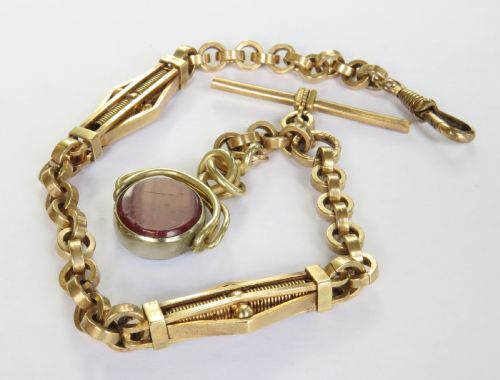
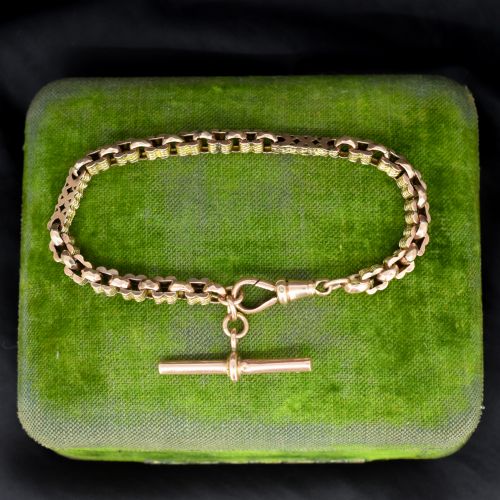
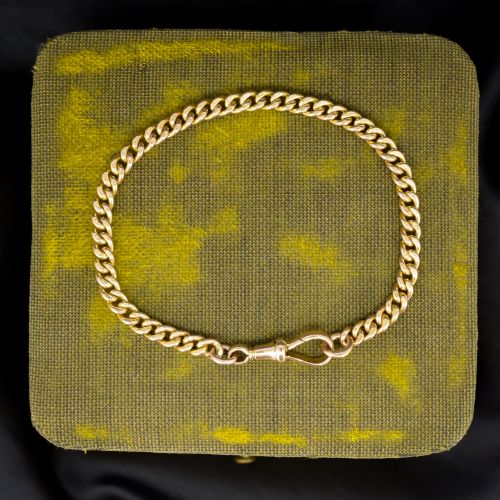
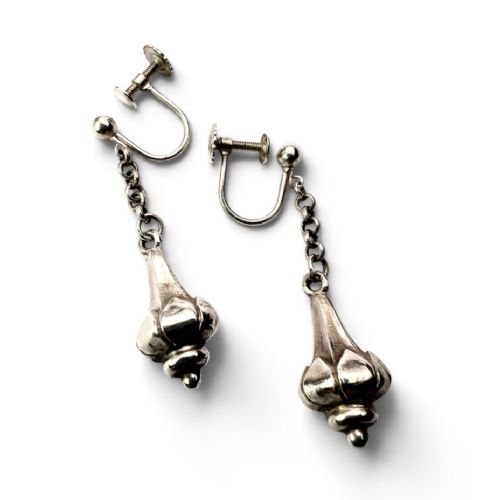
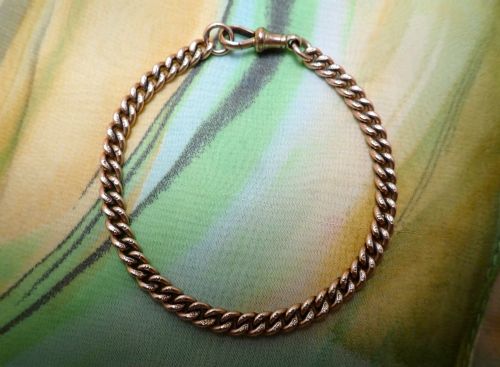
A victorian jewellery chain encompasses a range of wearable metal links originating from the nineteenth and early twentieth centuries, spanning periods from the Victorian era through the Edwardian years and into the 1920s and 1930s. These pieces take the form of bracelets, necklaces, longguard chains, and watch chains equipped with dog clips, T-bars, and heart padlocks. Buyers searching for a victorian jewellery chain will encounter substantial gate bracelets, graduated curb links, and long guard chains adapted for modern wear.
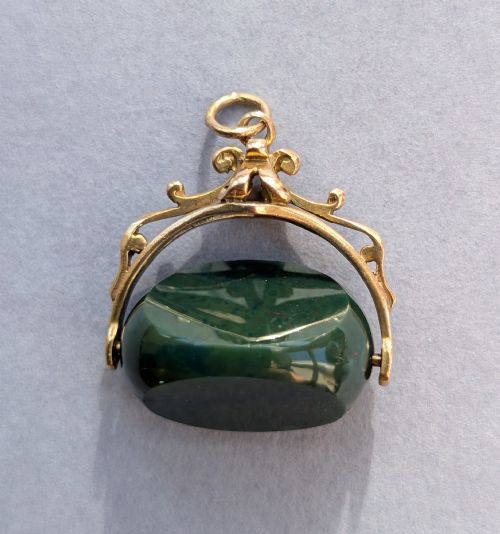
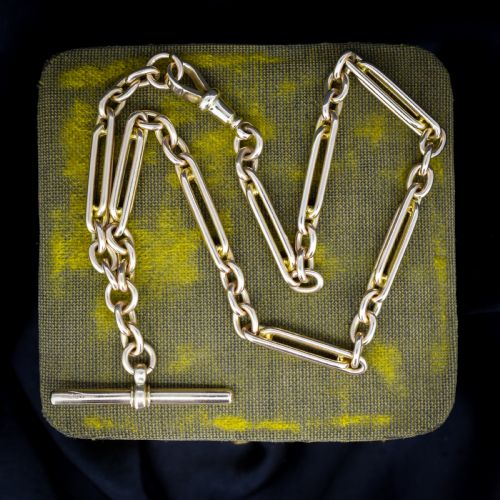
The selection on this page shows pieces designed initially for utility, such as pocket watch albert chains and military whistles, alongside purely decorative items like paste and pearl drop necklaces. Gold versions appear in nine carat rose gold, fifteen carat yellow gold, and eighteen carat yellow gold, while silver examples showcase sterling and hallmarked components. Link formations vary from simple curb patterns to intricate trombone, love knot, and tubular bar designs.
Materials and Construction
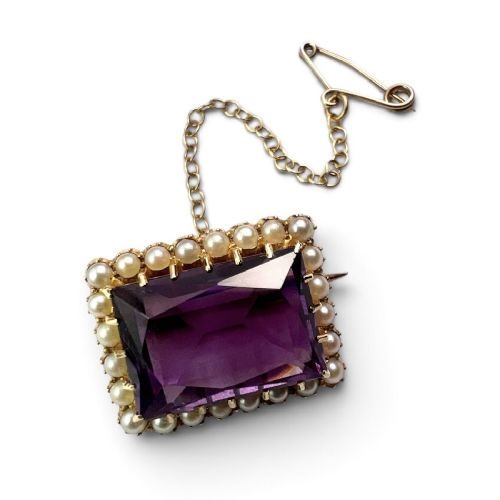
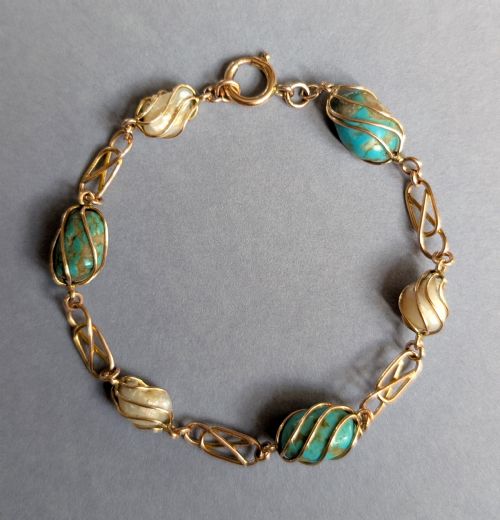
Metals form the core of these pieces, utilising nine carat rose gold, fifteen carat yellow gold, eighteen carat yellow gold, and sterling silver alongside rolled gold and plated options. Gold components range from lighter nine carat alloys to rich fifteen and eighteen carat metal, paired with silver links and Birmingham hallmarks. Supplementary elements incorporate natural pearls, seed pearls, turquoise, amethyst, and old cut paste stones.
Link construction relies on traditional goldsmithing techniques, creating uniform curb links, fancy gate patterns, and alternating trombone and love knot motifs. Fastenings such as dog clips, concealed clasps, and heart padlocks integrate directly into the structural design. Engraved details appear on half engraved curb bracelets and albert chains, often complemented by hanging t-bars and tassel fobs.
Military precision meets horology when a silver pocket watch chain shares space with a regimental infantry whistle.
Assessing Quality
Quality in these items rests upon the weight of the metal and the integrity of the links, with heavier examples showing substantial grams of gold or silver. The complexity of the link formation, from standard curb to detailed trombone and love knot patterns, distinguishes standard utility pieces from finer decorative items. Original components such as matching dog clips, t-bars, and functional heart padlocks contribute to the overall integrity of a piece.
The inclusion of gemstones like natural pearls, turquoise, and amethyst elevates the character of a chain or brooch. Precision in hand engraving, particularly on half engraved curb bracelets and albert watch chains, demonstrates the skill of the original maker. The presence of clear hallmarks and stamps provides verifiable evidence of the metal purity and origin.
The Victorian Jewellery Chain Glossary
- Albert chain
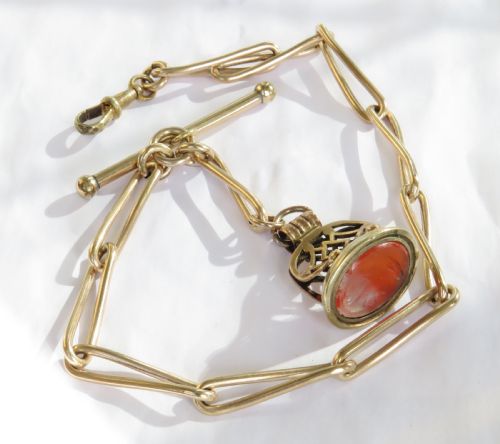
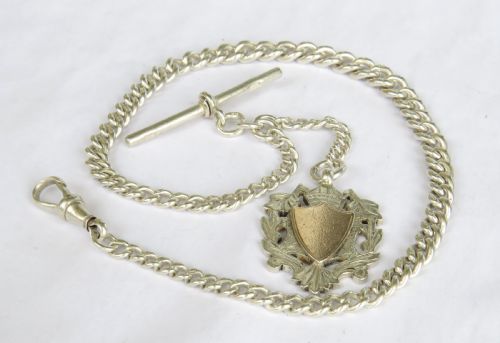
- A type of watch chain designed to secure a pocket watch to a waistcoat, typically fitted with a T-bar at one end and a swivel clasp at the other.
- Dog clip
- A spring-loaded snap hook used on watch chains and bracelets to secure fobs, pendants, or opposing links.
- T-bar
- A short transverse bar attached to the centre of an albert chain, passed through a buttonhole to anchor the watch.
- Gate bracelet
- A wide bracelet style composed of numerous parallel metal bars linked together, resembling a traditional garden gate.
- Paste
- Hand-cut lead glass used to imitate gemstones in antique jewellery, prized for its clarity and historical setting techniques.
Victorian Jewellery Chain: Frequently Asked Questions
How were Victorian watch chains worn?
Victorian watch chains served a practical function to secure pocket watches, with the T-bar slotted through a waistcoat buttonhole and the chain draped across the front. The attached watch rested safely in a pocket.
Today, many owners adapt these watch chains to be worn as necklaces or bracelets by securing the dog clip to the opposite end or a designated link.
What is a longguard chain?
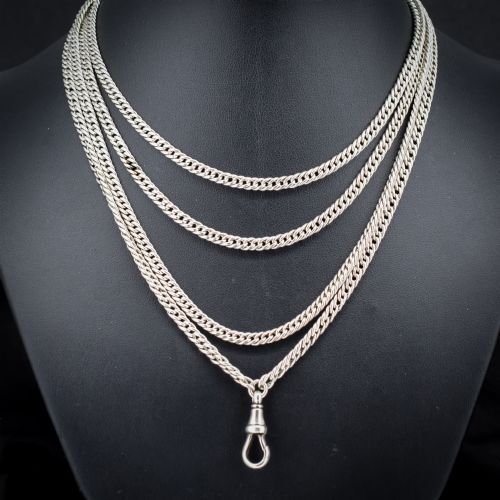
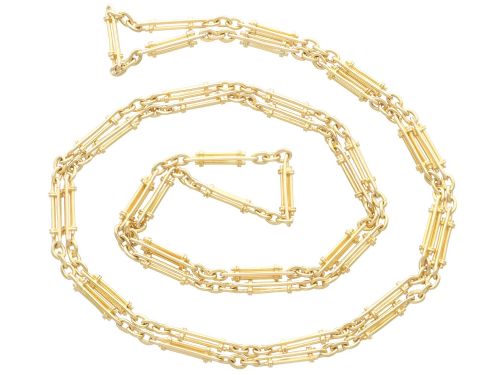
A longguard chain is an exceptionally long necklace designed during the nineteenth century to hold lorgnettes, watches, or small pendants close to the waist. Their generous length allowed them to be slipped easily over the head without operating the clasp.
In modern usage, these long chains are frequently doubled or tripled around the neck to create a layered necklace effect.
How do I identify gold purity on these pieces?
Makers and assay offices stamped metal components with specific marks indicating the gold carat, such as nine carat, fifteen carat, or eighteen carat. Rolled gold and plated items indicate a thin layer of gold over a base metal core rather than solid precious metal.
Examining the links closely often reveals small hallmarks or stamps near the clasp or T-bar that confirm the material composition.
What is a heart padlock clasp?
A heart padlock is a decorative and functional clasp shaped like a miniature padlock, frequently used on gate bracelets and heavy curb chains. They open via a small spring mechanism built into the body of the heart.
These padlocks often feature hand engraving or plain polished surfaces that complement the wider link design of the bracelet.