


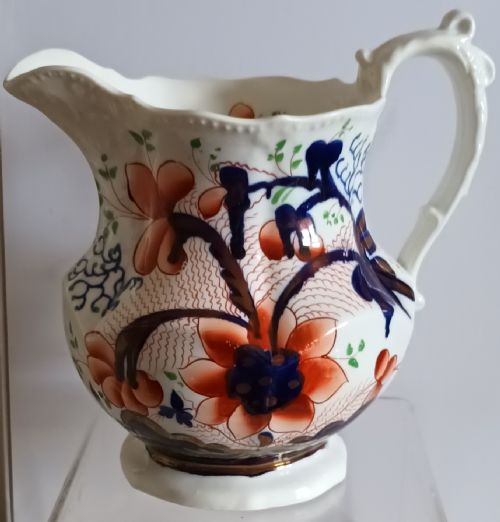


Victorian Ironstone Pottery
Victorian ironstone pottery brings durable service and rich transfer-printed decoration to the table, offering robust utility for everyday use.
Victorian Ironstone Pottery
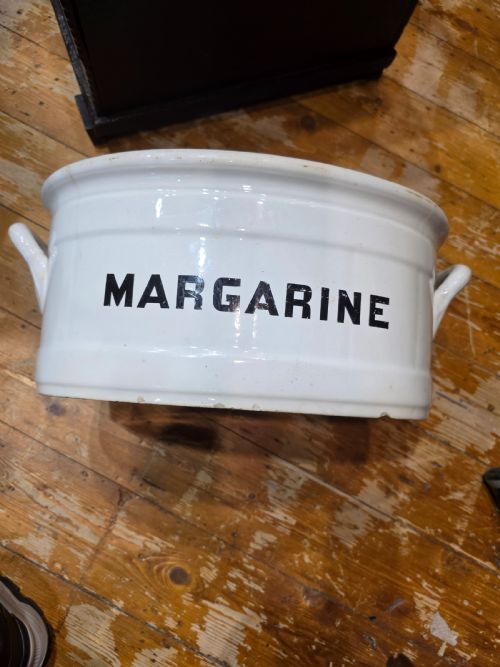
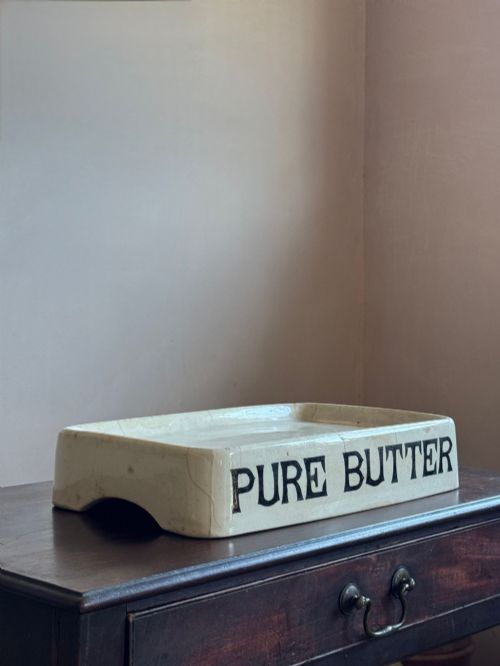
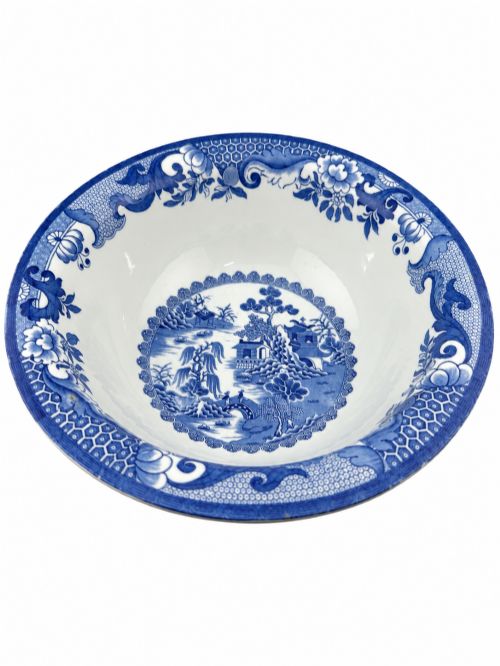
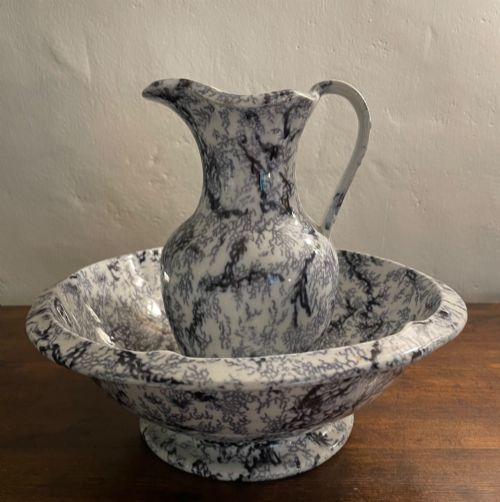
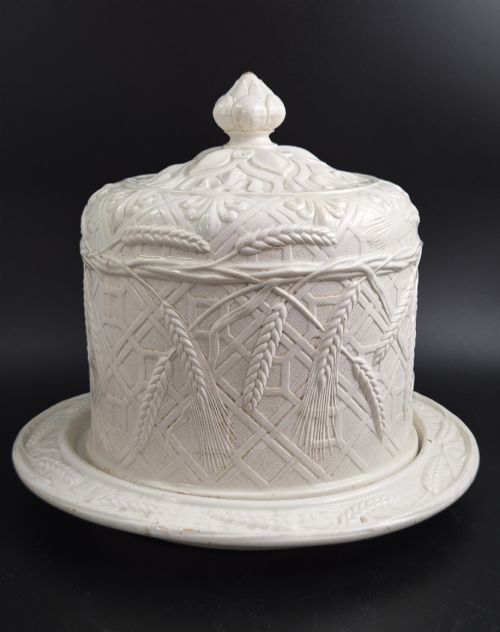
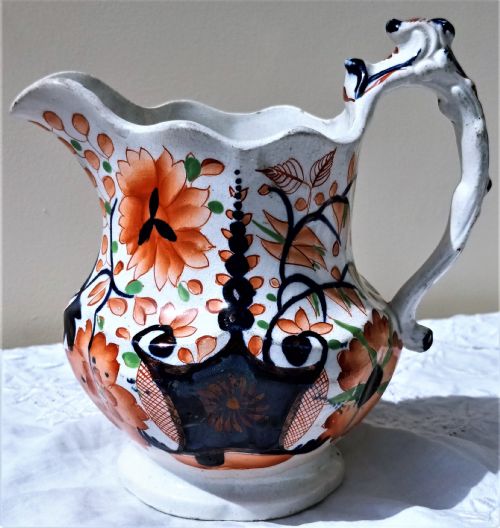
Victorian ironstone pottery encompasses heavy earthenware and dense ceramic bodies designed to withstand daily service while mimicking the refinement of porcelain. When exploring victorian ironstone pottery, collectors frequently encounter utilitarian vessels alongside display forms such as large wash basin bowls, cheese domes, and graduated jugs.
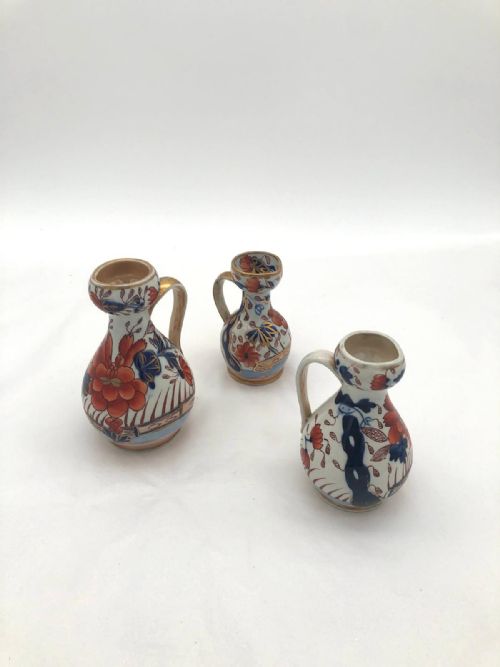
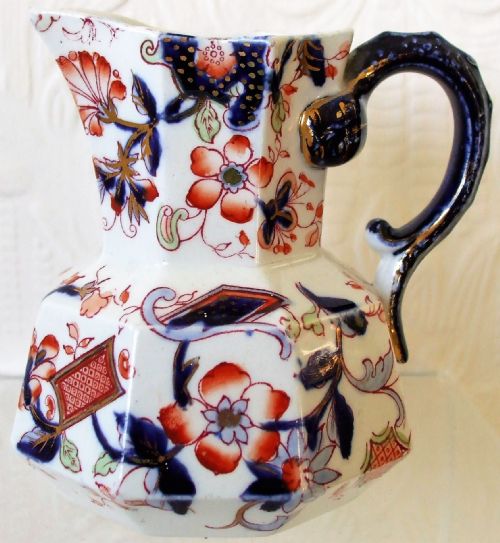
The selection ranges from large decorative soup tureens and lidded vessels to octagonal jugs and patterned plates. Stylistic influences draw heavily from Chinoiserie and Imari designs, alongside classic transfer-printed scenes in blue, mulberry, and flow blue.
Origins span the nineteenth century, capturing periods from Georgian roots through Victorian manufacturing peaks and into Edwardian interpretations. These vessels served practical households yet carried artistic ambitions through intricate patterns and hand-finished details.
Materials and Technique
Potters built these wares using dense ironstone clay and refined earthenware bodies, firing the pieces at high temperatures to achieve exceptional durability and a heavy feel. Surfaces received smooth ceramic glaze layers that protected the porous clay beneath.
Decoration relied on transfer printing for intricate background scenes, frequently augmented by hand-applied enamel colours and touches of gold leaf. Specialised forms like puzzle jugs and lion mask handled bowls required advanced moulding and assembly techniques by skilled artisans.
Victorian Ironstone Pottery Retail Price Guide 2026
Typical asking prices for victorian ironstone pottery among the pieces listed under this phrase on Sellingantiques today, from the lower quarter to the upper quarter. They describe what is for sale here now, not the wider market.
Puzzle jugs challenge diners to drink their contents without spilling through hidden spouts, turning nineteenth-century table service into a playful test.
Defining Quality
Quality rests upon the crispness of the transfer print and the precision of the hand-applied enamel colours. Stronger pieces display deep, even glaze coverage without excessive pooling or cloudiness over the ceramic body.
Form and moulding definition dictate the upper tier of the range, visible in sharp relief work on cheese domes, hydra jugs, and octagonal profiles. Well-preserved gilding and intact matching stands or covers elevate the standing of individual service pieces.
Mason’s Ironstone·John Ridgway·Livesley Powell and Co·Davenport·Keeling and Co·Copeland
The Victorian Ironstone Pottery Glossary
- Ironstone
- A heavy, durable type of earthenware patented to resist chipping and wear while providing a fine white canvas for decoration. It bridges the gap between common pottery and expensive porcelain.
- Transfer Printing
- A technique where an engraved copper plate transfers a design onto tissue paper, which is then stamped onto the ceramic body before glazing and firing. This allowed for intricate, repeatable patterns across large sets.
- Flow Blue
- A style of transfer printing where cobalt blue ink purposefully bled into the surrounding white glaze during firing. This created a hazy, ethereal effect popular on mid-nineteenth-century plates and jugs.
- Chinoiserie
- European decorative motifs inspired by Chinese art, featuring imaginary landscapes, pagodas, and exotic birds. This style appeared frequently on nineteenth-century ironstone plates and vases.
- Gaudy Welsh
- A vibrant style of earthenware decorated with cobalt blue, copper lustre, and bright enamel colours like iron red and green. It gained popularity for its striking palette on domestic tablewares.
Victorian Ironstone Pottery: Frequently Asked Questions
What is Victorian ironstone pottery?
Victorian ironstone pottery is a dense, durable ceramic developed in the nineteenth century to provide sturdy tableware that resembled costly porcelain.
Potters shaped the material into practical household items, including large basins, jugs, tureens, and cheese domes, decorated with transfer prints and enamel colours.
How were these pieces used?
These vessels fulfilled heavy daily duties in nineteenth-century homes, serving soups, cheeses, and liquids during formal and family meals.
Wash basins and large jugs also formed part of bedroom washing sets before modern indoor plumbing became standard.
Can I use ironstone daily?
Ironstone was built for robust service and handles regular use well, though antique pieces deserve careful hand washing to protect their historic glazes and enamel details.
Avoid subjecting nineteenth-century ceramics to sudden thermal shocks like microwaves or harsh dishwashers.
How do I identify patterns?
Makers often named their specific decorative designs, such as Pagoda or Penang, and stamped their company marks directly into the unglazed base of the ceramic body.
Comparing transfer print motifs and handle shapes helps link unmarked pieces to known nineteenth-century production styles.