




Victorian Iron Side Tables
These Victorian iron side tables combine robust metal bases with timber or stone surfaces, offering practical charm for any interior or garden.
Victorian Iron Side Tables
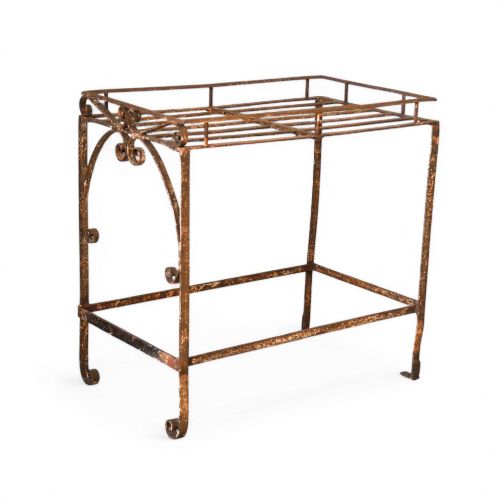
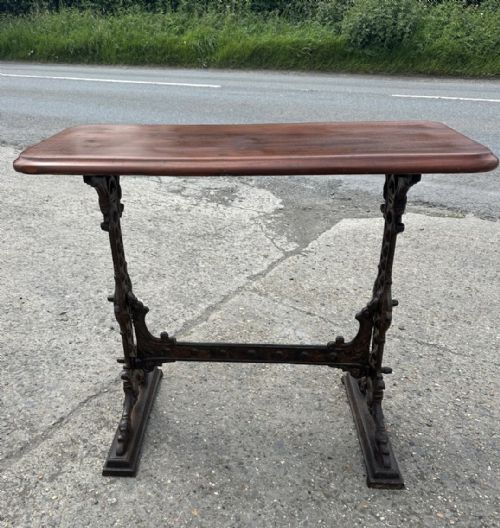
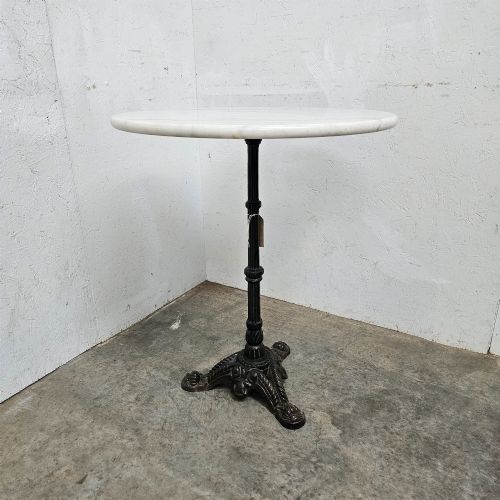
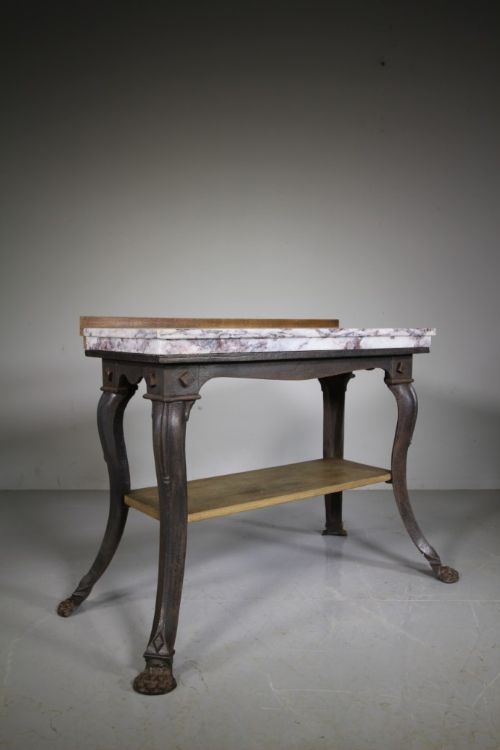
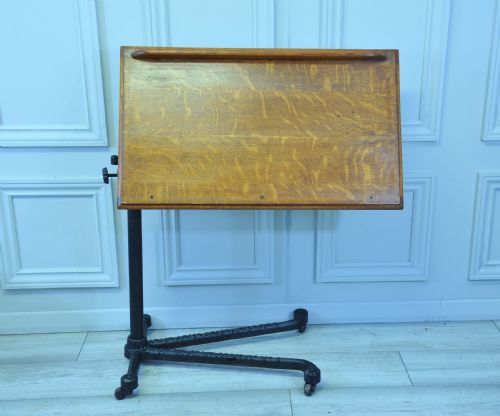
Most examples rely on durable cast iron or wrought iron supports paired with tops in mahogany, marble, pine, or oak. Pieces range from French cafe designs to English tavern tables and industrial workshop items repurposed for modern living.
Buyers frequently select these tables for their sturdy construction and compact footprints, making them suitable for hallways, conservatories, and intimate seating areas. The inventory demonstrates varied styles including Victorian Industrial, Rococo Revival, and French Bistro.
Construction and Materials
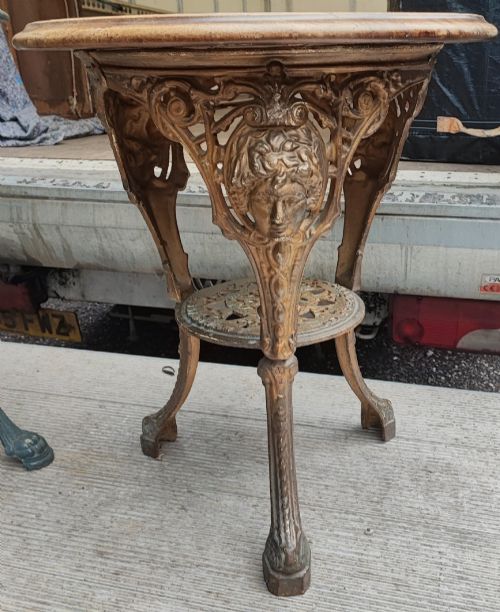
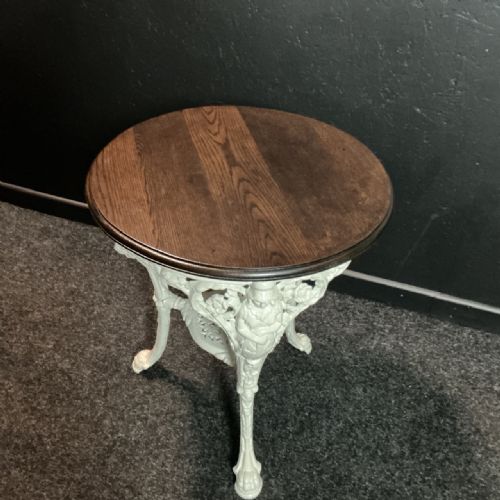
Foundry work defined the metal elements, utilising cast iron for intricate scrollwork, Britannia bases, and heavy pedestals. Molten metal poured into sand moulds produced crisp relief patterns and durable structural legs that resisted heavy daily use.
Makers combined these iron frames with timber tops like mahogany and oak, or fitted them with smooth marble slabs for hospitality and garden settings. Carpenters secured the surfaces to the metal bases using traditional fixings to ensure stability across varying environments.
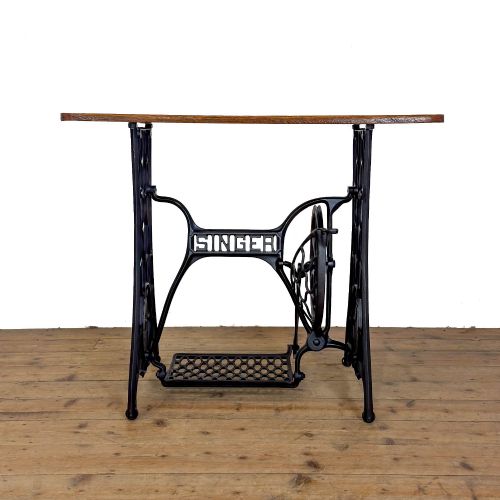
Some sturdy iron frames began life supporting sewing machines or mangle mechanisms before finding a second career holding household cups and garden plants.
Determinants of Quality
The refinement of the iron casting heavily influences the character of each piece, distinguishing utilitarian foundry output from decorative scrollwork. Crisp detailing in the moulding and retention of original surfaces demonstrate superior craftsmanship.
The choice and preservation of the tabletop material also determine the overall standard, particularly where original mahogany or fitted marble remains intact. Coherence between the metal base and the fitted top indicates deliberate workshop assembly.
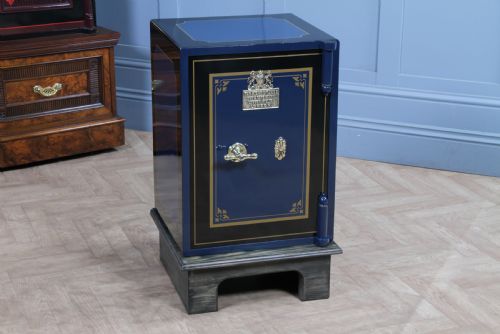
TANNS DEFIANCE LONDON·Carters Of London
The Victorian Iron Side Tables Glossary
- Cast iron
- A strong, hard iron-carbon alloy produced by pouring molten metal into a mould, commonly used for nineteenth-century table bases and pub furniture. This technique allowed manufacturers to produce ornate decorative motifs in high volume.
- Britannia
- A specific nineteenth-century pub table design featuring a heavy cast iron pedestal base, often moulded with the figure of Britannia. These tables were widely utilised in British public houses for their exceptional stability.
- Jardiniere stand
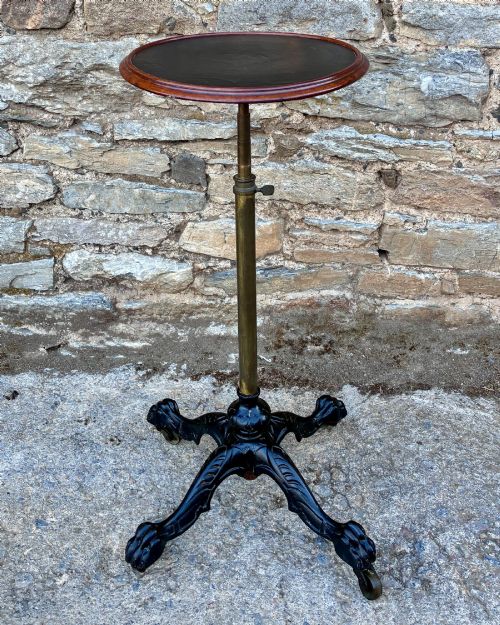
- An ornamental piece designed to hold indoor plant pots, frequently constructed with iron frames to support heavy ceramic vessels. They appear in various heights to display greenery within Victorian conservatories and parlours.
- Occasional table
- A small, movable table intended for specific, intermittent use rather than central dining, such as beside a chair or in a hallway. These frequently incorporate iron bases for added durability in domestic spaces.
- Scroll work
- Decorative ornamentation formed in sweeping, spiral curves, frequently cast into the iron skirts and legs of Victorian tables. This aesthetic reflects the prevailing taste for revival styles during the nineteenth century.
Victorian Iron Side Tables: Frequently Asked Questions
Where were these tables originally used?
Many of these pieces served commercial functions in nineteenth-century public houses, cafes, and industrial workshops. Others were manufactured for domestic conservatories, hallways, and gardens.
Over time, their sturdy construction and compact proportions led to their adoption in contemporary residential settings as versatile accent furniture.
How do I care for a marble top iron table?
Marble surfaces benefit from regular wiping with a damp cloth and mild soap to prevent staining from acidic liquids. Avoid abrasive cleaners that can dull the polished stone finish.
The iron base requires minimal upkeep, though occasional dusting keeps the metalwork clean and preserves the original texture of the casting.
Are the tabletops original to the iron bases?
Many tables retain their original timber or marble surfaces, such as fitted mahogany tops or marble cafe slabs. Some pieces, however, combine nineteenth-century iron bases with later replacement tops.
Examining the underside reveals how the surface is secured and whether the fixing methods align with the period of the base.
Can these tables be used outdoors?
Iron garden tables and French bistro pieces were built to withstand outdoor conditions, making them suitable for patios and gardens. Timber-topped variants require more shelter to protect the wood from prolonged moisture.
Bringing vulnerable pieces indoors during harsh weather helps preserve the integrity of both the metal and the surface material.