
Victorian Iron Seating
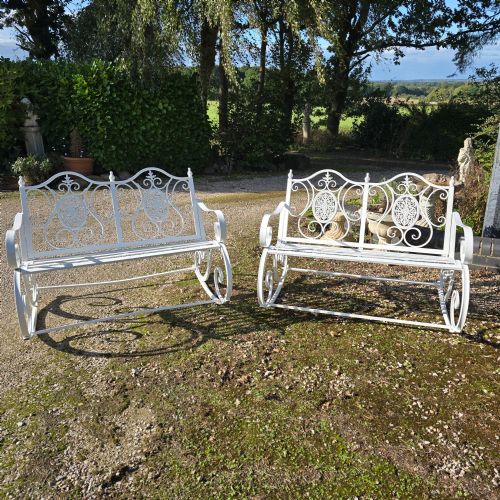
Victorian iron seating delivers robust outdoor endurance and ornate nineteenth-century style, combining heavy metal framing with wooden slats or padded upholstery.
Victorian Iron Seating
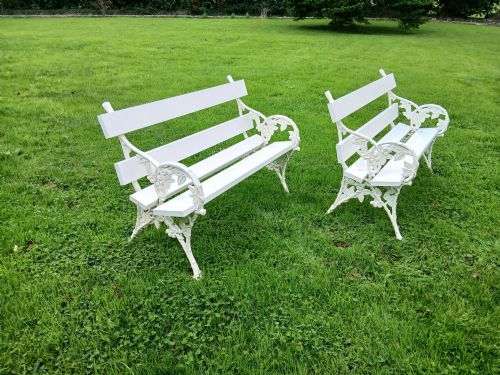
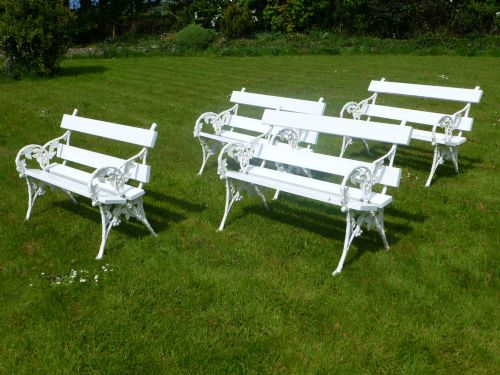
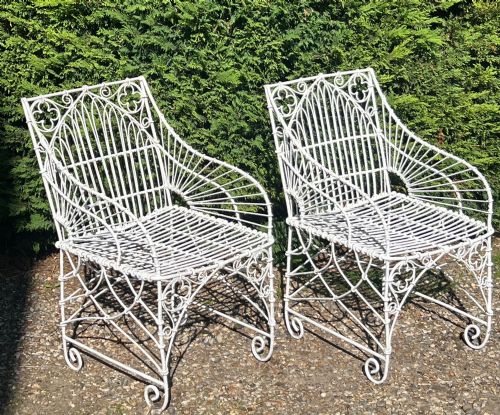
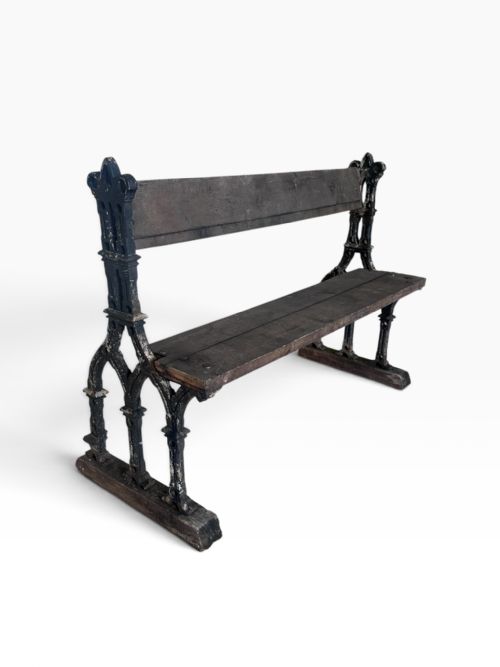
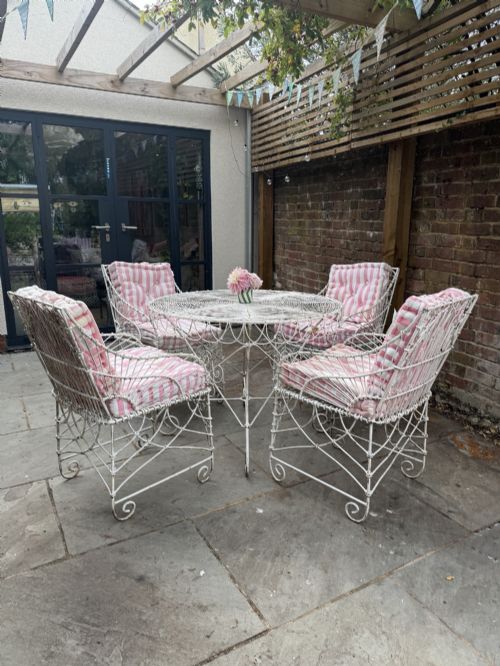
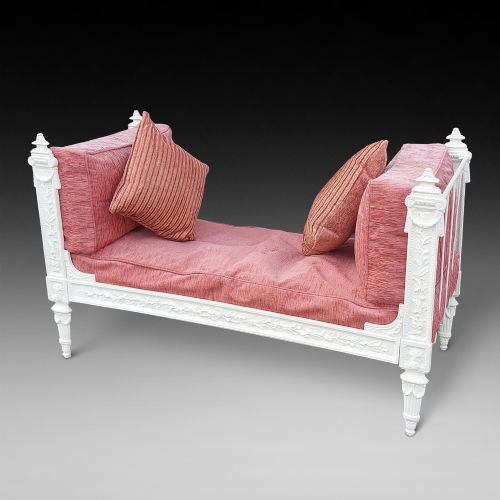
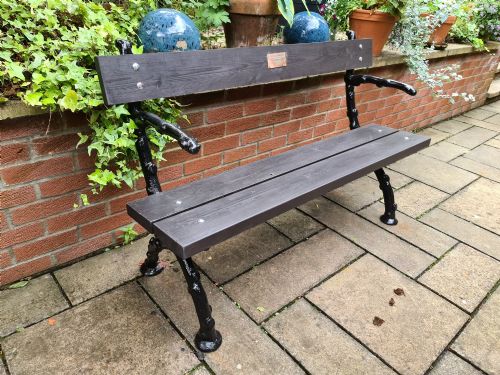
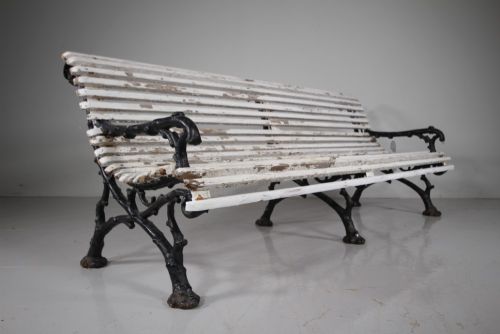
Victorian iron seating encompasses a sturdy variety of garden benches, armchairs, settees, and stools designed for nineteenth-century domestic and public grounds. Buyers seeking these robust outdoor pieces will frequently encounter heavy metal frames paired with timber slats, fabric, or leather upholstery.
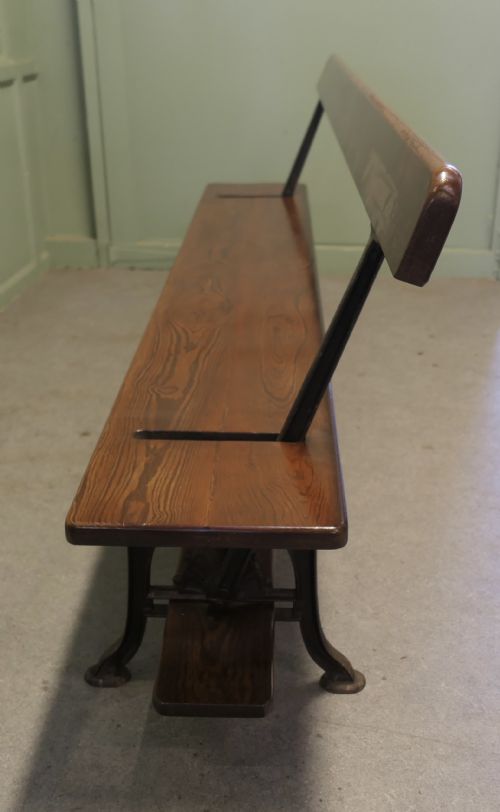
The selection ranges from rustic park benches and gothic Revival seats to industrial revolving stools and sophisticated club fenders. Examples span the nineteenth century and incorporate regional foundry work alongside later Edwardian interpretations.
Materials and Technique
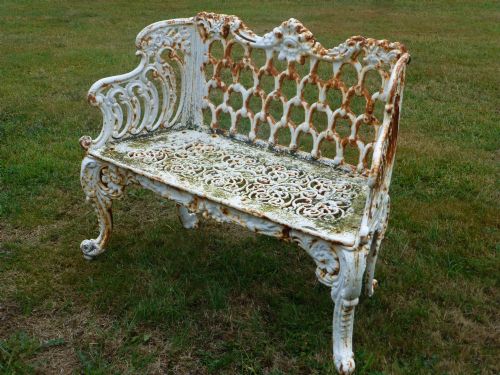
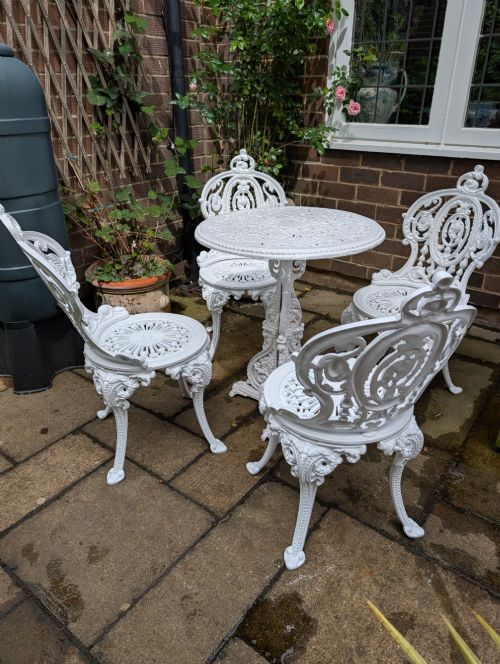
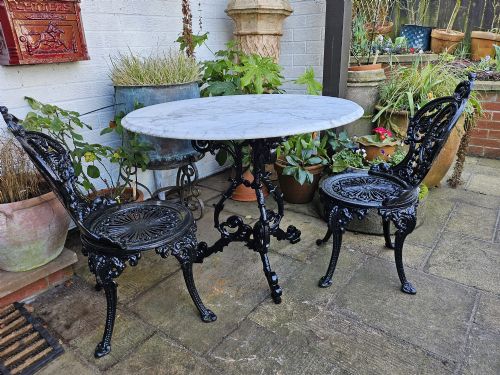
Foundries utilised cast iron and wrought iron for structural frames, shaping molten metal into intricate patterns like blackberry leaf, strapwork, and faux bois motifs. Skilled makers integrated timber, wood, fabric, and leather elements to provide comfortable seating surfaces on rigid metal bases.
Painted finishes protected the underlying iron from weathering while highlighting decorative mouldings and pierced backrests. Brass accents and marble tops occasionally appeared on related interior furniture such as club fenders and tables.
Current listings demonstrate a broad palette of materials, combining cast iron, wrought iron, wood, timber, fabric, leather, and brass.
Craftsmanship and Distinction
Quality rests in the crispness of the iron casting and the complexity of the decorative motifs, distinguishing standard utility items from foundry masterpieces. Finer examples display deeply defined botanical or architectural details with clean structural lines rather than softened edges.
The integration of secondary materials like seasoned timber slats or upholstered leather elements dictates the overall preservation and tactile appeal. Maker attributions and intact original paint schemes further elevate the standing of individual pieces.
Falkirk Carron Foundry·Coalbrookdale
The Victorian Iron Seating Glossary
- Cast iron
- A strong, hard alloy poured into moulds to create complex decorative patterns and rigid furniture frames. This versatile material defined nineteenth-century outdoor furniture production.
- Wrought iron
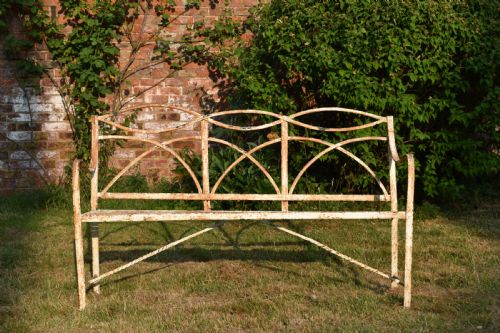
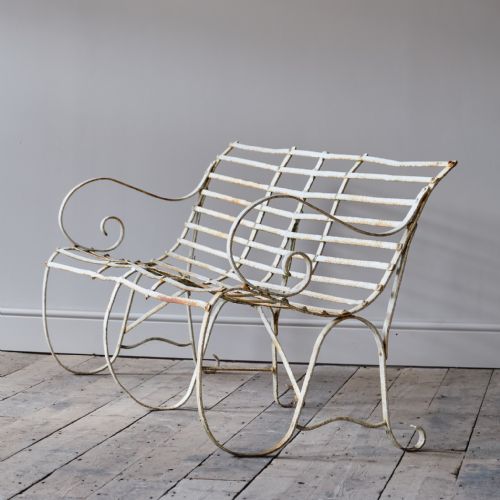
- Iron beaten or bent into shape by hand, resulting in fibrous, durable structural components. This material often appears in strapwork designs and simpler framework.
- Faux bois
- A decorative technique mimicking the natural appearance of wood grain upon a metal surface. This style gained significant popularity during the Victorian era.
- Strapwork
- Flat bands of metal arranged in geometric or interlaced patterns across backs and seats. This technique provides structural rigidity alongside ornamental visual appeal.
- Club fender
- A low, metal-framed seat placed around a fireplace hearth, frequently incorporating leather upholstery. These fixtures often utilise iron framing paired with brass details.
Victorian Iron Seating: Frequently Asked Questions
How do I maintain Victorian iron furniture outdoors?
Protect the metal framework with suitable exterior paints to prevent rust accumulation during damp winter months. Timber slats require regular oiling or sealing to preserve the wood against weathering.
Store upholstered items indoors when not in use to safeguard fabrics and leather from moisture damage. Inspect structural joints periodically to ensure fixings remain secure.
Were these seats made for gardens or interiors?
Most cast iron pieces served outdoor environments like lawns, parks, and conservatories due to their weather-resistant metallic construction. Heavier metal benches withstand exposure to the elements while offering permanent garden anchoring.
Some variants, such as club fenders and upholstered armchairs, functioned strictly as interior furnishings around hearths or in great halls. These indoor pieces integrated leather and wood alongside iron frames.
How can I identify a foundry piece?
Look for manufacturer stamps, registration marks, or distinct pattern numbers cast directly into the reverse of the iron frame. Prominent foundries often signed their work with recognizable foundry names or registry symbols.
Distinctive casting signatures, such as botanical motifs or faux bois textures, point towards specific nineteenth-century production houses. Comparing ornamental details with known foundry catalogues helps confirm origin.
Are these benches comfortable to sit on?
Solid iron slat seats and ornate metal backrests offer a firm seating experience that benefits greatly from added cushions. Many period examples combine rigid metal frames with shaped wooden slats or upholstered pads to improve comfort.
Settees and armchairs with ergonomic curves support the body more effectively during extended periods of outdoor relaxation. Adding loose outdoor cushions bridges the gap between historic durability and modern comfort.